What a Conveyor Idler Price Covers
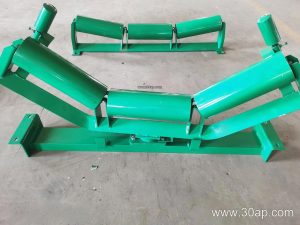
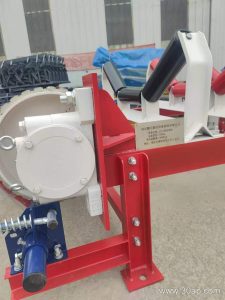
When a maintenance planner in a quarry or a coal handling plant asks about conveyor idler price, the answer is rarely a single number. An idler roller is a small assembly, but its cost depends on the roller diameter, shell material, bearing size, seal design, and the number of rollers in each station. A three-roll troughing set for a 1200mm conveyor belt will not carry the same price as a single return roller for a 650mm belt, and the difference is not only metal weight. Buyers should treat conveyor idler price as a package: the roller body, the shaft, the bearing housing, the labyrinth seal, and the bracket that holds it on the conveyor frame.
Because idlers are consumables, the purchase price is only part of the story. A low-cost roller that fails early in a dusty crusher line costs more in downtime than a well-sealed roller that lasts longer. That is why experienced buyers compare price against bearing brand, shell thickness, and seal type, not against the lowest quotation alone.
How an Idler Roller Is Built
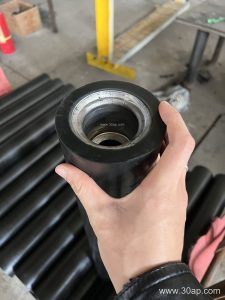
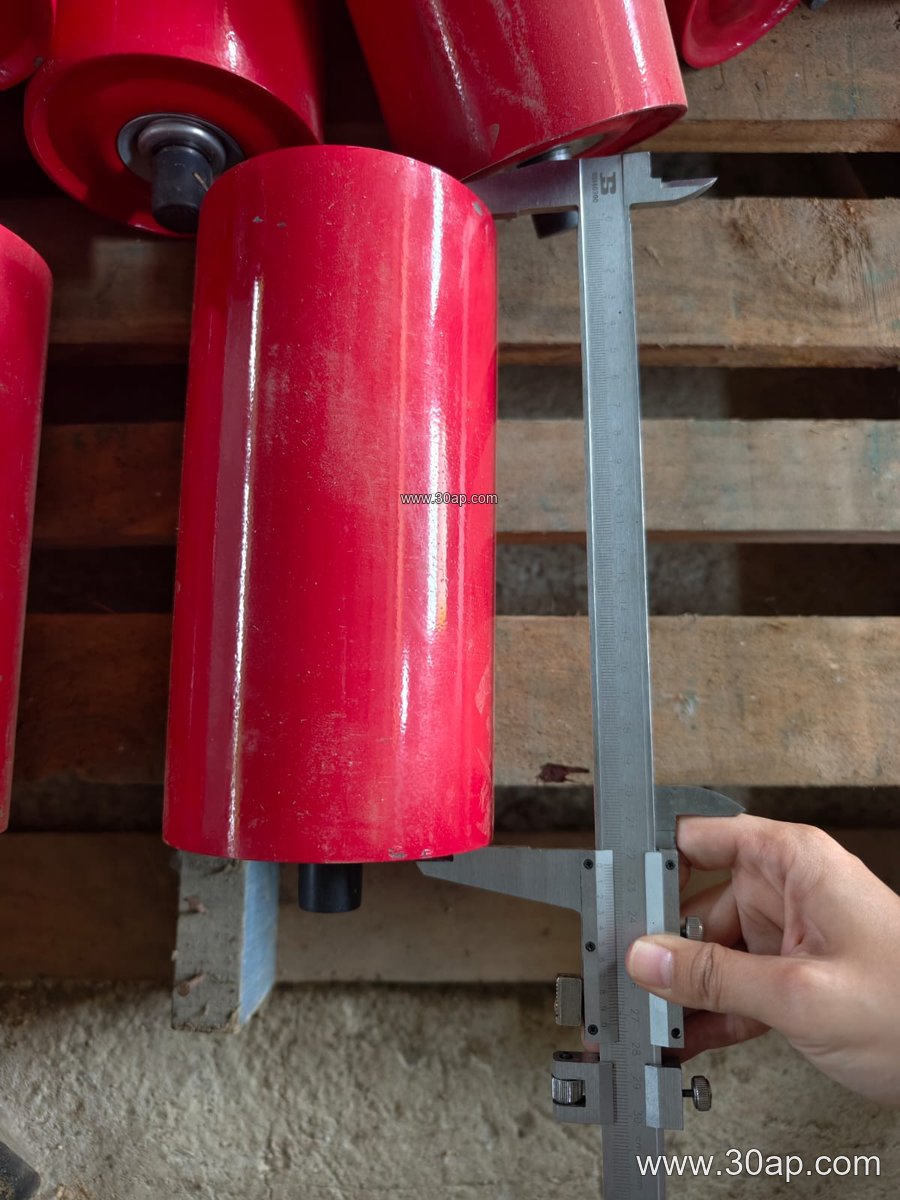
A standard idler roller consists of a steel tube shell, a through shaft, two bearing assemblies, and a sealing system. The shell may be plain steel, nylon-coated, ceramic-lined, or fitted with rubber rings for impact absorption. Bearings are commonly 6204, 6205, 6305, 6306, 6308, or 6310, and the correct bearing size is matched to the roller diameter and load, not to a single fixed rule.
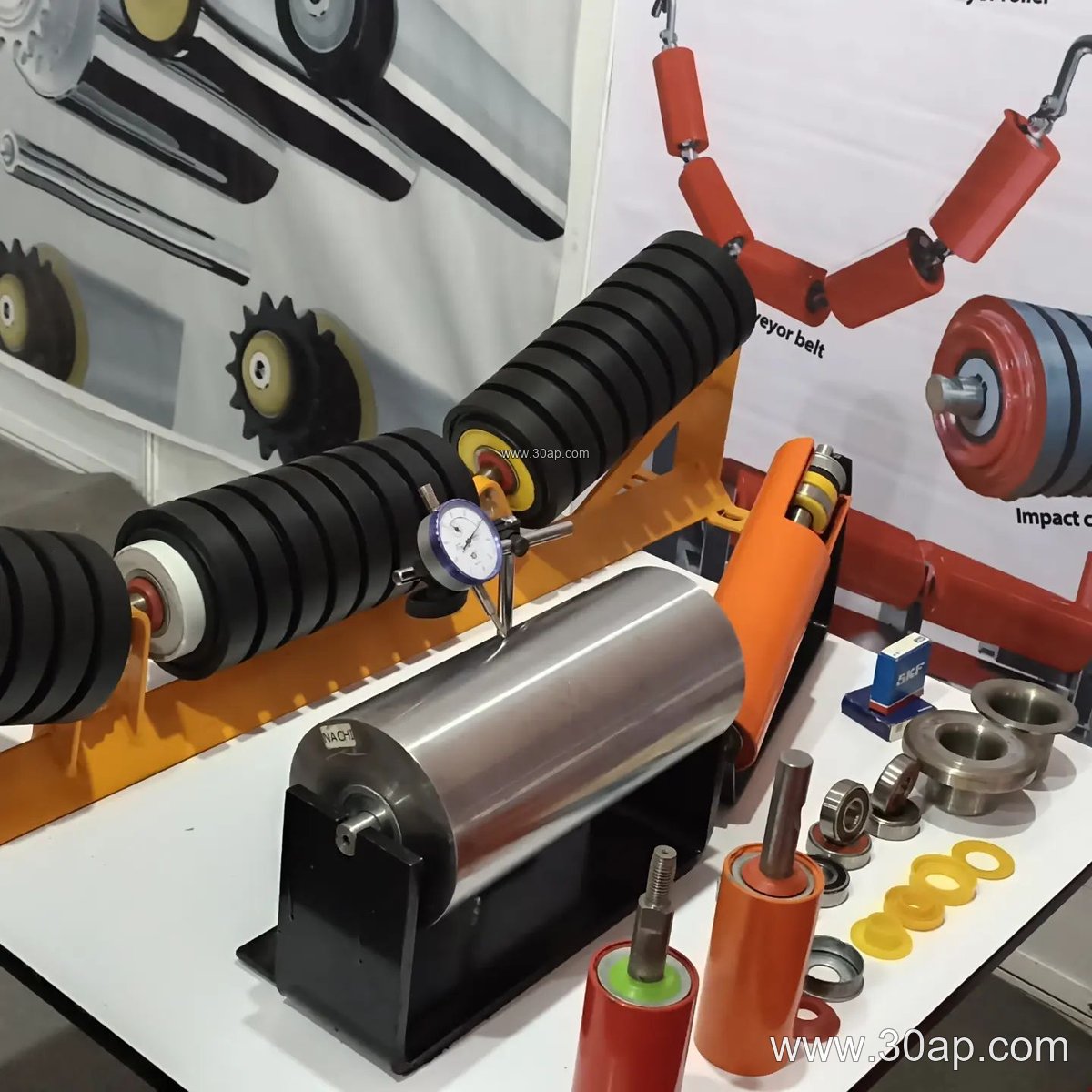
Sealing matters in cement plants, power plant coal yards, and aggregate lines where fine dust is constant. A good labyrinth seal and grease retention design keep grit away from the bearing, which is where most idler failures begin. The roller surface also affects price: a rubber-disc impact roller for a crusher discharge point costs more than a plain steel return roller of the same diameter.
Common Roller Diameters and Belt Widths
Idler selection usually starts with belt width and roller diameter. The table below shows typical reference values, but final dimensions depend on conveyor design, trough angle, and load.
| Belt width | Common roller diameter | Typical three-roll idler length (example) |
|---|---|---|
| B500 | Ø63 to Ø89 | about 200 mm |
| B650 | Ø76 to Ø108 | about 250 mm |
| B800 | Ø89 to Ø127 | about 315 mm |
| B1000 | Ø102 to Ø133 | about 380 mm |
| B1200 | Ø108 to Ø159 | about 465 mm |
| B1400 | Ø127 to Ø178 | about 530 mm |
| B1600 | Ø133 to Ø194 | about 600 mm |
These figures are common examples, not fixed pairings. A wide belt may use different diameters on the carry side and return side, and side rollers can differ from the center roller. Trough angles of 20, 30, 35, and 45 degrees also change the roller length and the load pattern on the belt.
Where the Price Difference Comes From
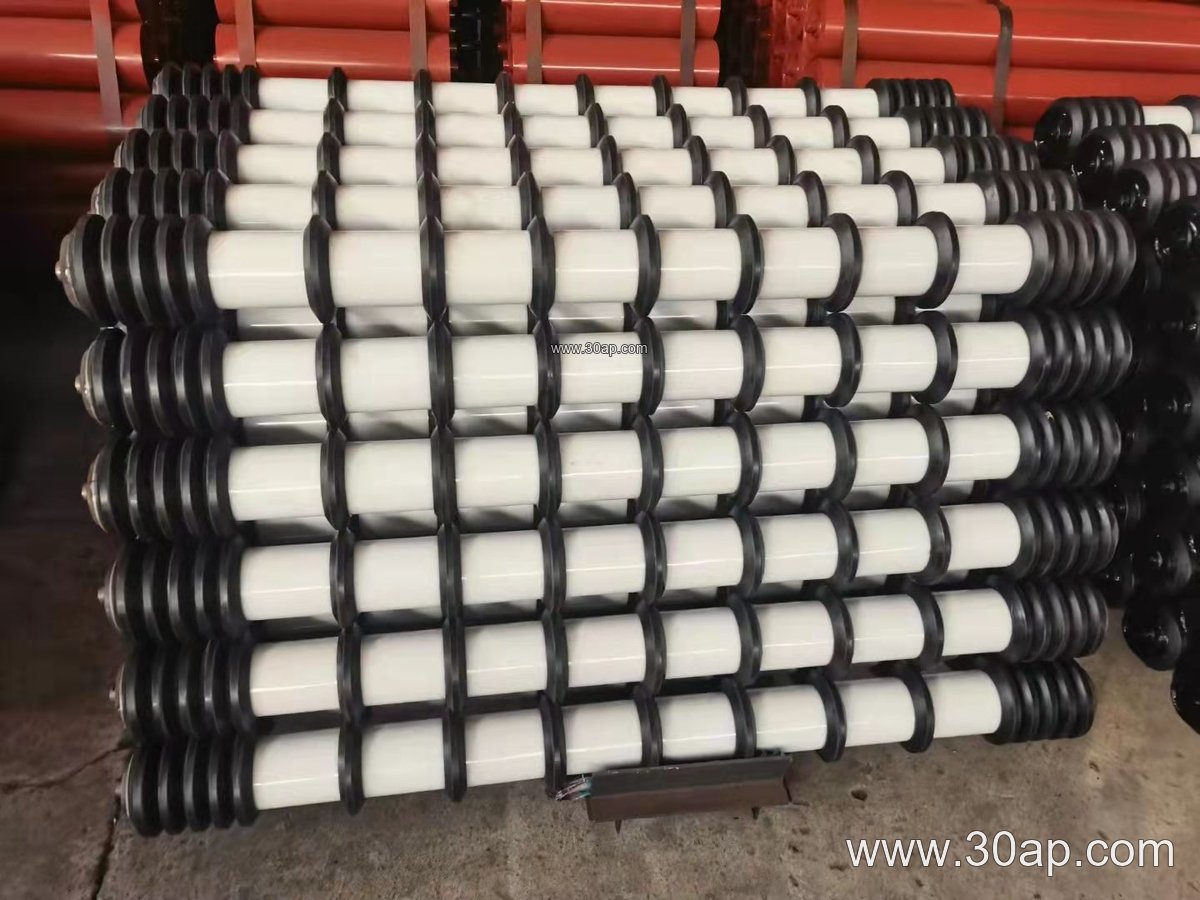
- Roller type: a troughing idler, impact roller, self-aligning roller, and spiral return roller each have different construction and price levels.
- Shell material: steel, nylon, ceramic, and rubber-covered shells wear differently and cost differently.
- Bearing and seal quality: better sealing and reputable bearings raise the unit price but reduce replacement frequency.
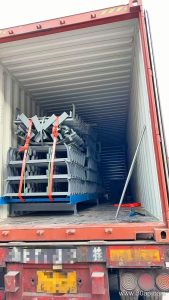
- Order quantity: spare parts for a single conveyor cost more per piece than a full project order.
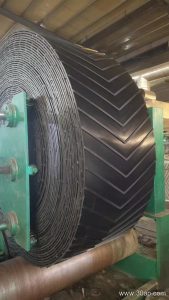
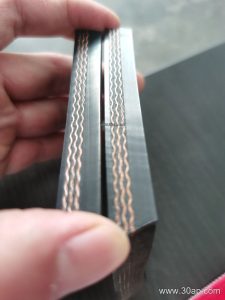
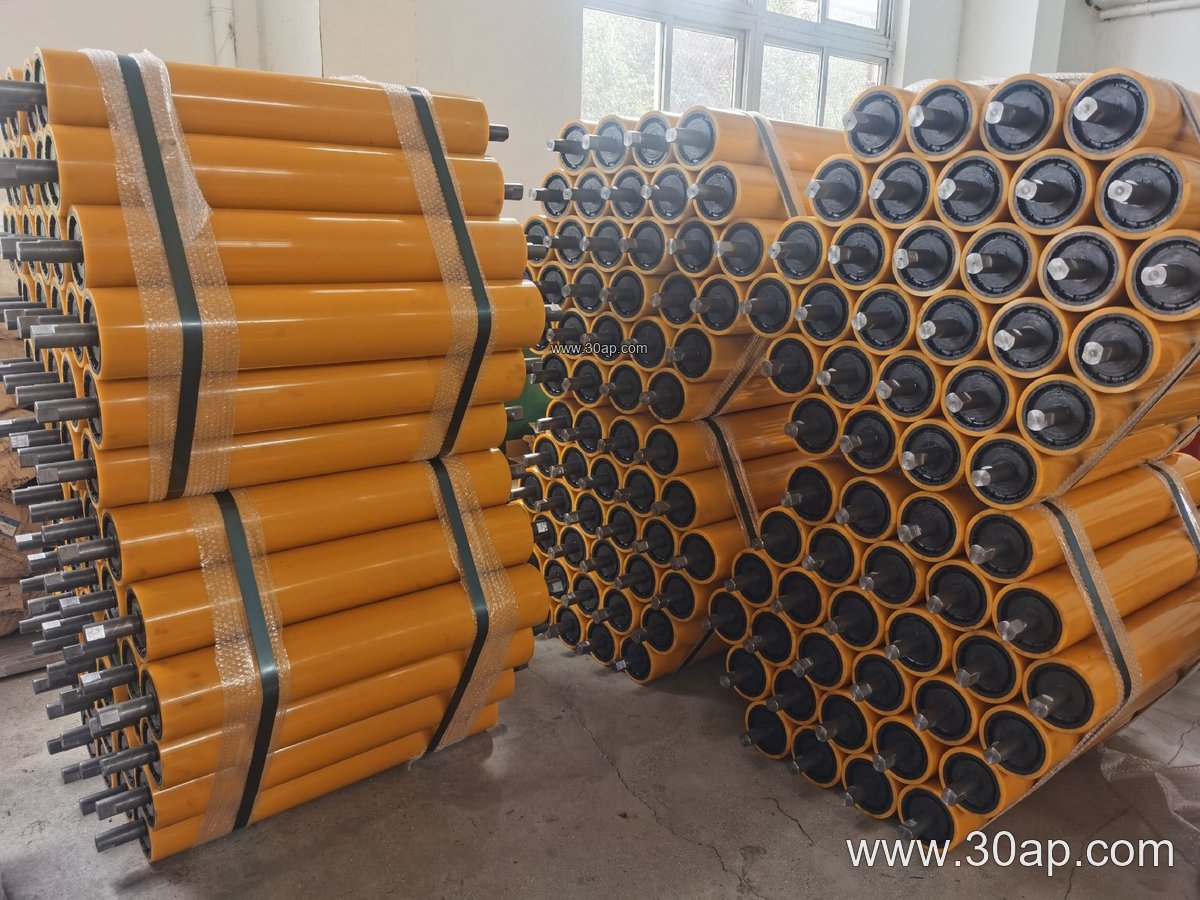
A plant running an EP conveyor belt or a steel cord conveyor belt on a long overland line may need thousands of idlers, so a small price difference per roller becomes significant. In such projects, buyers often ask for samples and inspect seal quality before committing to a large order.
Matching Idlers to the Application
In a limestone quarry, dust and impact from the primary crusher put stress on the idlers near the loading point. Rubber-disc impact rollers are often used there, while plain troughing idlers handle the long carrying run. In a coal preparation plant, flame retardant conveyor belt and anti-static properties are important for the belt, and idler rollers should be selected with reliable sealing for fine coal dust. In a cement plant, heat and abrasive clinker dust call for durable shells and good bearing protection.
Return side design deserves equal attention. A V-shaped return roller set helps center the belt, while a spiral roller sheds sticky material. The conveyor bracket and frame must also match the roller shaft, otherwise installation becomes difficult and the roller may sit misaligned.
Buyer Checklist Before Requesting a Quotation
- Confirm belt width and conveyor layout, including carry and return sides.
- List the roller type for each position, such as troughing, impact, or self-aligning.
- State roller diameter, shaft size, and bearing requirements.
- Describe the environment: dust, moisture, temperature, and material abrasiveness.
- Ask for the seal design and shell thickness, not just the unit price.
A clear specification helps suppliers quote accurately and helps the buyer compare conveyor idler price on equal terms. For more information on idlers, pulleys, and conveyor accessories, visit mndelt.com or review related pages on conveyor belt and idler roller selection.