What a 1600mm Conveyor Belt Is
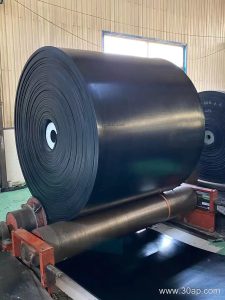
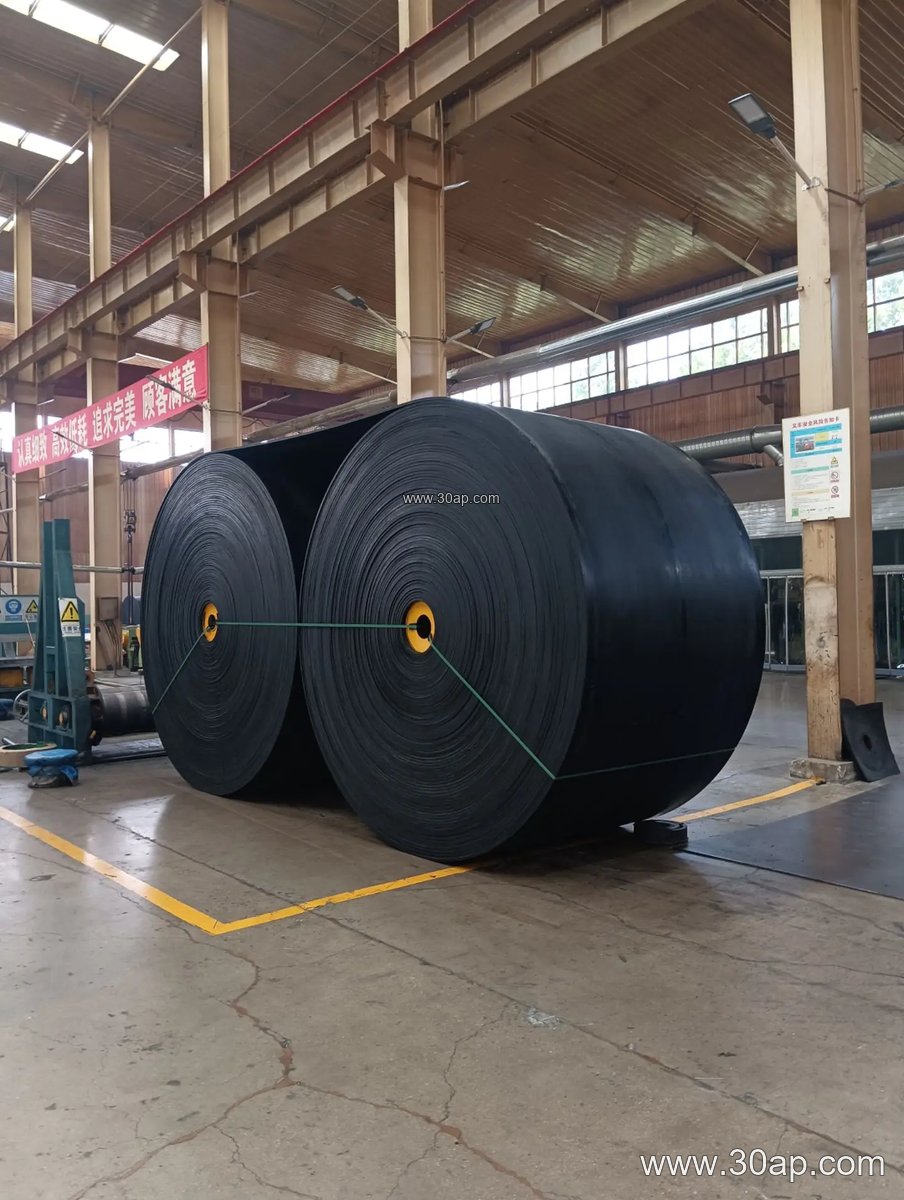
A 1600mm conveyor belt is a wide belt format used where a single stream of bulk material must move at high tonnage without excessive belt speed. The 1600mm figure refers to the belt width, not to the pulley face or the frame gauge, and it is one of the larger standard widths in heavy bulk handling. In practice, this width is often chosen for main haulage lines in mining, coal preparation, cement plants, power stations, and large sand and aggregate yards where crusher discharge or ship loading demands a broad, stable carrying surface.
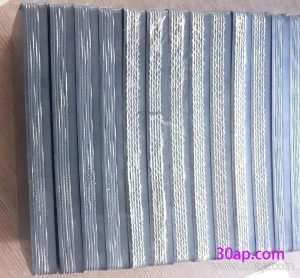
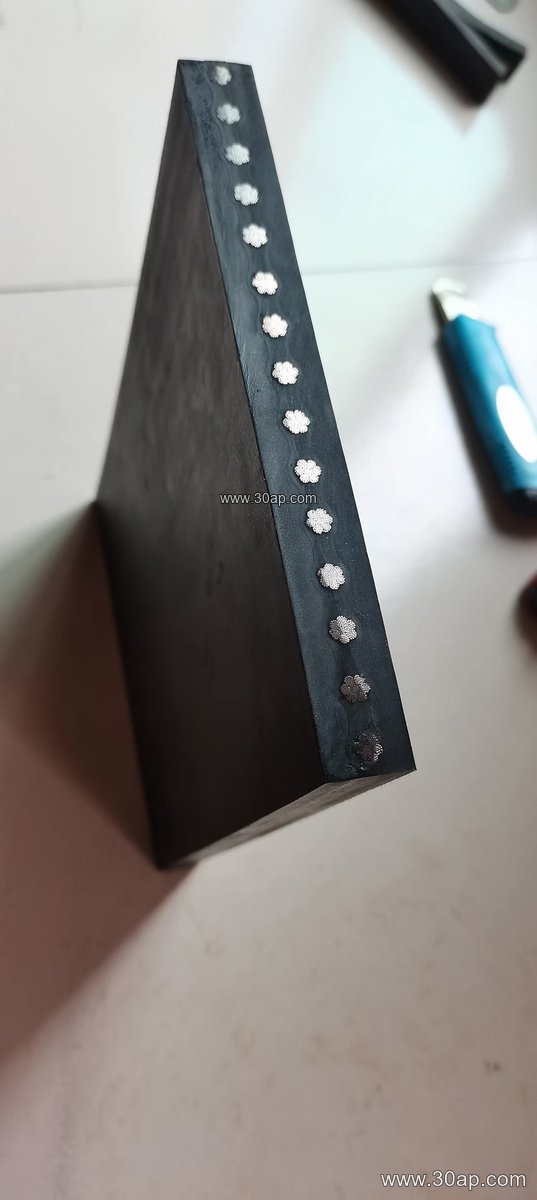
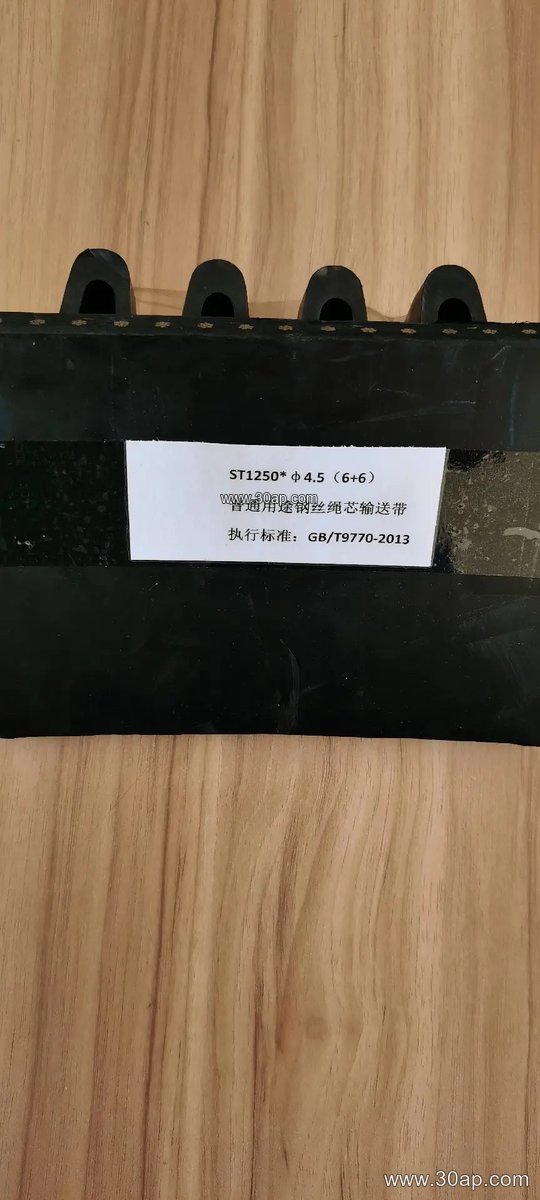
The belt itself is a composite: a tension-carrying carcass, top and bottom rubber covers, and often an edge treatment. The carcass may be fabric based, such as an EP conveyor belt or NN conveyor belt, or steel cord reinforced. A 1600mm belt is frequently specified as a heavy-duty conveyor belt because the width implies high tension and a demanding duty cycle.
Construction and Common Specifications
Width alone does not define a belt. Buyers should expect the carcass type, ply count, cover thickness, and cover grade to be stated separately. Fabric core conveyor belt constructions commonly run from two to six plies, while steel cord belt is described by strength class rather than ply count. Cover grades address abrasion, heat, oil, flame, or cold, and a multi-ply fabric core conveyor belt is common in general bulk service.
The table below shows typical reference values, not fixed combinations or a supply promise. Actual values are determined by conveyor design.
- Belt width: 1600mm (also written B1600)
- Common carcass options: EP fabric, NN fabric, steel cord
- Reference strength classes: EP200 to EP2000; ST1000 to ST3150
- Typical cover thickness: 4+2mm, 5+2mm, 6+2mm, 8+3mm
- Common ply range: 2 to 6 layers for fabric constructions
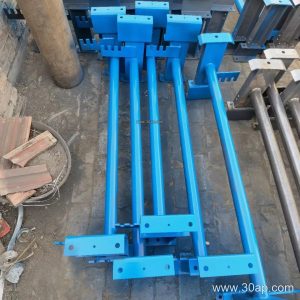
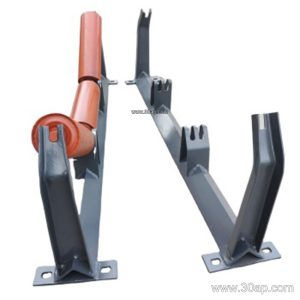
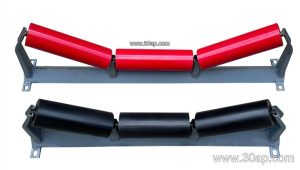
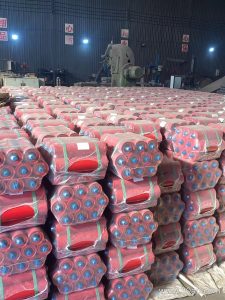
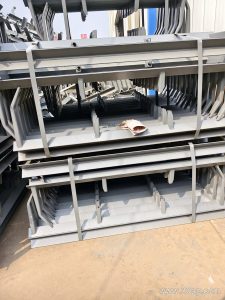
The belt runs over a conveyor pulley at the head and tail, is supported by idler roller sets along the carrying side, and is held by conveyor bracket structures. These parts are selected independently of the belt width, so a 1600mm belt does not imply one fixed pulley diameter or shaft size. Drive, tail, and bend pulleys serve different functions and are not interchangeable.
Where It Fits in the Plant
At 1600mm, the belt is usually a backbone conveyor rather than a short transfer. Typical duties include primary crushed ore from a crusher conveyor belt discharge, coal haulage in a coal mining conveyor belt system, clinker and limestone transport in cement plants, and coal feed lines in a power plant. Quarry conveyor belt and aggregate conveyor belt layouts also use this width when a wide, flat profile improves material stability.
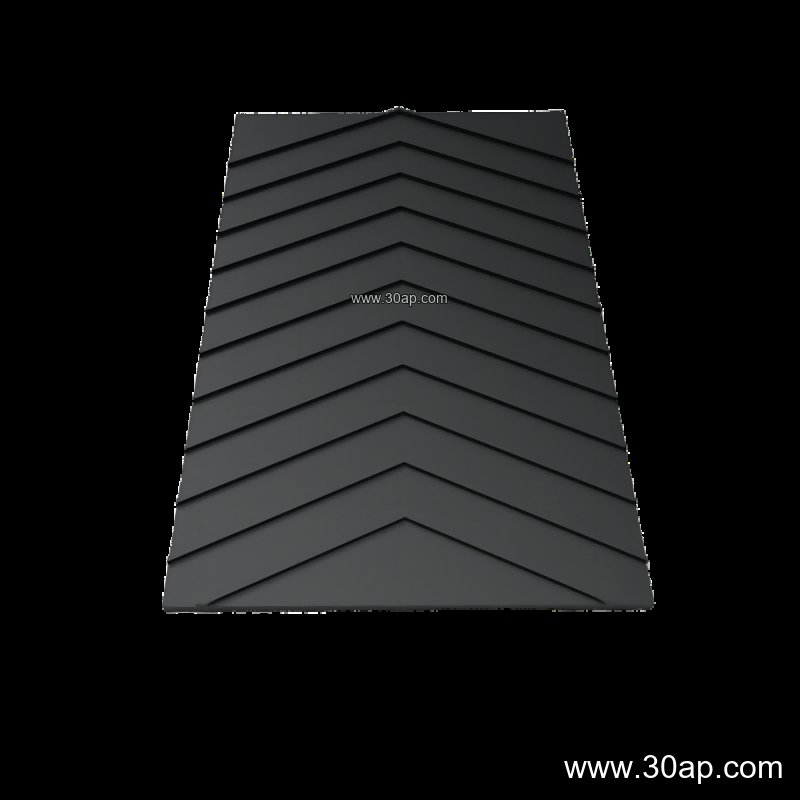
Special constructions suit difficult conditions. A heat resistant conveyor belt handles clinker or sinter, an abrasion resistant conveyor belt suits sharp rock, and a flame retardant conveyor belt or fire resistant conveyor belt is often requested for underground coal mining conveyor belt service. A chevron conveyor belt or corrugated sidewall conveyor belt may appear on inclined sections, and a pipe conveyor belt is chosen where the route must be enclosed; these are different designs, not substitutes for a flat 1600mm belt.
Selection Notes for Buyers
Start with the material: lump size, density, temperature, moisture, and whether it is oily or chemically active. Then confirm the required tension, which depends on the conveyor length, lift, and tonnage, not on width alone. Specify cover grade and thickness, carcass type and class, and edge condition. For long centers or high lift, steel cord conveyor belt is often considered, while EP conveyor belt and NN conveyor belt remain practical for many plant lines.
Ask for the belt’s mass per square meter, minimum pulley diameter guidance from the manufacturer, and recommended splice method. Check that the frame, idler roller spacing, and conveyor bracket layout suit a wide belt, and that the take-up and pulley arrangement match the calculated tension. Keep spare belt, splicing materials, and idler roller stock consistent with the installed specification.
Handling and Maintenance
Wide belts are heavy and require careful lifting and alignment during installation. Track belt tracking after start-up, inspect the conveyor pulley lagging, and check idler roller rotation for seizure that can damage the cover. Keep the belt clean and avoid material buildup at the tail. Store spare rolls flat and protected from sunlight and oil. For more on matching belt width with conveyor parts, see the conveyor belt and conveyor pulley references at our site.
A 1600mm conveyor belt is a capable, wide-format solution for high-volume bulk transport, but it should always be specified as part of a complete conveyor design rather than by width alone.