What a Bend Pulley Assembly Does
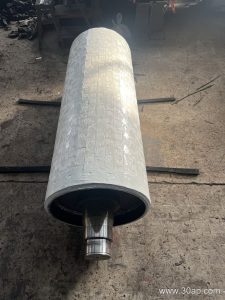
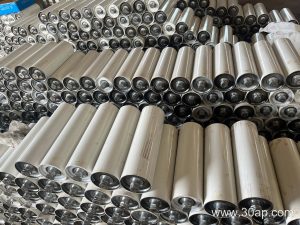
A bend pulley assembly is a key component in a conveyor system, used to change the direction of the conveyor belt or to increase the wrap angle around the drive pulley. It is commonly found in the tail or tensioning section of a conveyor, where it guides the belt back to the loading point. Unlike the drive pulley, which transmits power, or the tail pulley, which serves as the return point, the bend pulley is primarily a direction-changing device. Its assembly includes the pulley shell, shaft, bearings, and often a bearing housing and conveyor bracket for mounting.
In industries such as coal mining, cement plants, and power plants, the bend pulley assembly helps maintain proper belt tension and alignment, ensuring smooth operation of the conveyor belt. It is also used in quarry and aggregate lines to route the belt around obstacles or to create additional belt wrap for improved traction.
Construction and Key Components
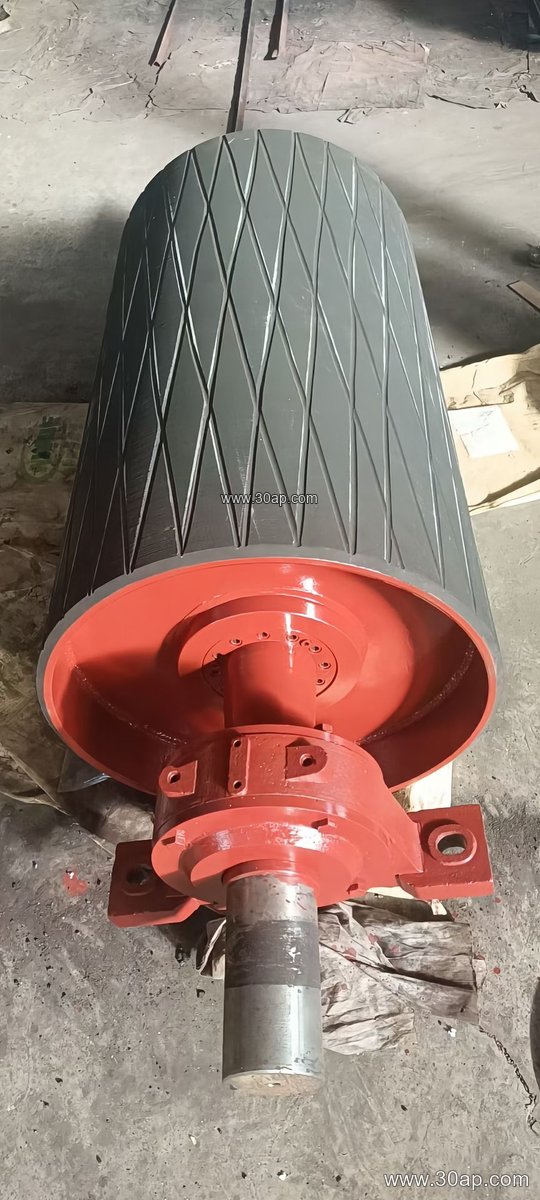
The bend pulley assembly typically consists of a cylindrical shell made from steel, with a shaft running through the center. The shell may be covered with rubber or other materials to improve grip and protect the belt. Bearings are mounted on the shaft and housed in bearing blocks that are attached to the conveyor frame via brackets. The assembly is designed to withstand the tension and load of the conveyor belt, and its size is determined by the belt width and the required diameter.
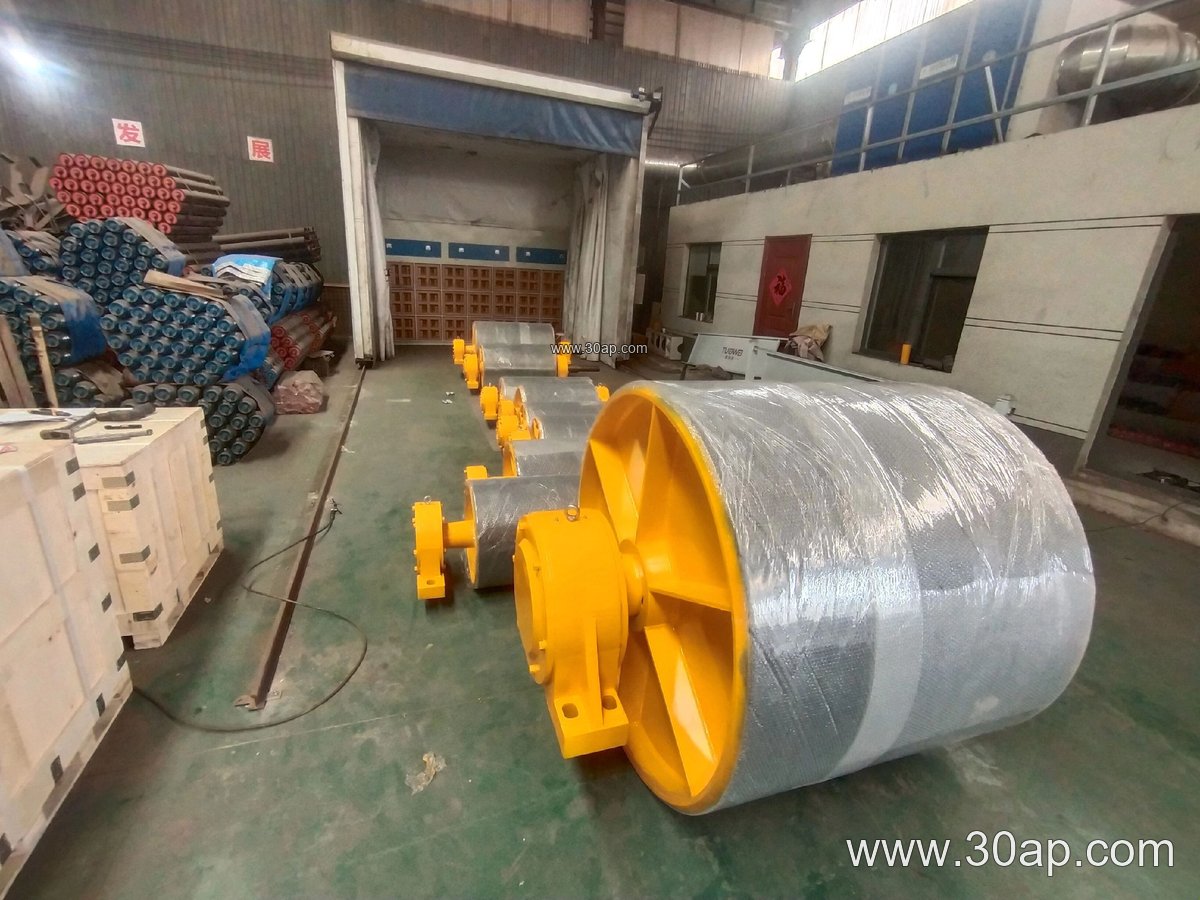
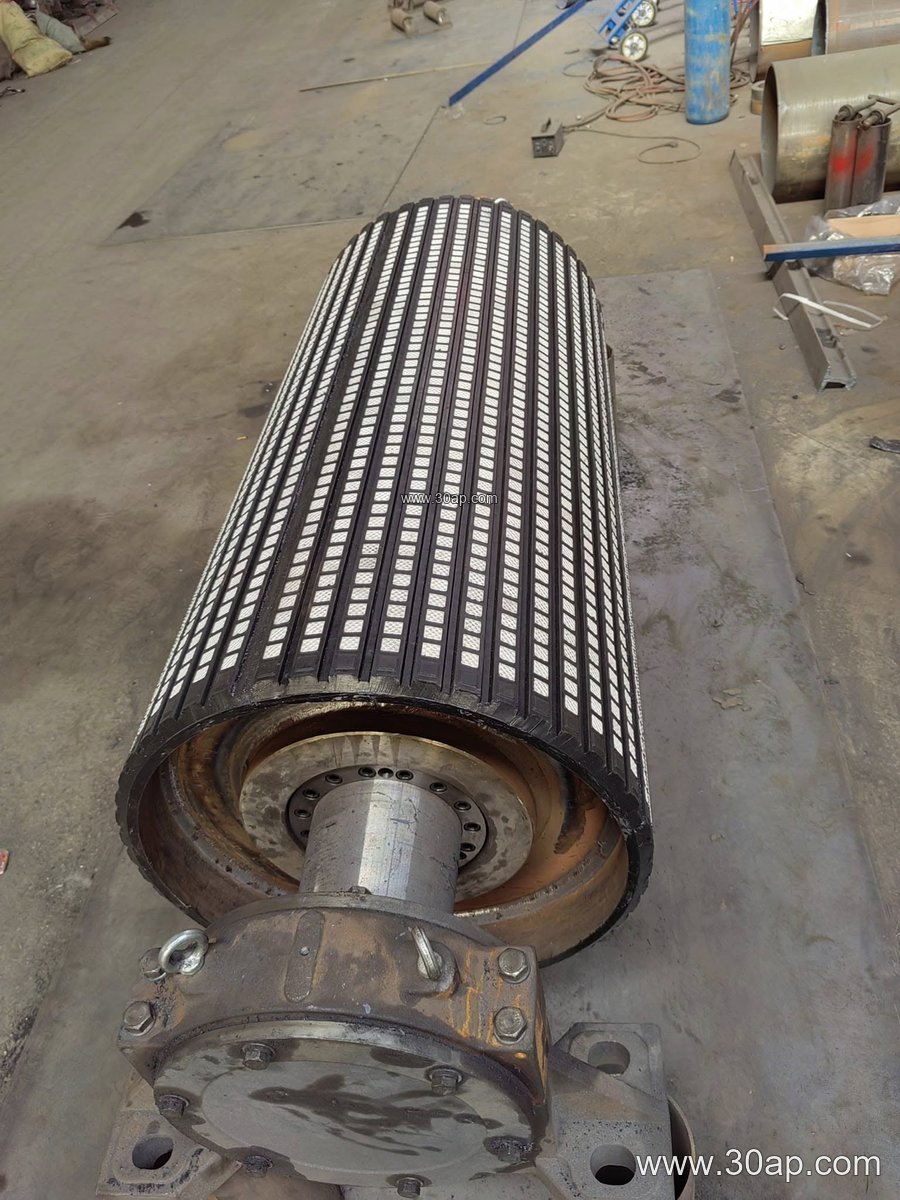
Common surface options for the pulley include plain (smooth), rubber lagged, or ceramic lagged, depending on the application. For example, in a coal mining conveyor, a flame retardant conveyor belt may be used, and the bend pulley might have a rubber lagging to prevent slippage. The pulley diameter and face width are selected based on the belt width and the system design. For instance, a B1200 belt might use a bend pulley with a diameter of Ø1000 and a face width of approximately 1400 mm. However, these are reference values and actual dimensions should be confirmed with the conveyor designer.
Typical Reference Dimensions
| Belt Width (mm) | Pulley Face Width (mm) | Common Diameter Range (mm) |
|---|---|---|
| B500 | 600 | Ø250–Ø400 |
| B650 | 750 | Ø315–Ø500 |
| B800 | 950 | Ø400–Ø630 |
| B1000 | 1150 | Ø500–Ø800 |
| B1200 | 1400 | Ø630–Ø1000 |
| B1400 | 1600 | Ø800–Ø1250 |
Note that the shaft diameter is not directly determined by belt width alone; it is calculated based on torque and load. Common shaft sizes range from Ø50 to Ø200 mm, but the final selection must be made by the engineer.
Where It Fits in a Conveyor
In a typical conveyor layout, the bend pulley assembly is often located at the tail end, just after the tail pulley, to guide the returning belt. It can also be placed in the tensioning take-up section to maintain belt tension. In some systems, a bend pulley is used at the head end to increase the contact angle between the belt and the drive pulley, especially when the drive pulley is small or the load is heavy. This is common in high-capacity applications such as iron ore conveyors or port bulk handling.
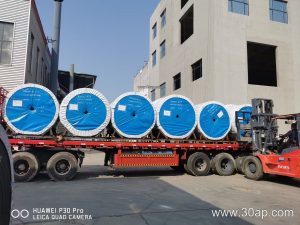
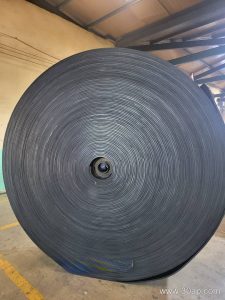
When selecting a bend pulley assembly, consider the belt type it will work with. For example, a steel cord conveyor belt may require a larger pulley diameter to reduce bending stress, while an EP conveyor belt might tolerate a smaller diameter. The assembly should be compatible with the conveyor bracket and the overall structure.
Buyer’s Checklist
- Belt width and pulley dimensions: Ensure the pulley face width is wider than the belt to prevent edge damage. Typical face widths are about 100–200 mm wider than the belt.
- Load and tension: The pulley and shaft must handle the maximum belt tension. Check the bearing capacity and shaft diameter.
- Surface finish: Choose lagging based on grip requirements. Rubber lagging is common for general use; ceramic lagging may be used in high-wear areas.
- Environmental conditions: In dusty or wet conditions, consider sealed bearings and corrosion-resistant coatings.
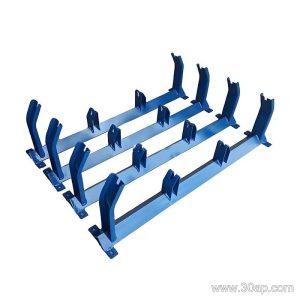
- Compatibility: The assembly should match the conveyor bracket and mounting points. Verify dimensions and bolt patterns.
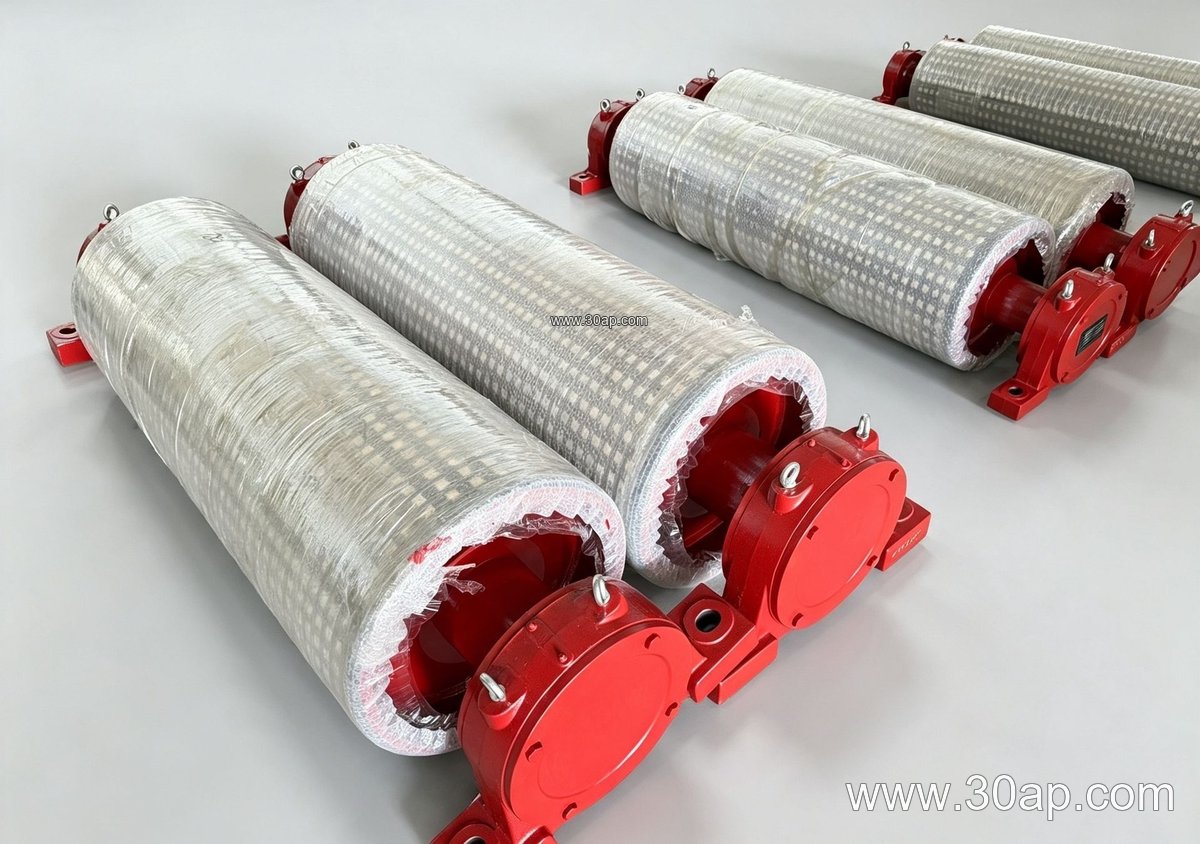
For reliable performance, source bend pulley assemblies from reputable manufacturers who can provide material certificates and dimensional drawings. Keep in mind that the bend pulley is not interchangeable with a drive pulley or tail pulley; each has a specific role. Regular maintenance, including bearing lubrication and lagging inspection, will extend the service life of the assembly.
Whether you are upgrading a coal mining conveyor or building a new aggregate line, the bend pulley assembly is a small but critical part of the material handling system. Proper selection and care ensure the conveyor belt runs smoothly and efficiently.