What an Idler Quotation Actually Covers
An idler quotation is a commercial and technical response to a request for conveyor idlers, the rotating rollers that support the conveyor belt along its carrying and return runs. It is more than a list of prices. A useful quotation identifies the idler type, roller diameter, shell material, bearing arrangement, group configuration, and the belt width range the units are intended for. Buyers in a quarry, a coal washing plant, or a cement kiln line often compare several quotations side by side, so clarity in each line item matters as much as the total figure.
The quotation should also state what is excluded, such as frames, brackets, or installation hardware. Without that boundary, two quotations can look comparable when they are not.
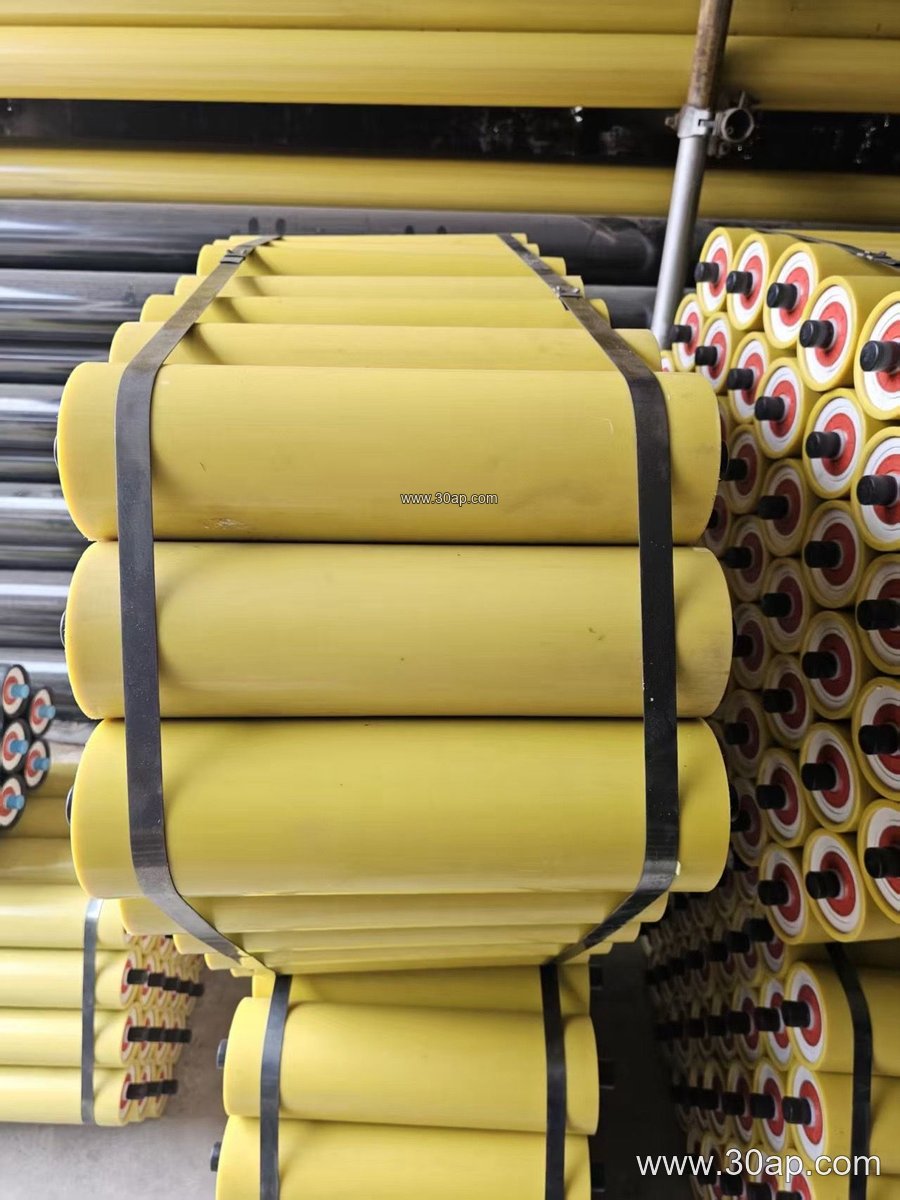
How an Idler Is Built and Why It Affects the Quote
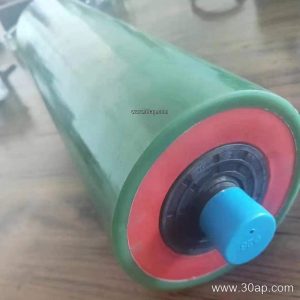
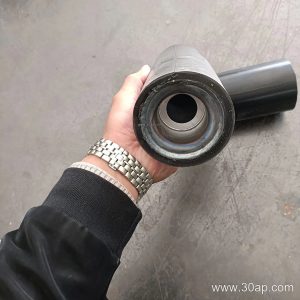
A typical idler consists of a steel tube shell, a shaft, bearing housings, bearings, and a sealing system. The shell may be plain steel, nylon-coated, ceramic-covered, or fitted with rubber rings for impact absorption. Sealing is often the detail that separates a low-cost offer from a durable one, especially in dusty or wet conditions.
Bearing selection appears in most quotations because it drives both cost and service life. Common bearing references include 6204, 6205, 6305, 6306, 6308, and 6310. A given roller diameter can be paired with more than one bearing choice depending on load and sealing design, so the buyer should not assume a fixed relationship between the two.
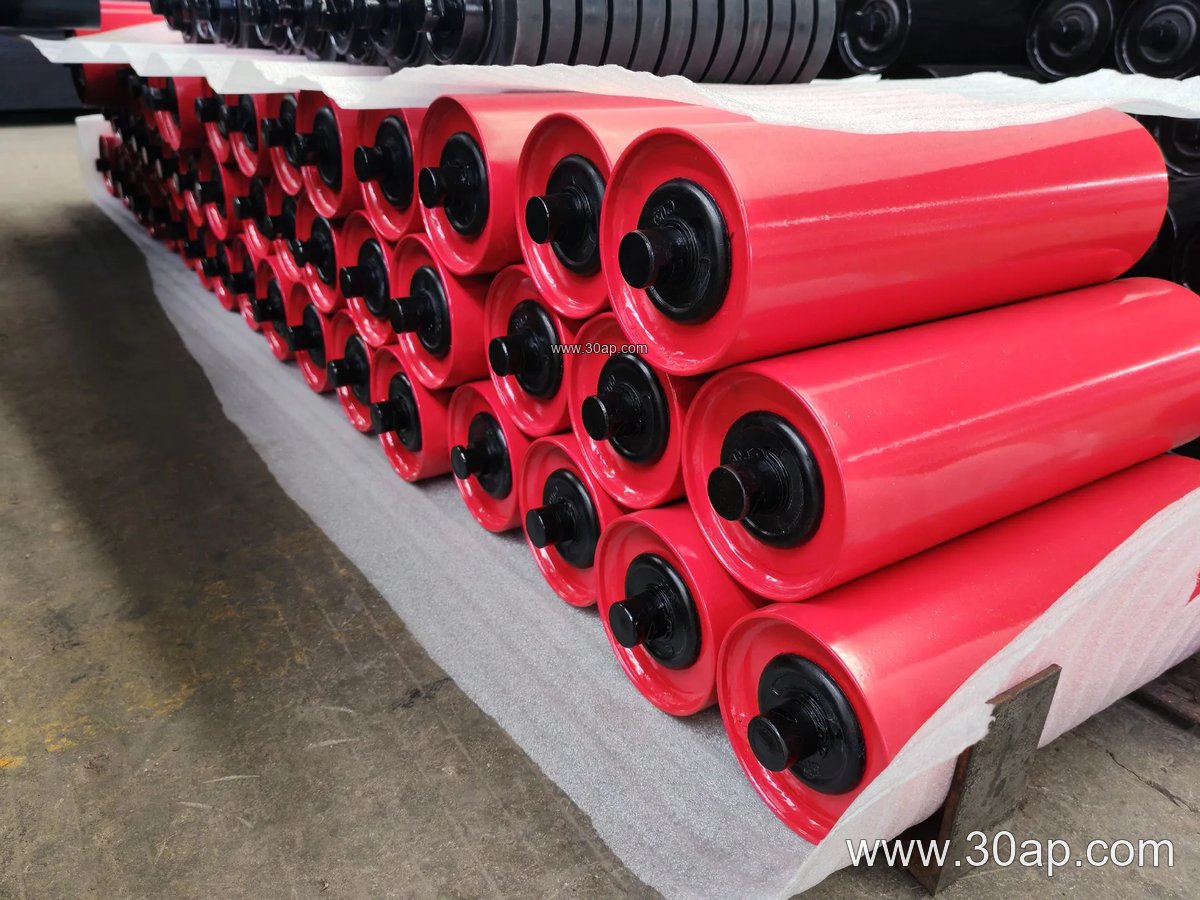
Common Idler Configurations in a Quotation
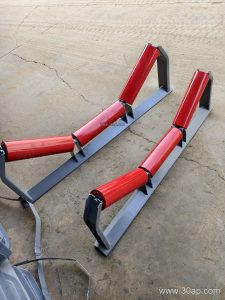
Troughing idlers, return idlers, impact idlers, self-aligning idlers, and spiral idlers are frequently quoted together for one conveyor. The table below shows typical reference values that may appear in a quotation. These are common examples, not fixed combinations, and the final figure is determined by the conveyor design.
| Item | Common Reference Values |
|---|---|
| Roller diameter | Ø63, Ø76, Ø89, Ø102, Ø108, Ø127, Ø133, Ø159, Ø178, Ø194, Ø219 mm |
| Belt width | B400, B500, B650, B800, B1000, B1200, B1400, B1600, B1800, B2000, B2200, B2400 |
| Trough angle | 20°, 30°, 35°, 45° |
| Troughing set | single roller, two-roller, three-roller |
| Roller surface | steel tube, nylon, ceramic, rubber ring |
| Bearing | 6204, 6205, 6305, 6306, 6308, 6310 |
Roller length changes with belt width, trough angle, and set form. As a common example, a three-roller troughing set may use a roller length near 200 mm at B500, 250 mm at B650, 315 mm at B800, 380 mm at B1000, 465 mm at B1200, 530 mm at B1400, 600 mm at B1600, 670 mm at B1800, and 750 mm at B2000. Side rollers and center rollers can differ, so these figures should be treated as reference data rather than a rule.
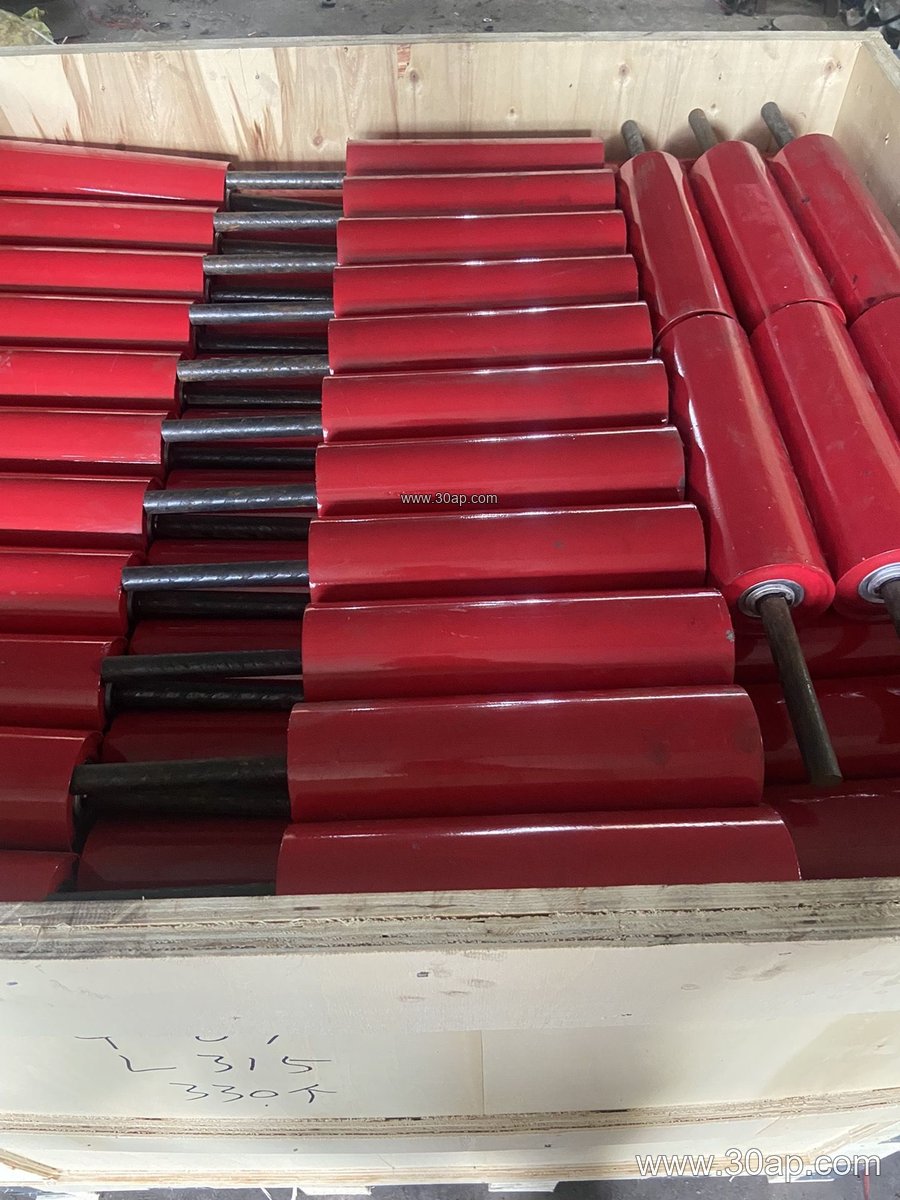
Where Idlers Are Used and What Changes in the Quote
In a sand and gravel plant, troughing idlers carry abrasive aggregate, so shell wear and seal quality dominate the specification. In a power plant coal handling system, flame retardant conveyor belt is often required, and the idler quotation may need to align with the same fire safety expectations for the whole conveyor line. A copper ore or iron ore operation may ask for heavier rollers and impact idlers at the loading point, while a port conveyor handling bulk material at high tonnage may prioritize low rolling resistance and easy replacement.
Return runs are quoted separately because flat return idlers, V-return idlers, and spiral return idlers serve different cleaning and tracking needs. Self-aligning types, including friction and tapered designs, are quoted when belt misalignment is a known issue. Each of these is a distinct idler subtype, and a quotation should not substitute one for another without the buyer’s agreement.
What a Buyer Should Check Before Accepting
- Confirm the roller diameter, shell thickness, and bearing reference for each line item.
- Check that the belt width and trough angle match the actual conveyor, not just the nearest catalog size.
- Ask how the sealing system handles dust and moisture in the specific plant environment.
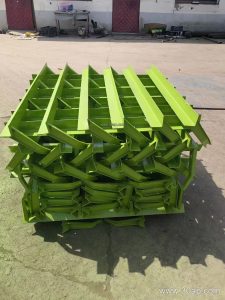
- Verify whether frames, brackets, and mounting hardware are included.
- Request the roller length for side and center rollers separately when three-roller sets are quoted.
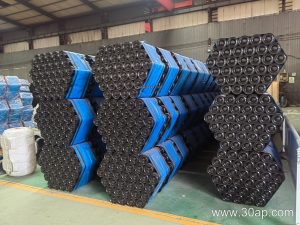
- Clarify delivery scope, packing, and documentation without assuming certifications that are not stated.
For buyers sourcing through a website such as www.beltconveyoridler.com, it helps to send the conveyor drawing, belt width, trough angle, and expected duty so the idler quotation can be prepared against real operating conditions rather than a generic list.