What an Anti-Impact Idler Does
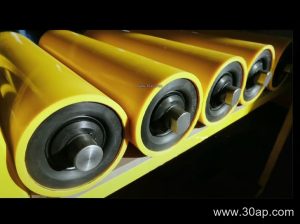
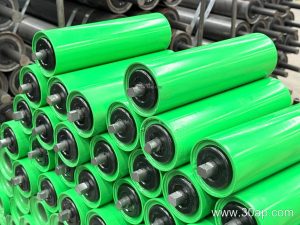
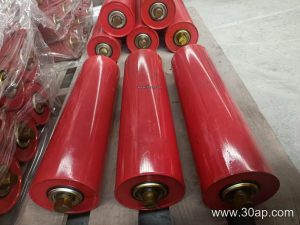
An anti-impact idler is a heavy-duty roller installed at conveyor loading and transfer points where bulk material drops onto the belt. Also called an impact idler or buffer idler, it absorbs the shock of falling rock, ore, or aggregate so the conveyor belt and frame are not damaged. In a quarry, coal mine, cement plant, or power plant coal yard, this small component often determines how long the belt survives.
Construction and Key Features
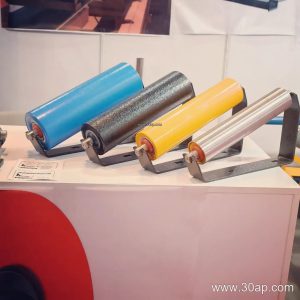
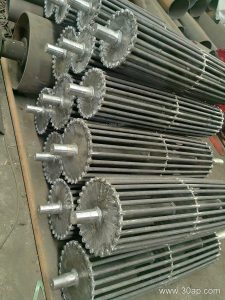
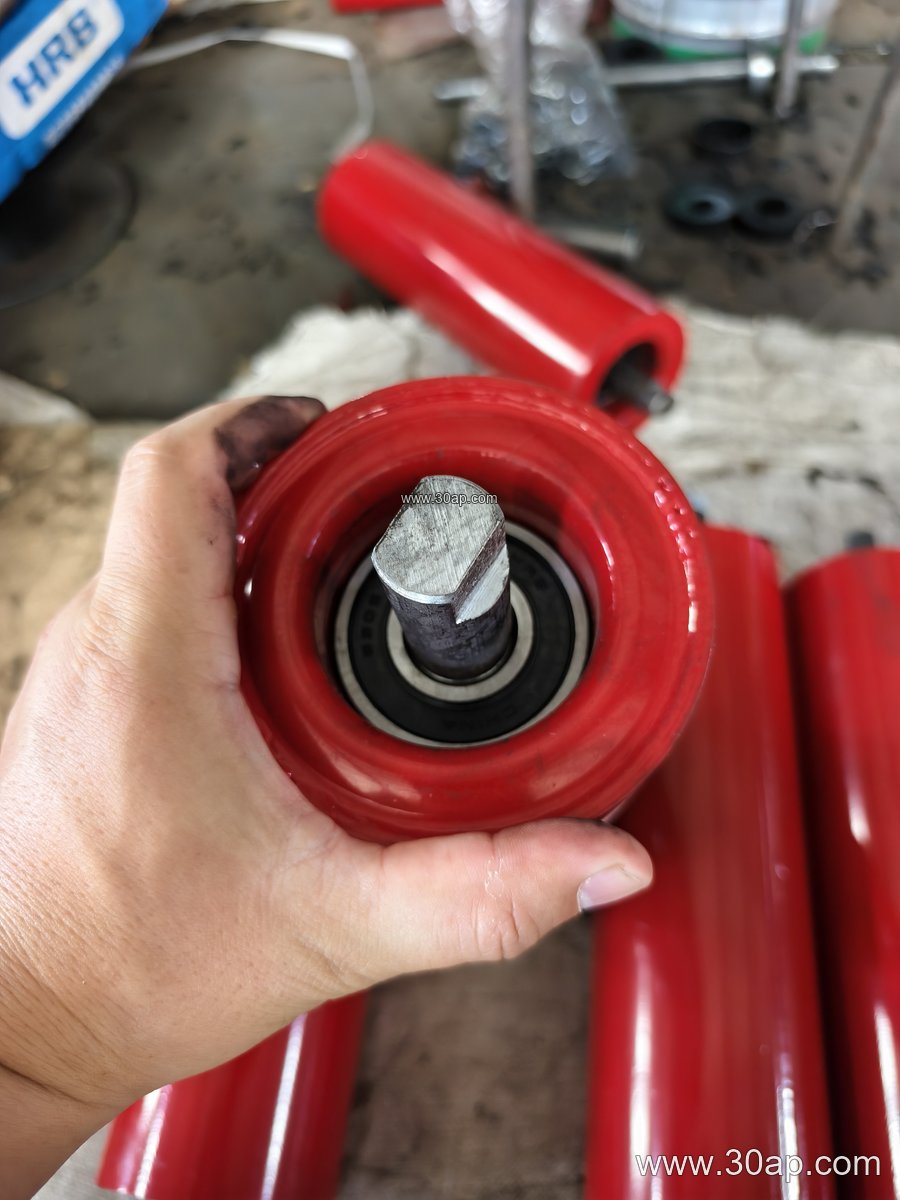
The impact idler differs from a standard carrying idler mainly in its roller surface and bearing protection. Common designs use rubber rings or rubber discs mounted on a steel tube, sometimes with a reinforced shell. The rubber absorbs kinetic energy and reduces point loading from large lumps. Many units also feature labyrinth seals and heavy-duty bearings to keep dust out. Roller diameters commonly range from Ø89 to Ø159 mm, with Ø127 and Ø133 being frequent choices for medium to large conveyors. Bearing sizes such as 6205, 6305, or 6308 are matched to the load and shaft design.
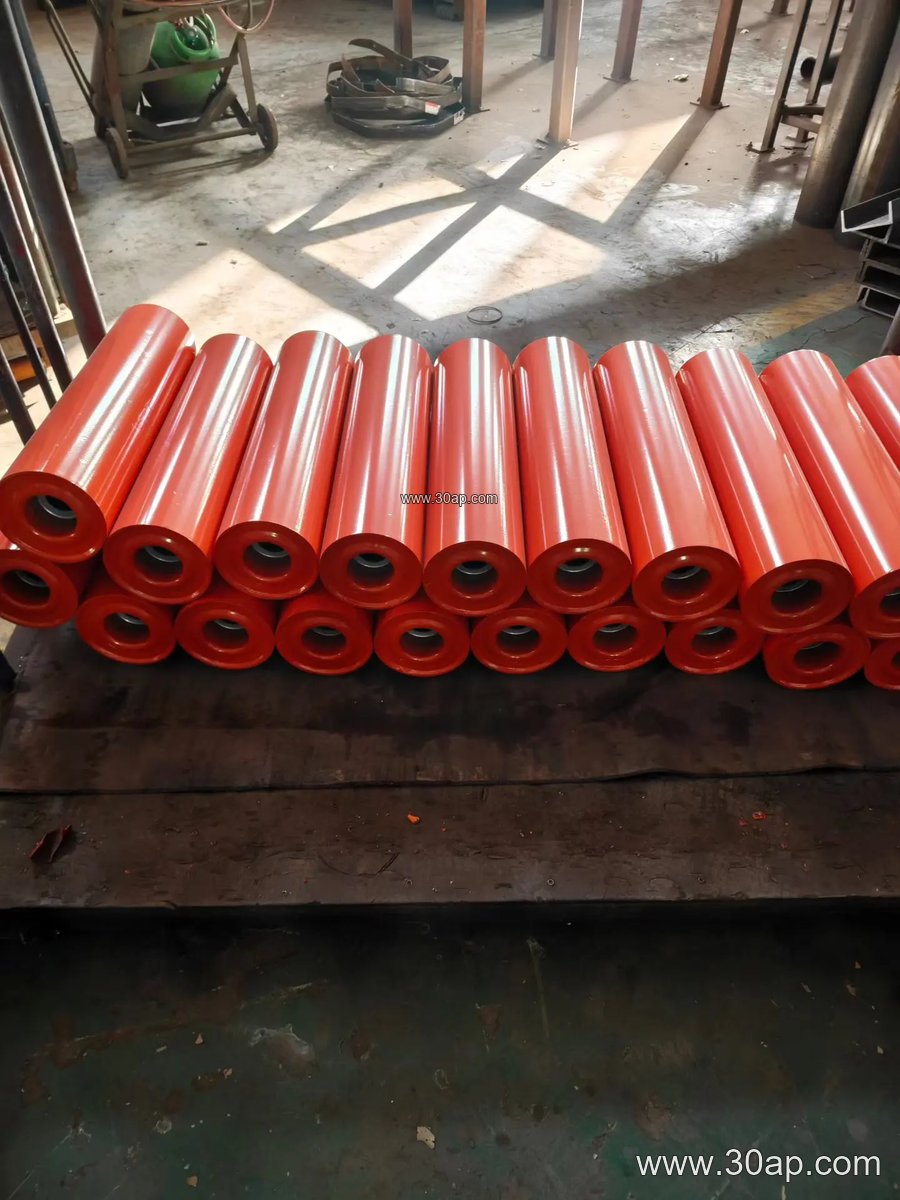
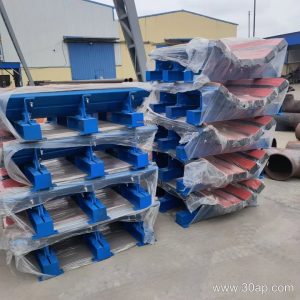
The idler frame may be a single roller, two-roll, or three-roll troughing set. Trough angles of 20°, 30°, 35°, or 45° are used depending on belt width and material. For impact service, a 35° or 45° trough is common because it centers the load and reduces spillage. Roll length follows belt width and trough geometry; for example, a three-roll set on B1000 may use a center roll around 380 mm, but side rolls can differ. These values are reference examples, not fixed rules.
Where It Is Used
Anti-impact idlers are essential in any conveyor that receives material from a crusher, screen, or chute. Typical locations include:
- Primary and secondary crushing stations in limestone and iron ore mines
- Coal handling systems at power plants and wash plants
- Aggregate transfer points in sand and gravel operations
- Cement plant clinker and raw material loading zones
- Port ship loaders and stacker-reclaimers
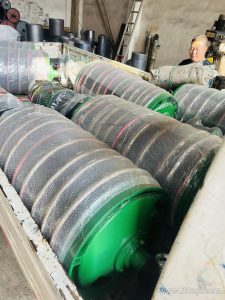
In these areas, a standard idler may dent or seize within weeks. The impact idler’s rubber surface spreads the force and protects the belt cover. It works alongside the conveyor belt, conveyor pulley, and conveyor bracket to maintain structural integrity.
Selection and Maintenance Notes
Buyers should consider material lump size, drop height, belt width, and belt speed. For heavy lump sizes, a larger roller diameter and thicker rubber rings are preferred. The idler must also match the conveyor’s trough angle and frame mounting dimensions. When replacing, check that the bearing type and seal design suit the environment—dusty, wet, or corrosive. In coal mines, flame retardant and anti-static properties may be required for the belt, but the idler itself should be selected for mechanical strength and corrosion resistance.
Regular inspection of rubber ring wear, bearing play, and roller rotation helps prevent belt damage. A worn impact idler can cause belt tracking problems and accelerate wear on the conveyor pulley and belt edges.
Related Conveyor Components
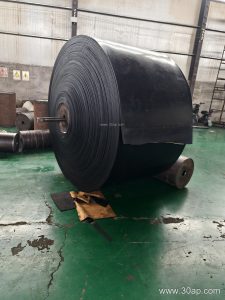
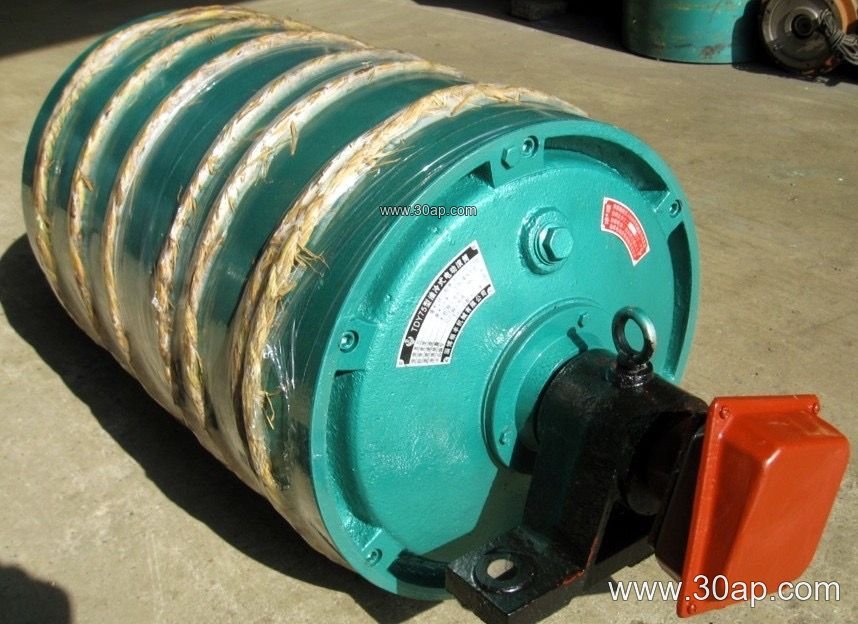
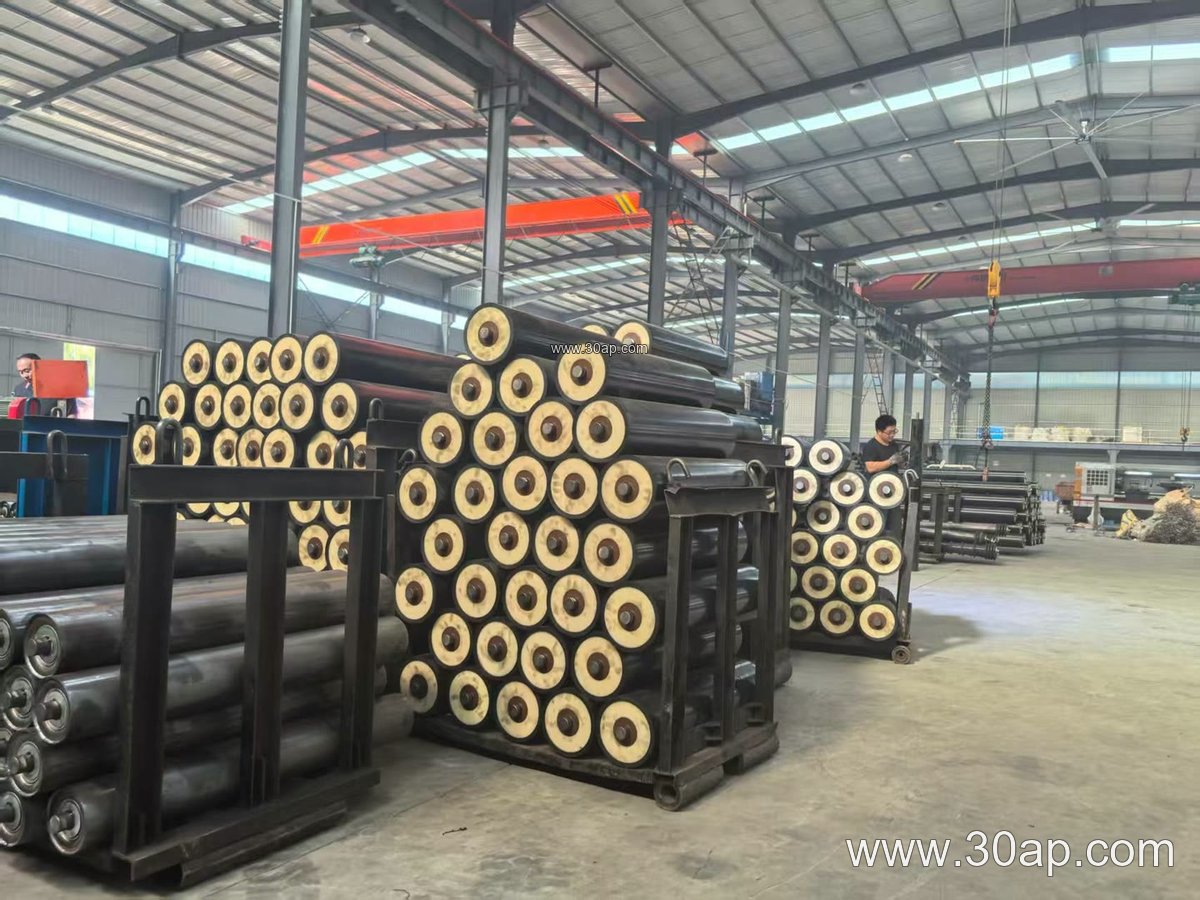
An impact idler does not work alone. It is part of a system that may include a rubber conveyor belt or EP conveyor belt for general service, a steel cord conveyor belt for high tension, and a heat resistant conveyor belt near hot material. In mining, a flame retardant conveyor belt is often mandatory. The conveyor pulley and conveyor bracket must be compatible with the idler frame. For wider belts, a 1200mm wide conveyor belt or 1500mm wide conveyor belt may use multiple impact idlers in a row to cover the loading zone. Always consult the conveyor design for the correct number and spacing of impact idlers.
For more information on conveyor components, visit conveyor idler and conveyor belt resources. Our domain also covers conveyor pulley and conveyor bracket selections.