What the PVG800S Belt Is
The PVG800S Conveyor Belt is a solid-woven, PVC/NBR-blended rubber conveyor belt built for underground coal haulage and other demanding bulk material duties. The “PVG” family is the well-known solid woven construction in which the carcass is a single, densely woven fabric rather than several separate plies. The 800 refers to the belt’s tensile strength class, while the S suffix marks a grade intended for service conditions where flame resistance and anti-static behaviour matter. In everyday plant language, this same product is often called a PVG800S solid woven conveyor belt or a PVG800S underground coal mining conveyor belt, and those names all point to one and the same belt.
Because the carcass is a solid woven fabric impregnated and coated with PVC and NBR blends, the belt combines good longitudinal strength with strong resistance to cutting, impact and moisture. That construction is why the PVG800S Conveyor Belt is frequently chosen where a fabric-core belt with multiple plies would be too thick or too vulnerable to edge damage.
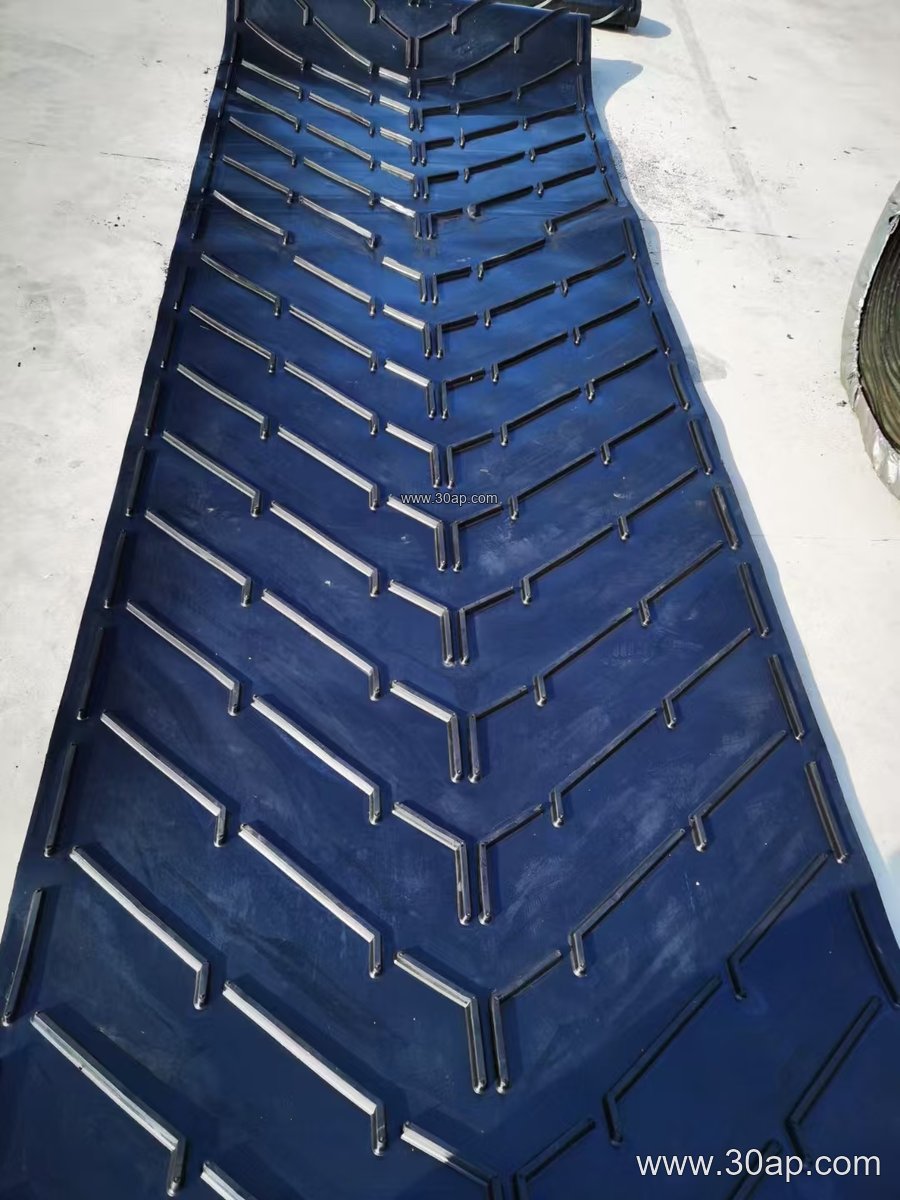
Construction and Surface Options
The core of the belt is a tightly woven fabric that is dipped and impregnated, then covered with top and bottom rubber covers. Cover thickness is usually selected according to the material being carried and the abrasion level on the line; common cover combinations sit in the 3+1.5 mm to 8+3 mm range, and thicker covers are used where coarse rock or sharp aggregate is present. Buyers can also specify a chevron or patterned top cover when the incline angle makes a smooth surface unsuitable, though the standard PVG800S belt is normally supplied with a plain cover.
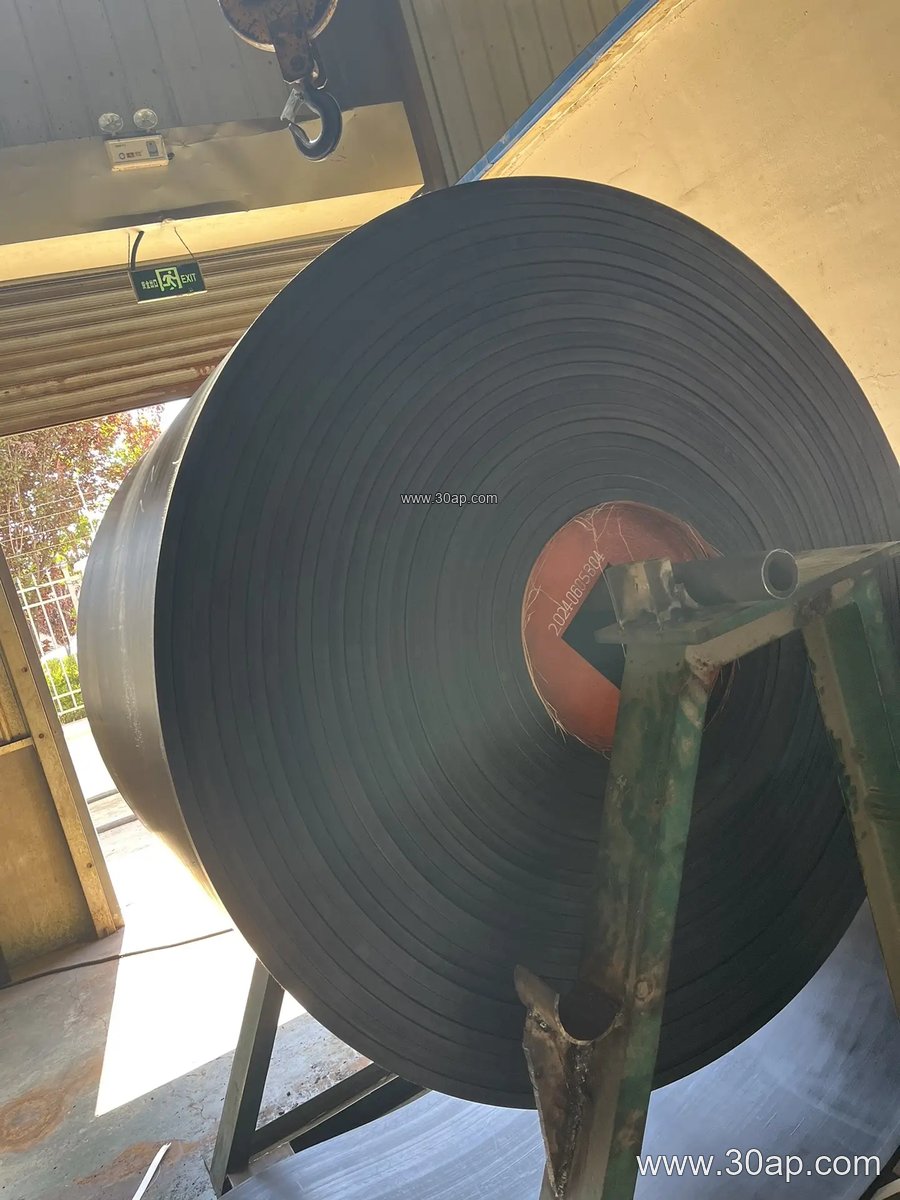
For buyers comparing options, a flame retardant conveyor belt grade such as PVG800S is not the same as a steel cord conveyor belt or an EP conveyor belt. Each has its own carcass logic and its own place in a plant. The PVG800S Conveyor Belt earns its place in underground work because the solid woven body resists tearing and does not delaminate the way multi-ply structures can when they are cut or scuffed.
Where It Fits on the Line
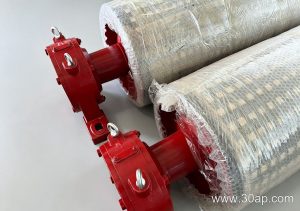
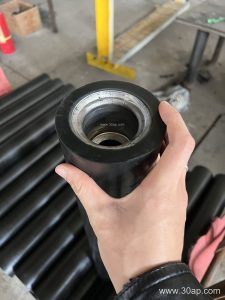
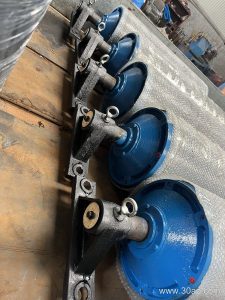
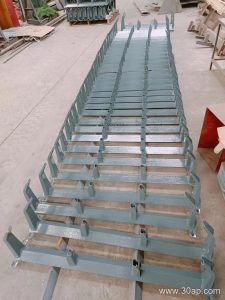
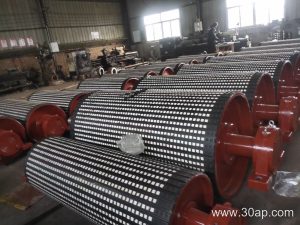
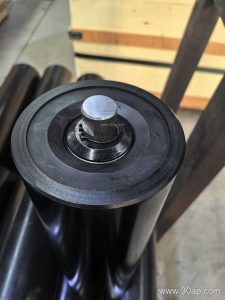
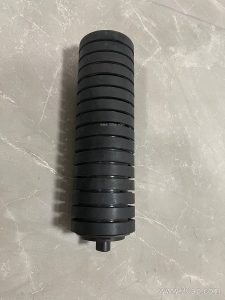
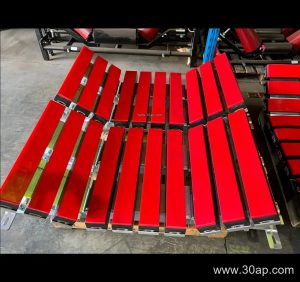
This belt is at home in coal mining, underground mining, and coal handling systems, and it also appears in cement plants, power plants and quarry operations where flame resistance is requested. It runs over conveyor pulleys at the head, tail and bend positions, and it is supported by idler rollers spaced along the carrying and return sides. The conveyor bracket and frame layout should be checked together with the belt width, since a belt that is too wide or too narrow for the structure will track poorly no matter how good the covers are.
Common belt widths for this class of product include 650 mm, 800 mm, 1000 mm and 1200 mm, with wider options available for high-capacity trunk conveyors. Width is selected from the tonnage and lump size, not from a single fixed rule; a 1000 mm belt may run on several different pulley diameters depending on the drive design. For related equipment and belt options, see www.example.com/conveyor-belt and www.example.com/idler-roller.
Specification Reference
The figures below are typical reference values, not a guaranteed supply list. Actual cover thickness, width and strength class are confirmed per order and per design.
| Parameter | Typical Reference |
|---|---|
| Belt type | PVG800S solid woven, PVC/NBR blend |
| Strength class | 800 (PVG800 series) |
| Common widths | 650 mm, 800 mm, 1000 mm, 1200 mm |
| Cover combinations | 3+1.5 mm, 4+2 mm, 5+2 mm, 6+2 mm, 8+3 mm |
| Surface form | Plain, or chevron/patterned on request |
| Service temperature | Generally within the range advised by the maker |
Buyer Checklist
- Confirm the required flame retardant and anti-static grade for the mine or plant, and ask for the test documents that apply.
- Match cover thickness to the abrasion and impact of the load; a high abrasion resistant conveyor belt cover lasts longer on crusher discharge lines.
- Check pulley diameters at the drive, tail and bend positions with the belt supplier, because belt thickness and carcass stiffness affect how each pulley should be sized.
- Review splice method and edge condition, since solid woven belts are often joined with stepped or finger splices in the field.
- Keep idler roller alignment and spacing within the maker’s recommendations to reduce edge wear and mistracking.
Where the duty is hot clinker or oil-soaked scrap, a heat resistant conveyor belt or oil resistant conveyor belt grade may be the better fit. For straight coal clearance work, the PVG800S Conveyor Belt remains a practical, well-proven choice. For belt and roller sourcing, visit www.example.com/conveyor-pulley.