What the ST1600 Conveyor Belt Is
The ST1600 Conveyor Belt is a steel cord conveyor belt with a nominal tensile strength of 1600 N/mm. It belongs to the steel cord family of heavy-duty belts, where the load-bearing skeleton is made of parallel steel wires instead of woven fabric plies. In a long overland system, a primary crusher discharge, or a main haulage line, this belt class is often chosen when the duty is too severe for a fabric core construction. Buyers searching for a high strength conveyor belt for a mine or a large quarry will usually meet this designation early in the selection process.
Because the cords carry the tension, the ST1600 grade can span long centre distances with fewer transfer points. It is not a substitute for a fabric belt in every case, but where tonnage and distance are high, the steel cord design is the practical route.
Construction and Cord Layout
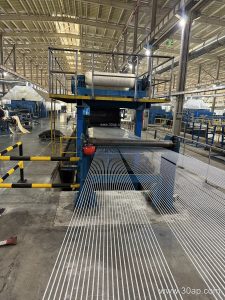
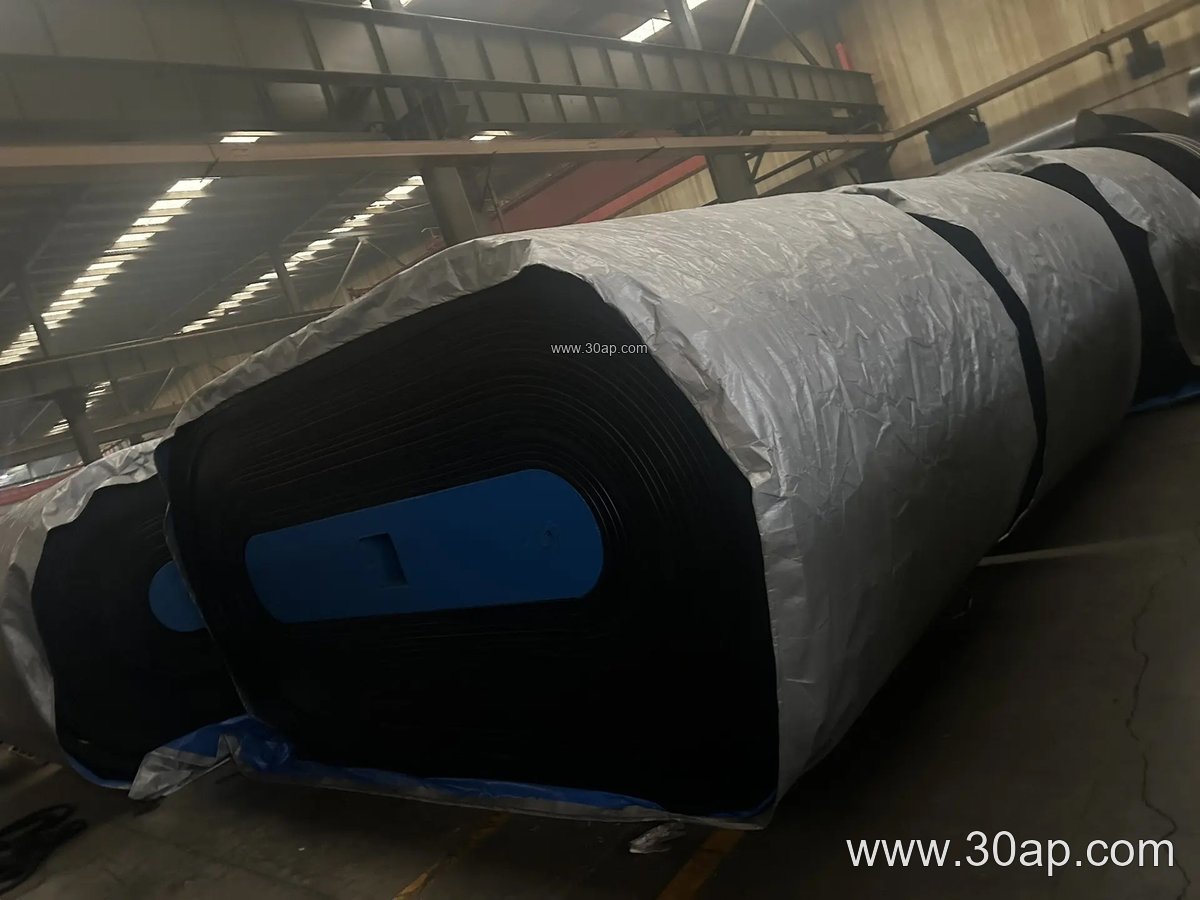
The belt is built around a single layer of high-carbon steel cords, laid parallel and spaced evenly across the width. Rubber compounds fill the spaces between the cords and bond the core to the top and bottom covers. The cover grade is selected for the material being carried, so the same ST1600 Conveyor Belt body may be supplied with abrasion resistant, heat resistant, flame retardant, or oil resistant covers.
- Steel cord layer as the tension member
- Adhesion and cushion rubber between and around the cords
- Top cover and bottom cover in the required grade
- Optional breaker fabric under the top cover for impact protection
Cover thickness is usually stated as a pair, for example 6+2 mm or 8+3 mm, meaning top cover plus bottom cover. The correct combination depends on lump size, drop height, and the abrasiveness of the load. A belt with a thin cover on a primary crusher discharge will wear out long before the cords are stressed.
Typical Specifications
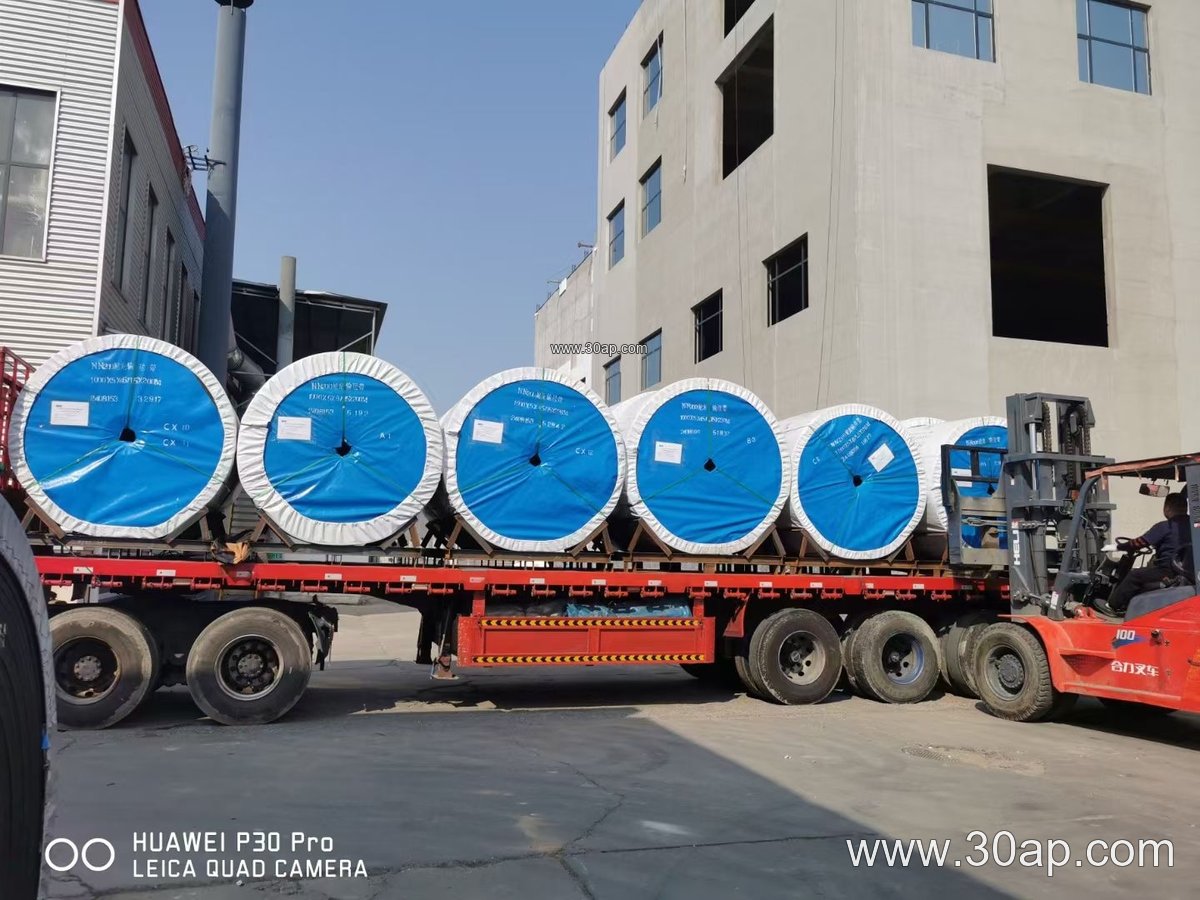
The table below shows common reference values for this belt class. Actual figures are confirmed by the manufacturer for each order, and they are not a fixed supply promise.
| Parameter | Common Reference |
|---|---|
| Nominal strength | ST1600 (1600 N/mm) |
| Belt width | B800, B1000, B1200, B1400, B1600, B1800, B2000 |
| Cover thickness | 4+2, 5+2, 6+2, 8+3 mm |
| Cover grade | Abrasion resistant, heat resistant, flame retardant, oil resistant, cold resistant |
| Belt construction | Steel cord, single cord layer |
Width and strength are matched to the conveyor design, not to each other in a fixed way. A 1200 mm wide ST1600 belt and a 1600 mm wide ST1600 belt can both be correct on different conveyors, depending on capacity, troughing angle, and the pulley and idler roller arrangement selected by the conveyor designer.
Where It Fits in the Plant
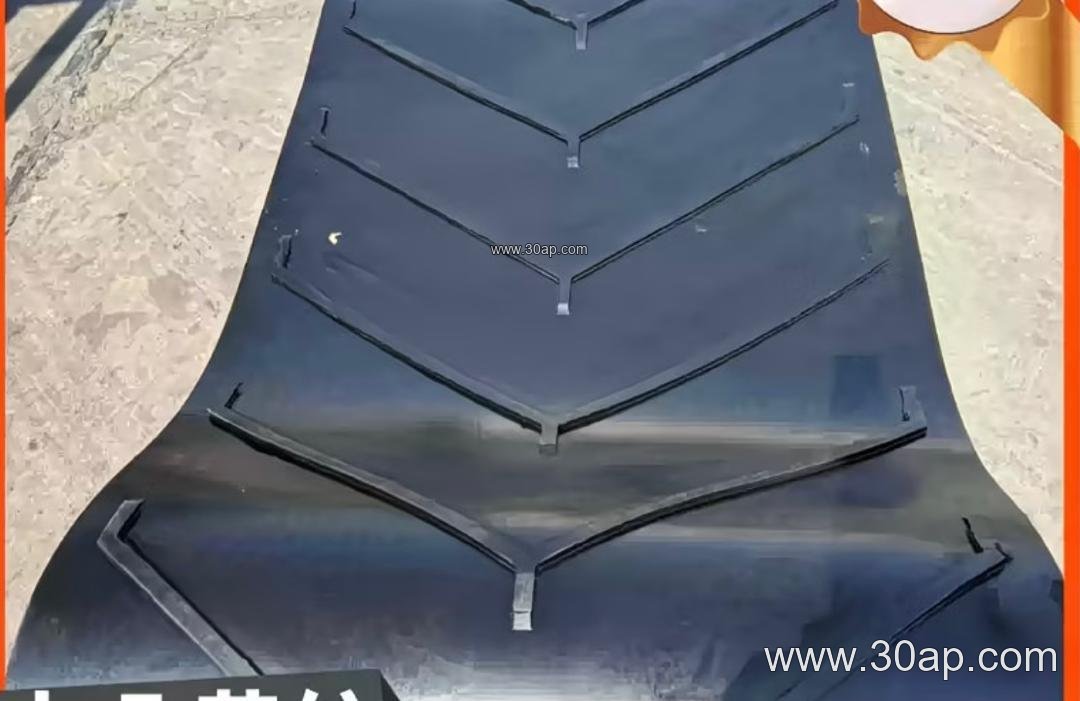
Steel cord belts of this strength are common in mines, coal preparation plants, cement works, power stations, and large sand and gravel operations. They suit main line conveying after primary crushing, stockyard feed lines, and long inclined routes. In a cement plant they may carry clinker or limestone; in a coal mining conveyor system they move raw coal from the shaft or pit to the preparation stage; in a port or ship loading line they handle ore and aggregate at high rates.
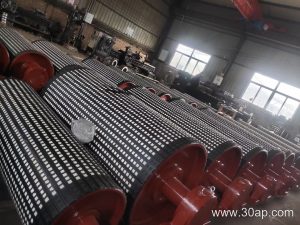
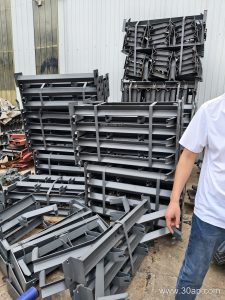
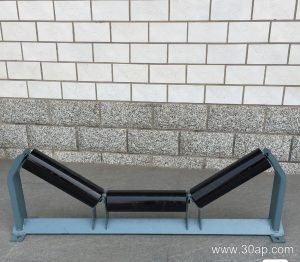
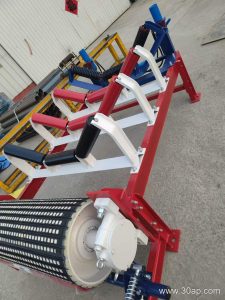
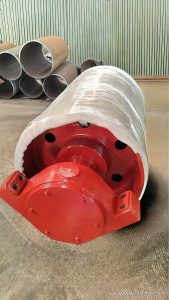
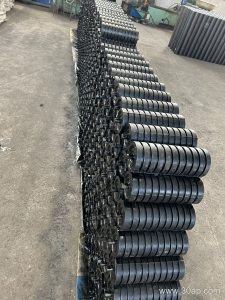
The belt works together with the rest of the conveyor: the drive pulley transmits power, the tail pulley sets the return point, bend pulleys route the belt through the take-up, and idler rollers support both the carrying and return strands. Conveyor brackets hold the idlers and pulleys in alignment. A well-built ST1600 belt on a poorly aligned frame will still track badly, so mechanical condition matters as much as belt grade.
Selection Points for Buyers
Before ordering, confirm the calculated maximum tension, the belt width, the troughing angle, the pulley diameters, and the material characteristics. State the cover grade clearly, since an abrasion resistant belt and a heat resistant belt are different products even when the cord strength is the same. For underground coal work, flame retardant and anti-static properties are usually required; for a quarry conveyor carrying sharp rock, high abrasion resistance and a thicker top cover are the priority.
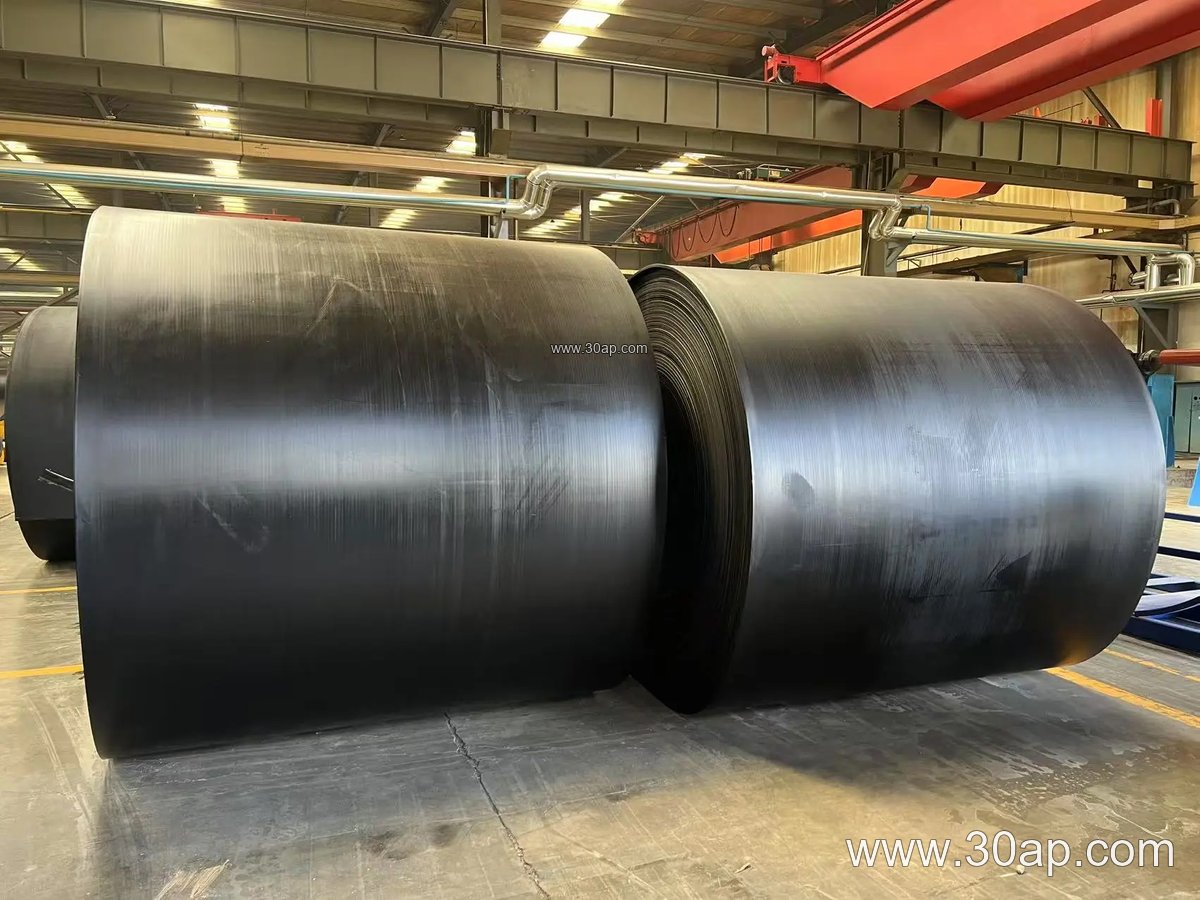
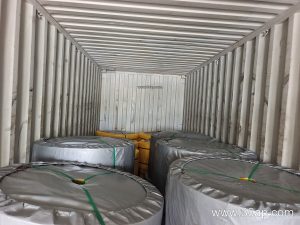
Also confirm splice method and whether an endless conveyor belt is required on site. Steel cord belts are normally spliced with hot vulcanisation, and the splice is a critical part of the system. Spare length, edge condition, and storage practice all affect service life.
Maintenance Notes
Inspect the belt regularly for cover wear, edge damage, cord exposure, and splice condition. Check idler roller rotation and pulley lagging, because a seized idler can damage the cover quickly. Keep the belt reasonably centred; misalignment concentrates load on one edge and shortens life. Record cover thickness at fixed points so wear trends can be compared over time.
For more information on steel cord and fabric belt options, visit www.example.com/conveyor-belt or www.example.com/steel-cord-conveyor-belt. Related equipment such as the conveyor pulley, idler roller, and conveyor bracket should be reviewed together with the belt specification.