What a 600mm Conveyor Belt Is
A 600mm conveyor belt is a belt with a nominal width of 600 millimeters, a size that sits in the light-to-medium range of industrial belting. It is narrow enough to fit compact conveyor frames and mobile crushing spreads, yet wide enough to carry a steady stream of crushed stone, clinker, sand, coal or grain. Because the belt width is a system dimension rather than a product type, a 600mm belt can be supplied as an EP conveyor belt, an NN conveyor belt, a steel cord conveyor belt or a PVC/PVG belt, depending on the duty and the environment.
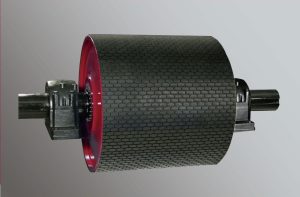
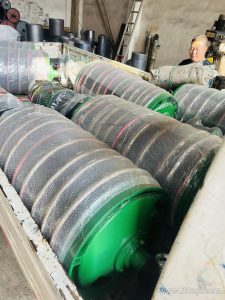
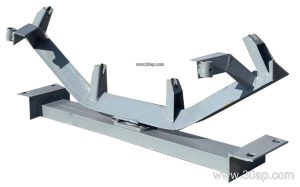
The width must match the conveyor structure: the drive pulley, tail pulley and bend pulleys, the idler roller sets and the conveyor brackets are all sized around it. The belt does not dictate a single pulley diameter; trough angle, load, belt thickness and tension determine the pulley and shaft sizes during engineering.
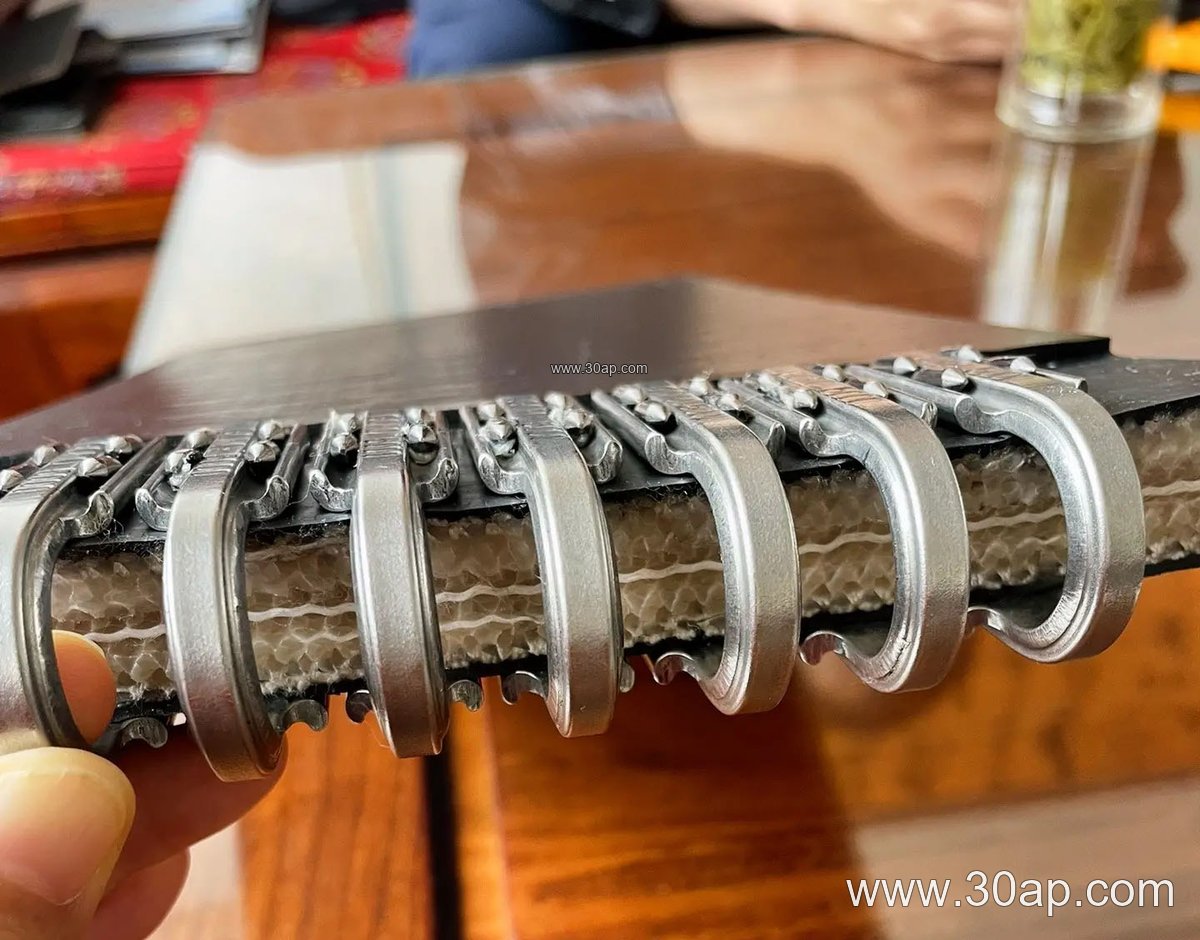
Construction and Cover Compounds
A typical 600mm belt has a fabric or steel carcass protected by top and bottom rubber covers. For most quarry and cement work, a multi-ply fabric core belt is common because it resists impact and tracks well on short to medium centers. Common cover combinations include 3+1.5 mm, 4+2 mm, 5+2 mm and 6+2 mm, with carcass plies usually ranging from 2 to 6 layers. Heavier covers suit sharp, abrasive rock; thinner covers suit sand and fine aggregate.
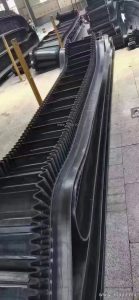
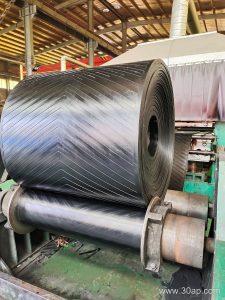
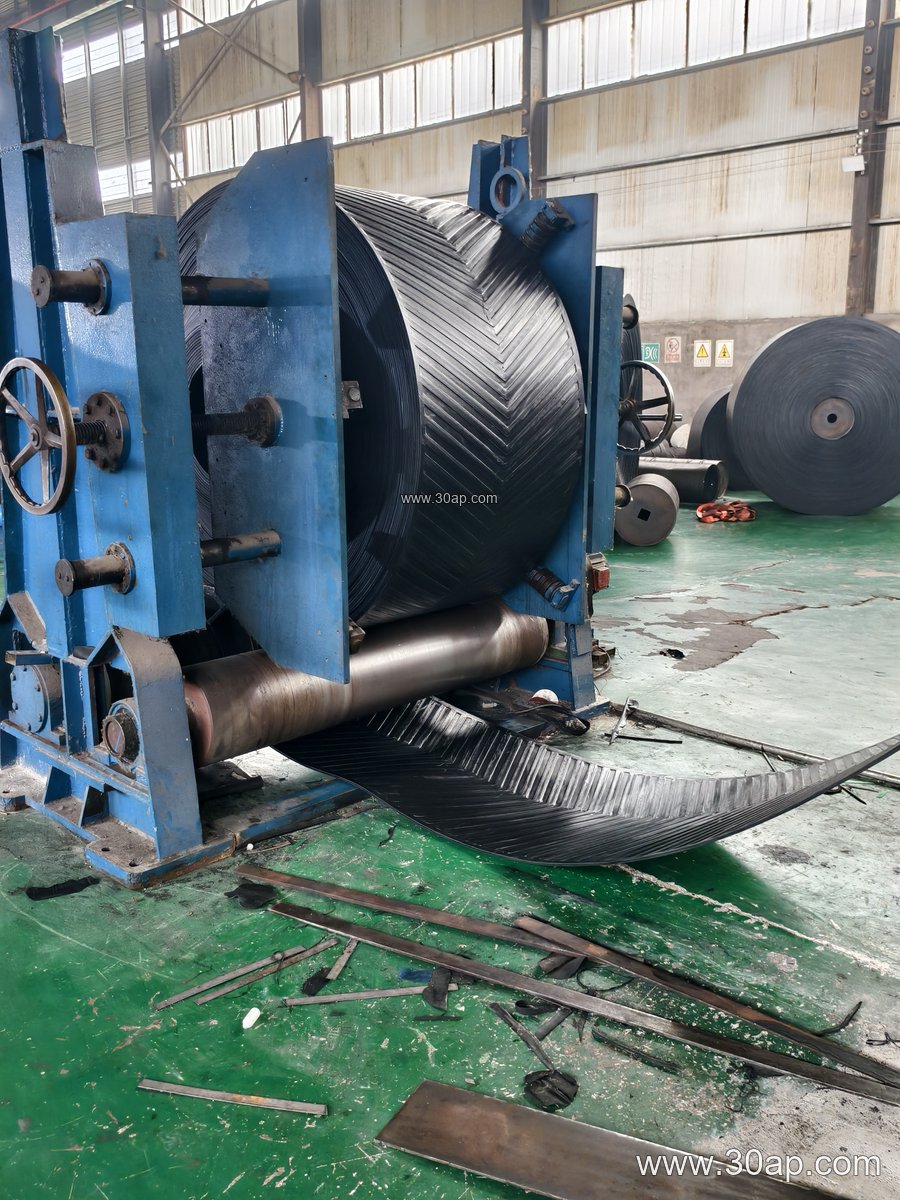
Special compounds extend service life in difficult conditions. A heat resistant conveyor belt handles cement clinker and sinter; an oil resistant conveyor belt suits recycled material and oily scrap; a flame retardant conveyor belt and anti-static belt are usual choices for coal mining conveyor belts and underground coal mining conveyor belts. In cold climates a cold resistant belt keeps flexibility, and a chevron conveyor belt or corrugated sidewall belt helps on inclines where material would otherwise slide back.
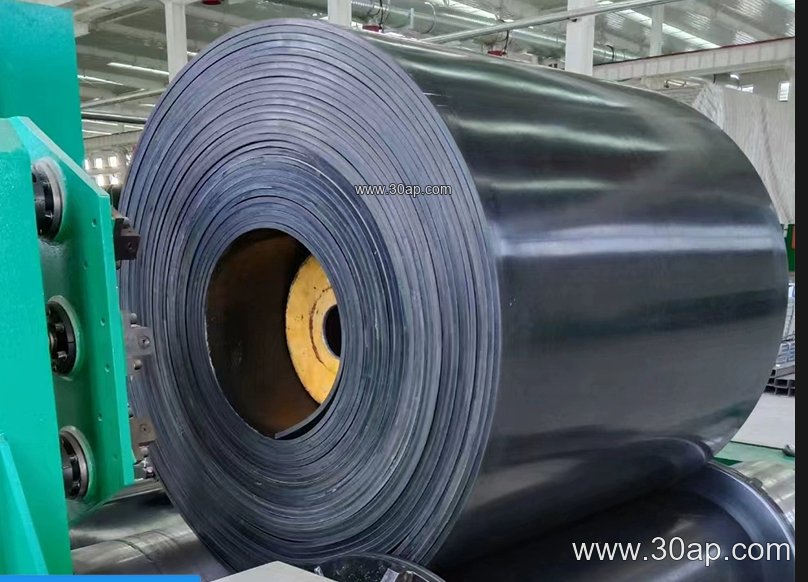
Common Strength Grades and Dimensions
The table below lists reference values that buyers often see in catalogs. Treat them as a starting point for discussion, not as fixed combinations offered by every manufacturer.
- Width: 600 mm (B600) nominal; also available in 500mm, 650mm, 800mm and wider sizes for other lines
- Fabric grades: EP200, EP315, EP400, EP500, EP630, EP800, EP1000, EP1250
- Nylon grades: NN100, NN200, NN300, NN400
- Steel cord grades: ST1000, ST1250, ST1600, ST2000
- Cover thickness: 3+1.5 mm, 4+2 mm, 5+2 mm, 6+2 mm, 8+3 mm
- Carcass: 2 to 6 plies for fabric core; single steel cord layer for ST belts
For a 600mm conveyor belt, EP400 to EP800 with a 4+2 mm or 5+2 mm cover is a common working range in stone crushing and cement plants, while EP1000 and above or ST grades are chosen when the belt is long or the lift is high. A pipe conveyor belt, endless conveyor belt or food grade belt may also be produced at this width for specialized duties.
Where the 600mm Width Fits
This width appears across many industries. In a sand and gravel pit it often feeds a screen or transfers material between a crusher conveyor belt and a stockpile conveyor. In a cement plant it may carry limestone, gypsum or clinker on short runs. Power plants use it for coal and ash, steel plants for coke and ore, and ports for lighter ship loading lines. It is also found in recycling plants sorting mixed waste, and in fertilizer and chemical plants where an acid resistant or chemical resistant belt is needed.
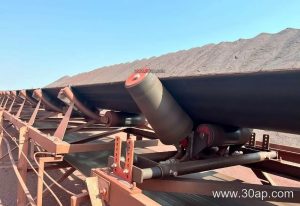
On a typical conveyor, the belt runs over idler rollers set in a trough, wraps the head or drive pulley, returns over the tail pulley, and is guided by bend pulleys on long or curved routes. The conveyor bracket and frame must be aligned so the 600mm belt does not mistrack.
Buyer Checklist
- Confirm material type, lump size, temperature and moisture; these decide whether you need abrasion resistant, heat resistant, fire resistant or oil resistant covers.
- State the center distance, lift, capacity and trough angle so the supplier can propose a grade and cover thickness.
- Check pulley diameters and shaft sizes with the conveyor designer; belt width alone does not fix them.
- Ask for the carcass ply count, cover thickness and total belt thickness in writing.
- For underground coal work, specify flame retardant and anti-static properties, such as PVG800S or PVG conveyor belt constructions, where relevant.
- Plan spare belt, splicing method and idler roller inspection intervals before installation.
Matching the 600mm conveyor belt to the pulley, idler roller and bracket set is as important as choosing the rubber compound. A belt that is correctly specified for width, grade and cover will run straighter, last longer and keep the line moving.