What a Conveyor Belt Support Frame Does on a Conveyor
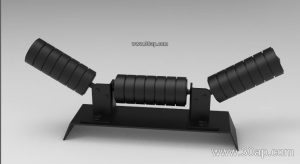
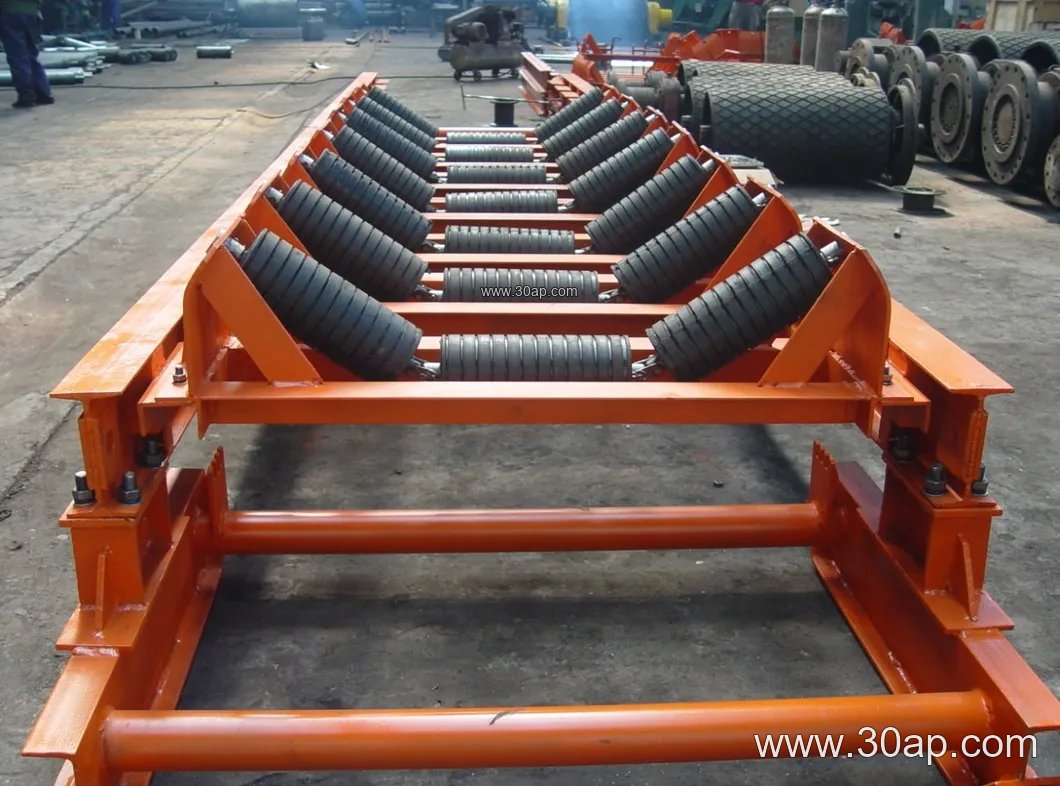
A conveyor belt support frame is the structural base that holds the idler roller in position along the carrying and return runs of a belt conveyor. It keeps the belt at the intended trough angle, spreads the load of bulk material across several rollers, and maintains alignment between the belt and the pulleys. In a quarry, sand and gravel line, or cement plant, the frame is usually the part that determines whether the belt runs centered or wanders against the structure.
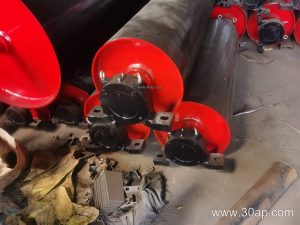
The support frame works together with the conveyor belt, the idler roller set, and the conveyor pulley. Drive, tail, and bend pulleys each have their own function and are not interchangeable with the frame or with each other; the frame simply carries the belt between those pulleys.
Construction and Common Configurations
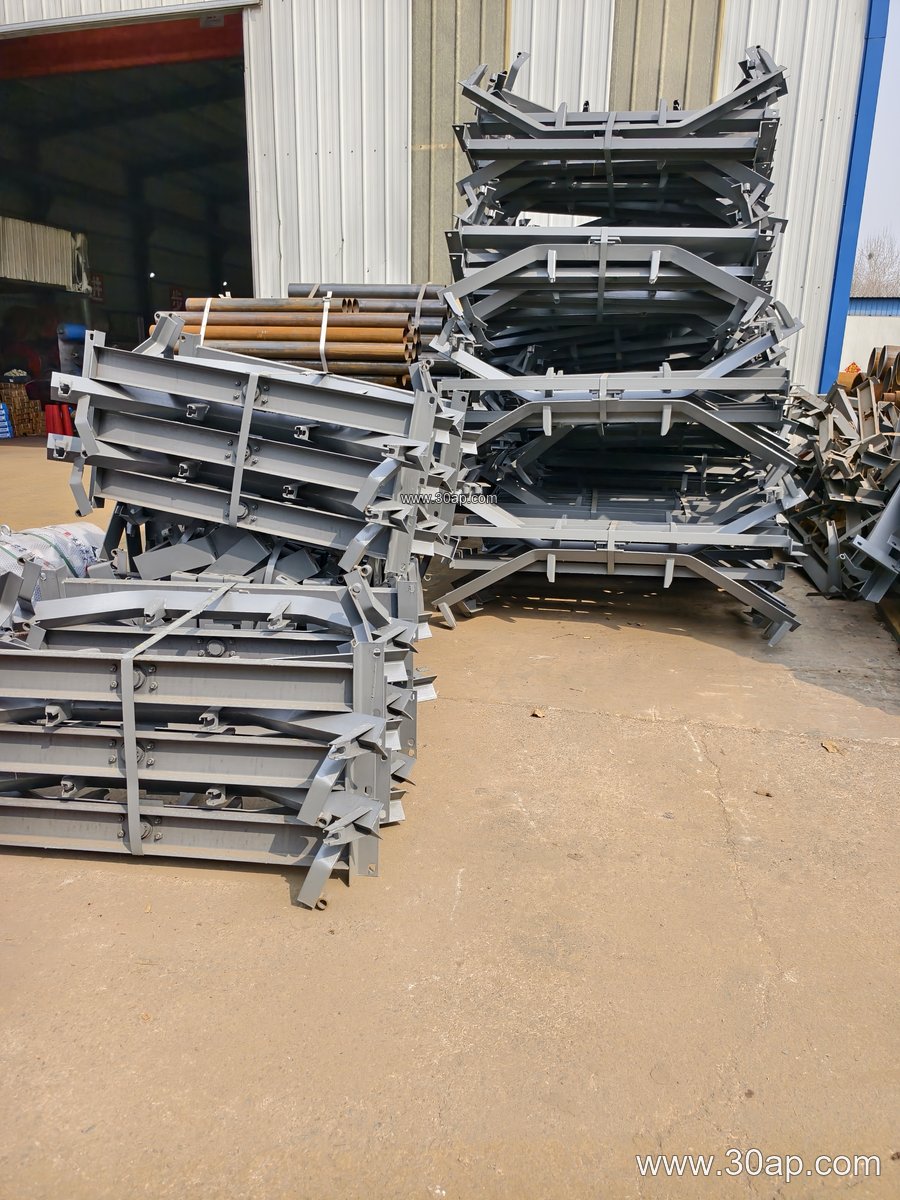
Most frames are fabricated from angle steel, channel steel, or folded steel plate. The crossbeam length and mounting hole spacing follow the belt width and trough angle, so they are confirmed by design rather than taken as a fixed figure. Common forms include:
- Troughing frame for the carrying side, holding three or more rollers at a set trough angle
- Transition frame near the loading and discharge points, where the belt changes shape
- Return frame with flat or V-shaped rollers under the belt
- Impact frame with cushion rollers below the feed point
- Self-aligning and forward-tilted frames for belt tracking
- Suspended and adjustable frames for lines where the trough angle may need correction
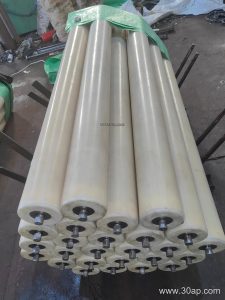
Trough angles are commonly 20, 30, 35, or 45 degrees, and adjustable versions can move between these settings. Forward tilt is typically about 1.5 to 2 degrees. Roller diameters such as Ø89, Ø108, Ø133, Ø159, and Ø194 are matched to belt width and load, not fixed one-to-one with any single belt size.
Matching Frame, Belt Width, and Roller Size
Belt widths from B500 to B2200 are used across different conveyor classes, and the frame must be ordered against the actual width and trough angle. The table below shows typical reference combinations; treat them as examples, not as mandatory pairings.
| Belt width | Trough angle | Roller diameter (example) | Typical duty |
|---|---|---|---|
| B500 | 20–30 degrees | Ø89 | Light aggregate, fertilizer, grain silo |
| B650 | 30 degrees | Ø89–Ø108 | Sand and gravel, mixing plant |
| B800 | 35 degrees | Ø108 | Crushing and screening, cement |
| B1000 | 35–45 degrees | Ø133 | Coal handling, power plant |
| B1200 | 45 degrees | Ø133–Ø159 | Iron ore, port loading |
| B1400–B1600 | 35–45 degrees | Ø159 | Heavy bulk material, steel plant |
| B1800–B2200 | 35–45 degrees | Ø194 | Large tonnage, long overland lines |
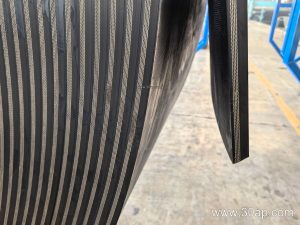
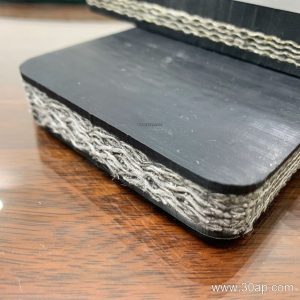
A wide, heavy-duty belt such as a steel cord conveyor belt or a thick abrasion resistant conveyor belt needs a frame with enough beam stiffness to resist deflection under load. Lighter fabric core belts, including EP conveyor belt and NN conveyor belt constructions, may suit a simpler frame, but the final choice still depends on the calculated load.
Where the Frame Fits in Different Industries
In a coal washing plant or power plant coal yard, flame retardant conveyor belt and anti-static conveyor belt are common, and the frame must be spaced to keep the belt supported without trapping fines. In a limestone quarry or aggregate line, dust and impact at the crusher discharge call for impact frames and sturdy troughing frames. In a cement plant, heat resistant conveyor belt may be used near clinker handling, and the frame should allow enough clearance for thermal expansion and easy roller replacement.
Food and fertilizer plants may use oil resistant conveyor belt or chemical resistant conveyor belt, while cold regions may choose cold resistant conveyor belt; in both cases the frame material and coating should suit the local environment. Portable and fixed lines both rely on the same basic support frame, but a suspended frame is often preferred where the structure cannot carry conventional feet.
Buyer Checklist Before Ordering
Confirm the belt width, trough angle, roller diameter, and the number of rollers per frame. State whether the frame is fixed or adjustable, and whether it is for the carrying, return, transition, or impact position. Check the mounting hole spacing, crossbeam length, and the height that matches the existing conveyor bracket and stringer. Ask how the frame is finished, since paint or galvanizing affects service life in wet or corrosive settings.
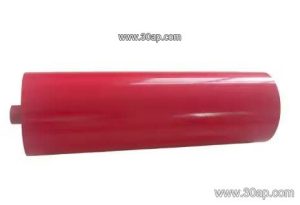
For a complete line, review the frame together with the conveyor belt, idler roller, conveyor pulley, and conveyor bracket so that dimensions agree at every joint. Spare frames and rollers ordered later should repeat the same reference data. For specification questions on belt and frame matching, the team at www.mornbelt.com can review belt width, load, and trough angle together. Related selections such as EP conveyor belt, flame retardant conveyor belt, and abrasion resistant conveyor belt are often reviewed at the same time, and www.mornbelt.com also lists frame and roller options. Keeping the support frame, roller, and belt data in one document reduces fitting problems during installation at www.mornbelt.com.