What the NN400 Conveyor Belt Is
The NN400 Conveyor Belt is a nylon-nylon fabric core conveyor belt with a nominal tensile strength of 400 N/mm per ply. Both the warp and weft yarns are nylon, which gives the carcass high strength, good fatigue resistance and strong adhesion between plies. Buyers often refer to it simply as an NN400 belt or a nylon conveyor belt. It sits in the middle-upper range of the NN series, above NN100, NN200 and NN300, and it is usually chosen when a plain EP Conveyor Belt would be stretched too close to its limit but a Steel Cord Conveyor Belt would be unnecessary or too stiff for the pulley layout.
Because the carcass is a Fabric Core Conveyor Belt rather than steel cord, NN400 remains relatively light and flexible. That flexibility helps it track well on smaller pulleys, tolerate lateral misalignment and resist the shock loads that occur at transfer points in a quarry or a cement plant.
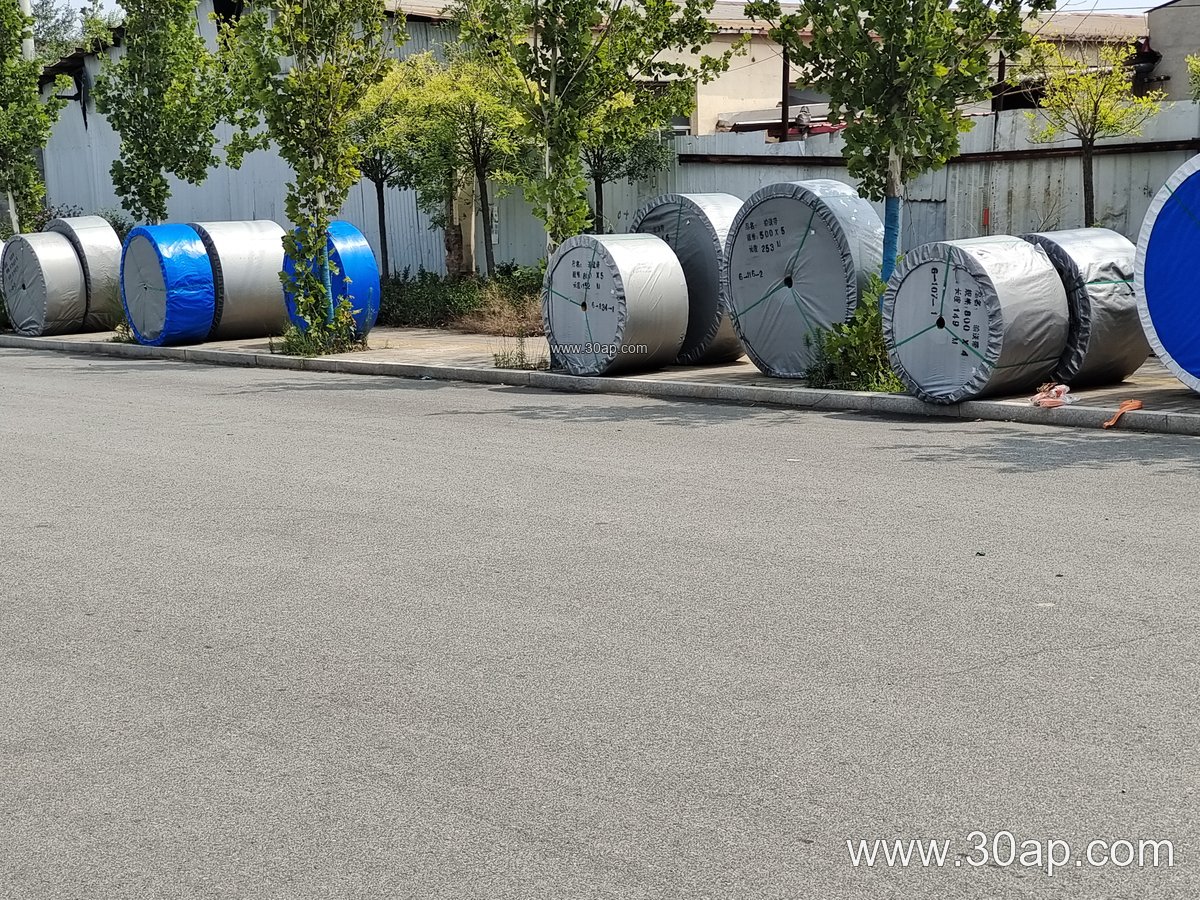
Construction and Typical Specifications
The belt is built from multiple nylon fabric plies bonded with rubber skim, then covered on both faces with abrasion resistant rubber. Cover grade, ply count and cover thickness are usually selected to match the duty, so the values below should be treated as common references rather than fixed universal data.
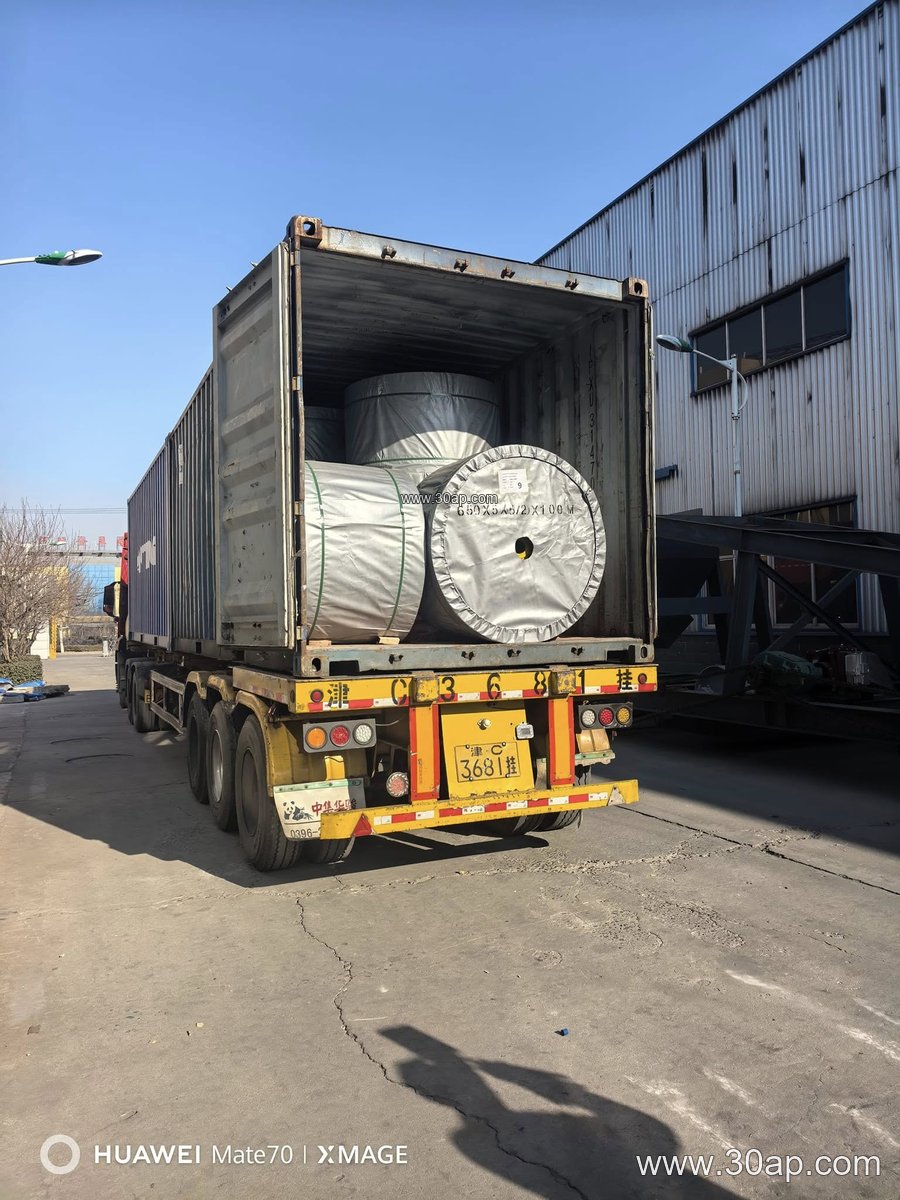
- Carcass: nylon-nylon fabric, typically 2 to 6 plies
- Nominal strength: NN400 (400 N/mm per ply)
- Common widths: B500, B650, B800, B1000, B1200, B1400, B1600
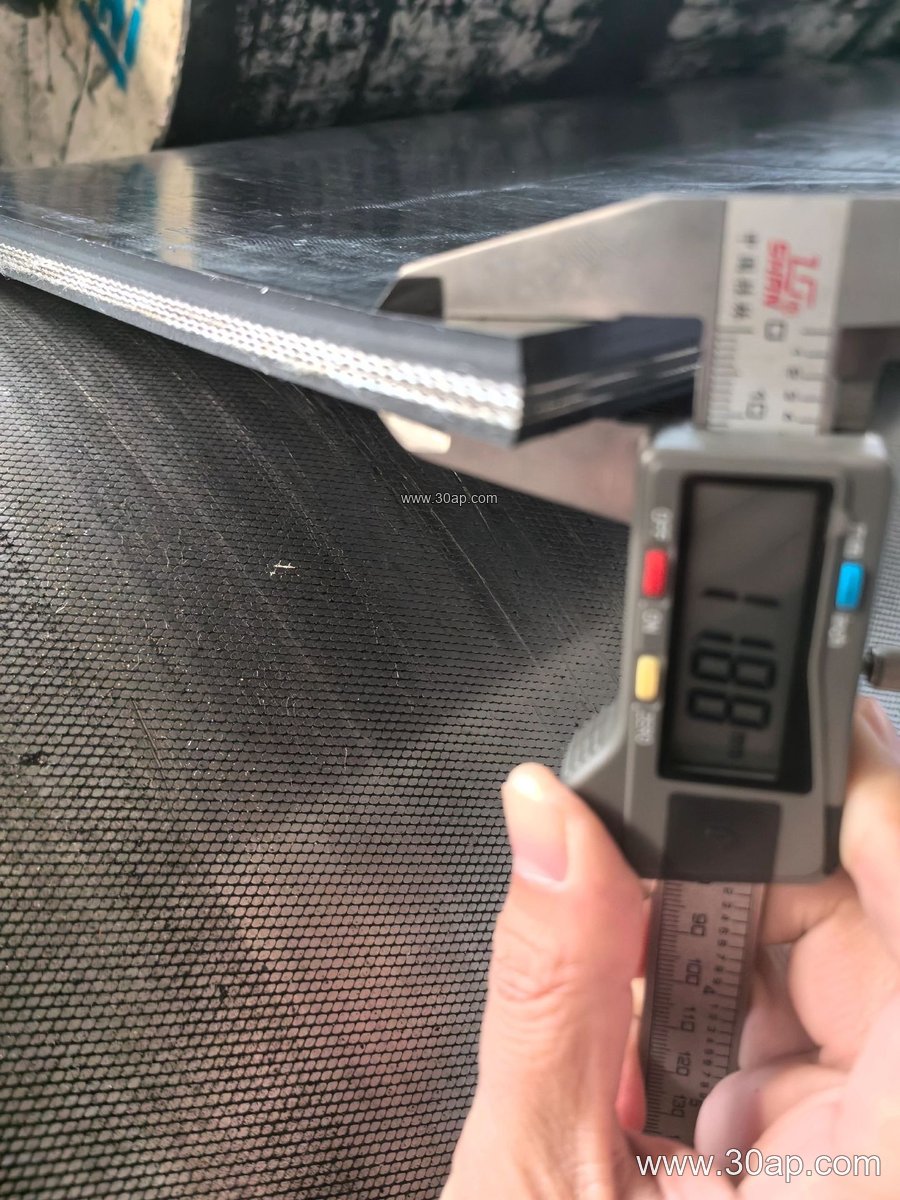
- Common cover thickness: 3+1.5 mm, 4+2 mm, 5+2 mm, 6+2 mm, 8+3 mm
- Available cover grades: abrasion resistant, heat resistant, oil resistant, flame retardant, anti-static, cold resistant
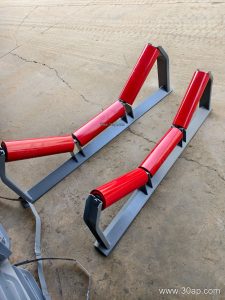
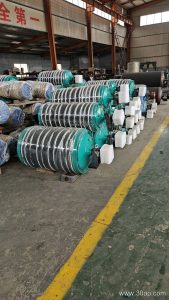
A wider belt does not automatically require a specific pulley diameter, and belt width alone does not determine shaft size. Pulley diameter is normally set by the number of plies, the belt thickness and the required wrap angle, while shaft size follows the calculated torque and the pulley design. A 1000mm or 1200mm wide NN400 belt on a long overland conveyor and the same belt on a short feeder in a sand making plant may run on very different pulley and idler roller arrangements.
Where It Fits in the Plant
NN400 is common in the mining industry, coal preparation, cement plants, power plants, steel works, ports and aggregate operations. It handles crushed rock, ore, clinker, limestone, coal and other bulk material at high tonnage. In a crusher conveyor line it absorbs impact at the loading point, and in a ship loading or stockyard system it carries material over long distances without the weight penalty of a steel cord carcass.
Cover compound choice matters as much as the carcass. A Heat Resistant Conveyor Belt grade is used for clinker and sinter, an Oil Resistant Conveyor Belt grade for oily scrap or coke, and a Flame Retardant Conveyor Belt or anti-static grade for underground coal mining conveyors. For a heavy-duty mining conveyor that also needs profile, a Chevron Conveyor Belt or Corrugated Sidewall Conveyor Belt design may be preferred, but those are separate constructions and do not replace the flat NN400 belt.
Buyer Checklist
Before ordering, confirm the actual operating tension with the conveyor designer, because NN400 is a per-ply rating and the number of plies changes the total belt strength. Check the minimum pulley diameters with the belt maker, especially for the drive pulley and tail pulley, and verify the take-up travel and splice method. Specify cover grade, cover thickness and any flame retardant or anti-static requirement in writing. Ask for the belt weight per square meter so the idler roller and conveyor bracket loads can be verified. For long runs, confirm whether an Endless Conveyor Belt is required or whether a mechanical or vulcanized splice will be made on site.
Storage and handling also affect service life. Roll the belt on a proper stand, avoid sharp bends, and keep it away from ozone sources and direct sunlight. During installation, align the conveyor pulley and idler roller frames before tensioning, since a nylon carcass will train quickly but will also memorize a bad set if it is run misaligned for long periods.