What a Mining Conveyor Pulley Does
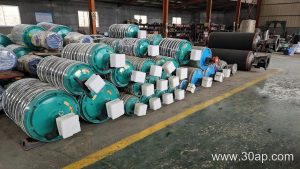
A mining conveyor pulley is the cylindrical component that drives, tensions, or redirects the conveyor belt in bulk material handling systems. In hard-rock mines, coal preparation plants, and aggregate operations, these pulleys transfer power from the drive unit to the belt and maintain proper belt tracking under heavy loads. Unlike an idler roller that simply supports the belt, a conveyor pulley carries the full tension and torque of the system, making its design and construction critical to conveyor reliability.
Construction and Surface Options
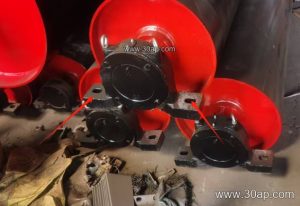
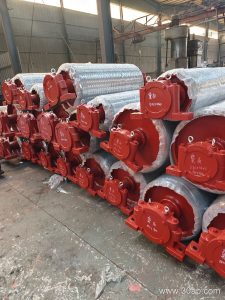
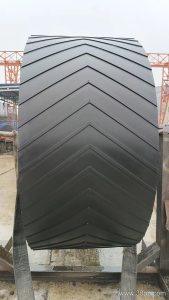
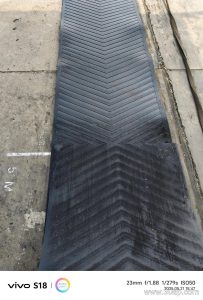
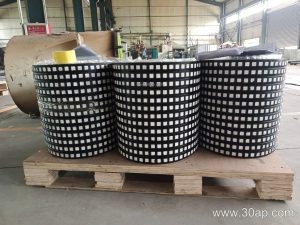
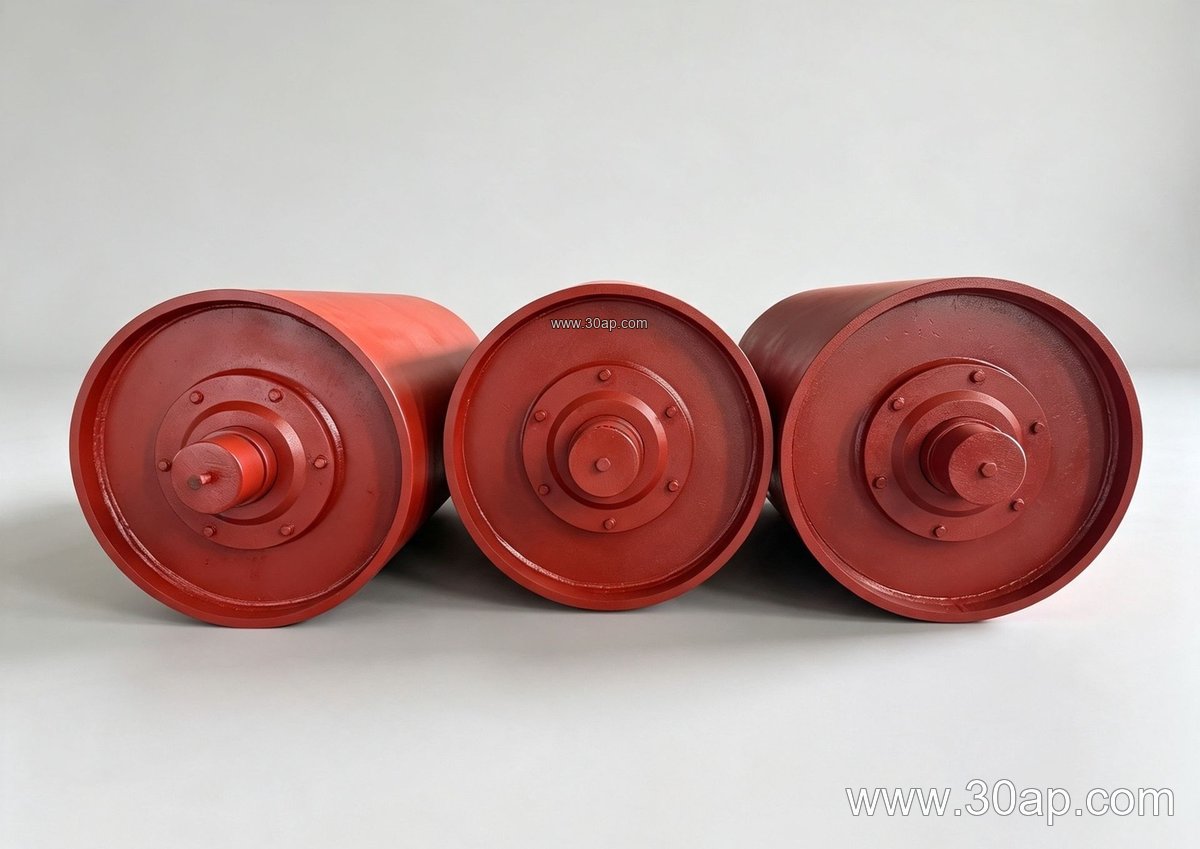
Most mining conveyor pulleys are built with a steel drum, welded end discs, and a shaft that transmits torque. The drum surface may be plain, or it may be covered with rubber, ceramic, or other materials to improve grip and reduce slip. Common surface forms include plain face, rubber lagging applied by cold bonding or hot vulcanization, diamond groove lagging, herringbone lagging, and ceramic lagging. Lagging thickness often ranges from 8 mm to 20 mm depending on the application and belt tension. The pulley face width is usually slightly wider than the belt to accommodate misalignment; for example, a B1200 belt might use a pulley face around 1400 mm, but this is a reference and not a fixed rule.
Where Mining Conveyor Pulleys Are Used
These pulleys appear in a variety of bulk handling environments. In a copper mine, a heavy-duty mining conveyor pulley at the head end drives an ore conveyor belt carrying crushed rock. In a coal washing plant, flame retardant conveyor belts run over pulleys that must resist buildup and wear. Cement plants use pulleys on clinker and limestone conveyors, while power plants rely on them for coal feeding systems. Quarries and sand and gravel lines use pulleys on crusher conveyor belts and aggregate conveyor belts. Each location imposes its own demands: abrasive dust, moisture, high tension, or continuous operation.
Key Types and Their Roles
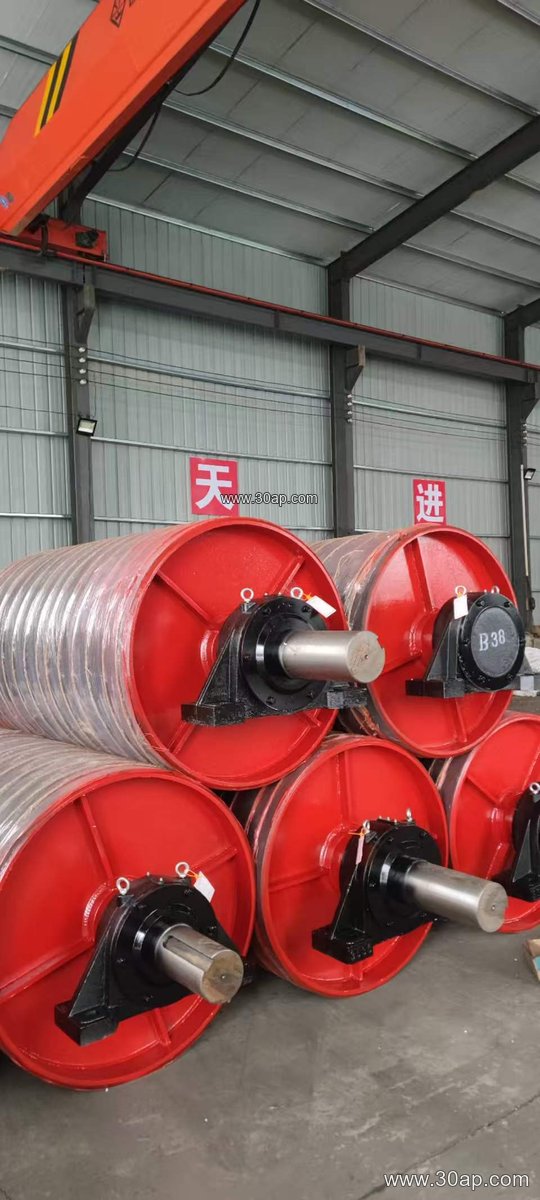
Drive pulleys, also called head pulleys, transmit power to the belt and are often the largest pulleys in the system. Tail pulleys at the loading end redirect the belt and may be self-cleaning. Bend pulleys change belt direction in tensioning arrangements, while take-up pulleys maintain belt tension. These subtypes are not interchangeable; a drive pulley is selected for torque transmission, whereas a bend pulley is selected for redirecting the belt with minimal power loss. Electric pulleys integrate the motor inside the drum, useful where space is limited.
Matching Pulley to Belt and Load
Selecting a mining conveyor pulley involves more than belt width. The pulley diameter must be compatible with the belt construction and the required shaft torque. For instance, a steel cord conveyor belt may require a larger pulley diameter than a fabric core belt of the same width to avoid excessive bending stress. A B800 belt might pair with a Ø500 pulley in one system and a Ø630 pulley in another, depending on belt type and load. Shaft diameter is determined by torque and load calculations, not by belt width alone; common shaft sizes include Ø80, Ø100, Ø120, and Ø140, but the final choice depends on the drive design.
Buyer Checklist
- Confirm the pulley’s position and function: drive, tail, bend, or take-up.
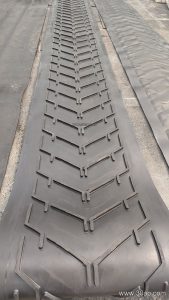
- Specify belt width and type, such as EP conveyor belt, NN conveyor belt, or steel cord conveyor belt.
- Define the required lagging: plain, rubber, diamond, or ceramic, and thickness.
- Provide operating conditions: abrasive dust, moisture, temperature, and belt speed.
- Check shaft and bearing compatibility with the conveyor bracket and drive arrangement.
- Consider maintenance access and the need for lagging replacement over time.
For more information on conveyor components, visit mining conveyor pulley and conveyor pulley resources.