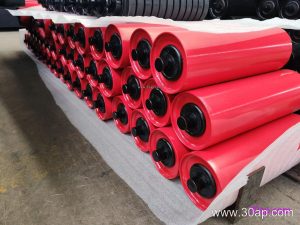
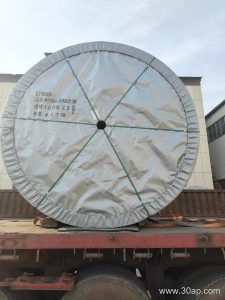
What a Large-Diameter Conveyor Pulley Does
A large-diameter conveyor pulley is the main rotating component that drives or redirects the belt in a bulk material handling system. Its larger shell diameter reduces belt bending stress, improves traction, and extends the service life of the conveyor belt and its splices. Unlike a small snub or bend pulley, this component is typically found at the head drive, tail take-up, or high-tension return positions where load and belt wrap are significant.
In quarry and aggregate lines, a heavy-duty large-diameter pulley often works with an abrasion resistant conveyor belt to handle sharp rock. In coal mining and underground coal mining operations, flame retardant conveyor belt grades are paired with robust pulleys to meet safety requirements. The pulley itself is not a substitute for a drive pulley or tail pulley; each subtype has a distinct role in the conveyor layout.
Construction and Surface Options
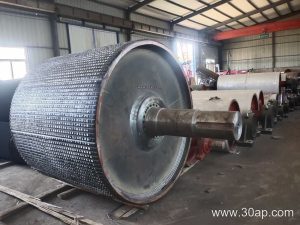
The body is usually a welded steel shell with machined end discs, a shaft, and bearing housings. Common manufacturing details include:
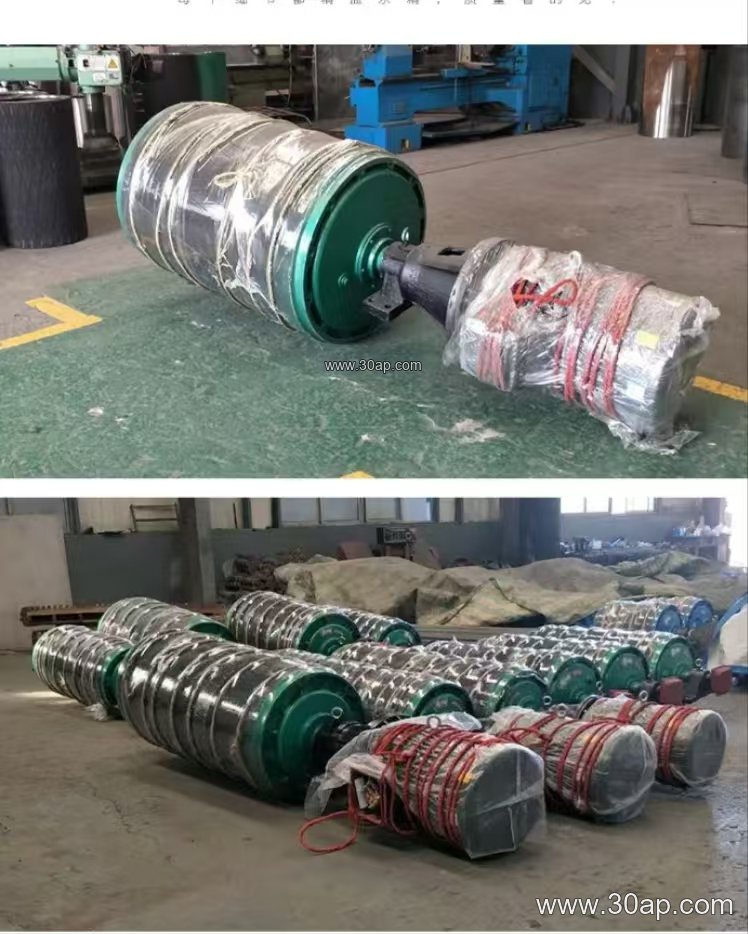
- Shell diameter from Ø630 to Ø1800 mm for large models, with custom sizes available.
- Face width matched to belt width, e.g., a B1200 belt typically uses a pulley face around 1400 mm.
- Shaft diameters from Ø80 to Ø200 mm, selected by torque and load, not by belt width alone.
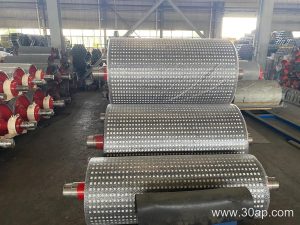
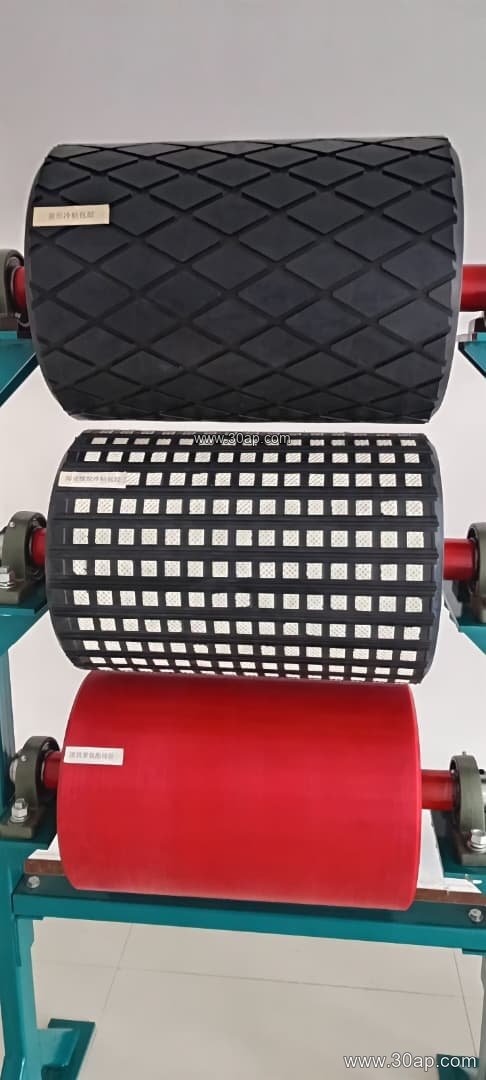
- Surface finishes: plain, cast rubber, cold-bonded rubber, hot-vulcanized rubber, diamond grooving, herringbone grooving, and ceramic lagging.
- Lagging thickness commonly 8, 10, 12, 15, or 20 mm depending on grip and wear requirements.
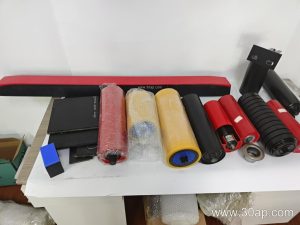
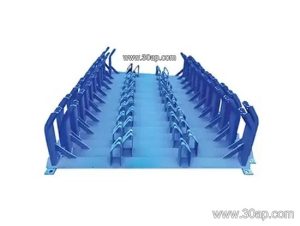
For dusty cement plant or power plant coal handling, grooved rubber lagging helps shed material and maintain friction. In iron ore or copper ore operations, ceramic lagging may be chosen for high abrasion resistance. The pulley works with conveyor idler rollers and a sturdy conveyor bracket to keep the belt aligned.
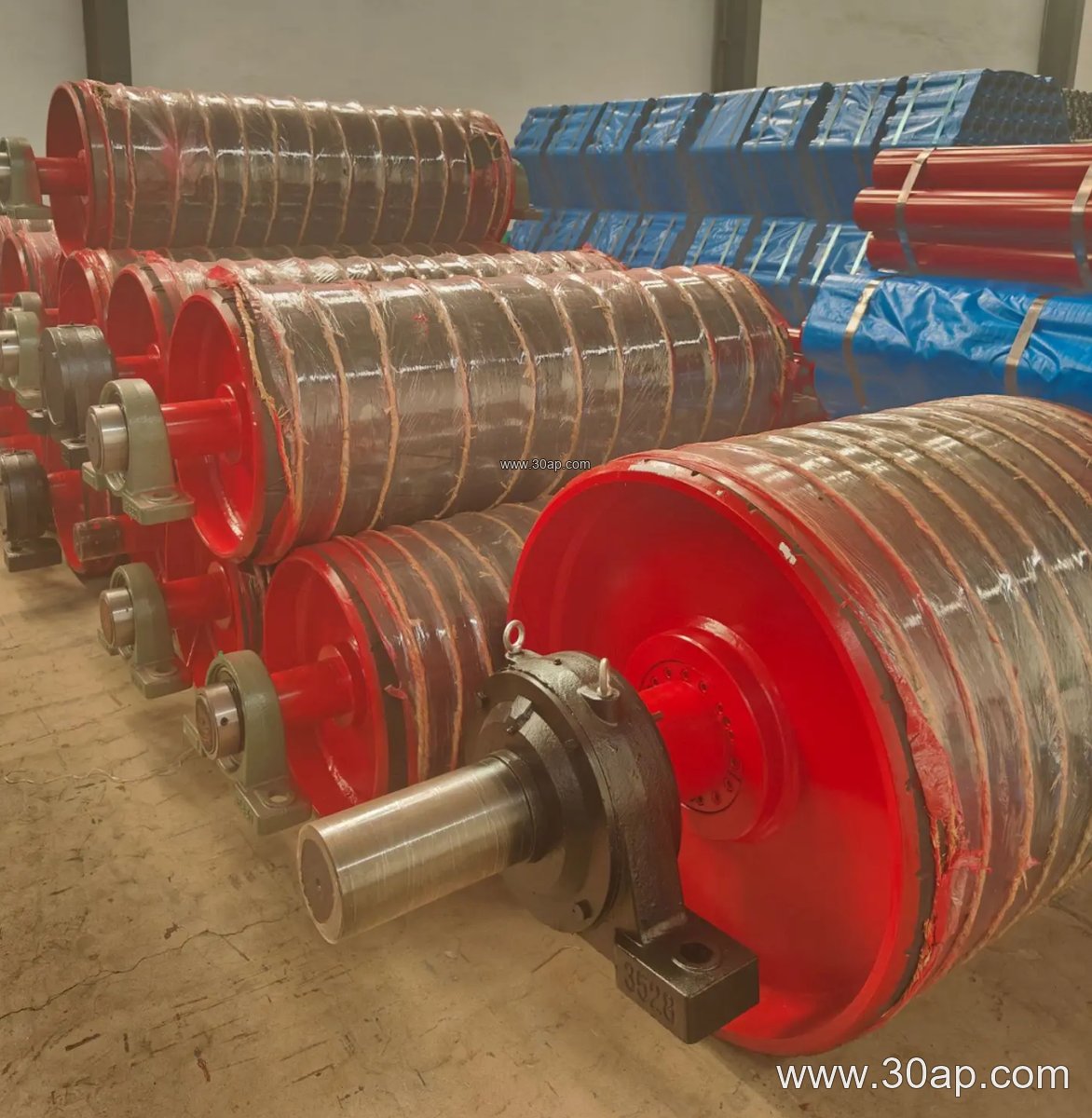
Where It Fits in the Conveyor System
A large-diameter conveyor pulley is often used as a drive pulley at the discharge end, where high torque and belt wrap are needed. It can also serve as a tail pulley with a take-up device to maintain belt tension, or as a bend pulley in a high-tension return path. In tunnel excavation or ship loading conveyors, space constraints may favor a compact bend pulley, but a large-diameter drive pulley remains the primary power transmission point.
When specifying, consider the conveyor belt type: a steel cord conveyor belt (e.g., ST1000 or ST1600) may require a larger pulley diameter to limit cord stress, while an EP conveyor belt (e.g., EP200 or EP400) or NN conveyor belt can often run on a smaller diameter. Multi-ply fabric core conveyor belts and chevron or skirted belts also have specific minimum pulley diameter recommendations from the belt manufacturer.
For more information on compatible conveyor components, visit our site at beltconveyorpulley.com or check our conveyor pulley range at www.beltconveyorpulley.com. You can also find related conveyor belt and idler roller data at beltconveyorpulley.com.
Buyer Checklist for Large-Diameter Pulleys
Before ordering, confirm the following with the conveyor designer:
- Belt width and type (e.g., B800 with EP conveyor belt, or B1400 with steel cord belt).
- Required shaft diameter based on torque calculation, not just belt width.
- Lagging profile and thickness for the material handled (e.g., diamond rubber for wet coal, ceramic for abrasive ore).
- Bearing type and housing configuration for the installation position.
- Balancing grade and runout tolerances for high-speed applications.
Remember that drive, tail, and bend pulleys are not interchangeable. A large-diameter tail pulley may need a different bearing arrangement than a drive pulley of the same size. Always match the pulley subtype to its function in the conveyor.
Maintenance and Long-Term Reliability
Regular inspection of lagging wear, shaft alignment, and bearing condition helps prevent unplanned downtime. In dusty environments such as a limestone mine or concrete batch plant, keep the pulley surface clean and check for material buildup that can cause belt misalignment. Partnering with a supplier who understands your conveyor belt and idler roller system ensures the large-diameter pulley delivers reliable service over its design life.