What a 1000mm Diameter Conveyor Pulley Is
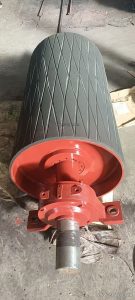
A 1000mm diameter conveyor pulley is a large-diameter drum used at key transfer and drive points on high-capacity belt conveyors. At this size the pulley is typically a welded steel shell with machined end discs, a through shaft, bearing housings, and a lagged surface. It is often the drive or head pulley on a main haulage conveyor in a quarry, an iron ore concentrator, a cement clinker line, or a power plant coal handling system. The large diameter reduces belt bending stress and helps the belt track smoothly when tensions are high.
In everyday plant language this component may be called a 1 m drum pulley, a Ø1000 conveyor drum, or a 1000mm head drum. Those are simply shorter ways of naming the same product. A drive pulley, a tail pulley, and a bend pulley are different positions with different duties, so they should not be treated as interchangeable.
Construction and Surface Options
The shell is usually rolled from steel plate and welded to end discs, then machined so the face runs true. Shafts are sized by torque and radial load rather than by belt width alone, with common shaft diameters ranging from Ø120 to Ø200 on a drum of this class. Bearings are selected for the resulting load and speed.
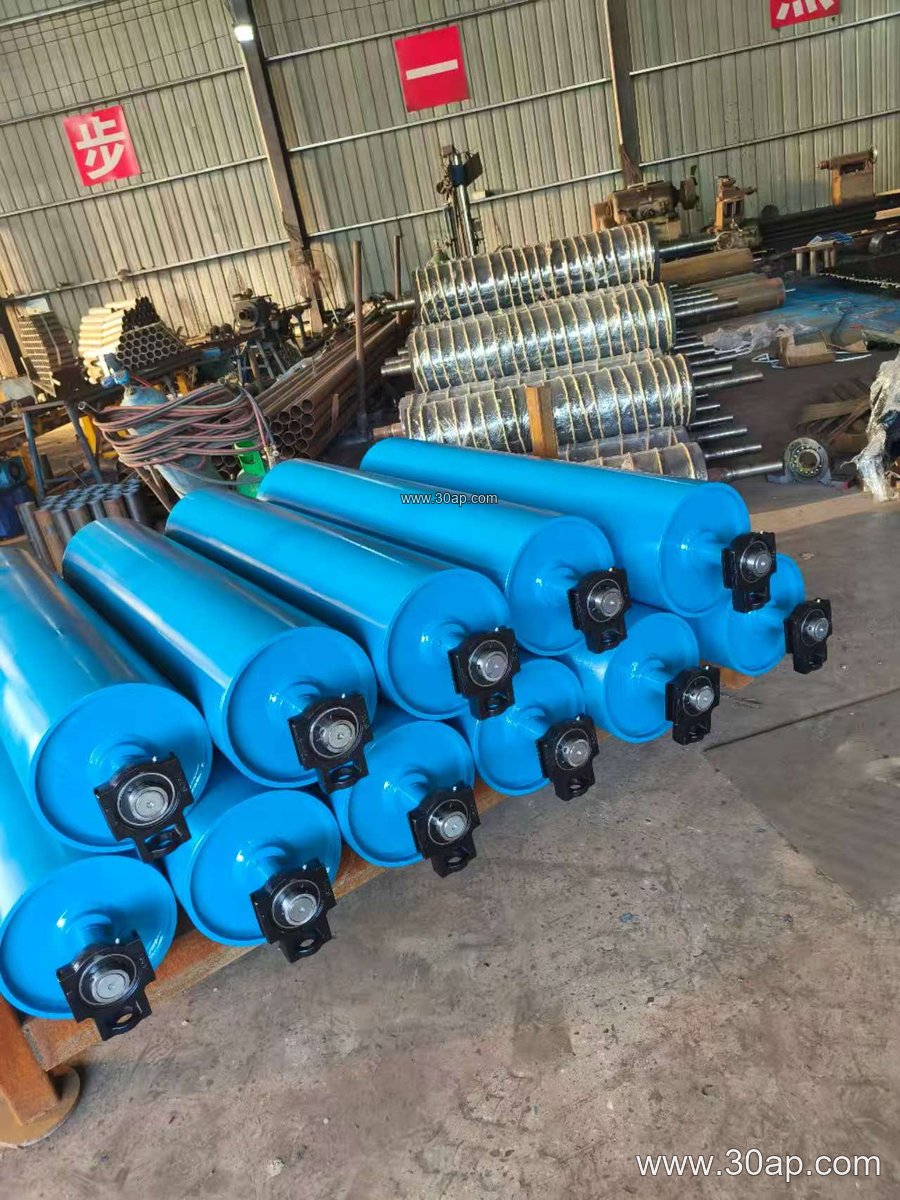
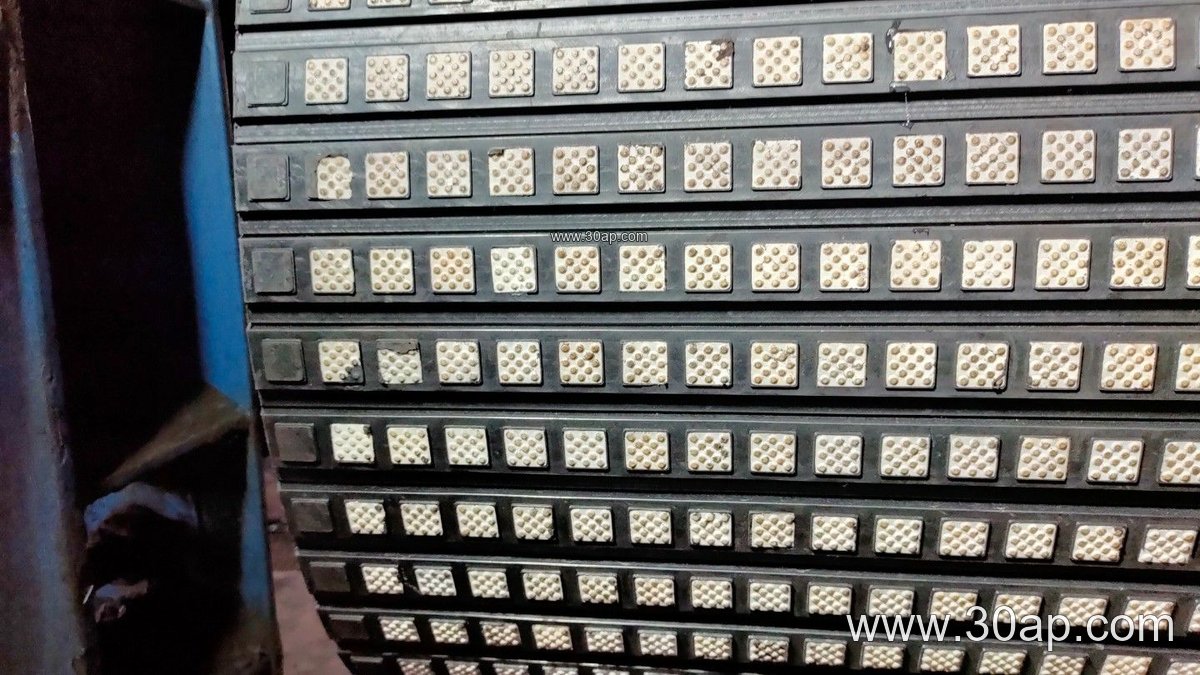
Lagging is a major choice. Plain faced drums suit some light duties, while rubber or ceramic lagging improves grip. Common lagging thicknesses are 8, 10, 12, 15, and 20 mm. Diamond and herringbone patterns help shed water and fines, which matters in a wash plant or a tunnel TBM discharge line.
Typical Sizes and Combinations
The table below shows reference combinations, not fixed rules. A given belt width can work with more than one drum diameter depending on tension, wrap angle, and space.
- B800 with Ø800 drum: common in secondary crushing circuits
- B1000 with Ø1000 drum: typical main line in aggregate plants
- B1200 with Ø1000 drum: frequent in coal preparation and port bulk handling
- B1400 with Ø1000 drum: seen in large cement and iron ore conveyors
- B1600 and above with Ø1000 or larger: heavy-duty mining and ship loading
Face width is normally wider than the belt, for example about 1150 mm for B1000 and about 1400 mm for B1200. The 1000mm diameter conveyor pulley therefore often carries a face of 1150 to 1600 mm depending on the belt it serves.
Where It Fits in a Conveyor
On a long overland or plant conveyor, a 1000mm diameter pulley is often the head or drive drum where the belt discharges into a crusher or a transfer chute. It may also appear as a tension pulley at the take-up, or as a large bend pulley where the belt changes direction under load. In a coal mining conveyor or an underground drift conveyor, flame retardant conveyor belt and anti-static conveyor belt are common belt choices, and the drum lagging must suit the same environment.
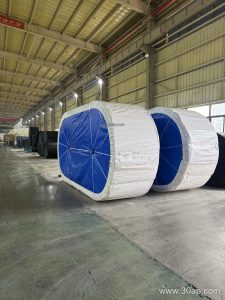
Belt selection and pulley selection work together. A steel cord conveyor belt or a heavy-duty EP conveyor belt such as EP400 or EP630 carries high tension, so the drum diameter and shaft size must be matched to the belt’s minimum pulley requirement. In a sand and gravel line, an abrasion resistant conveyor belt running over a lagged 1 m drum usually gives long service before resurfacing is needed. In a cement plant, heat resistant conveyor belt may run near a clinker cooler, and the drum bearings should be checked for thermal effects.
Buyer Checklist
- Confirm the exact position: drive, tail, bend, or take-up. Each has different load and wrap requirements.
- State belt width, belt type, and belt tension so the drum face and shaft can be sized correctly.
- Choose lagging type and thickness for the material: wet fines, sharp rock, or oily scrap.
- Check that the conveyor bracket and bearing housing dimensions match the existing frame.
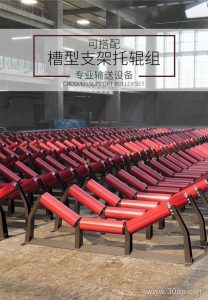
- Pair the drum with the correct conveyor idler roller spacing and transition distance to avoid belt edge stress.
- Ask for the shaft diameter calculation basis rather than accepting a value chosen from belt width alone.
A 1000mm diameter conveyor pulley is a substantial component, and the right specification depends on the whole conveyor rather than a single number. Matching it to the belt, the load, and the installation point is what keeps a quarry, mine, or plant running.