What This Belt Is Built For
A high abrasion resistant conveyor belt is designed for the wear-heavy sections of a bulk handling system, where sharp rock, crushed aggregate, coke, clinker or ore continually scours the cover. In practice, the belt that survives this duty is usually an abrasion resistant conveyor belt built around a strong fabric or steel cord carcass and a thick, tough rubber cover. The aim is not simply a hard surface, but a cover compound that keeps its grip and integrity while the carcass carries the load tension. Buyers often meet this product as a heavy-duty conveyor belt for quarry, cement and mining circuits, where a standard belt would need replacement too often.
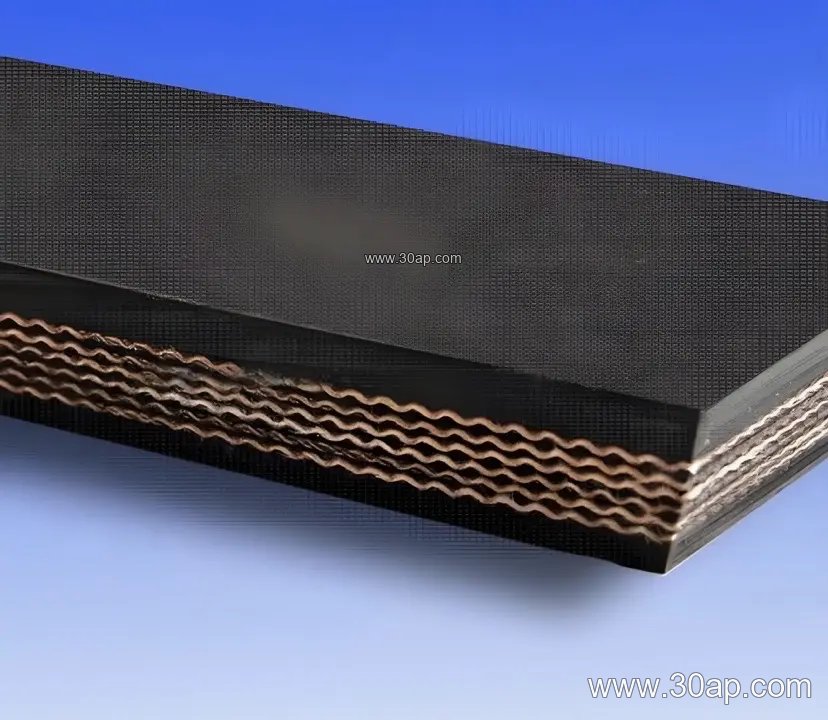
Construction Details That Matter
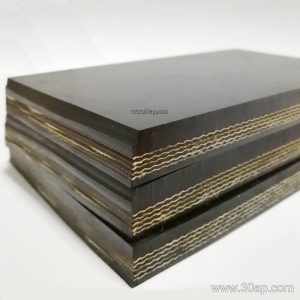
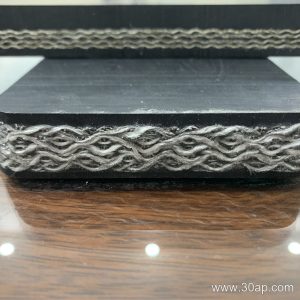
The working cover is the first line of defence. Common cover thicknesses for abrasive duties include 4+2 mm, 5+2 mm, 6+2 mm and 8+3 mm, with the first figure usually describing the top cover and the second the bottom cover. The carcass may be multi-ply fabric, with 2 to 6 plies typical depending on the required strength, or a steel cord construction where tension and impact demand it. An EP conveyor belt uses polyester warp and nylon weft, while an NN conveyor belt uses nylon in both directions. Both are fabric core conveyor belt families, and both can be supplied with an abrasion resistant cover. Where the load is especially sharp, a steel cord conveyor belt can combine high tensile strength with a thick protective cover.
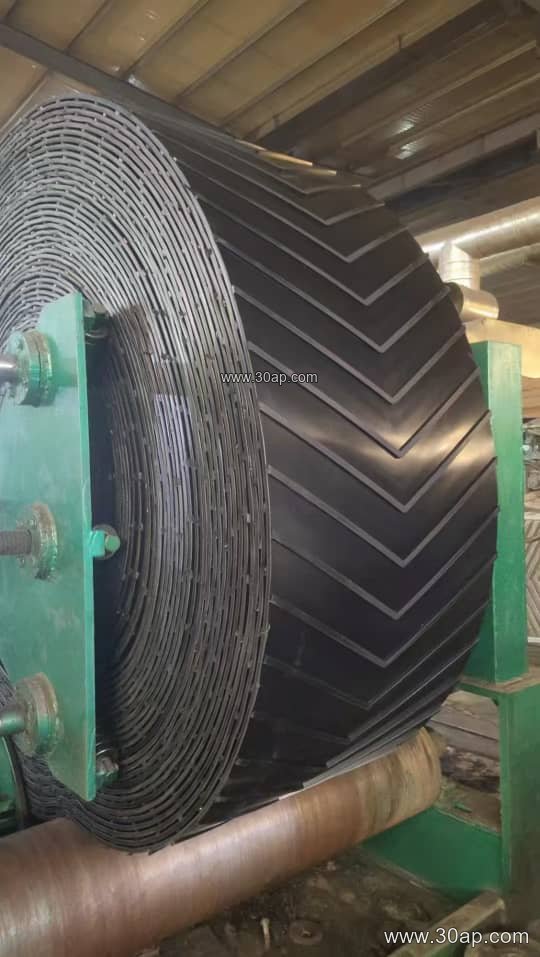
Typical strength and width references
- EP grades: EP200, EP400, EP630, EP800, EP1000, EP1250
- NN grades: NN100, NN200, NN300, NN400
- Steel cord grades: ST1000, ST1600, ST2000, ST2500
- Common belt widths: B500, B650, B800, B1000, B1200, B1400, B1600, B1800
These figures are reference data, not a fixed rule. The final combination of cover thickness, carcass grade and belt width should be confirmed against the conveyor design, the material size and the loading conditions.
Where the Belt Fits in the Plant
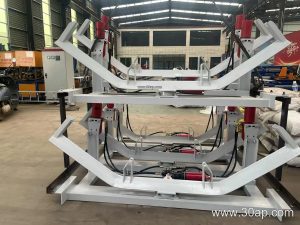
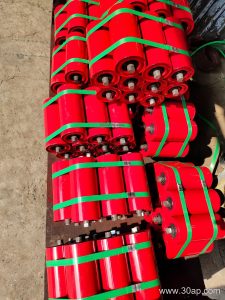
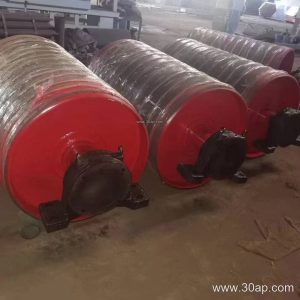
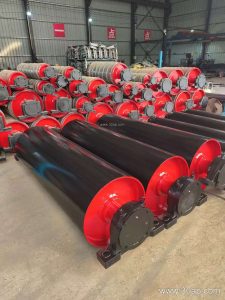
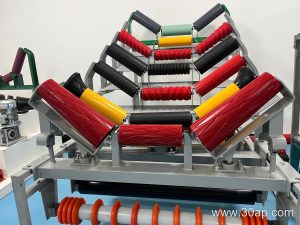
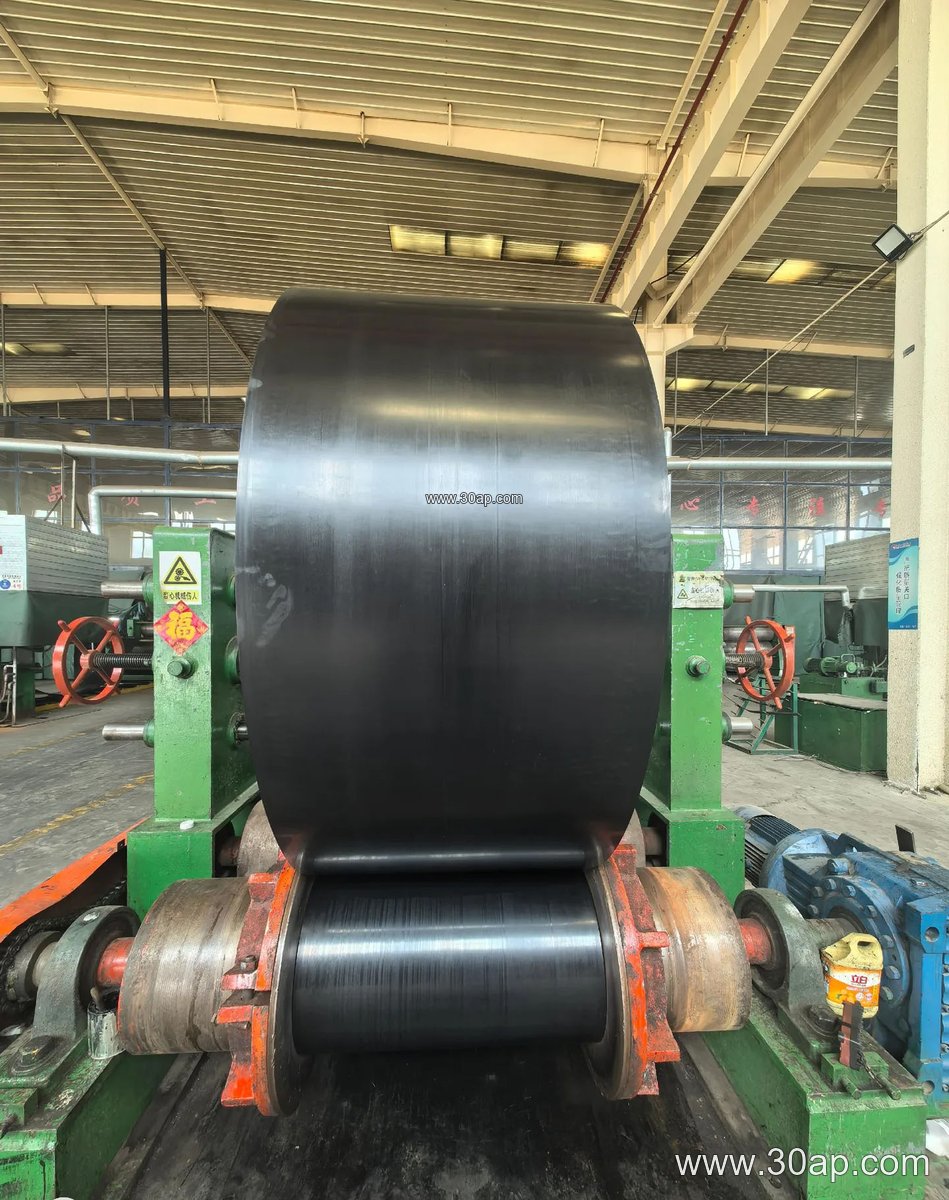
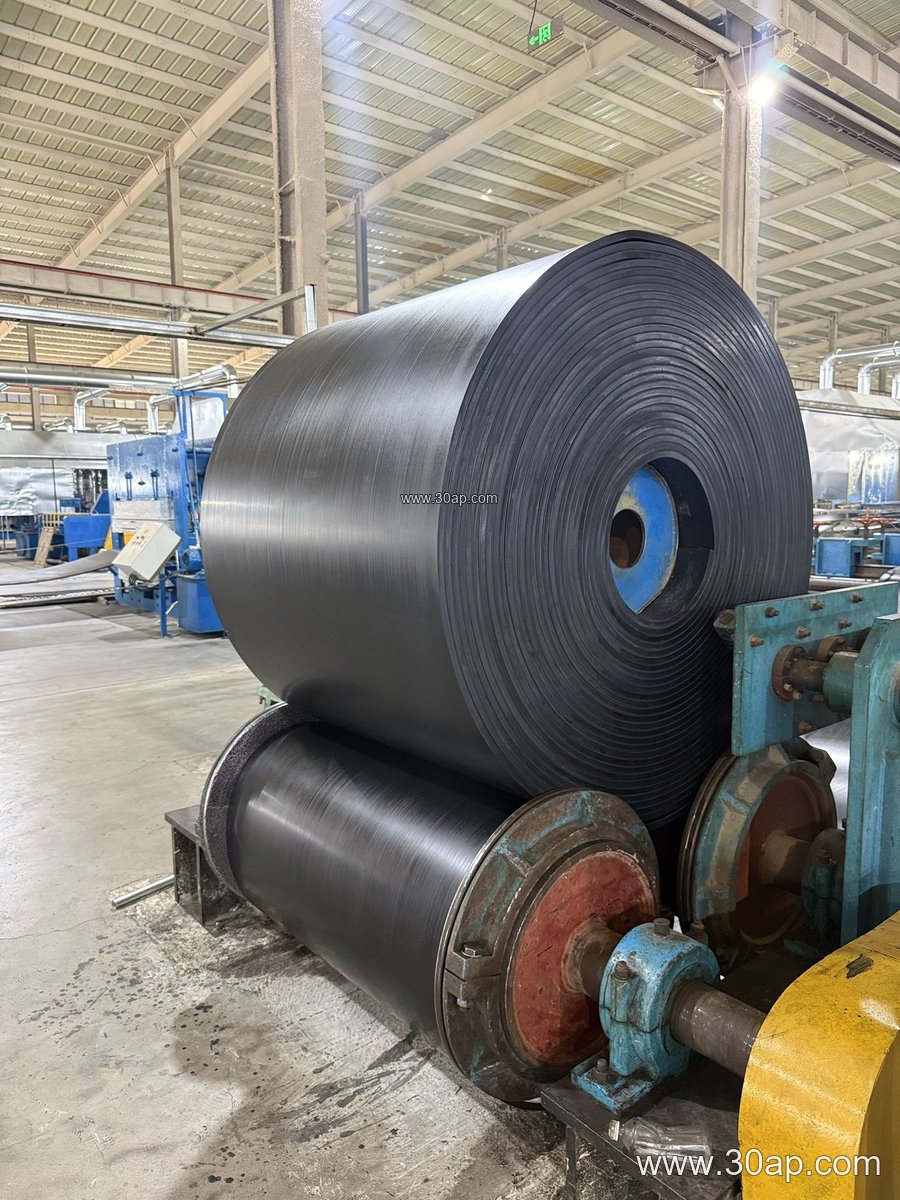
In a quarry or sand making plant, a high abrasion resistant conveyor belt often runs under a crusher conveyor belt duty, receiving crushed stone directly from the discharge point. In a cement plant it may carry clinker or limestone, while in a coal mining conveyor belt system the same wear problem appears in a different form, usually together with flame retardant requirements. Power plants handling coal and ash, port conveyor belt lines moving ore, and recycling conveyor belt circuits sorting glass and metal all present abrasive conditions. The belt sits on a frame supported by idler roller sets and turns around a conveyor pulley at the head and tail; the conveyor bracket and pulley alignment affect how evenly the belt wears. A drive pulley, a tail pulley and a bend pulley each have a distinct role and are not interchangeable, so the belt should be matched to the actual pulley arrangement rather than to a single assumed diameter.
Selection and Use Notes
Start with the material: sharp, angular rock calls for a thicker top cover than rounded sand. Check the drop height and the size of lumps at transfer points, because impact can damage a cover that is abrasion resistant but not impact resistant. Confirm the belt tension and the number of plies or the steel cord grade with the conveyor designer. For wider belts, a 1200mm conveyor belt or a 1400mm conveyor belt may be needed to match the tonnage, but belt width alone does not dictate pulley diameter. In dusty or underground locations, an anti-static conveyor belt or a flame retardant conveyor belt variant may be required alongside abrasion resistance. Other subtypes such as a heat resistant conveyor belt, oil resistant conveyor belt or cold resistant conveyor belt address different risks and should not be used as a substitute when the main problem is wear.
Practical maintenance points
- Keep idler roller sets turning freely to avoid local cover wear.
- Check conveyor pulley lagging and alignment at regular intervals.
- Inspect the loading point for spillage and sharp edges that cut the cover.
- Record cover thickness to plan replacement before the carcass is exposed.
For buyers comparing suppliers, ask for the cover compound data, the carcass construction and the recommended operating conditions. A belt described only as abrasion resistant is less useful than one specified with cover thickness, ply count or cord grade, and belt width. For plant engineers working with bulk material conveyor belt systems, the right choice is the one that matches the wear profile, the tension and the environment together. Explore more belt and component guidance at conveyor belt and idler roller resources before finalising the specification.