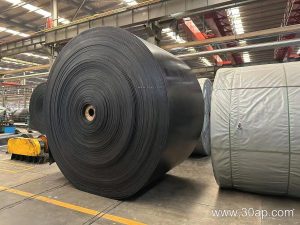
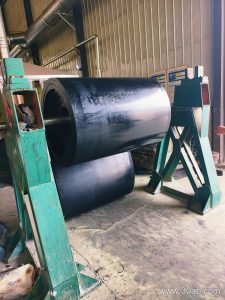
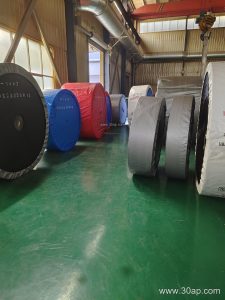
What an EP1000 Conveyor Belt Is
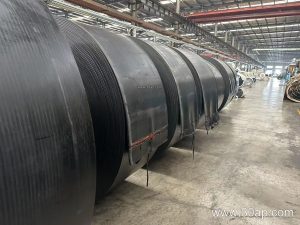
An EP1000 Conveyor Belt is a fabric-core rubber belt built on polyester-polyamide (EP) carcass plies with a nominal tensile strength of 1000 N/mm per ply width. In practice, plant engineers often call it an EP1000 belt or an EP fabric core conveyor belt, and it sits in the middle-upper range of the EP family, above EP630 and EP800 and below EP1250 and EP1500. It is a multi-ply fabric core conveyor belt, meaning several woven EP plies are bonded together and covered with rubber on both faces. The carcass gives the belt its strength and low stretch, while the covers protect it from the material being carried.
Strength is only part of the story. The same EP1000 carcass can be supplied with different cover compounds, so the working environment decides whether you receive a standard abrasion resistant conveyor belt, a heat resistant conveyor belt, a flame retardant conveyor belt, or an oil resistant conveyor belt. Buyers should treat 1000 N/mm as the carcass rating, not as a complete description of the belt.
How the Belt Is Constructed
EP fabric is woven from polyester warp yarns and polyamide weft yarns. Polyester limits elongation under load, while polyamide adds flexibility and resistance to repeated flexing around pulleys. The plies are calendered, assembled, and vulcanized into a single body. Top and bottom covers are chosen for the duty, and edges may be cut or moulded.
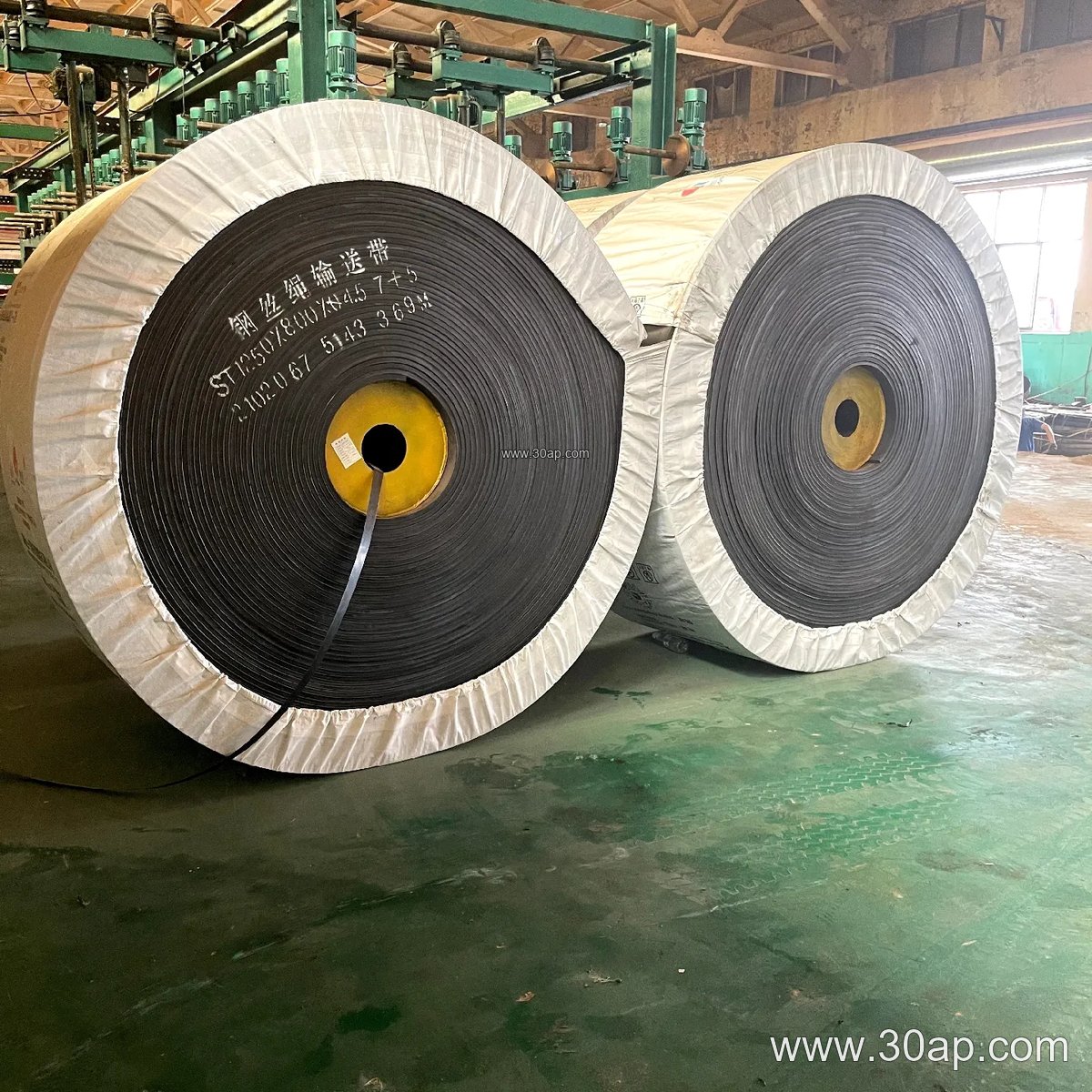
- Carcass: commonly 2 to 6 EP plies depending on the required strength and the manufacturer’s design.
- Covers: common combinations include 3+1.5 mm, 4+2 mm, 5+2 mm, 6+2 mm and 8+3 mm.
- Widths: B500, B650, B800, B1000, B1200, B1400, B1600, B1800 and B2000 are frequently referenced, with wider or narrower builds available by arrangement.
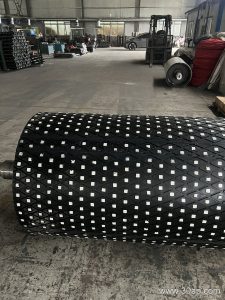
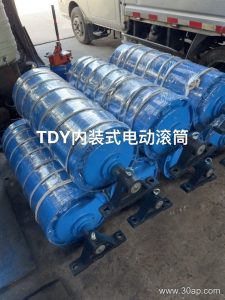
These values are typical references, not fixed rules. A 1200mm wide EP1000 conveyor belt may run with different pulley diameters and shaft sizes from one project to the next, because those parts are sized from the full conveyor design, not from belt width alone. Drive pulleys, tail pulleys and bend pulleys each perform different duties and should be specified separately.
Where It Fits in the Plant
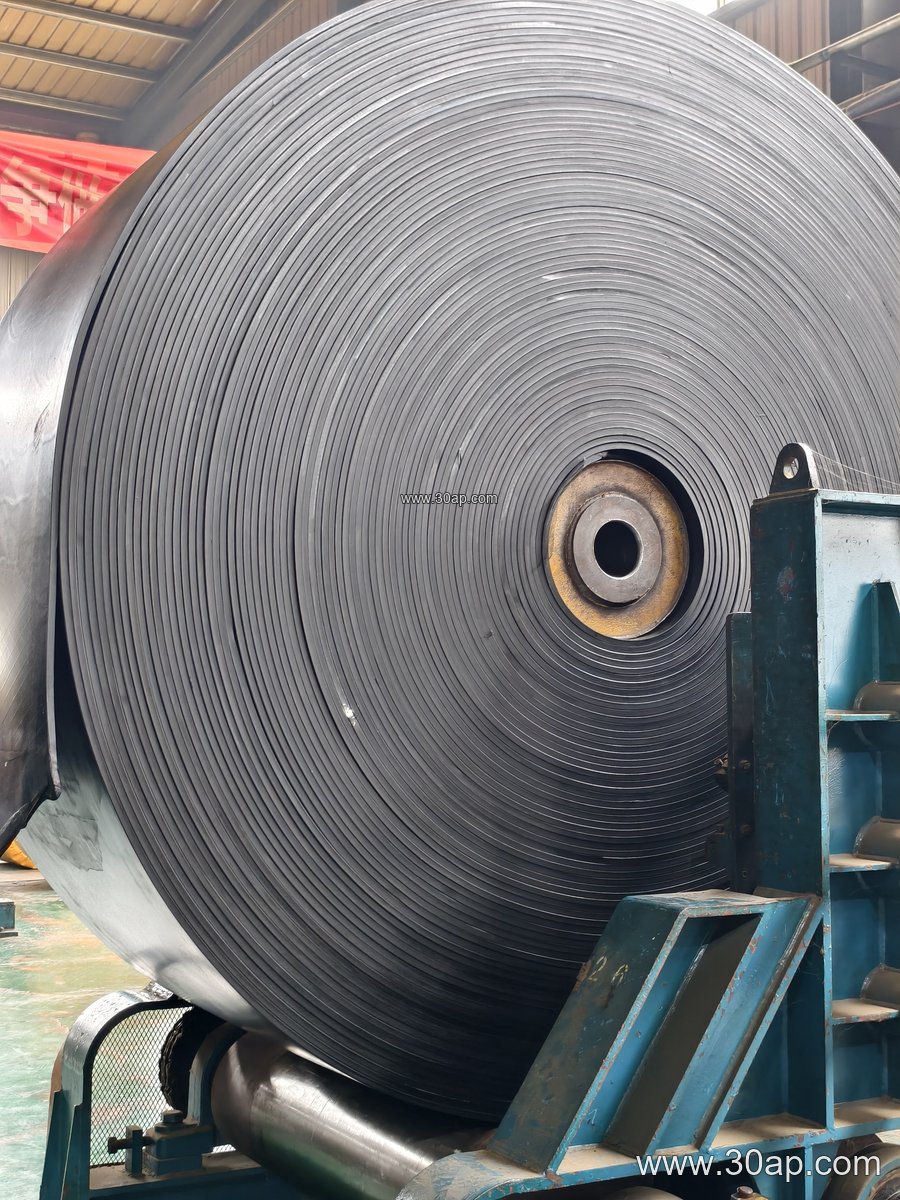
The EP1000 grade is common on main haulage and transfer lines in mines, quarries, cement works, power stations, steel plants, ports and aggregate yards. A quarry conveyor belt moving crushed stone, a cement plant conveyor belt feeding a kiln line, or a power plant coal conveyor belt handling fuel are all realistic duties for this strength class. In underground coal mining, a flame retardant conveyor belt or fire resistant conveyor belt version is normally specified, and the same carcass may be supplied as an anti-static conveyor belt where static build-up is a concern.
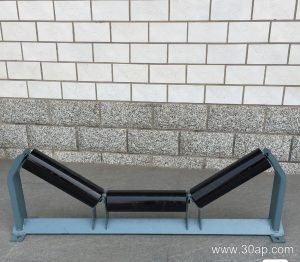
On a typical conveyor, the belt runs over idler rollers on the carrying side, returns over return rollers, and wraps around the head or drive pulley, the tail pulley and any bend pulleys. Conveyor brackets and frames hold these components in alignment. A well-matched conveyor pulley and a smooth idler roller set reduce edge stress and extend belt life.
Selecting an EP1000 Belt
Selection starts with the duty, not the catalogue number. Consider the material, lump size, tonnage per hour, incline, loading impact and ambient temperature. A high abrasion resistant conveyor belt may be needed for sharp rock, while a heat resistant conveyor belt suits clinker or sinter. Cold resistant conveyor belt covers help in freezing climates, and chemical resistant or acid resistant conveyor belt grades appear in fertilizer and processing plants.
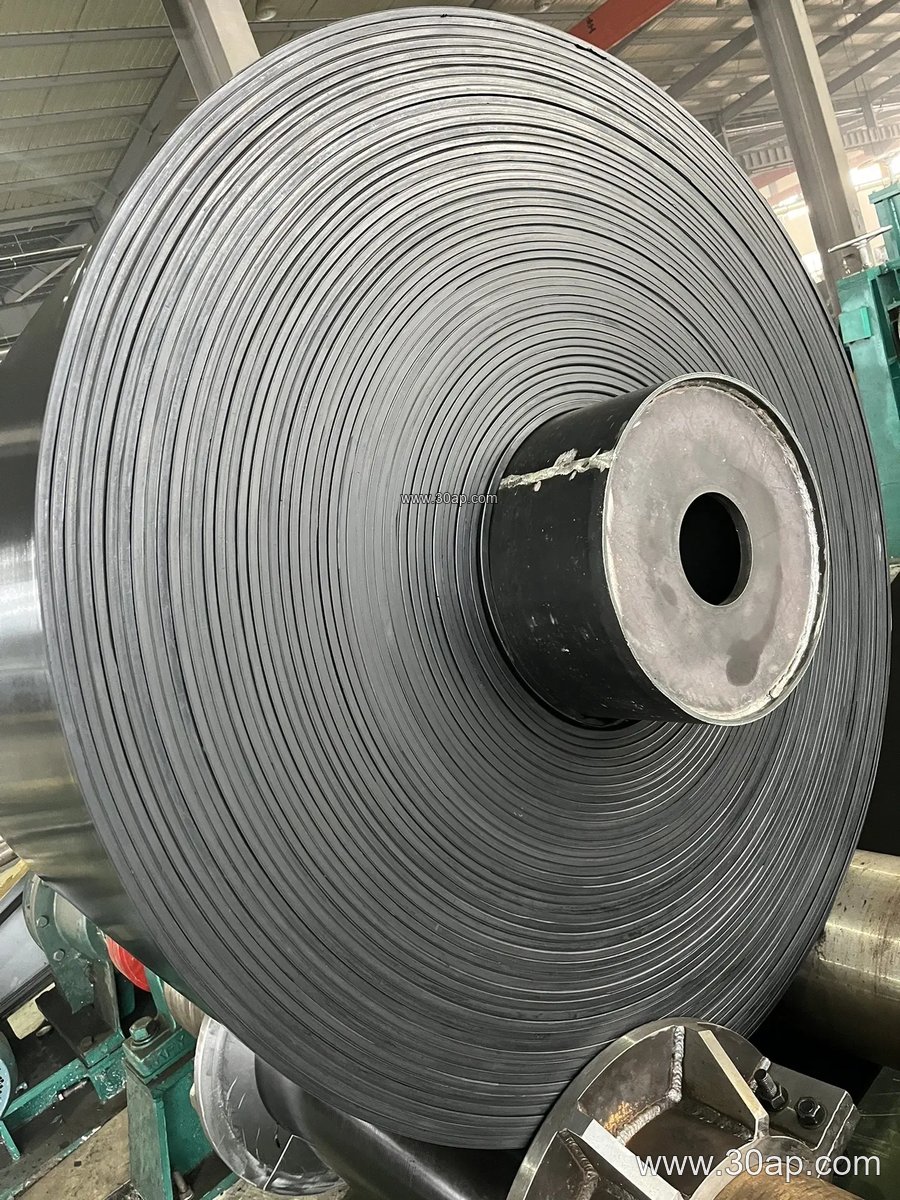
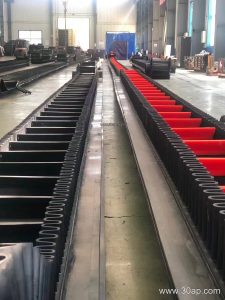
Where the route needs steep inclines, a chevron conveyor belt or corrugated sidewall conveyor belt can be considered, but these are separate designs and should not be treated as replacements for a flat EP1000 belt. For very long, high-tension lines, a steel cord conveyor belt may be a better comparison point, while NN conveyor belt grades remain an alternative where nylon carcass properties suit the duty. The EP1000 belt remains the reference product here.
Practical checks before ordering
- Confirm carcass strength, number of plies and cover thickness as a set.
- Confirm belt width and whether the belt is endless or open-ended.
- Match cover grade to abrasion, heat, oil, flame or cold exposure.
- Review pulley diameters and idler roller spacing with the conveyor designer.
- Check that conveyor brackets and pulley alignment are in good condition before fitting a new belt.
Installation and Maintenance Notes
Store belts on a dry, shaded surface and avoid sharp bends. During installation, keep the belt straight, tension evenly, and check pulley alignment early. Track the belt over the first few running hours. Inspect covers for cuts and worn edges, and watch for exposed fabric, which signals that a repair or replacement is due. Keeping idler rollers turning freely and pulley lagging in good condition will do more for belt life than almost any other maintenance action.
For buyers comparing suppliers, ask for the carcass construction, cover grade, ply count, cover thickness and width together, and request a data sheet rather than a single headline figure. An EP1000 Conveyor Belt is a capable general-duty choice, but it performs best when the whole conveyor system, from pulley to idler roller to bracket, is specified as one coordinated design.