What a 650mm Conveyor Belt Is
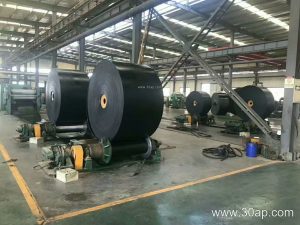
A 650mm conveyor belt is a belt with a nominal width of 650 millimeters, typically written as B650 in belt schedules and drawings. It sits between the smaller 500mm and 600mm belts and the wider 800mm and 1000mm sizes, which makes it a practical middle option for medium-capacity bulk handling lines. In a quarry, a coal preparation plant, a cement works or a small power plant, this width often carries crushed stone, clinker, coal or sand at tonnages that do not justify a 1000mm or 1200mm belt.
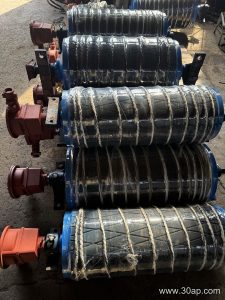
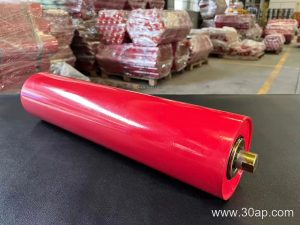
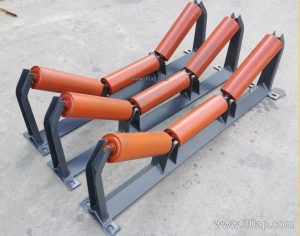
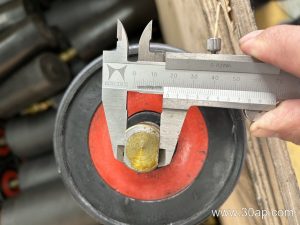
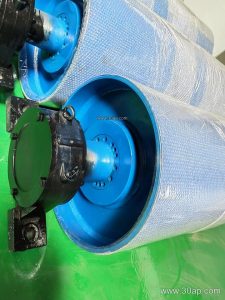
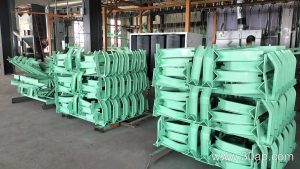
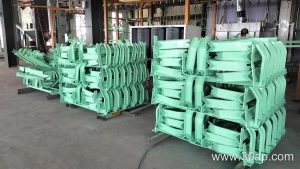
The belt is only one part of the conveyor. It runs over a drive pulley, a tail pulley and bend pulleys, and it is supported on the carrying side by idler rollers and on the return side by return rollers. The conveyor bracket and frame keep all of these components aligned. Belt width, pulley face width and idler length must be matched at the design stage, but no single belt width dictates one fixed pulley diameter or shaft size.
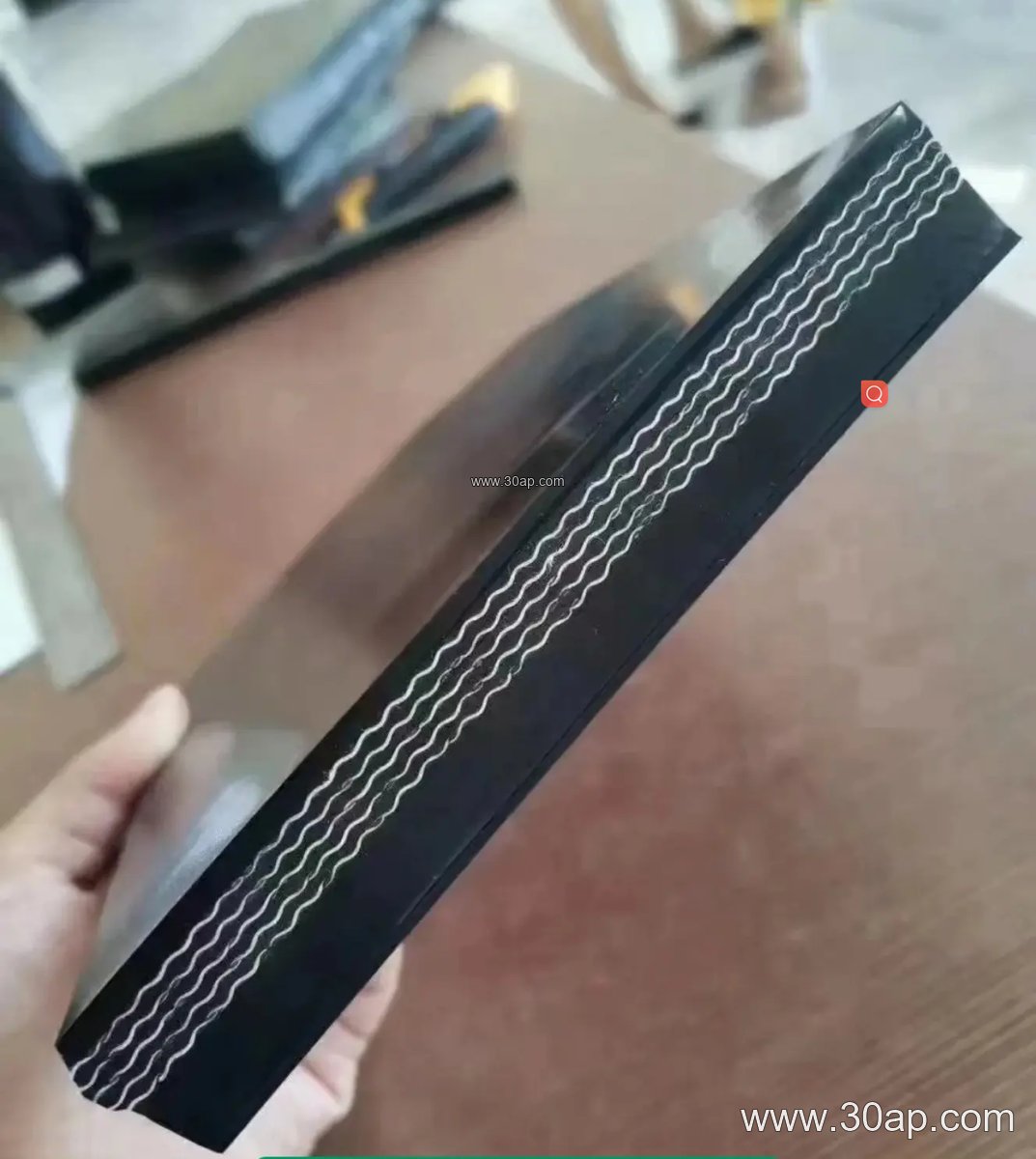
Construction and Common Specifications
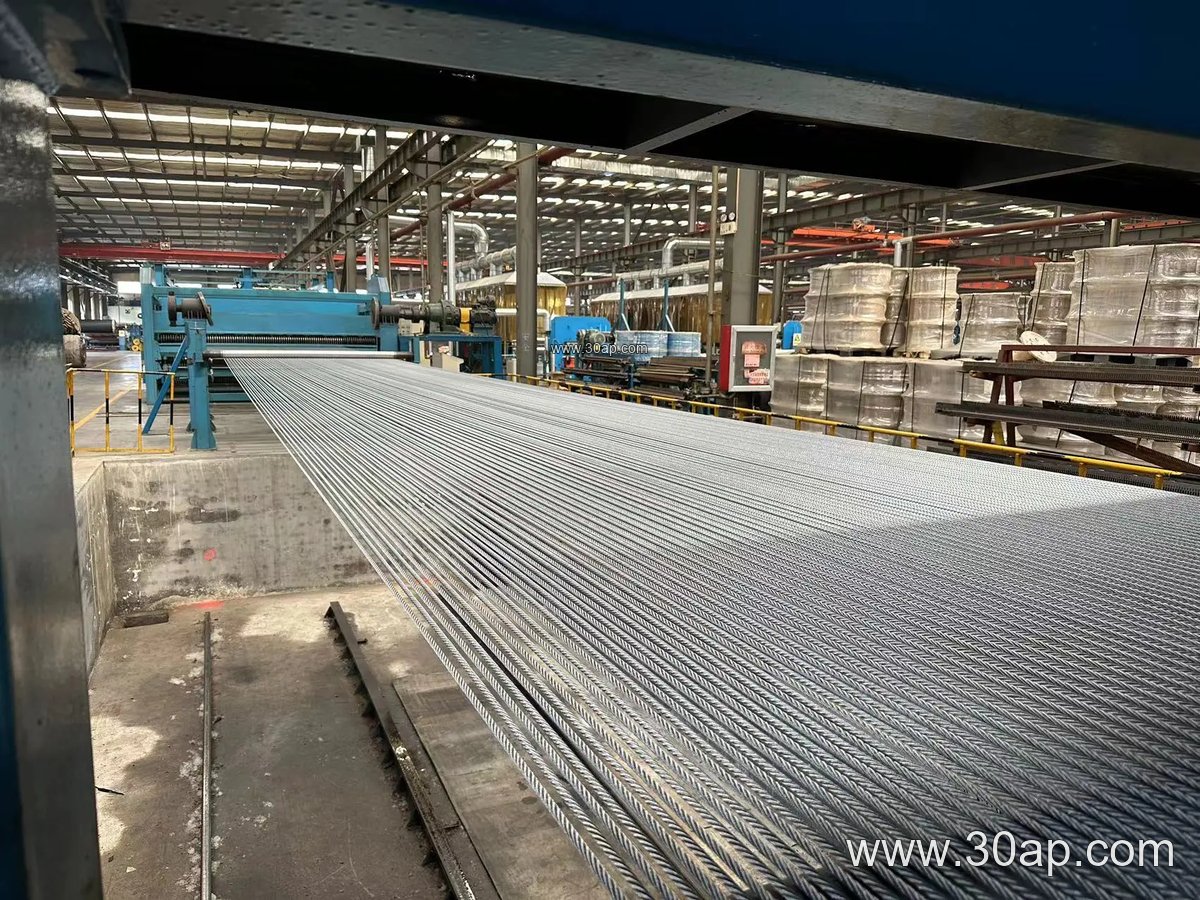
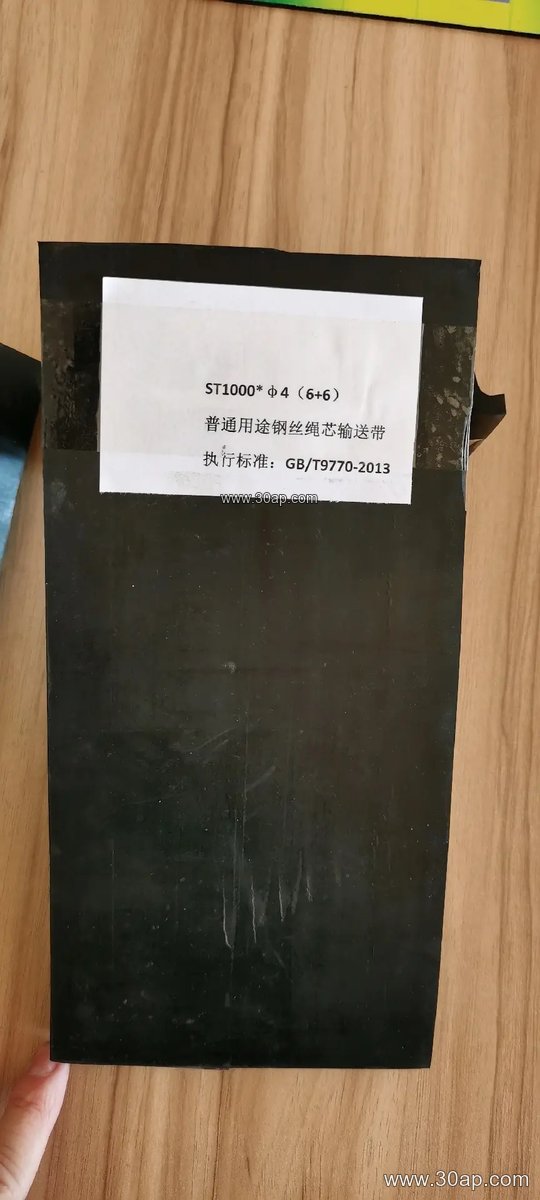
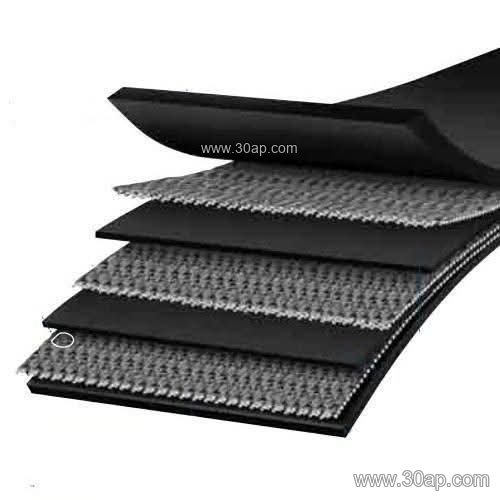
Most 650mm belts are fabric-core construction. The carcass may be EP (polyester warp, nylon weft) or NN (nylon warp and weft), and the number of plies usually ranges from two to six depending on the duty. Rubber covers protect the carcass; a common top and bottom cover combination is 4+2 mm, with 3+1.5 mm used on lighter duties and 5+2 or 6+2 mm on heavier abrasive service. Steel cord construction is also possible, though it is more often chosen for wider, long-distance lines.
The table below shows typical reference values. These are common industry ranges, not a fixed supply promise, and actual values are determined by the conveyor design.
- Nominal width: 650 mm (B650)
- Common carcass types: EP Conveyor Belt, NN Conveyor Belt, Multi-Ply Fabric Core Conveyor Belt
- Typical strength grades: EP200, EP315, EP400, EP500, EP630
- Cover combinations: 3+1.5, 4+2, 5+2, 6+2 mm
- Ply count: 2 to 6
- Surface forms: smooth, Chevron Conveyor Belt, Corrugated Sidewall Conveyor Belt
Special properties are selected by application rather than by width. A Heat Resistant Conveyor Belt may be needed for clinker, an Oil Resistant Conveyor Belt for oily scrap, a Flame Retardant Conveyor Belt or Fire Resistant Conveyor Belt for underground coal mining, an Abrasion Resistant Conveyor Belt for sharp rock, and an Anti-Static Conveyor Belt where static buildup is a concern. In coal mines, PVG Conveyor Belt and PVC Conveyor Belt grades are also widely used.
Where This Width Fits
At 650mm, the belt is common on secondary and tertiary crushing circuits, screening plants and transfer conveyors in aggregate and sand making plants. It also appears on cement plant clinker and additive lines, on coal handling systems in power plants, and on small to medium port or ship loading conveyors. A 650mm belt on a portable crusher is often paired with a compact frame and closely spaced idler rollers to keep the trough profile stable.
Because the belt is narrower than a 1000mm or 1200mm line, it is easier to install in confined galleries and on mobile equipment. It is also a sensible choice for short transfer points where a wider belt would add cost without adding throughput. On the other hand, a very high tonnage primary line usually calls for a wider belt such as 800mm or 1000mm, so the 650mm size is rarely the first choice for main haulage in large mines.
Buyer Checklist
Before ordering, confirm the material being carried, its lump size, temperature and moisture, and whether it is abrasive, oily or flammable. Lump size matters: a 650mm belt can handle moderate lumps, but very large rock should be checked against the belt and chute design. Next, confirm the required strength grade and ply count with the conveyor designer, not by width alone.
Also check the pulley and idler arrangement. The drive pulley, tail pulley and bend pulleys each have their own diameter and face width determined by tension, wrap angle and shaft load. Idler roller spacing, trough angle and conveyor bracket dimensions should be confirmed together with the belt width. For hot or underground service, specify the cover grade and any flame retardant or anti-static requirement clearly in the inquiry.
Finally, ask about joint type. An Endless Conveyor Belt avoids a mechanical splice and suits long runs, while vulcanized or mechanical joints are common on shorter, replaceable sections. Store spare belts flat and away from sunlight and ozone sources.