What a Belt Conveyor Bracket Does
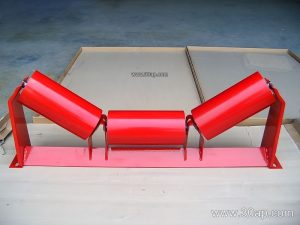
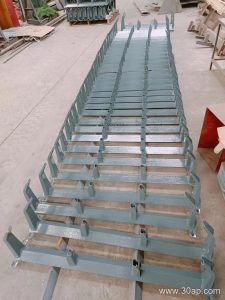
A belt conveyor bracket is the steel support that holds idler rollers in the correct position under or above the conveyor belt. It sets the trough angle of the carrying side, keeps the return strand aligned, and transfers the load from the rollers into the conveyor frame. Without a properly built bracket, even a well-made conveyor belt will misalign, spill material, and wear unevenly.
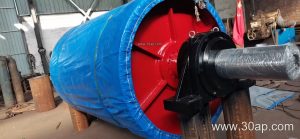
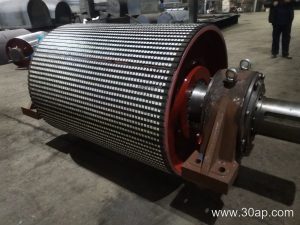
The same component is also called a conveyor idler bracket or roller support bracket. This article focuses on the bracket itself, not on the drive, tail, or bend pulleys, which are separate assemblies with their own design rules.
Construction and Common Types
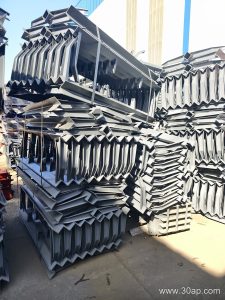
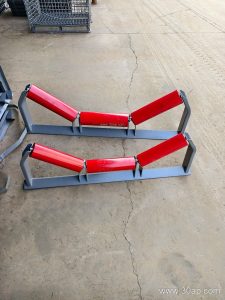
Most brackets are fabricated from angle steel, channel steel, or folded steel plate, then drilled or punched for roller shafts and frame bolts. A typical troughing bracket carries three idlers in a fixed or adjustable V shape; a return bracket carries a single flat roller or a pair of V-return rollers. Common types include:
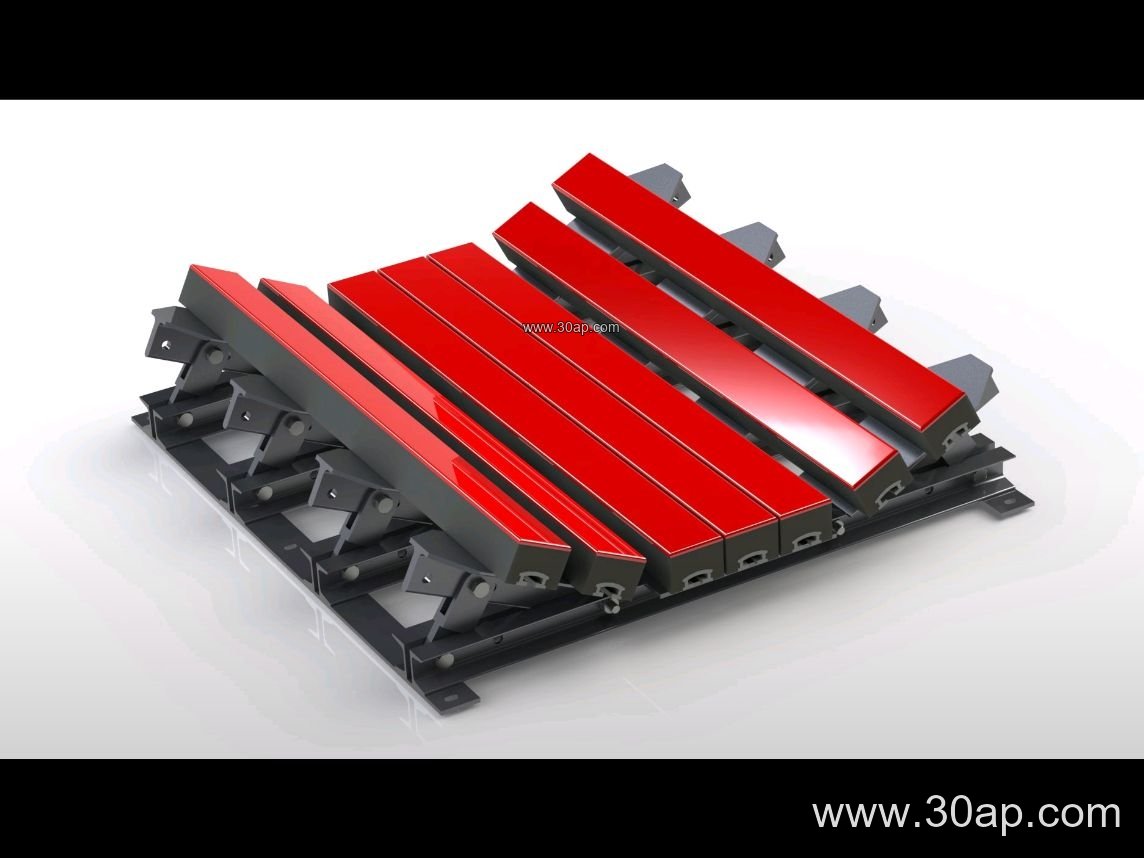
- Troughing bracket (upper carrying side)
- Transition bracket near pulleys
- Return bracket and V-return bracket
- Impact bracket under loading points
- Self-aligning and forward-leaning brackets
- Hanging bracket and adjustable bracket
Adjustable brackets let maintenance teams change the trough angle on site, while fixed brackets are welded or bolted in one preset position.
Matching Bracket, Belt Width, and Roller Diameter
Bracket selection starts with belt width and the required trough angle, then moves to roller diameter and shaft size. There is no fixed rule that one belt width matches one trough angle or one roller diameter; the combination depends on capacity, material, and frame design. The table below shows reference combinations often seen in catalogues and project drawings, not mandatory matches.
| Belt width | Trough angle | Roller diameter | Typical use |
|---|---|---|---|
| B500 | 20° / 30° | Ø89 | Small sand and gravel lines |
| B650 | 30° / 35° | Ø89 / Ø108 | Aggregate transfer |
| B800 | 35° | Ø108 | Cement plant and power plant coal |
| B1000 | 35° / 45° | Ø108 / Ø133 | Iron ore and quarry duty |
| B1200 | 35° / 45° | Ø133 / Ø159 | Heavy mining and port loading |
| B1400–B1600 | 35° / 45° | Ø159 / Ø194 | High-capacity bulk handling |
Installation hole spacing and crossbeam length usually change with belt width and trough angle, so these should be confirmed against the frame drawing rather than assumed.
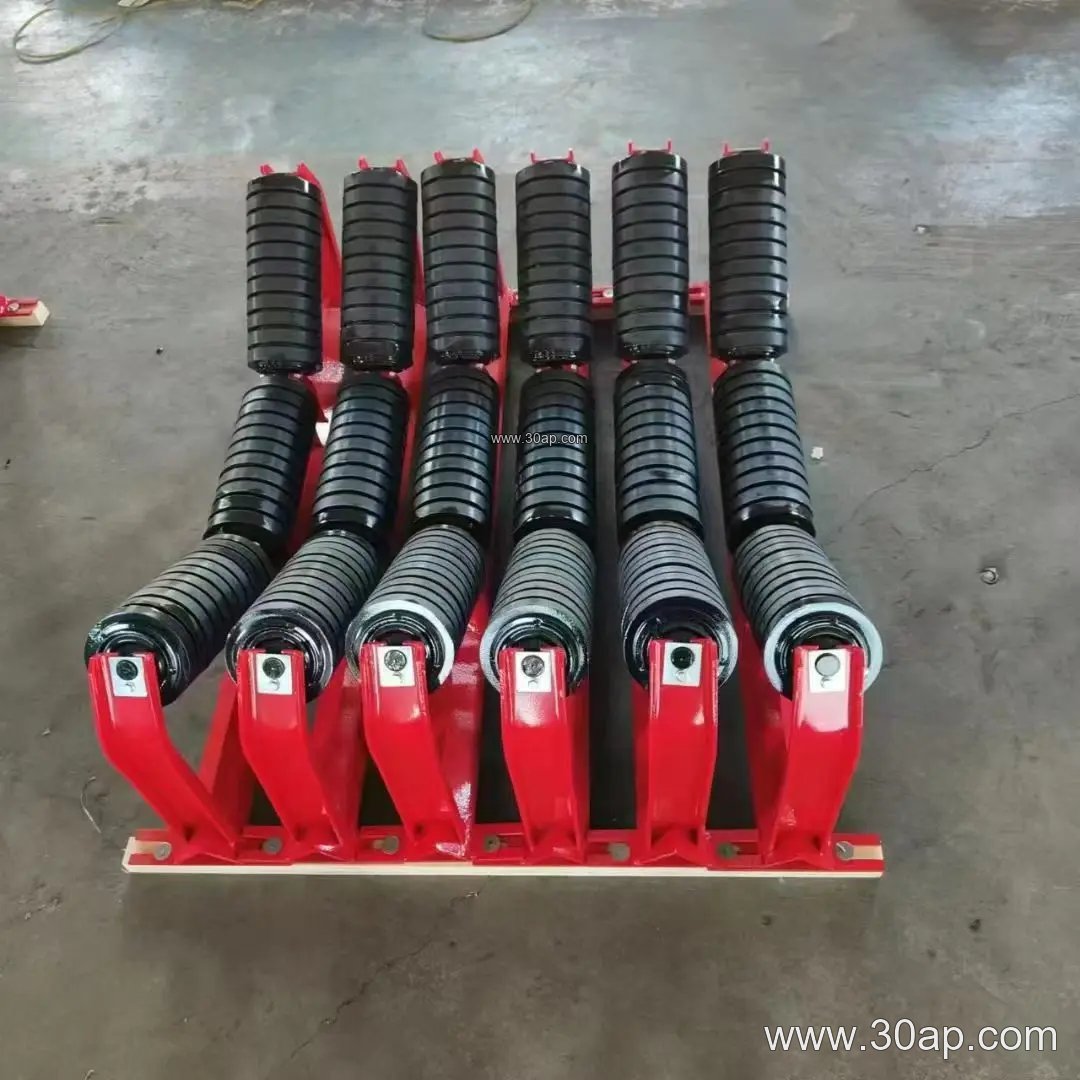
Where the Bracket Fits in a Conveyor System
In a limestone quarry, troughing brackets on the main incline carry a quarry conveyor belt loaded with crushed rock, while impact brackets sit below the crusher discharge. In a coal-fired power plant, flame retardant and anti-static belts run on brackets that must stay aligned through long transfer galleries. The bracket works together with the idler roller, the frame, and the conveyor pulley at each end; misalignment at any one of them shows up as edge wear on the belt.
For heavier duty, a steel cord belt or a high abrasion resistant belt is often paired with larger rollers and stronger brackets. In underground coal mining, fire resistant and anti-static grades are normal, and brackets must be easy to replace in confined spaces.
What Buyers Should Check
- Frame fit: confirm hole spacing, beam length, and mounting height against the existing frame.
- Load and impact: use impact brackets at transfer points and heavier sections where material drops from height.
- Adjustability: adjustable brackets help correct belt tracking and fine-tune trough angle, but fixed brackets are simpler and stiffer.
- Corrosion and environment: wet washing plants and coastal ports need appropriate surface treatment.
- Roller compatibility: shaft diameter, flat length, and fixing method must match the idler roller.
For advice on matching brackets with EP conveyor belt or NN conveyor belt specifications, or with steel cord conveyor belt and chevron conveyor belt installations, describe the belt width, trough angle, and roller diameter so the bracket can be quoted correctly. A bracket that fits the frame and the roller is the quietest, longest-lasting part of the whole conveyor.