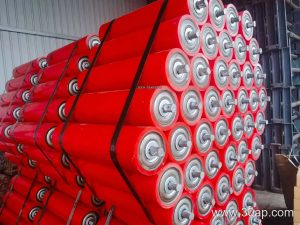
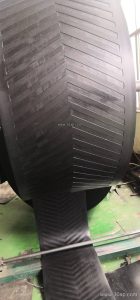
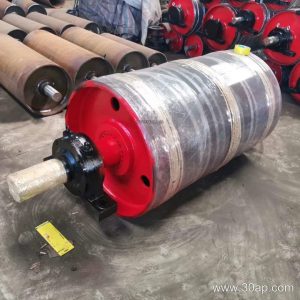
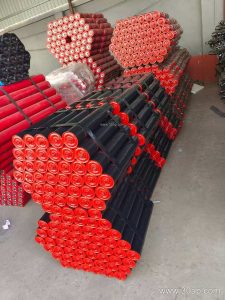
What a Non-Standard Conveyor Bracket Is
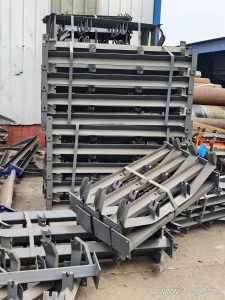
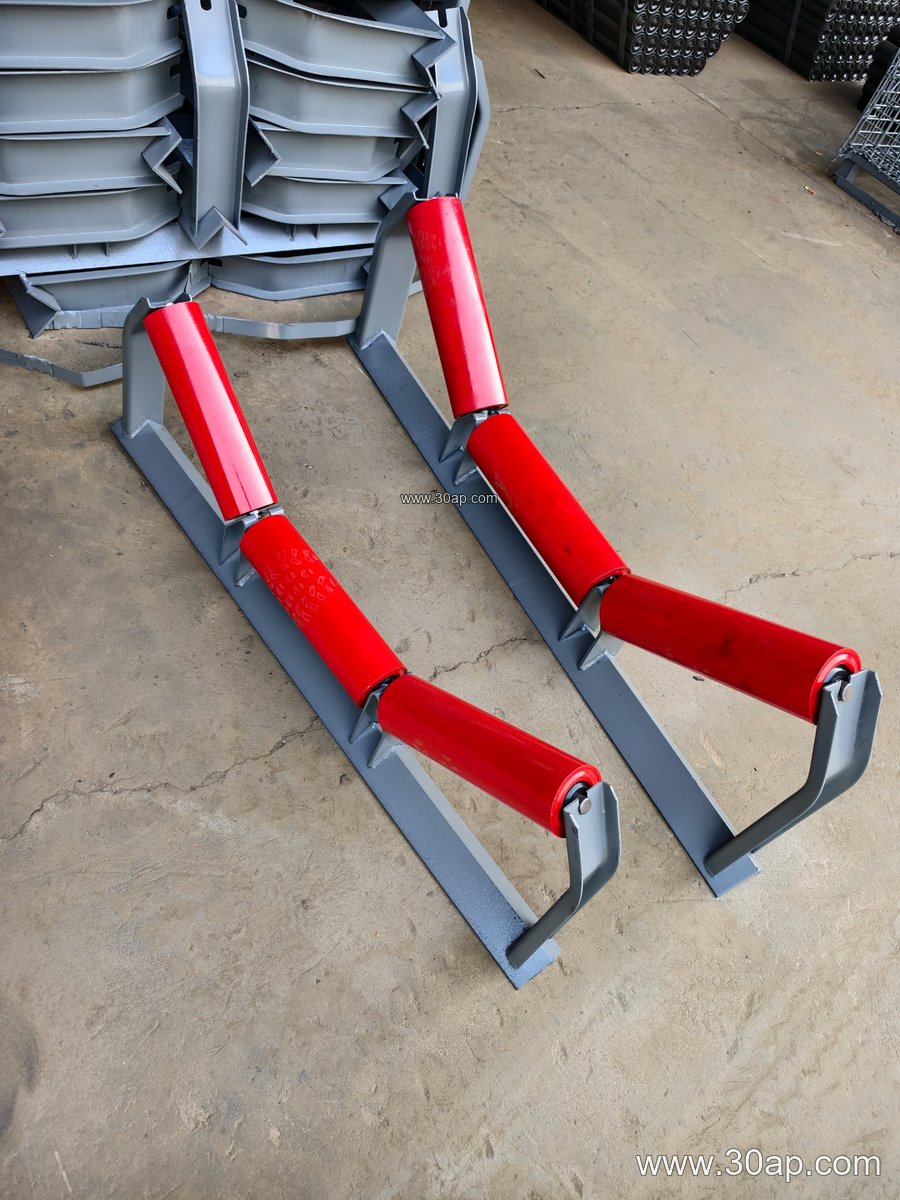
A non-standard conveyor bracket is a custom-made support component that holds idler rollers or pulleys in a conveyor system where standard off-the-shelf brackets do not fit. It is designed to match specific belt width, trough angle, roller diameter, and mounting conditions. Unlike standard brackets, which follow common dimensional patterns, a non-standard bracket is engineered per application, often for retrofit projects, space-constrained installations, or specialized material flow. In industries such as quarrying, coal mining, cement production, and power plant coal handling, these brackets help maintain proper belt support where layout or load requirements deviate from the norm.
Construction and Design Features
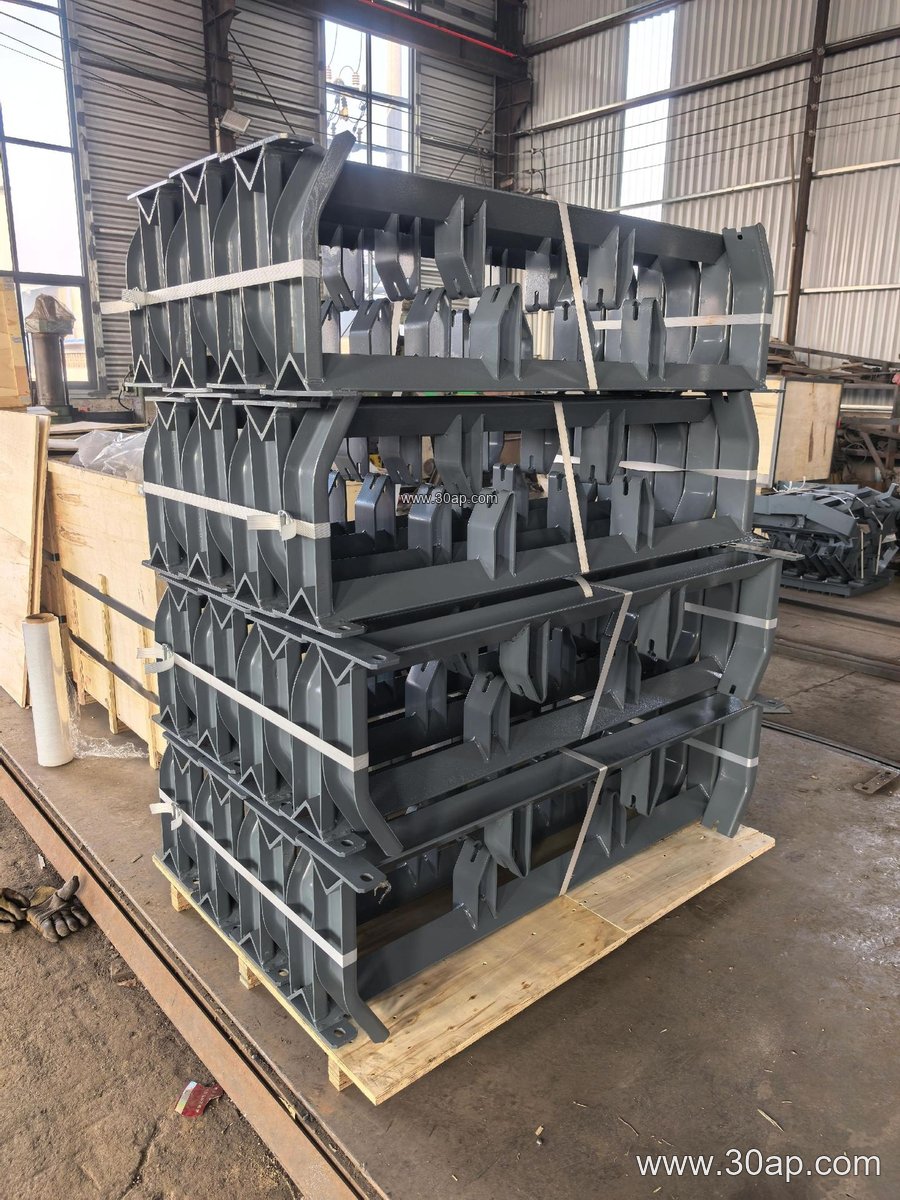
Non-standard conveyor brackets are typically fabricated from angle steel, channel steel, or folded steel plate. The choice of material and thickness depends on the load, environmental conditions, and required rigidity. The bracket may include features such as adjustable trough angles (commonly 20, 30, 35, or 45 degrees), forward tilt of about 1.5 to 2 degrees for training effect, or variable mounting hole spacing to accommodate different roller diameters (e.g., Ø89, Ø108, Ø133, Ø159, Ø194). Because they are custom-built, each bracket is produced to drawing, ensuring compatibility with the conveyor structure and the specific idler roller or pulley it supports.
Typical Applications in Bulk Handling
These brackets are found in a range of demanding environments. In a limestone quarry, a non-standard conveyor bracket might be used to support a 1200mm wide EP conveyor belt at a 35-degree trough angle where standard brackets cannot align with the existing frame. In a coal preparation plant, custom brackets may hold V-return rollers to improve belt tracking on a 1000mm wide flame retardant conveyor belt. Other applications include cement plants handling abrasive clinker, power plants with high-temperature fly ash, and port facilities where conveyor routes curve around obstacles. The ability to tailor mounting dimensions and angles makes these brackets valuable for retrofits and space-limited upgrades.
Key Parameters and Selection Considerations
When specifying a non-standard conveyor bracket, several parameters must be defined. The table below lists common reference values; actual dimensions are determined by design and should be confirmed with the supplier.
| Parameter | Common Reference Values |
|---|---|
| Belt width (B) | B500, B650, B800, B1000, B1200, B1400, B1600, B1800, B2000, B2200 |
| Trough angle | 20°, 30°, 35°, 45° (adjustable brackets can vary within this range) |
| Roller diameter | Ø89, Ø108, Ø133, Ø159, Ø194 |
| Material | Angle steel, channel steel, folded steel plate |
| Mounting hole spacing | Varies with belt width and trough angle; defined per design |
Buyers should provide the conveyor belt width, required trough angle, roller diameter, and any special constraints such as available space or corrosion resistance. It is important to note that belt width does not dictate a single trough angle or roller diameter; multiple combinations are possible. For instance, a B800 belt might use a 30-degree trough with Ø108 rollers in one application, while a B1200 belt could use a 45-degree trough with Ø133 rollers elsewhere. The bracket must also account for the type of idler roller (e.g., carrying, impact, return) and the pulley it supports, if applicable.
Compatibility with Conveyor Components
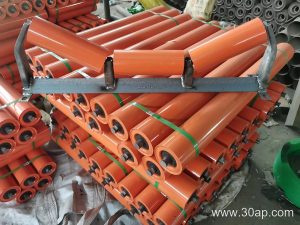
A non-standard conveyor bracket must integrate seamlessly with the conveyor belt, idler rollers, and conveyor pulleys. For example, when used with a steel cord conveyor belt, the bracket needs to handle higher tension and load, often requiring heavier fabrication. In coal mining, flame retardant conveyor belts and anti-static properties may influence material selection for the bracket to avoid sparking. Similarly, heat resistant conveyor belts in cement plants may demand brackets that can withstand thermal cycling. The bracket should also be designed to accommodate the specific roller diameter and mounting style, ensuring proper belt support and alignment.
Buyer Checklist
- Define belt width, trough angle, and roller diameter.
- Specify material and surface treatment (e.g., painting, galvanizing) for the environment.
- Provide mounting dimensions or a drawing of the conveyor frame interface.
- Consider adjustment needs for belt tracking and future maintenance.
- Confirm load ratings and safety factors with the manufacturer.
Working with an experienced supplier ensures that the non-standard bracket meets the exact requirements of your conveyor system. For related components such as conveyor idlers and pulleys, visit our product pages for more information.