What a Ceramic Lagged Drive Pulley Does
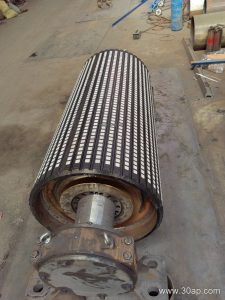
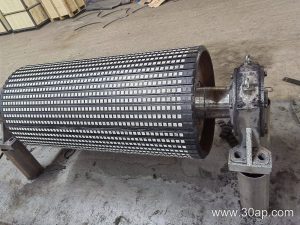
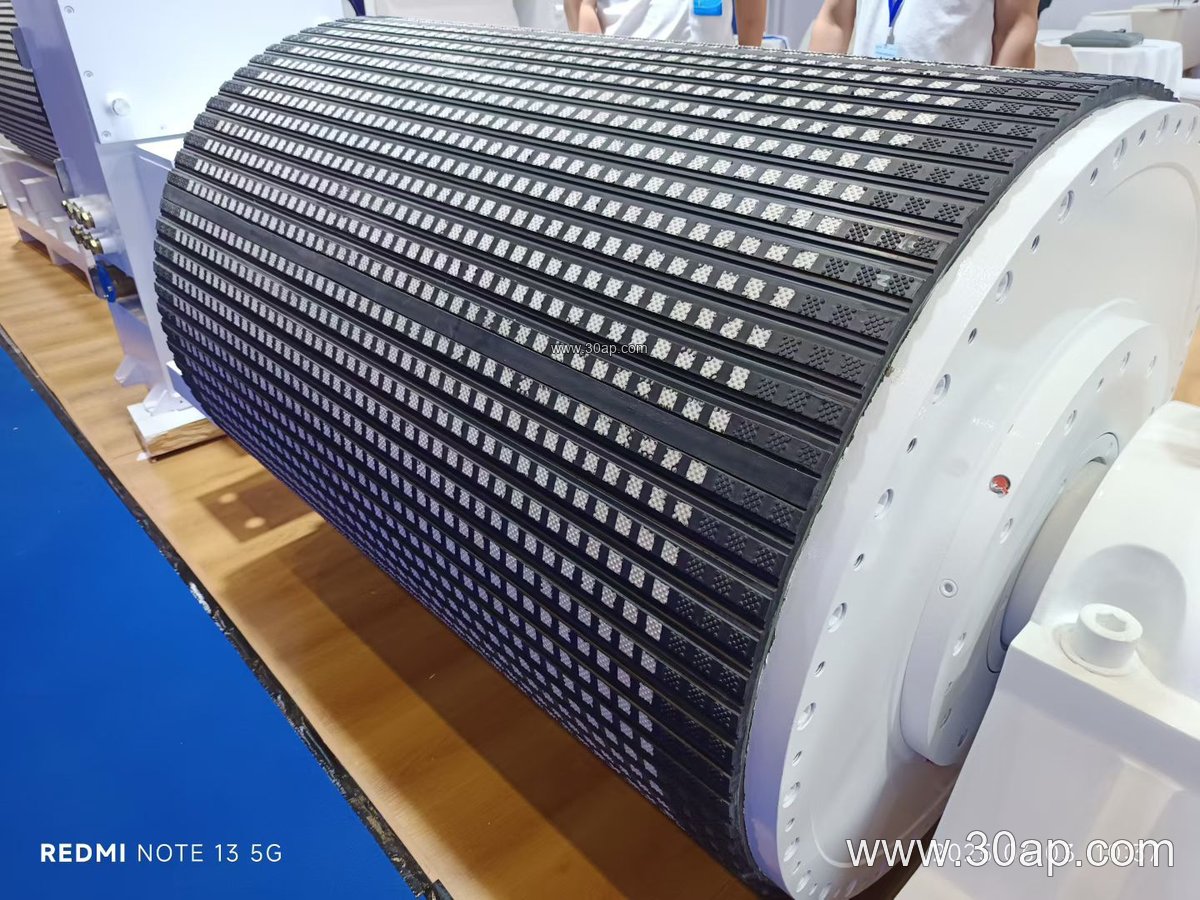
A ceramic lagged drive pulley is the driven drum at the head of a conveyor that transfers torque to the belt through a friction surface made of embedded ceramic tiles. Instead of a plain steel shell or a smooth rubber cover, the shell carries a lagging in which hard ceramic pads sit in a rubber or polymer matrix, with the ceramic standing slightly proud of the surrounding material. That combination gives the pulley a high coefficient of friction while resisting the polishing and grooving that plain lagging can suffer when belts slip under load.
The ceramic lagging also helps water and fine dust escape from the contact zone. In wet or muddy conditions, the raised pattern breaks the film that would otherwise reduce grip. This is why the ceramic lagged drive pulley is often chosen for conveyors that run in washdown areas, tunnel spoil handling, or open yards where rain and slurry are part of daily life.
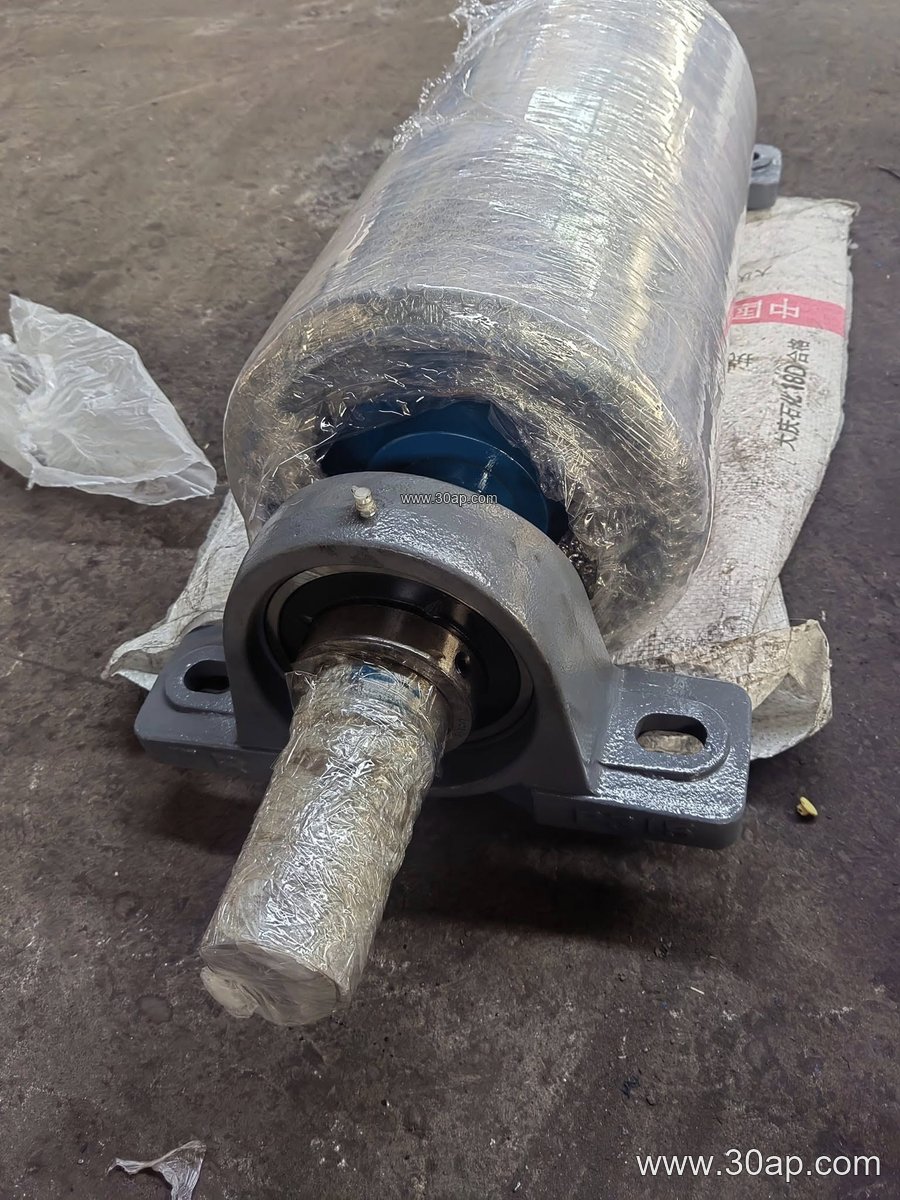
How the Pulley Is Built
The core is a welded steel shell with end discs and a shaft, machined so that runout stays within tolerance. Lagging is applied in one of two common ways: tiles bonded directly to a prepared shell, or pre-formed ceramic lagging sheets glued and then vulcanized or cold-bonded in place. Tile size, spacing and thickness vary by supplier, and the pattern may be square, diamond or chevron-shaped. A diamond or chevron layout is often used because it sheds material sideways as the belt wraps the drum.
A ceramic lagged drive pulley is not the same component as a tail pulley or a bend pulley. Tail and bend pulleys guide and tension the belt, while the drive pulley is the one that actually pulls it. A tail pulley might also be lagged, but its job is different, so the two should never be treated as interchangeable when ordering spares.
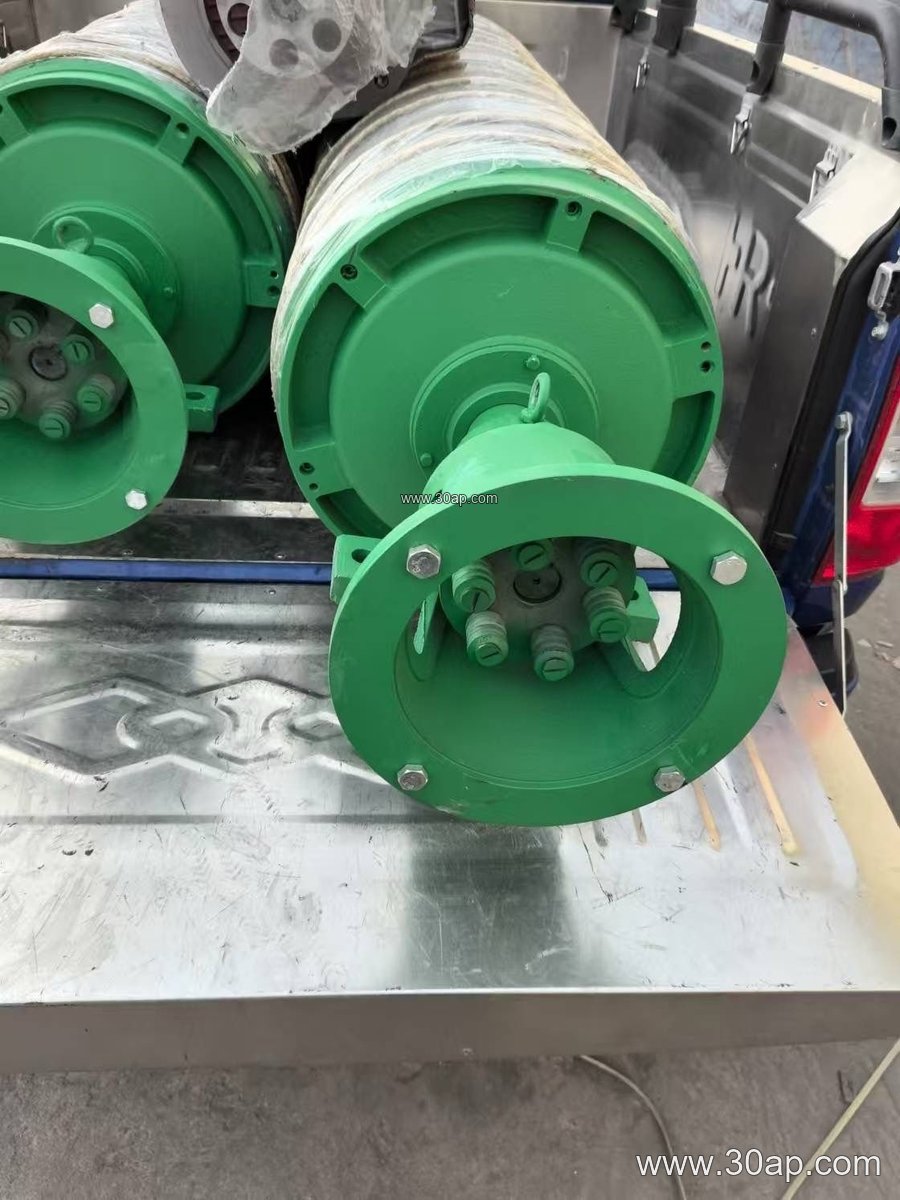
- Shell material: usually carbon steel, sometimes stainless for wet or corrosive service.
- Ceramic tiles: alumina-based, typically 10 to 20 mm thick including the matrix.
- Bonding: hot vulcanized, cold bonded, or mechanically fastened depending on design.
- Surface pattern: diamond, chevron, square, or plain tile layout.
Where It Fits in the Plant
You will see this drum on the head end of a belt conveyor in a limestone quarry, a coal preparation plant, a cement clinker line, a power station coal yard, or a port bulk terminal. It suits conveyors carrying abrasive bulk material where the belt must keep grip even when the surface is damp.
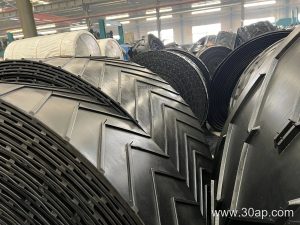
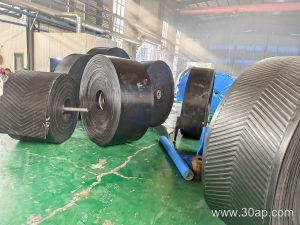
In a crushing and screening circuit, a ceramic lagged drive pulley on the main feed belt helps hold the belt steady through start-up surges. In a coal handling system, the same drum type is often paired with a flame retardant conveyor belt to keep the whole drive assembly consistent with fire safety requirements. At a port ship loader, the pulley may work alongside a steel cord conveyor belt on a long, high-tension run.
Sizes and Matching to the Belt
There is no single rule that ties one belt width to one drum diameter. The drive pulley diameter is chosen from belt tension, shaft torque, belt construction and the minimum pulley diameter the belt manufacturer allows. Common combinations include B800 x Ø500, B1200 x Ø1000 and B1400 x Ø800, but these are examples, not fixed pairings.
| Belt width | Typical face width | Common diameters |
|---|---|---|
| B500 | about 600 mm | Ø250, Ø315, Ø400 |
| B650 | about 750 mm | Ø315, Ø400, Ø500 |
| B800 | about 950 mm | Ø400, Ø500, Ø630 |
| B1000 | about 1150 mm | Ø500, Ø630, Ø800 |
| B1200 | about 1400 mm | Ø630, Ø800, Ø1000 |
| B1400 | about 1600 mm | Ø800, Ø1000, Ø1250 |
| B1600 | about 1800 mm | Ø1000, Ø1250, Ø1400 |
Shaft diameter is set by torque and bearing load, not by belt width alone; Ø80, Ø100, Ø120 and Ø140 are common on medium drives, with larger shafts on high-tension head ends. The ceramic lagging thickness is often 10, 12, 15 or 20 mm, and the face width usually runs slightly wider than the belt so the belt stays fully supported.
Buyer Checklist
- Confirm the pulley position and duty: head drive, not tail or bend.
- State belt width, belt type and the belt maker’s minimum pulley diameter.
- Give the calculated torque and the shaft size you need, or the data to calculate it.
- Specify ceramic pattern and lagging thickness for the material being carried.
- Check that the conveyor bracket and bearing housing match the shaft and mounting centres.
- Ask how tiles are bonded and whether the lagging can be replaced in the field.
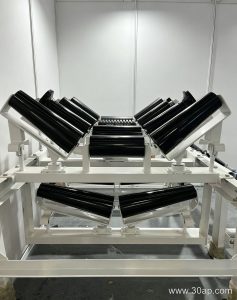
Abrasion resistant conveyor belt grades are common on these drives, but the pulley lagging still needs periodic inspection. Worn or missing tiles reduce grip quickly, so spare tiles or replacement lagging sheets should be planned before the belt starts slipping. Matching the drive pulley to the right conveyor belt and idler roller set keeps the whole conveyor stable, and buying through a supplier who understands drum and belt interaction avoids mismatched parts.