What an ST1250 Conveyor Belt Is
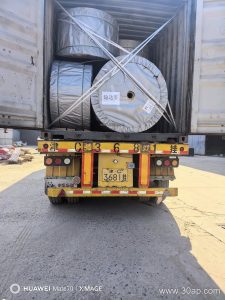
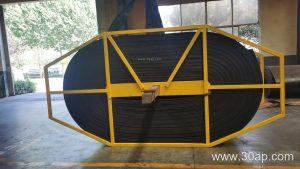
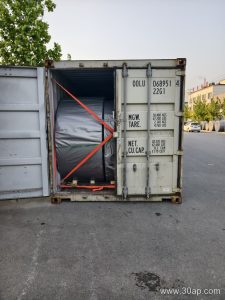
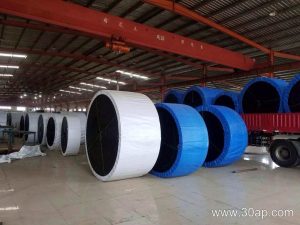
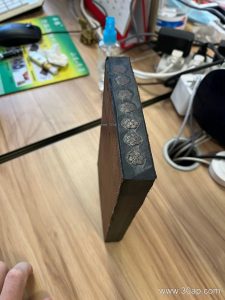
An ST1250 Conveyor Belt is a steel cord conveyor belt with a nominal tensile strength of 1250 N/mm. It belongs to the Steel Cord Conveyor Belt family, where the load-bearing skeleton is a single plane of high-carbon steel cords instead of woven fabric plies. This construction gives the belt high tensile strength, very low elongation, and excellent resistance to impact and tearing, which is why it is common in mines, cement plants, power stations, ports, and large quarry and aggregate operations.
The ST1250 Conveyor Belt is often specified when a fabric belt would need too many plies or would stretch too much over a long center distance. Compared with an EP Conveyor Belt or NN Conveyor Belt, the steel cord design carries more load per unit of width and holds its length better under tension, though it demands careful splicing and proper pulley and idler roller alignment.
How the Belt Is Built
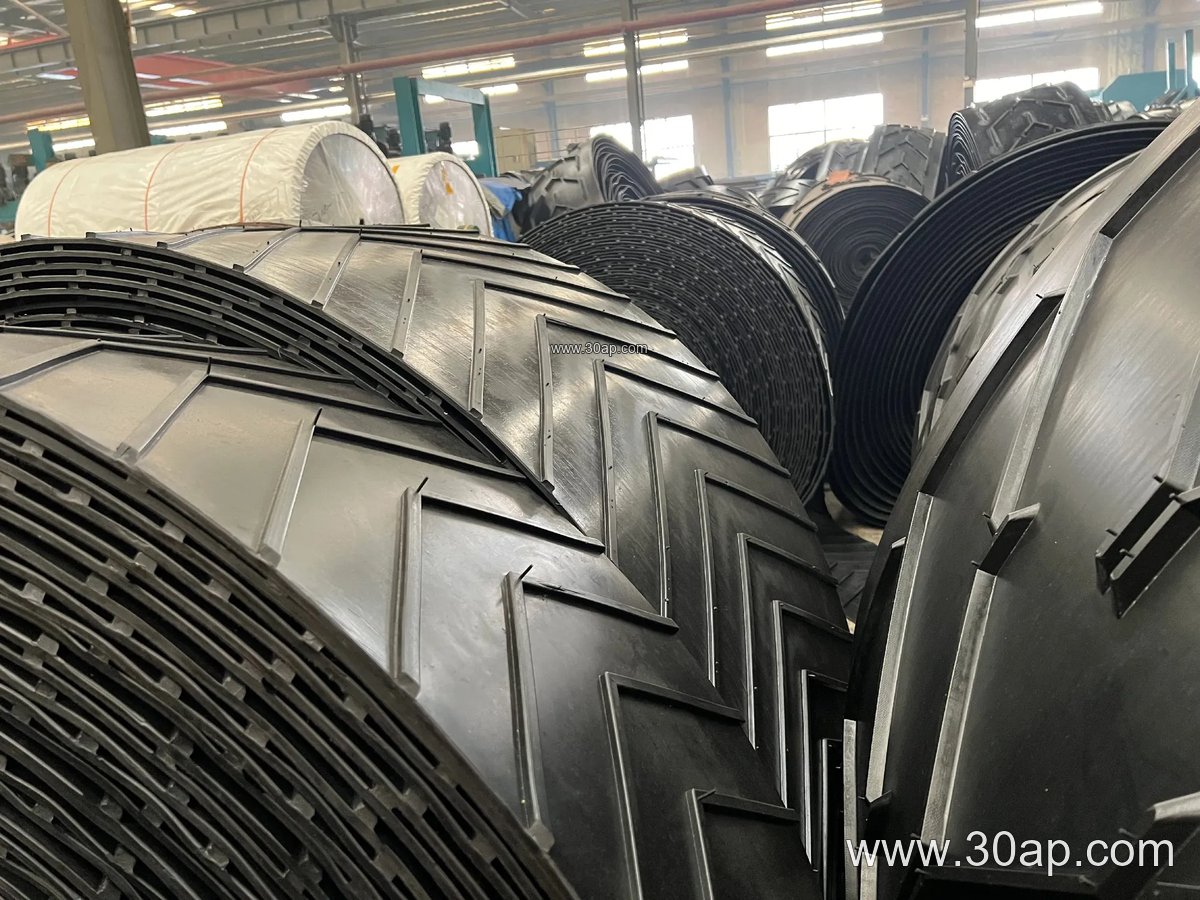
The core is a set of brass- or zinc-coated steel cords arranged parallel along the belt length. A rubber core compound fills the spaces between cords, and top and bottom cover rubber protect the carcass. Cover thickness is usually selected from common combinations such as 4+2 mm, 5+2 mm, 6+2 mm, or 8+3 mm depending on abrasion and impact conditions. The belt edge is usually protected by a rubber edge strip or reinforced edge construction.
Cover compounds can be tailored to the duty: Abrasion Resistant Conveyor Belt grades for ore and rock, Heat Resistant Conveyor Belt grades for clinker or sinter, Flame Retardant Conveyor Belt and Fire Resistant Conveyor Belt grades for coal mining and underground coal mining, Oil Resistant Conveyor Belt grades for oily materials, and Anti-Static Conveyor Belt grades where static build-up is a concern. For special routing, a Corrugated Sidewall Conveyor Belt or Chevron Conveyor Belt may be considered, but these are different constructions from the flat ST1250 belt.
Typical Working Conditions
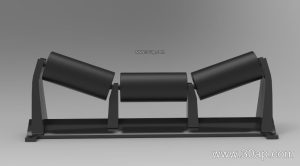
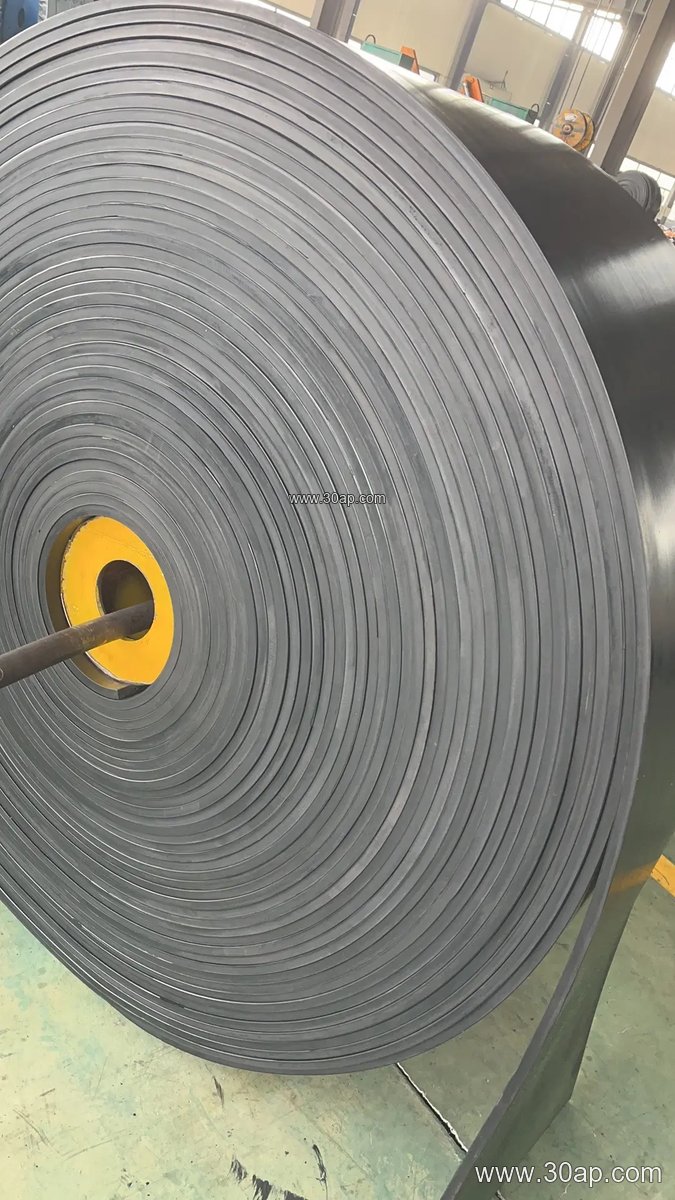
ST1250 belts are used on long overland conveyors, inclined haulage lines, and high-capacity trunk conveyors. In a coal mine, the belt may run with a flame-retardant cover; in a cement plant it may carry limestone or clinker; in a power plant it may handle coal or ash; in a port it may work on ship loading and unloading lines. The belt runs over a conveyor pulley at the drive and tail ends, is supported by idler roller sets, and is held in line by conveyor brackets and frames.
Because steel cord belts have limited flexibility, pulley diameters and transition distances must be checked by the conveyor designer. A narrow belt width does not automatically mean a small pulley, and a wide belt does not fix a shaft diameter. Drive pulley, tail pulley, and bend pulley each have their own function and should not be treated as interchangeable terms.
Common Reference Data
The table below shows typical reference values and is not a fixed supply promise. Actual belt design depends on the conveyor layout, material, and manufacturer.
- Belt type: ST1250 Steel Cord Conveyor Belt
- Nominal strength: 1250 N/mm
- Common widths: B800, B1000, B1200, B1400, B1600, B1800, B2000
- Cover thickness examples: 4+2 mm, 5+2 mm, 6+2 mm, 8+3 mm
- Typical carcass: single-plane steel cord
- Related equipment: conveyor pulley, idler roller, conveyor bracket
Buyer Checklist
Before ordering, confirm the belt width, cover grade and thickness, splice method, and expected ambient and material temperature. Ask for the cord pitch and edge distance so the splice can be planned. Check that the drive pulley, tail pulley, and bend pulley diameters meet the belt manufacturer’s minimum requirements, and confirm idler roller spacing at loading points. For abrasive ore or rock, specify a High Abrasion Resistant Conveyor Belt cover; for hot material, use a Heat Resistant Conveyor Belt grade; for underground coal mining, the Flame Retardant Conveyor Belt requirement usually applies.
Storage and handling also matter. Steel cord belts are heavy and should be supported on a suitable stand, kept dry, and not sharply bent. During installation, align the conveyor pulley and idler roller frames and keep the belt clean to reduce edge damage. A well-matched ST1250 Conveyor Belt, correctly spliced and maintained, can serve long-haul bulk material conveyor lines in mining, cement, power, and port industries.