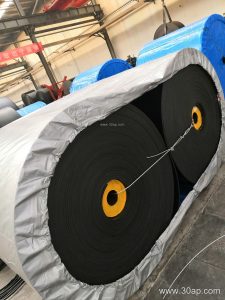
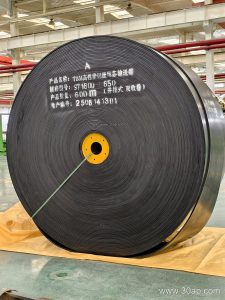
What a PVG800 Conveyor Belt Is
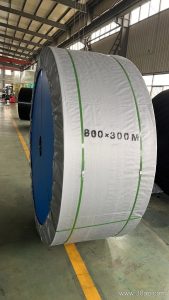
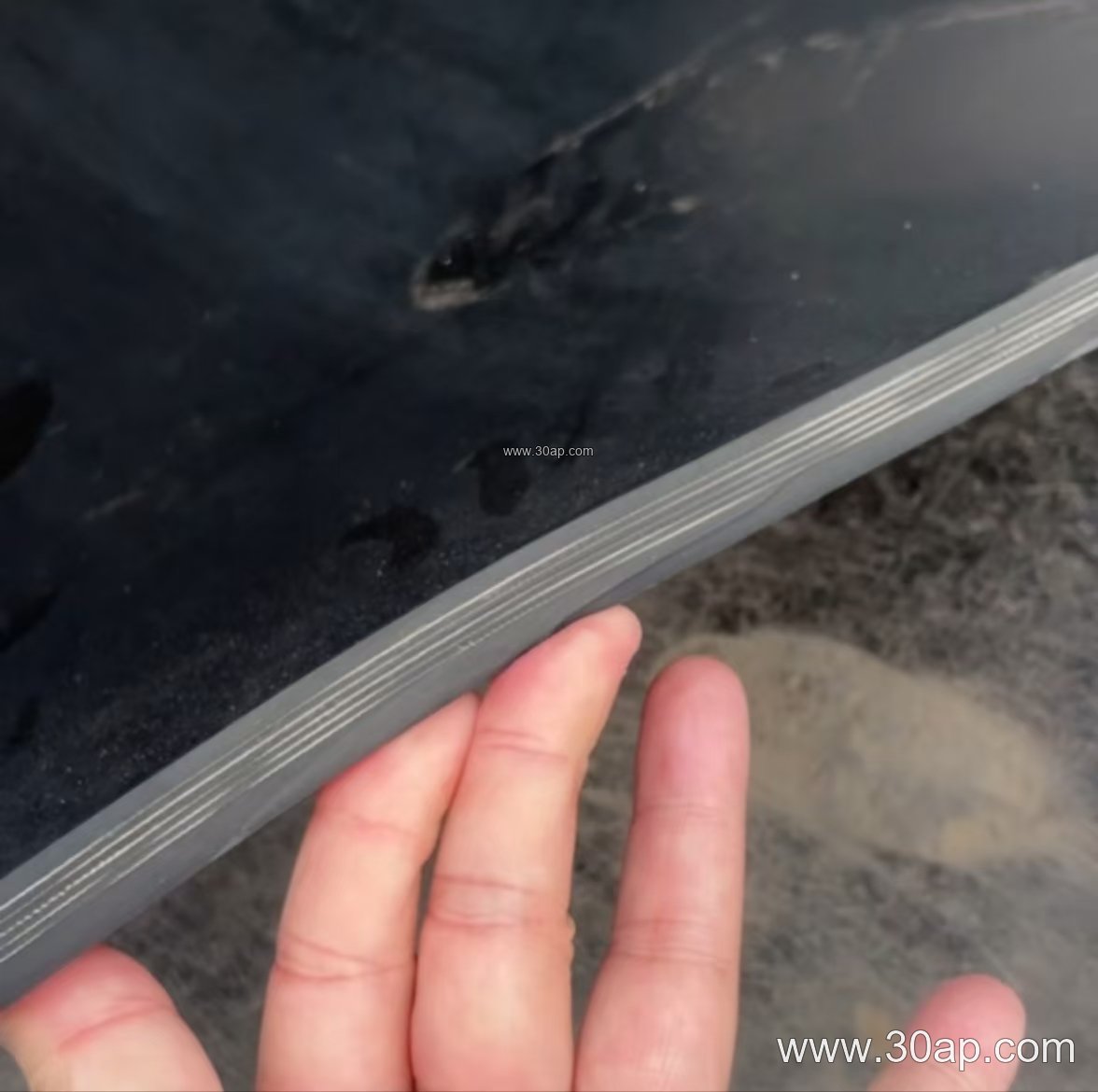
A PVG800 Conveyor Belt is a solid-woven, PVC-based conveyor belt with a rated tensile strength of 800 N/mm, typically supplied as a two-ply or multi-ply construction with PVC covers on both faces. In coal mining and other underground duties it is often described as a PVG conveyor belt, and the same product appears in tender documents as a solid woven PVC conveyor belt. The “800” refers to the belt’s longitudinal strength class, not to its width or thickness.
Because the carcass is impregnated and bonded as one solid body, this belt resists delamination, edge fraying and moisture ingress better than many laminated constructions. That matters in wet, dusty and confined environments such as underground coal mining, tunnels and enclosed transfer towers.
Construction and Surface Options
The body of a PVG800 belt combines a woven fabric core with PVC-based covers, giving a balance of flexibility, troughability and abrasion resistance. Buyers commonly specify cover thickness, surface pattern and fire performance at the same time.
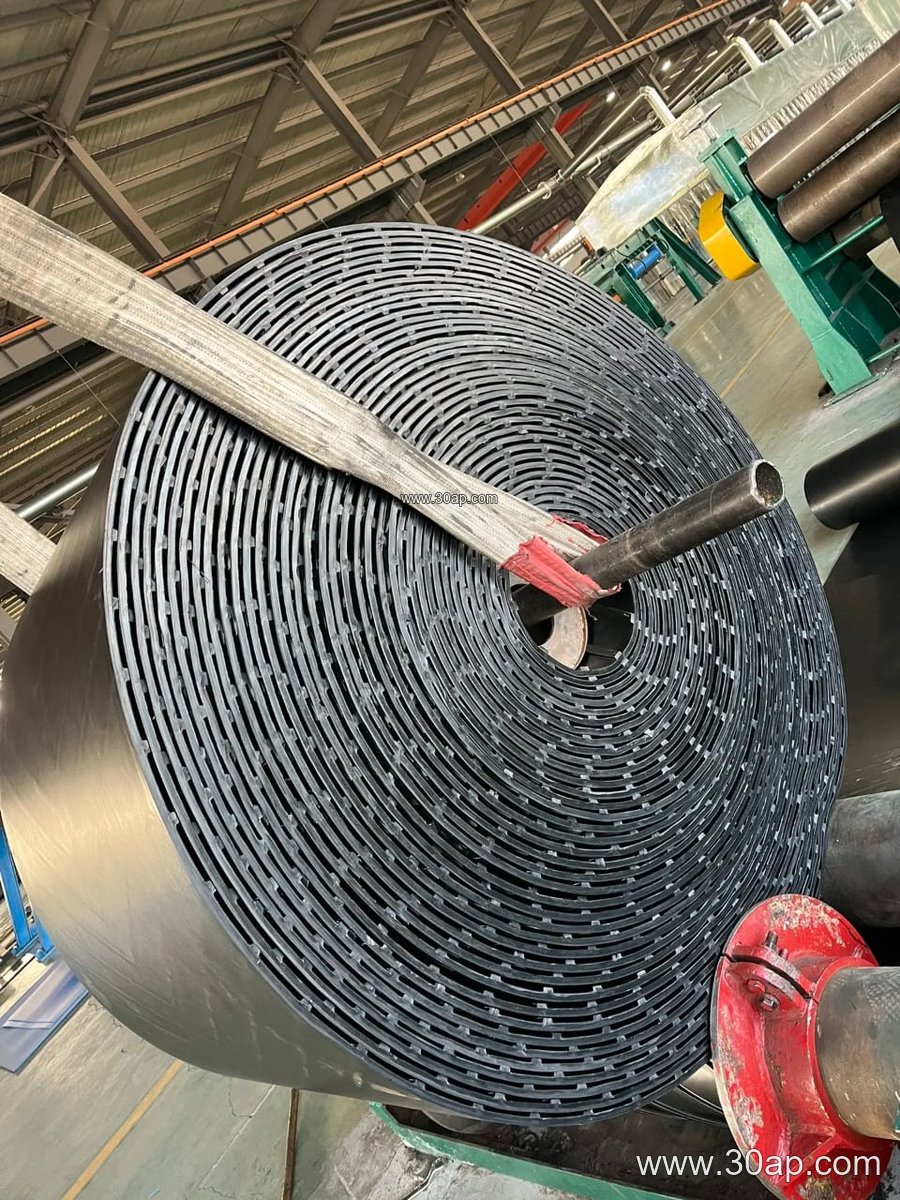
- Standard smooth covers for general bulk conveying
- Fire resistant and anti-static grades for underground coal mining and other regulated areas
- PVG800S Conveyor Belt variants where a different surface or property is required for the duty
- Ribbed or patterned surfaces on request for inclined sections
For comparison only, a Chevron Conveyor Belt or Corrugated Sidewall Conveyor Belt solves steep-incline or material-containment problems in a different way; they are not substitutes for a PVG800 belt on a standard troughed line.
Where the Belt Fits
Typical installations include underground coal mining conveyors, main haulage drifts, coal preparation plants, cement and aggregate lines, port and ship loading systems, and power plant coal handling. The belt also appears in mining and quarry duty where moderate strength and good flame performance are both required.
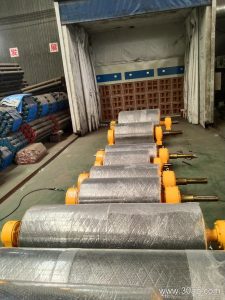
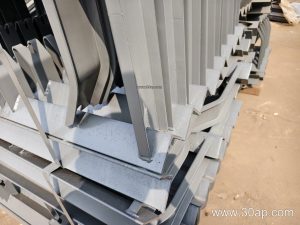
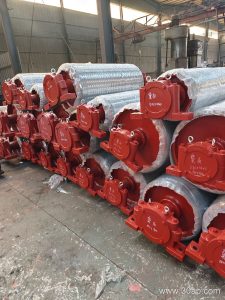
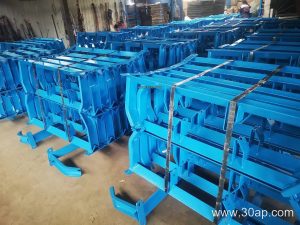
On the conveyor structure, the belt runs over idler rollers arranged in a trough, wraps the head and tail conveyor pulleys, and is supported by conveyor brackets and frames. The belt, rollers and pulleys are selected together; a given belt width does not dictate one fixed pulley diameter or shaft size.
Reference Dimensions
The following values are common industry references, not a supply promise. Actual construction is confirmed by the manufacturer for each order.
Strength and Width
| Property | Typical reference values |
|---|---|
| Tensile strength class | PVG800 (800 N/mm); other PVG classes available |
| Belt width | B650, B800, B1000, B1200, B1400, B1600 |
| Construction | Solid woven, usually 2 to 4 plies equivalent |
Cover and Thickness
| Item | Common range |
|---|---|
| Cover thickness | 2+1 mm, 3+1.5 mm, 4+2 mm, 5+2 mm |
| Overall thickness | Typically about 8 mm to 16 mm, depending on covers |
| Surface | Smooth standard; patterned or PVG800S options on request |
Selection and Use Notes
Match the belt class to the calculated working tension with a suitable safety factor, then check cover thickness against lump size, impact and abrasion. Underground coal duties usually call for flame retardant and anti-static properties; oil-laden or hot material needs a different cover compound, and in those cases an Oil Resistant Conveyor Belt or Heat Resistant Conveyor Belt may be the more suitable family. Where a buyer needs very high tension over long distances, a Steel Cord Conveyor Belt or high-strength EP Conveyor Belt such as EP1000 or EP1250 may be compared, but neither replaces a PVG800 belt in its intended duty.
Pay attention to splicing method and training, pulley diameters, transition distances and take-up travel. Keep the belt tracking straight, maintain idler rollers and pulleys, and avoid material build-up at transfer points, since edge damage and cover wear usually start there. For conveyors in cement plants, sand and gravel yards, iron ore or copper ore handling, and port loading, confirm the actual duty with the belt supplier before ordering. More belt, roller and pulley references can be reviewed at conveyor-belt.example and idler-roller.example, with drum and frame details at conveyor-pulley.example.
Buyer Checklist
- State belt class, width, cover thickness and required fire or anti-static performance
- Confirm splice type and whether an Endless Conveyor Belt is preferred
- Provide material type, lump size, temperature, moisture and incline
- Check pulley and idler compatibility with the selected belt thickness