What a Stone Conveyor Idler Does on a Crushing Line
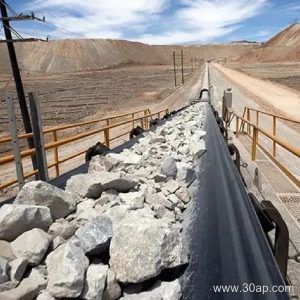
A stone conveyor idler is the rotating support that carries the loaded belt between the loading point and the discharge. In a quarry or sand and aggregate plant, the belt may be moving rough blasted rock, screened gravel, or damp manufactured sand, so the idler has to keep the belt tracking while absorbing constant vibration and grit. The idler roller itself is a simple assembly, but its condition decides how much power the drive needs and how long the conveyor belt lasts. A worn or seized idler can scrub the bottom cover of an abrasion resistant conveyor belt and create a tracking problem that looks like a pulley fault.
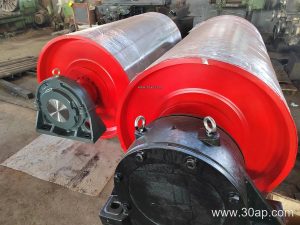
Buyers often search for stone conveyor idler when replacing troughing sets on a primary or secondary crushing conveyor. The same component is also called a stone belt conveyor roller or a troughing idler, depending on the supplier. Those names describe the same product; they do not refer to a drive pulley, a tail pulley, or a bend pulley, which are separate components with different duties.
How the Idler Is Built
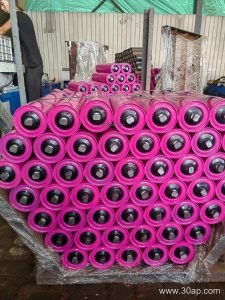
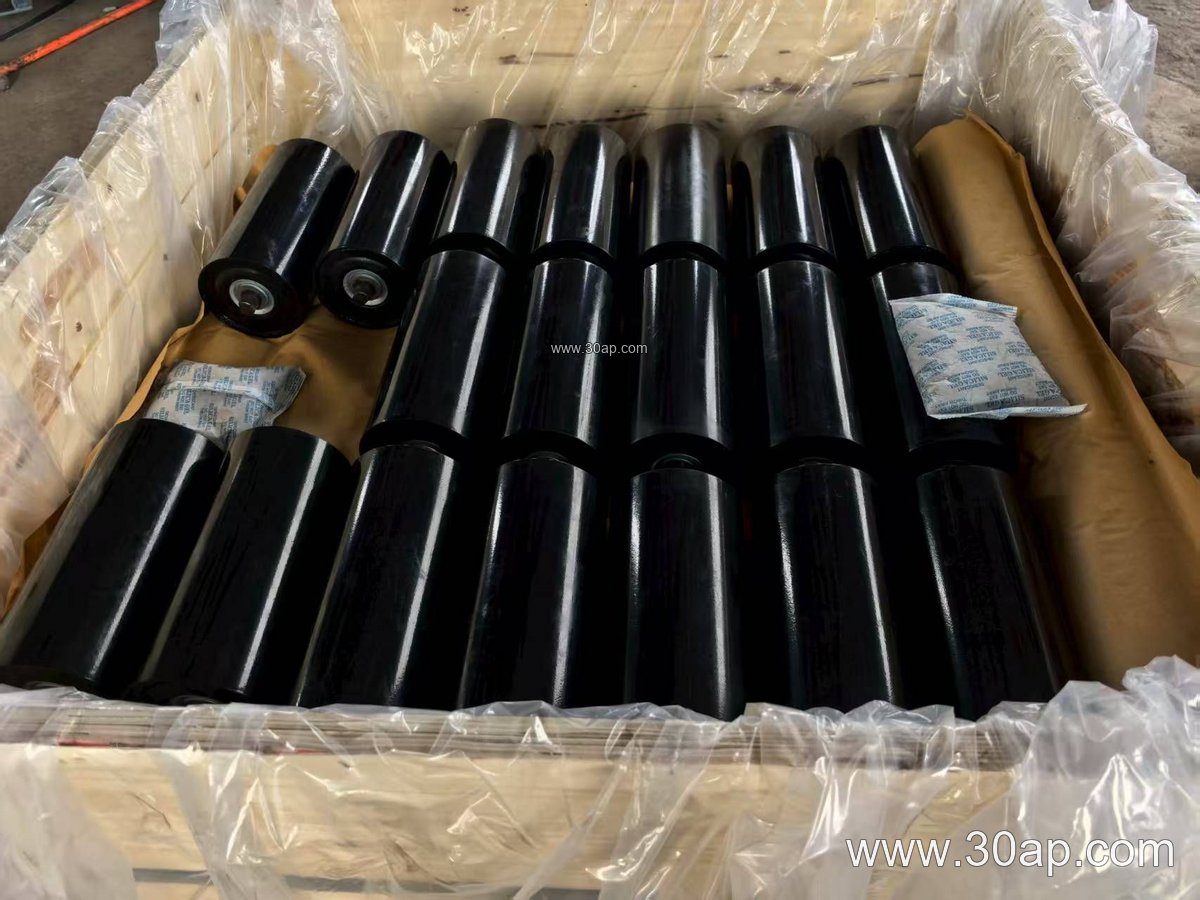
A typical idler roller has a steel tube shell, a shaft, two bearing housings, and a sealing arrangement. The shell may be plain steel, nylon coated, ceramic covered, or fitted with rubber rings for impact absorption. Bearing size is matched to the shaft and load, not to the belt width alone. Common bearings include 6204, 6205, 6305, 6306, 6308, and 6310, and a given roller diameter can be supplied with more than one bearing option.
Sealing matters in stone handling because fine dust and wash water attack bearings quickly. Labyrinth seals and multi-stage dust seals are usual on idlers for quarry conveyor belts. The frame that holds the rollers is a conveyor bracket or idler frame, and it must be aligned so the three rolls sit at the correct trough angle.
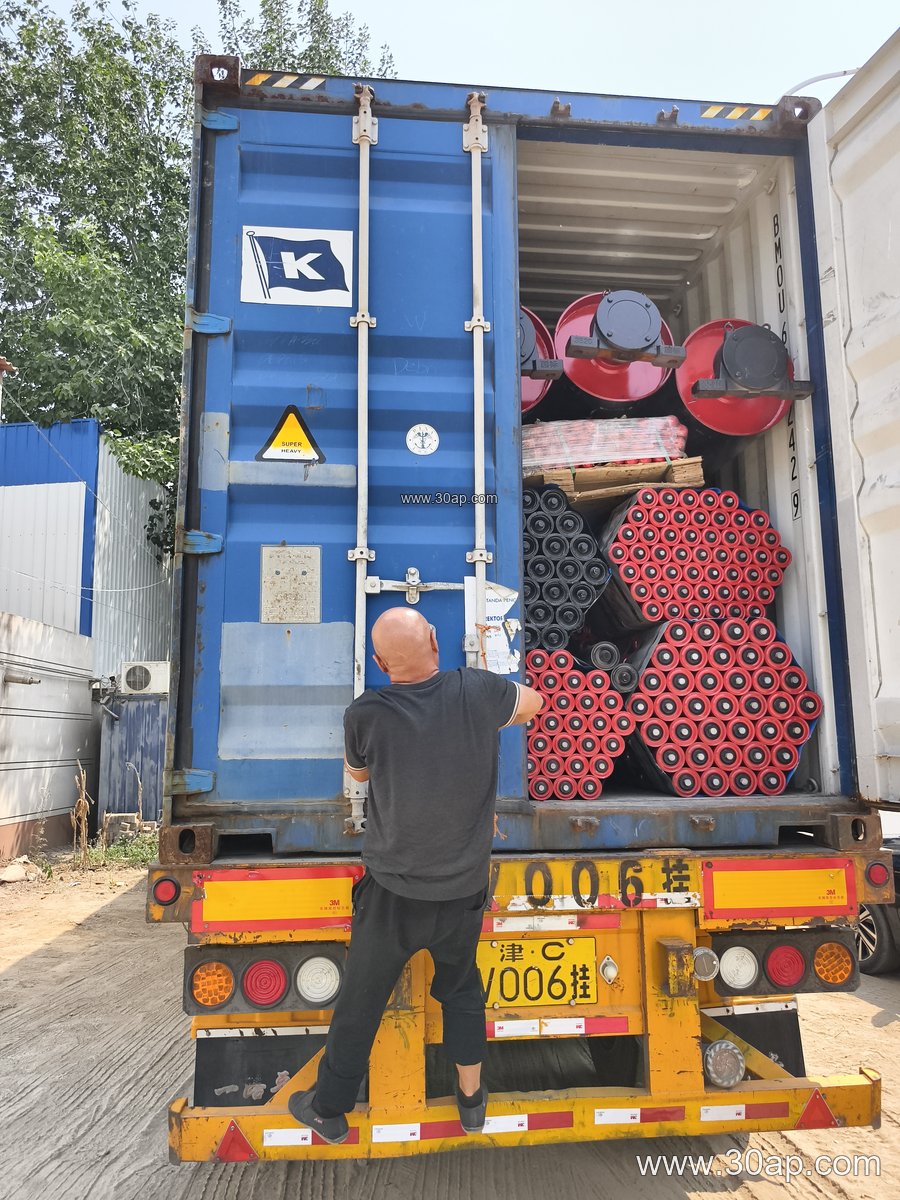
Troughing, Impact, and Return Positions
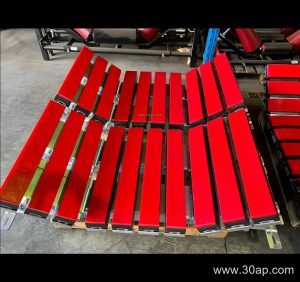
On the carrying side, three-roll troughing sets are the norm for bulk material. A 30 degree or 35 degree trough is common on stone belts, while 45 degree troughs are used where capacity and spillage control matter. Transition idlers with a shallower angle are placed near the head and tail to avoid stressing the belt edges.
At the receiving point below the crusher, impact idlers or rubber ring impact rollers protect the belt from falling rock. On the return side, a flat return idler or a V return idler supports the empty belt; the V form helps keep the belt centered. Self-aligning idlers, including friction and tapered types, are used on long runs where the belt tends to wander. Spiral idlers are sometimes chosen for sticky material that would otherwise build up on the shell.
Matching Roller Diameter, Belt Width, and Roll Length
Roller diameter is chosen from belt speed, load, and the space available under the belt. Common diameters run from about 63 mm to 219 mm, with 89 mm, 102 mm, 108 mm, 127 mm, 133 mm, and 159 mm appearing frequently in aggregate and mining conveyors. Belt widths from B400 to B2400 are handled, but the roller length depends on belt width, trough angle, and frame type, so it is set by design.
The table below shows common examples for three-roll troughing sets. Side rolls and center rolls may differ, and these values are reference points rather than fixed pairings.
| Belt Width | Typical Center Roll Length | Common Roller Diameter Range |
|---|---|---|
| B500 | about 200 mm | 63 to 89 mm |
| B650 | about 250 mm | 76 to 108 mm |
| B800 | about 315 mm | 89 to 133 mm |
| B1000 | about 380 mm | 102 to 159 mm |
| B1200 | about 465 mm | 108 to 159 mm |
| B1400 | about 530 mm | 127 to 178 mm |
| B1600 | about 600 mm | 133 to 194 mm |
| B1800 | about 670 mm | 159 to 219 mm |
Do not assume that a 1200 mm wide conveyor belt must use one specific pulley diameter or shaft size. Pulley and shaft dimensions come from the conveyor design, belt tension, and drive arrangement.
Where Stone Idlers Are Used
These rollers appear in limestone quarries, iron ore and copper ore plants, coal preparation facilities, cement plants, power plant coal handling, and port loading systems. In a sand and gravel operation, they support belts moving crushed stone from the jaw or cone crusher to the screen deck. In a cement plant they carry clinker and raw meal, and in a coal yard they work alongside flame retardant conveyor belt and fire resistant conveyor belt grades. A heavy-duty mining conveyor belt usually needs heavier idler frames and larger bearings than a light aggregate line.
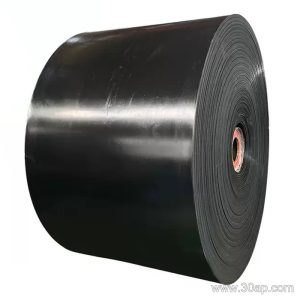
The belt grade and the idler should be selected together. A steel cord conveyor belt carrying high tonnage at high speed puts different loads on the rollers than an EP conveyor belt on a short transfer. Rubber conveyor belt covers, heat resistant conveyor belt in clinker service, and oil resistant conveyor belt in some industrial streams all influence how often idlers should be inspected.
What to Check Before Ordering
- Confirm belt width, trough angle, and whether the set is two-roll or three-roll.
- Measure the existing roller length, shaft end shape, and frame fixing centers.
- State the duty: carrying, impact, return, or self-aligning.
- Choose the shell surface for the material — plain steel for clean stone, rubber rings for impact, ceramic or nylon where wear is severe.
- Ask for the bearing designation and seal type, not just the roller diameter.
- Check that the conveyor bracket matches the new idler, since frame holes vary between suppliers.
Good maintenance practice is to rotate stock, check for seized rollers, and replace complete sets rather than single rollers where alignment would suffer. A small number of failed idlers can raise current draw on the drive and shorten the life of the conveyor belt. For a stone operation, keeping a small spare set of the most used roller size on site is usually cheaper than waiting for a replacement while the primary line is down.