What a High Wear-Resistant Lagged Pulley Does
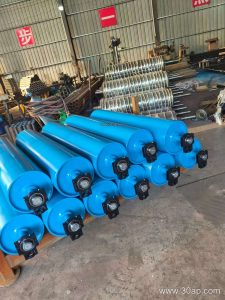
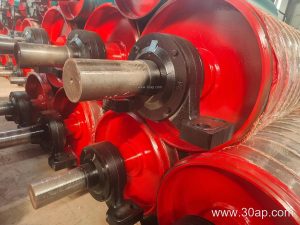
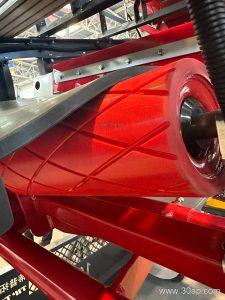
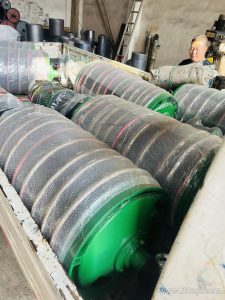
A high wear-resistant lagged pulley is a conveyor pulley whose shell is covered with a tough rubber or ceramic layer to protect both the pulley and the belt in abrasive service. In a limestone quarry or a cement plant handling clinker, fine dust and sharp particles work their way between the belt and the pulley, causing slip and rapid wear. The lagging creates a sacrificial surface that grips the belt, sheds debris, and extends the service life of the pulley. This component is often a drive pulley, but it can also be a bend pulley or a tail pulley where wear is severe.
The product is not a substitute for other pulley types. A drive pulley transmits torque, a tail pulley redirects the returning belt, and a bend pulley changes the belt path. Each has its own design considerations, and the lagged version simply adds a wear-resistant surface to the pulley that needs it most.
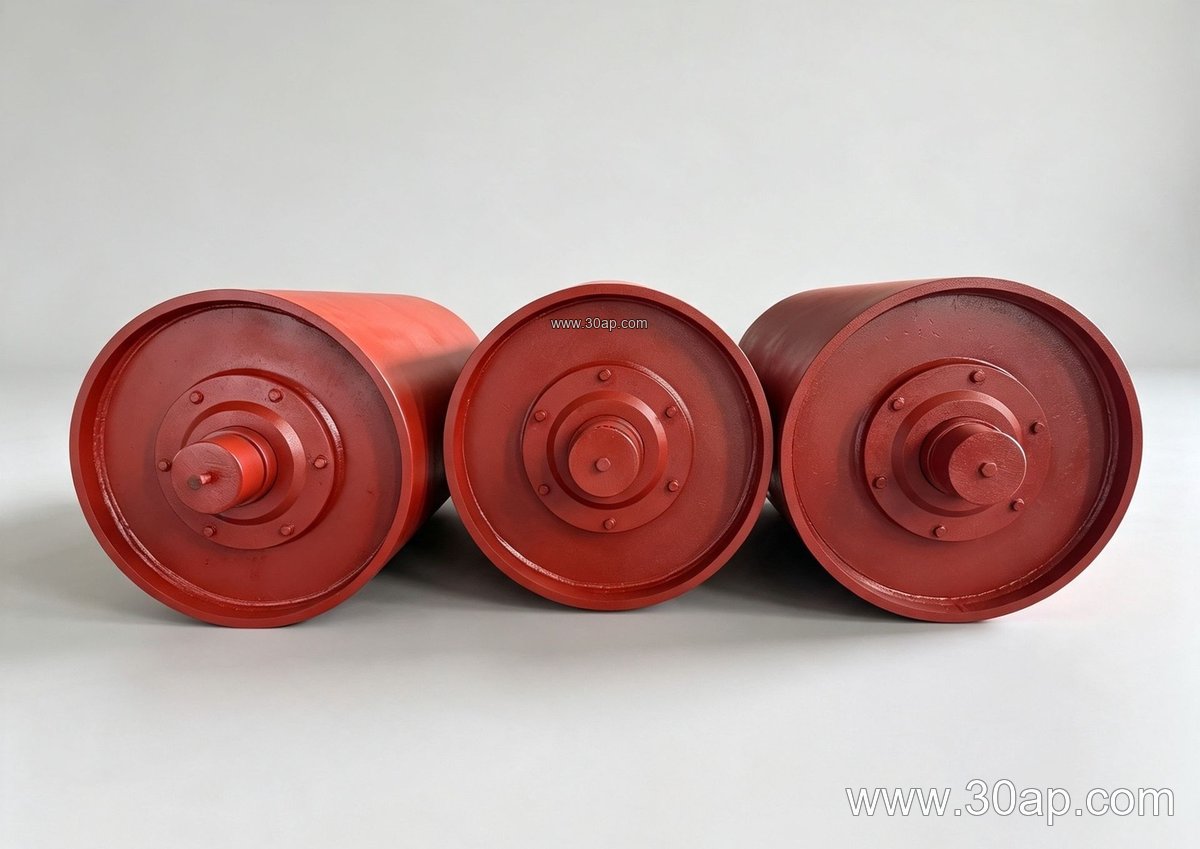
Construction and Lagging Options
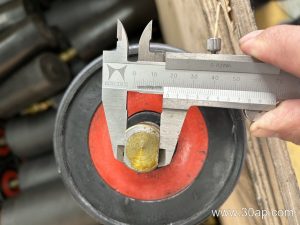
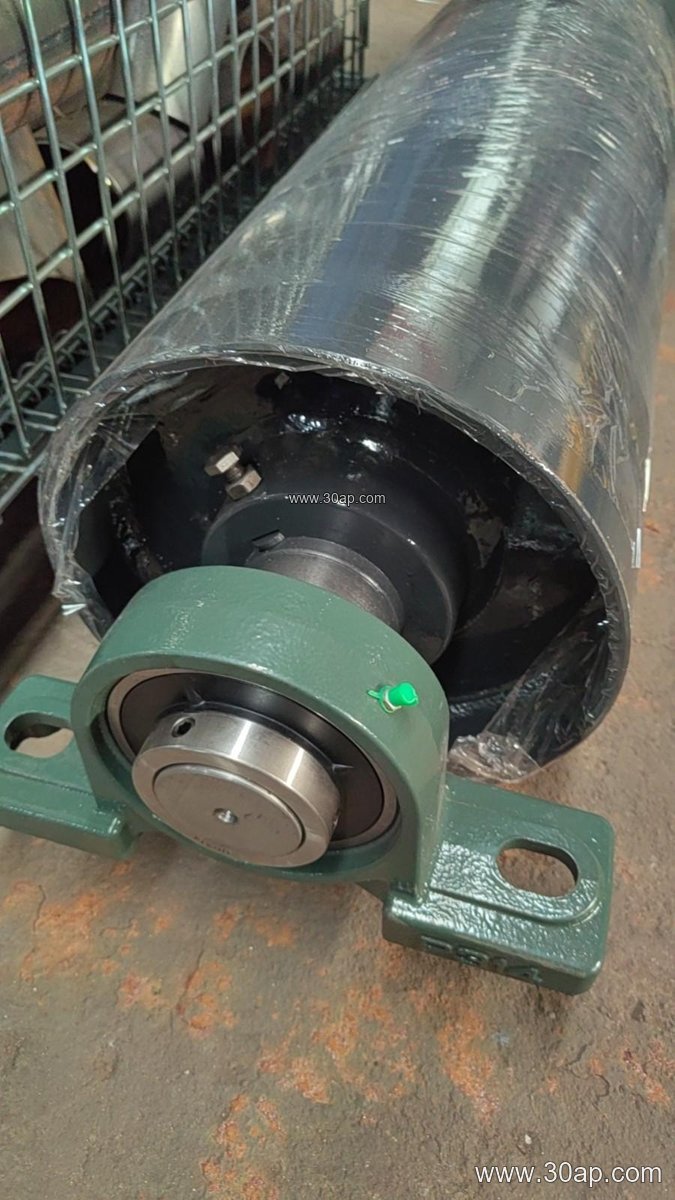
The base pulley is typically a welded steel shell with machined end discs and a shaft sized by torque and load, not by belt width alone. Common shaft diameters include Ø80, Ø100, Ø120, Ø140, and Ø160, but the final value depends on the conveyor design. The lagging is applied in several forms:
- Hot-vulcanized rubber lagging – bonded under heat and pressure for high adhesion, often 10–15 mm thick.
- Cold-bonded rubber lagging – applied with adhesive, suitable for field repair or less demanding duty.
- Diamond or herringbone grooved lagging – grooves channel water and fines away, improving grip in wet or dirty conditions.
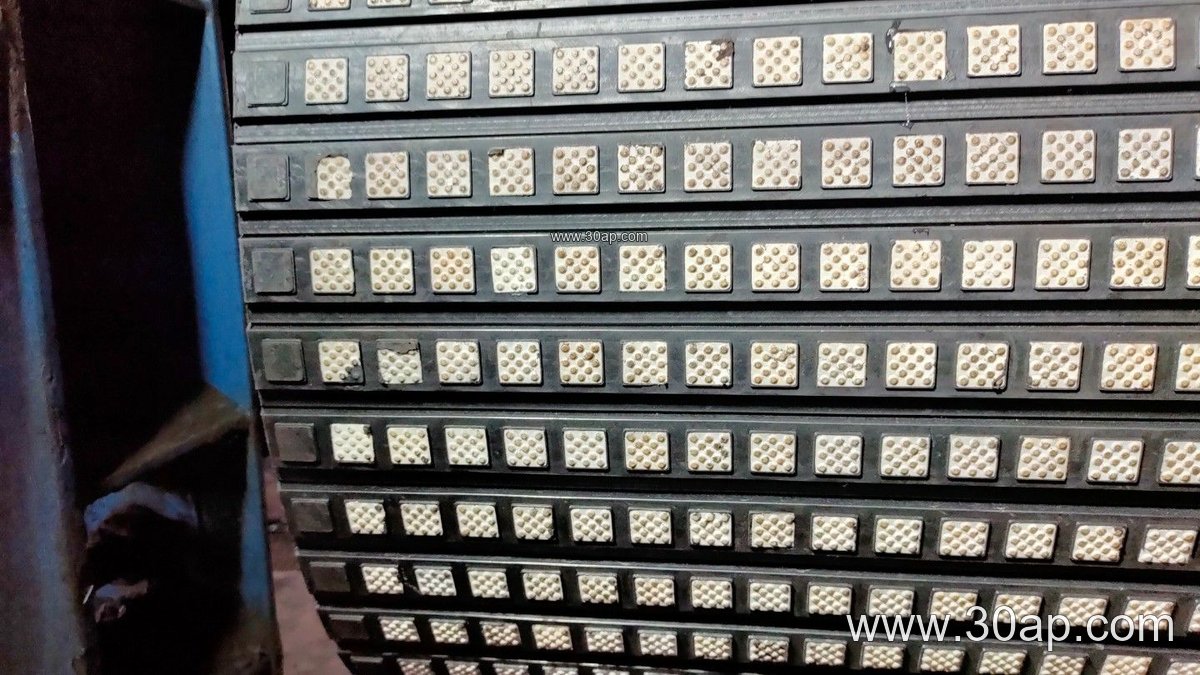
- Ceramic lagging – embedded ceramic tiles offer the highest abrasion resistance for very sharp, heavy loads.
Lagging thickness commonly ranges from 8 mm to 20 mm. The pulley face width is usually wider than the belt; for example, a B800 belt may run on a pulley with a face width around 950 mm, and a B1200 belt may use a face width near 1400 mm. These are reference values, not fixed rules.
Where Abrasion Hits Hardest
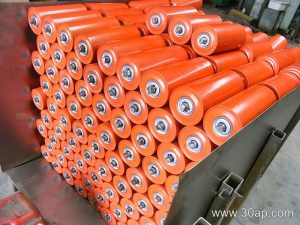
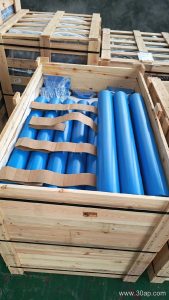
In a sand and gravel line or a coal washing plant, the head pulley often sees the most wear because it drives the belt under load. A high wear-resistant lagged pulley at this position reduces slip and protects the belt cover. In a power plant coal handling system, the tail pulley can also benefit when the belt carries fine, abrasive dust. The same principle applies to a copper ore or iron ore conveyor, where sharp particles accelerate pulley wear. In these settings, pairing the pulley with an abrasion resistant conveyor belt and well-selected idler rollers helps maintain alignment and reduce overall wear.
For underground coal mining, flame retardant conveyor belt and anti-static properties are often required, and the pulley lagging should be compatible with those safety requirements. The lagging itself does not replace the need for a proper belt specification such as EP conveyor belt or steel cord conveyor belt chosen for the duty.
Matching the Pulley to the Conveyor
Buyers should consider belt width, pulley diameter, shaft load, and the environment. A B650 belt may use a pulley with a Ø400 or Ø500 shell, while a B1400 belt may use a Ø800 or Ø1000 pulley, but the diameter must be checked against belt tension and wrap angle. The shaft diameter is calculated from the actual torque and bending load. Common combinations include B800 × Ø500, B1200 × Ø1000, and B1400 × Ø800, but these are examples, not mandatory pairings.
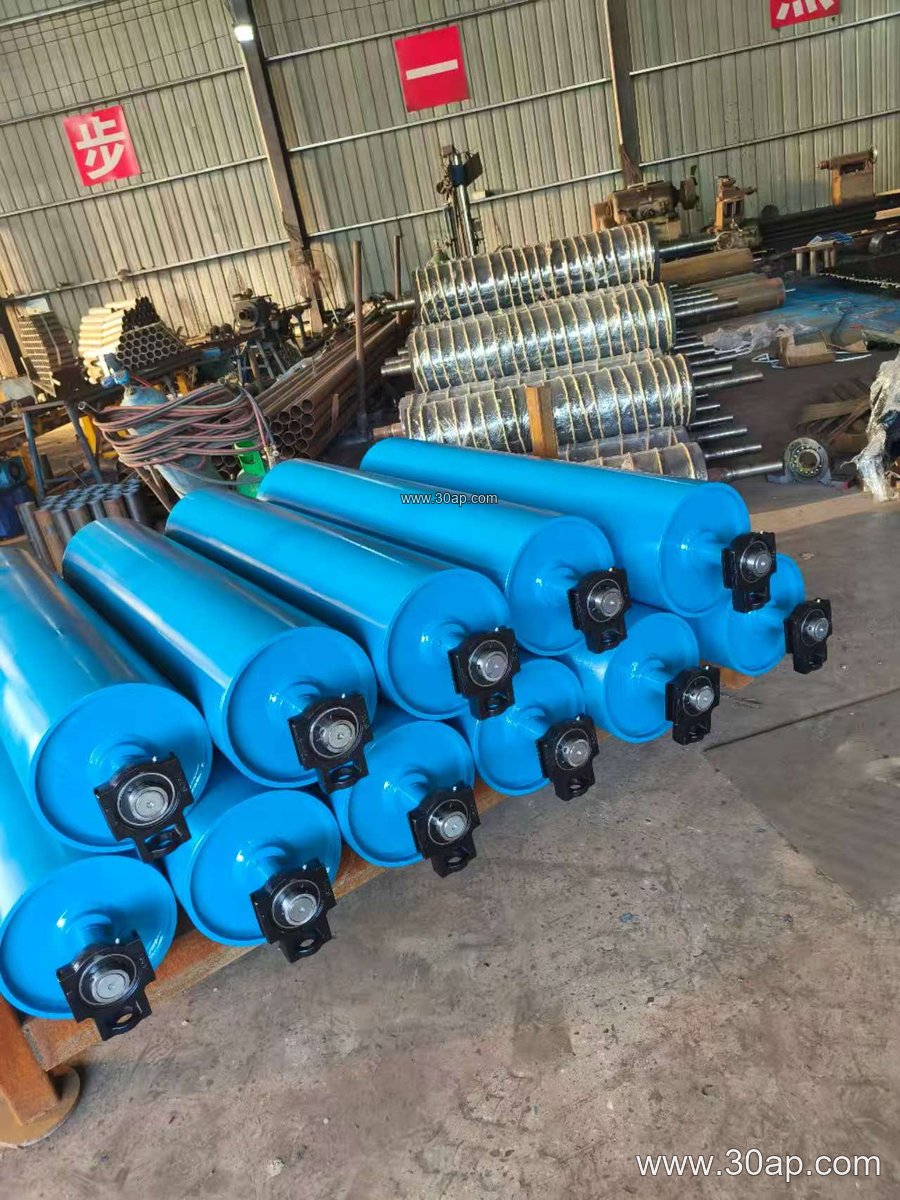
When specifying a high wear-resistant lagged pulley, state the belt width, the pulley position (drive, tail, bend, or take-up), the lagging type and thickness, and the expected material. For a quarry conveyor belt or a crusher conveyor belt, ceramic lagging may be justified; for a general bulk material conveyor belt, grooved rubber lagging is often sufficient. A conveyor bracket and conveyor pulley frame should also be checked for compatibility.
Maintenance Points That Matter
- Inspect lagging for cuts, glazing, or embedded material during scheduled stops.
- Check belt tracking; misalignment accelerates edge wear on the lagging.
- Keep the pulley face clean; buildup of sticky material reduces grip.
- Replace worn lagging before it damages the belt cover.
For more information on conveyor pulleys and related components, visit our site at www.example.com/conveyor-pulley or www.example.com/lagged-pulley. A high wear-resistant lagged pulley is a focused solution for abrasive duty, not a universal replacement for every pulley in the system.