What a Conveyor Welded Pulley Is
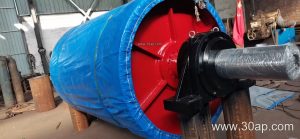
A conveyor welded pulley is a cylindrical drum built by welding rolled steel plate to end discs and a shaft hub assembly. It is one of the core rotating components of a belt conveyor, sitting at the head, tail or intermediate positions and transmitting motion to the conveyor belt. Unlike cast or bolted designs, the welded construction allows fabricators to match drum length and diameter closely to the belt width and load profile of a specific installation.
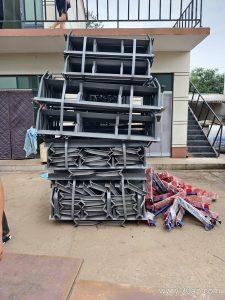
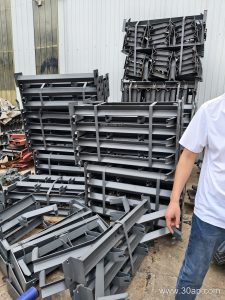
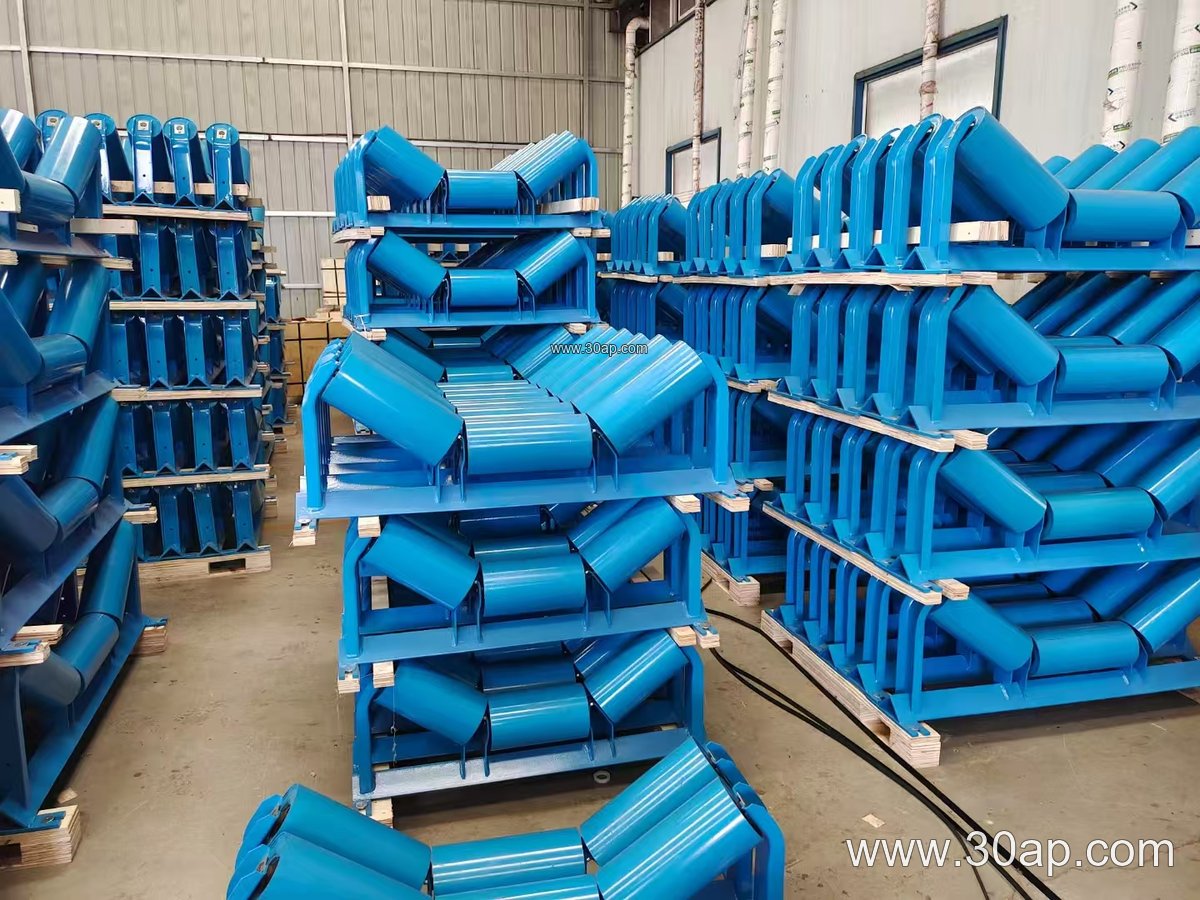
The welded pulley is often specified alongside the conveyor bracket, idler roller and belt itself as a matched set. In gravel pits, cement clinker lines and power plant coal handling, engineers frequently refer to this component simply as a welded drum pulley or weld-fabricated pulley, and the terms describe the same product.
How the Drum Is Built
Production usually starts with a rolled steel shell, to which end plates are welded. The shaft passes through hubs that are welded to the end plates, and the assembly is machined so the shell runs true. Key steps include:
- Shell rolling and longitudinal seam welding
- Welding of end discs and shaft hubs, with stress relief where required
- Machining of the shaft journals and shell surface
- Dynamic balancing for larger diameters and higher speeds
- Surface preparation before lagging or painting
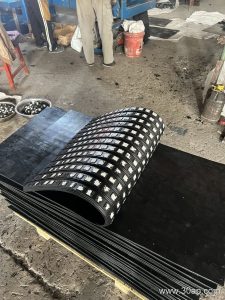
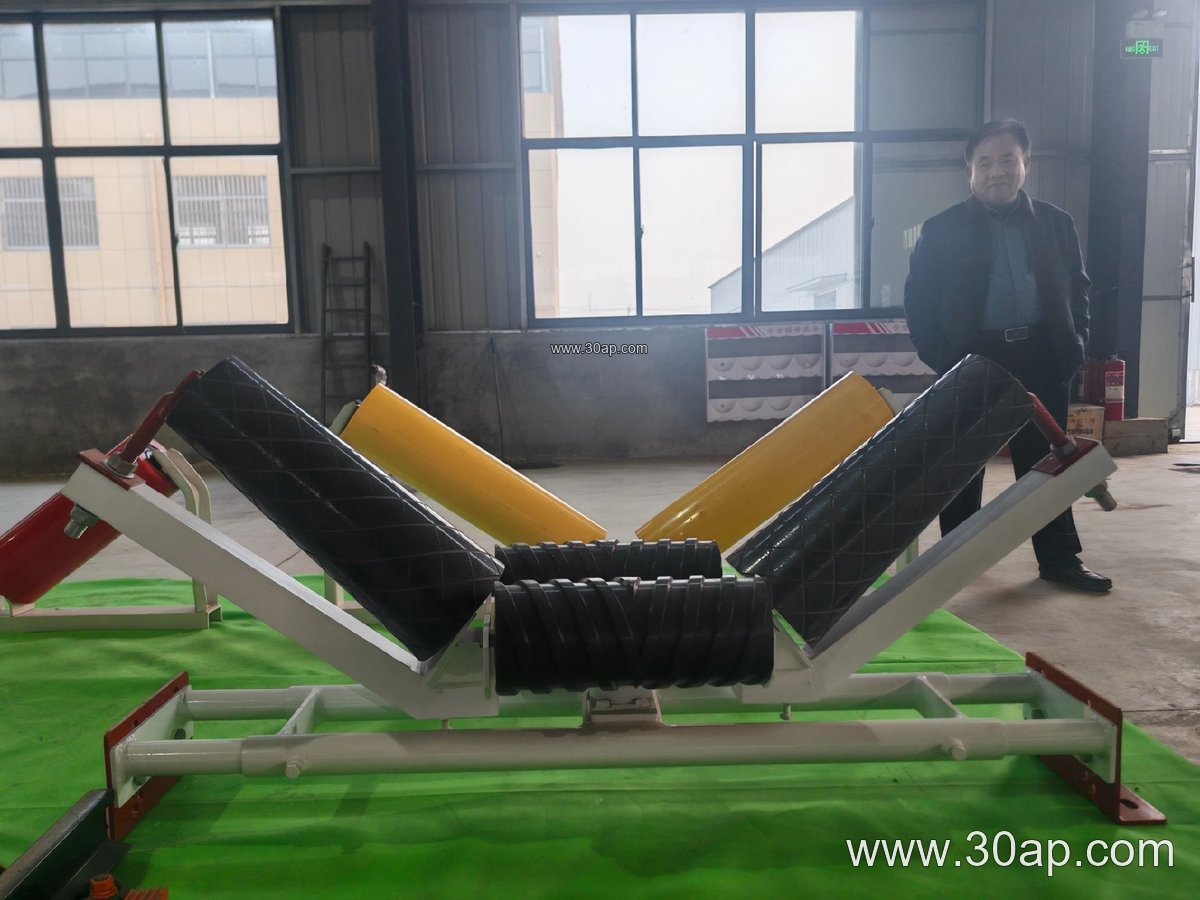
Because the shell is welded rather than cast, buyers can request non-standard face widths and diameters without new tooling. Surface treatment may be plain steel, hot-vulcanized rubber, cold-bonded rubber, diamond grooving, herringbone lagging or ceramic tiles, with common lagging thicknesses of 8, 10, 12, 15 and 20 mm.
Where It Sits on the Conveyor
The welded pulley appears at several positions, and the role changes with location. A drive pulley at the head transmits torque; a tail pulley at the loading end supports the return belt; a bend pulley redirects the belt path; a take-up pulley maintains tension. These subtypes are not interchangeable: a drive pulley must handle full torque and is often lagged for grip, while a bend pulley mainly carries belt tension and alignment loads.
Typical duty locations include:
- Quarry and aggregate lines moving crushed stone
- Coal preparation plants and underground coal mining conveyors
- Cement plants handling clinker and raw meal
- Power station coal yards and port bulk terminals
- Iron ore and copper ore transfer stations
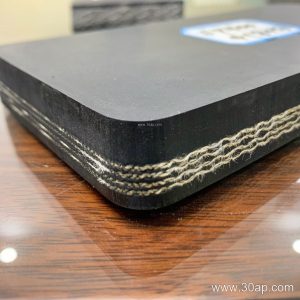
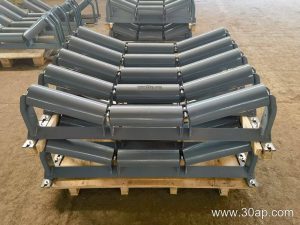
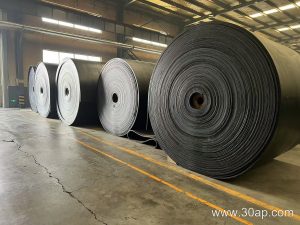
In these environments the pulley works together with an abrasion resistant conveyor belt, impact resistant conveyor belt or flame retardant conveyor belt, and with conveyor idler rollers that support the belt between pulleys. A heavy-duty mining conveyor belt places higher demands on drum shell thickness and lagging wear life.
Sizing and Surface Choices
Face width is normally slightly greater than belt width. Common reference combinations include B800 with a face around 950 mm, B1000 with about 1150 mm, and B1200 with about 1400 mm. Diameter is selected from belt tension, wrap angle and shaft load rather than from belt width alone, so a B1200 belt may run on Ø800, Ø1000 or larger drums depending on the duty.
| Reference Item | Common Range | Note |
|---|---|---|
| Belt width B | B400 to B2400 | Face width typically exceeds belt width |
| Drum diameter | Ø200 to Ø1800 | Set by tension, wrap angle and shaft load |
| Shaft diameter | Ø50 to Ø200 | Determined by torque and bearing selection |
| Lagging thickness | 8, 10, 12, 15, 20 mm | Thicker lagging for high-wear duty |
Surface form matters as much as size. Plain finish suits light duty and cleaning-friendly lines; diamond or herringbone lagging improves grip on wet or dusty belts; ceramic lagging is chosen where abrasive fines cause rapid rubber wear. For food or grain handling, a smooth, easily cleaned surface is usually preferred.
What Buyers Should Confirm
Before ordering, confirm the belt width, the required drum diameter and face length, shaft diameter and keyway, bearing type, lagging pattern and thickness, and the balance grade needed for the running speed. Ask how the shell seam and hub welds are inspected, and whether the drum will be statically or dynamically balanced. Also check that the pulley fits the existing conveyor bracket and bearing housing without modification.
Maintenance is straightforward: inspect lagging for wear or debonding, check shaft alignment, re-torque fasteners and monitor bearing temperature. A welded pulley that is correctly sized and properly lagged will usually outlast the belt it drives, provided the conveyor belt tracking is kept in adjustment and the idler rollers are free to turn.