What the Vertical Idler Bracket Does on a Conveyor
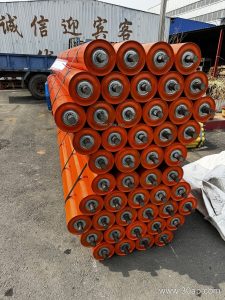
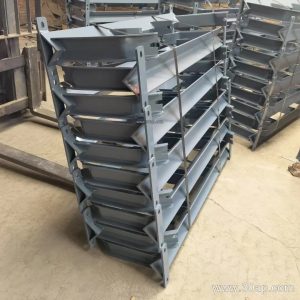
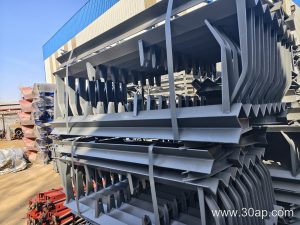
A vertical idler bracket is the mounting component that holds a conveyor idler roller in the correct position relative to the belt line. In practice, the bracket is usually a fabricated steel part made from angle, channel, or formed plate, and it provides the connection between the idler shaft and the conveyor frame. The name “vertical” refers to the mounting orientation: the bracket stands upright and carries the idler shaft in a vertical plane, which is common on transition, return, and guiding positions where the belt must be supported or trained without a full troughing assembly.
Buyers often meet this part under the equivalent name vertical idler support bracket. Both terms describe the same product. It should not be confused with a troughing bracket, a V-return bracket, or a buffer idler bracket, which perform different support duties.
Construction and Mounting Details
Most vertical brackets are welded or bolted fabrications. Typical materials include:
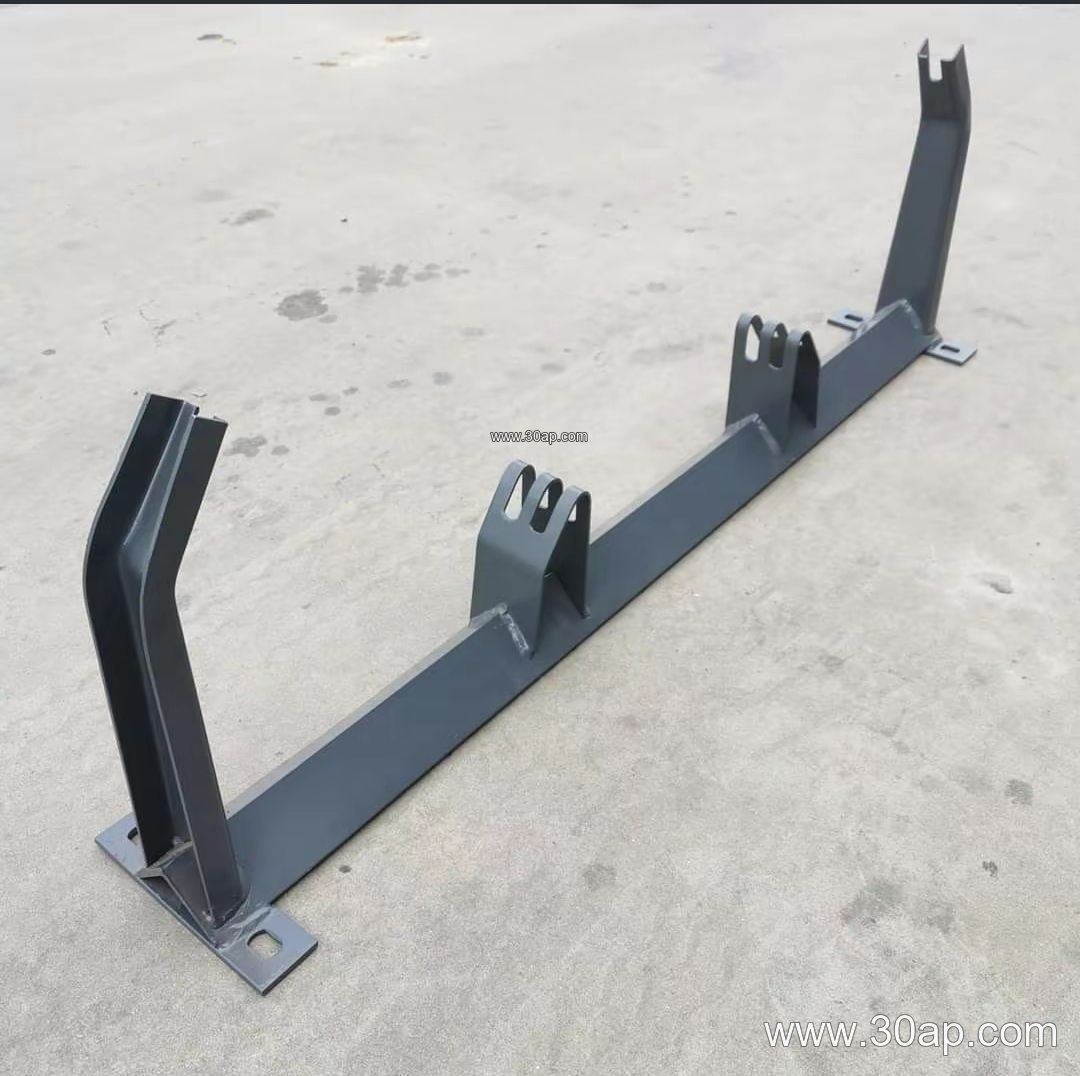
- Angle steel for light and medium frames
- Channel steel for heavier support loads
- Folded steel plate for compact, stiff shapes
The bracket usually has a base plate or clamp section that fixes to the conveyor stringer, plus a vertical plate with a slot or hole pattern for the idler shaft. Slotted holes allow small height adjustments during alignment. On wider belts, the bracket may be paired with a cross beam, and the mounting hole spacing and beam length are determined by belt width, trough angle, and frame design rather than by a single fixed dimension.
Surface treatment is normally painted or galvanized, and buyers should confirm the coating with the frame specification so that the bracket and the conveyor structure age together in the same environment.
Where Vertical Brackets Are Used
These brackets appear in bulk handling lines across many industries. In a limestone quarry or a sand and gravel line, they are often found at belt transition zones and along return runs where a compact support is preferred. In a coal washing plant or a power plant coal yard, they help keep the return belt steady on long conveyors. Cement plants and crushing and screening circuits also use them where space around the frame is tight.
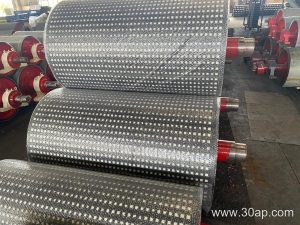
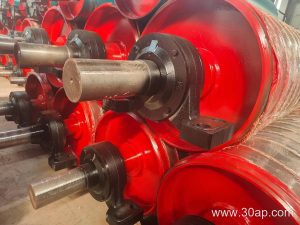
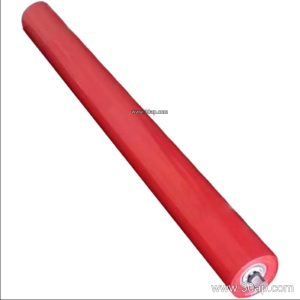
The bracket works together with the conveyor belt, the idler roller, and the conveyor pulley at the head or tail. A misaligned bracket shows up quickly as belt edge wear, tracking drift, or uneven roller loading, so installation accuracy matters as much as the part itself.
Common Reference Dimensions
The values below are reference examples only. Actual bracket dimensions follow the conveyor design, and no single belt width is tied to one trough angle or one roller diameter.
| Reference Item | Common Range | Notes |
|---|---|---|
| Belt width | B500, B650, B800, B1000, B1200, B1400, B1600, B1800 | Bracket span and hole pitch change with width |
| Trough angle (where applicable) | 20°, 30°, 35°, 45° | Adjustable brackets can move between these angles |
| Idler diameter | Ø89, Ø108, Ø133, Ø159, Ø194 | Selected by load and belt speed, not width alone |
| Forward tilt (training brackets) | About 1.5° to 2° | Used for belt training, not for every bracket |
Example combinations such as B800, 35°, Ø108 or B1200, 45°, Ø133 are common in design drawings, but they are examples, not mandatory matches. Mounting hole distance and cross beam length should always be confirmed against the frame drawing.
Selection and Maintenance Notes for Buyers
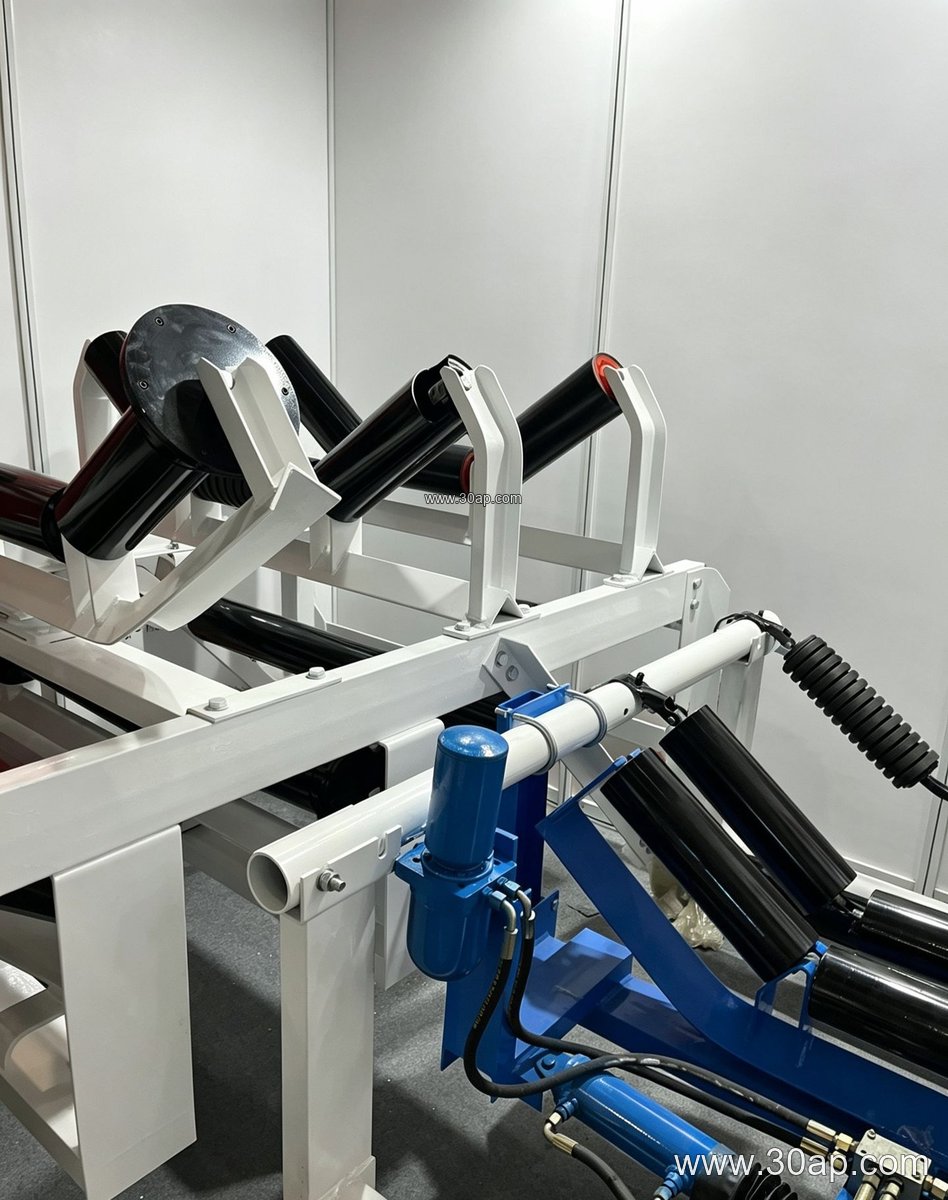
When specifying a vertical idler bracket, confirm four things: the frame profile it bolts to, the idler shaft size, the required mounting height, and the environment. A dusty quarry line and a wet coal preparation plant may call for different coatings. If the conveyor carries an abrasive bulk material, check that the bracket does not interfere with the roller’s self-cleaning clearance. On lines using a heavy-duty mining conveyor belt or a steel cord conveyor belt, the bracket must handle the higher idler loads without flexing.
During maintenance, inspect welds, bolt tightness, and slot wear. A loose vertical bracket can let the roller drop or twist, which then damages the belt edge and shortens roller life. Replacing a worn bracket before it distorts the frame is usually simpler than repairing belt tracking afterward.
For matching components and frame details, buyers can review conveyor bracket options alongside conveyor pulley and idler roller data at www.example.com/vertical-idler-bracket and compare belt specifications at www.example.com/conveyor-belt.