What Makes a Ceramic Lagged Pulley Different
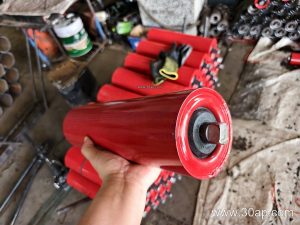
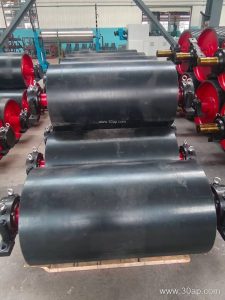
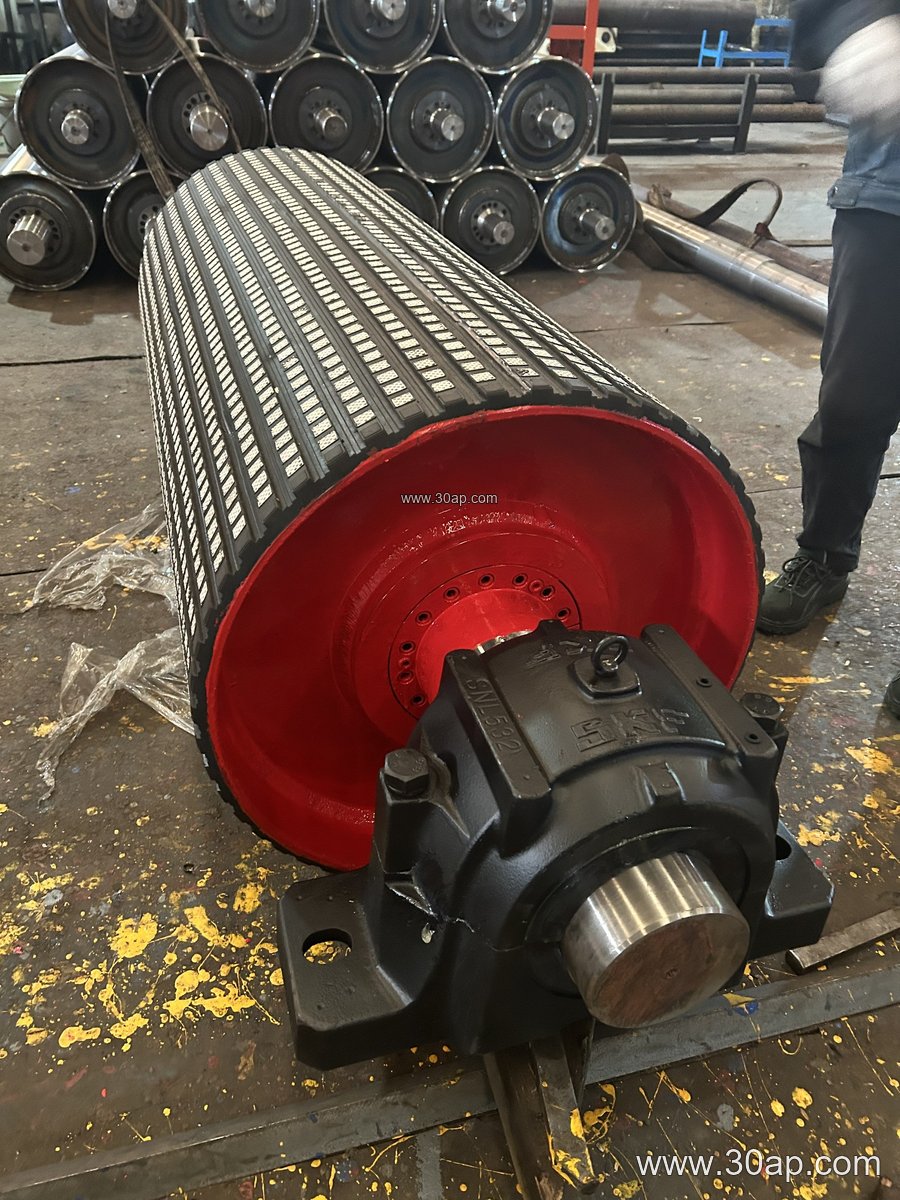
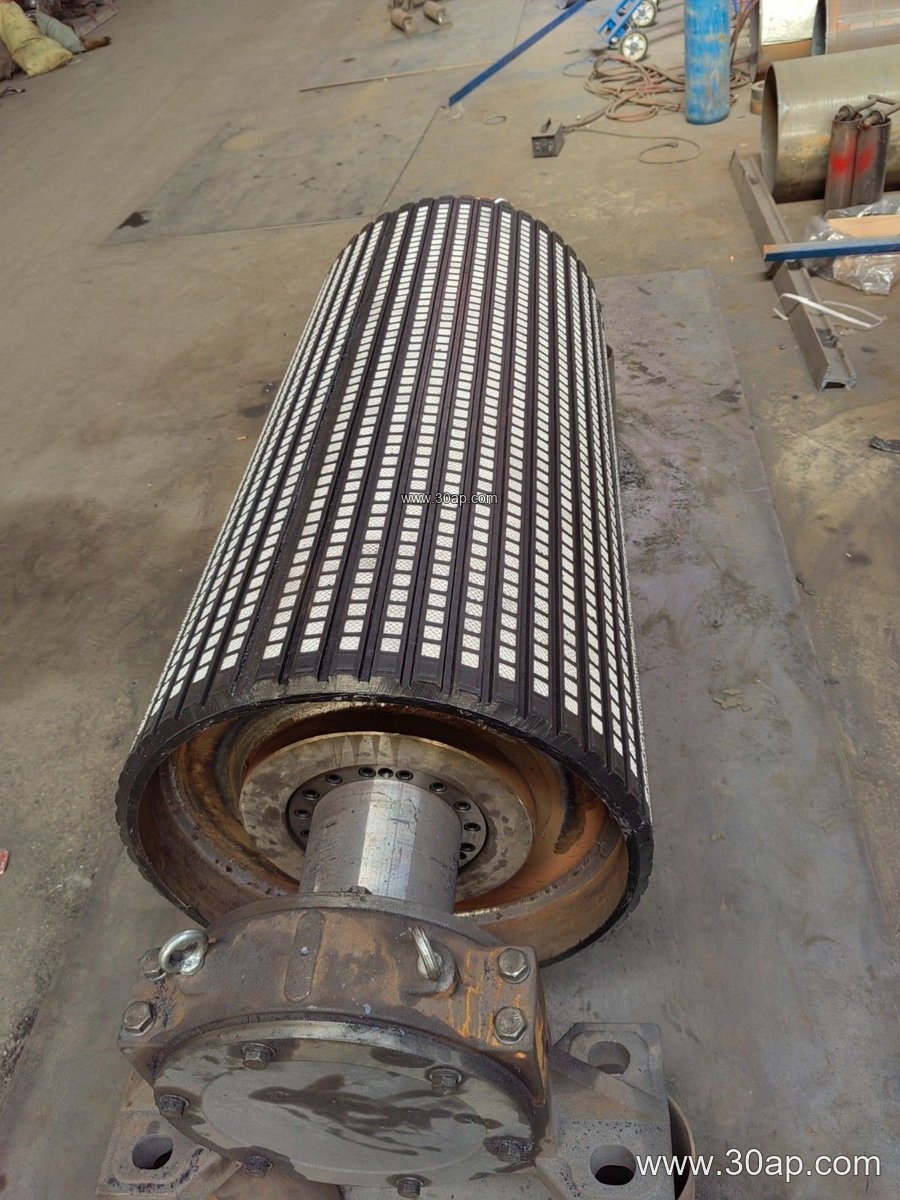
A wear-resistant ceramic lagged pulley is a conveyor pulley whose outer surface is fitted with ceramic tiles set in a rubber or polymer matrix. This ceramic lagging is bonded to the pulley shell to create a hard, textured grip that stands up to abrasive bulk materials. Unlike plain rubber lagging, the ceramic elements resist gouging and wear from sharp, heavy loads, making this pulley a practical choice for head drive positions in quarry, iron ore, and cement clinker lines.
In a typical conveyor, the drive pulley transmits motion to the conveyor belt. When the belt carries abrasive rock or sinter, slip and material ingress can wear ordinary lagging quickly. The ceramic lagged pulley addresses this by combining the flexibility of rubber with the hardness of ceramic, extending service life between replacements.
Construction and Surface Details
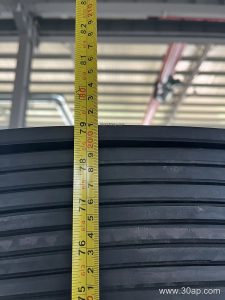
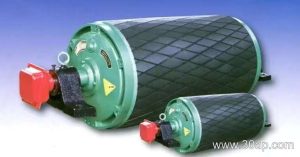
The pulley body is usually a welded steel shell with machined end discs and a shaft sized by torque and load. The lagging is applied as tiles or strips with ceramic buttons or plates embedded in a resilient backing. Common surface forms for ceramic lagging include diamond-pattern tiles and raised ceramic studs. Bonding methods may be cold-bonded or hot-vulcanized, and the lagging thickness often ranges from 8 mm to 20 mm depending on the duty.
Ceramic lagging is not a universal answer for every pulley position. For a bend pulley or tail pulley where material carryback is light, a standard rubber lagging may be sufficient. The ceramic variant is most relevant where abrasion is severe and where belt traction must be maintained without frequent lagging renewal. A conveyor pulley with ceramic lagging should be specified with the belt width and expected load in mind, not chosen by belt width alone.
Where It Fits in the Conveyor
This pulley is often installed as a drive or head pulley on belts handling abrasive bulk materials. In a sand and gravel plant, it may drive the main field conveyor; in a cement plant, it can be found on clinker or limestone belts; in a power plant coal handling system, it helps maintain grip on belts that carry coal with high fines content. It can also appear as a tension or take-up pulley where space allows and where slip is a concern.
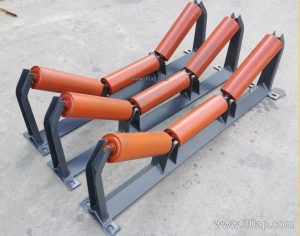
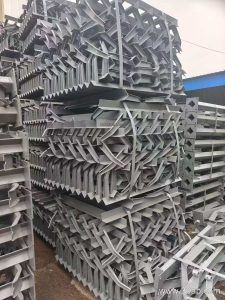
Other equipment around it includes the conveyor belt, idler roller, conveyor bracket, and supporting frame. The pulley must match the belt width and the shaft load, and the lagging surface should be selected to suit the material. For example, a B1200 belt may use a pulley with a face width around 1400 mm, but the diameter and shaft diameter are determined by the drive design. A B800 × Ø500 or B1400 × Ø800 combination can occur, yet no single diameter is mandatory for a given belt width.
Key Parameters to Discuss with a Supplier
Buyers should provide the belt width, the pulley position (drive, tail, bend, or take-up), the material being conveyed, and the expected belt tension. The following table shows common reference values for pulley dimensions and lagging; these are examples, not fixed rules.
| Item | Common Reference Range |
|---|---|
| Belt width (B) | B400 to B2400 |
| Pulley diameter (Ø) | Ø200 to Ø1800 |
| Lagging thickness | 8, 10, 12, 15, 20 mm |
| Shaft diameter | Ø50 to Ø200 (by torque and load) |
| Face width | Typically wider than belt, e.g. B800 about 950 mm, B1200 about 1400 mm |
For abrasive service, an abrasion resistant conveyor belt is often used together with ceramic lagging. In coal mining or underground mining, a flame retardant conveyor belt may be required, and the pulley lagging should be compatible with the fire safety approach. A steel cord conveyor belt or EP conveyor belt may be paired with this pulley depending on tension and impact requirements.
Selection and Maintenance Notes
Ceramic lagging is harder than rubber but can be brittle if struck directly. During installation, avoid dropping the pulley or hitting the ceramic surface with tools. Check that the lagging is properly bonded and that tile gaps are sealed against material ingress. Regular inspection of the lagging pattern helps detect loose tiles before they damage the belt.
When replacing a pulley, confirm the shaft diameter and keyway match the conveyor bracket and drive arrangement. Do not assume a shaft size from belt width alone; the torque and radial loads govern the shaft design. For a wear-resistant ceramic lagged pulley, the goal is a balance between grip, wear life, and belt protection. In quarry conveyor systems, aggregate conveyor lines, and bulk material handling, this pulley can reduce downtime when specified for the right position.