What a Chevron Conveyor Belt Is
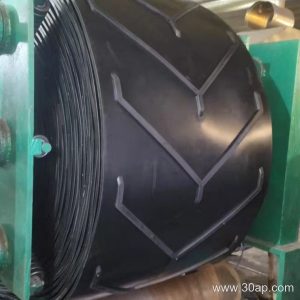
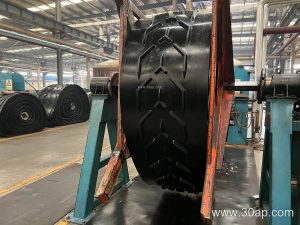
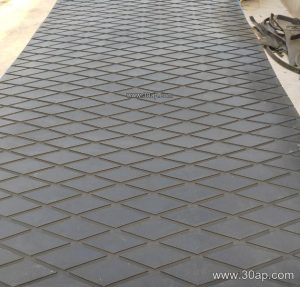
A Chevron Conveyor Belt is a rubber conveyor belt with raised cleat patterns molded onto the top cover. The cleats usually form a V or chevron shape that opens toward the direction of travel, so the belt grips bulk material on slopes where a smooth belt would let the load slide back. This patterned belt is also called a cleated belt or profiled rubber belt, but the chevron form remains the defining feature. The product belongs to the same family as a standard Rubber Conveyor Belt, with the difference lying in the surface profile rather than the carcass alone.
Chevron belts are common in quarry, sand and gravel, cement, coal mining, and power plant coal handling lines. They also appear in aggregate plants feeding a crusher conveyor belt and in port or ship loading systems where the incline is too steep for plain belting.
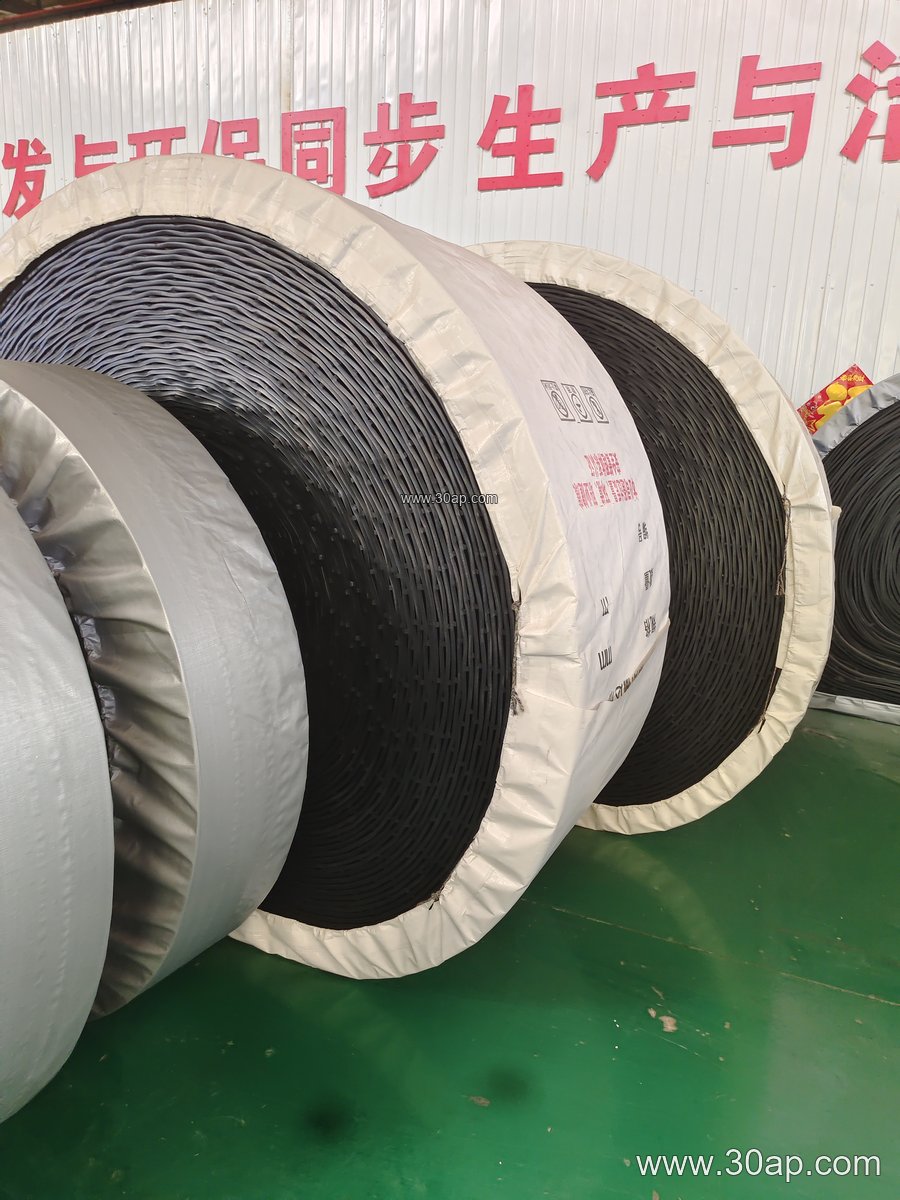
How the Belt Is Built
The carcass carries the tension and the chevron ribs carry the grip. Buyers can choose among several core constructions depending on the duty:
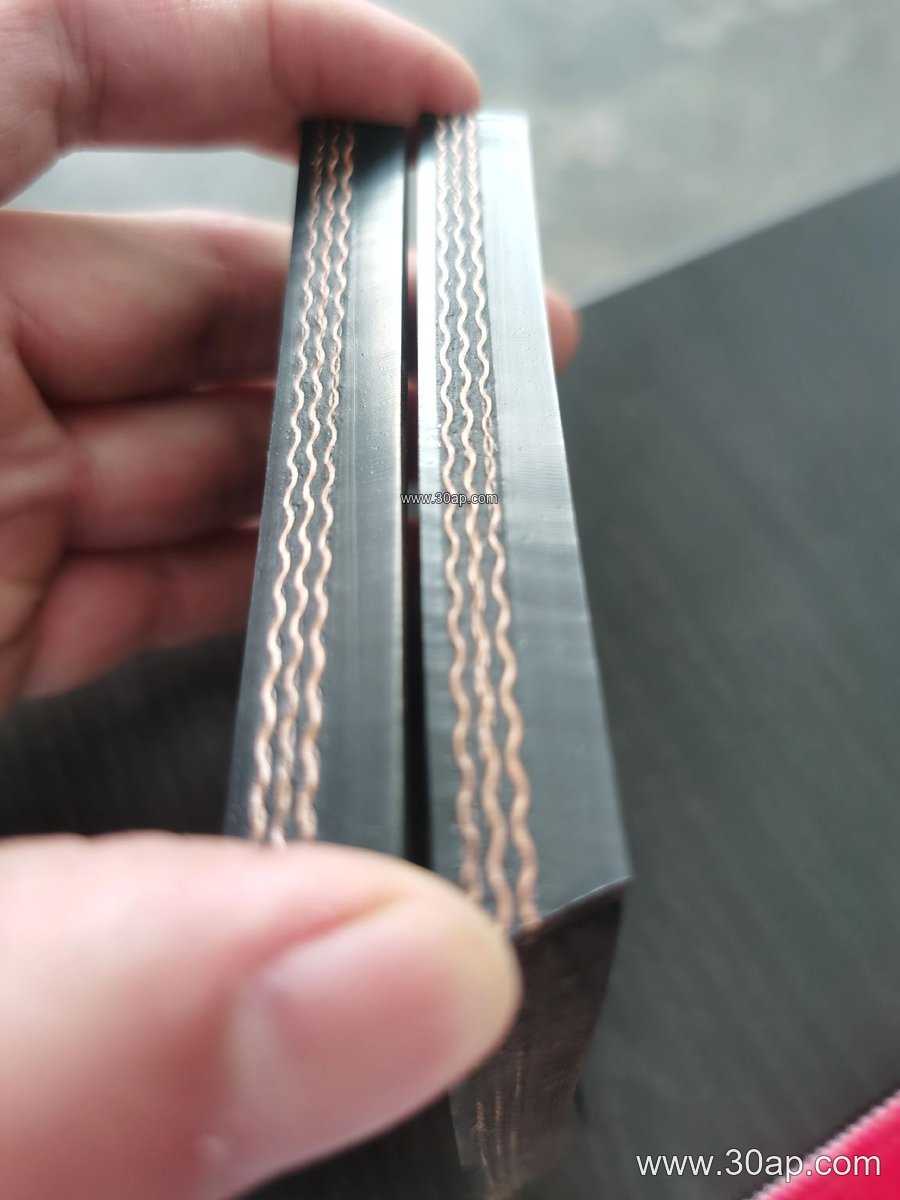
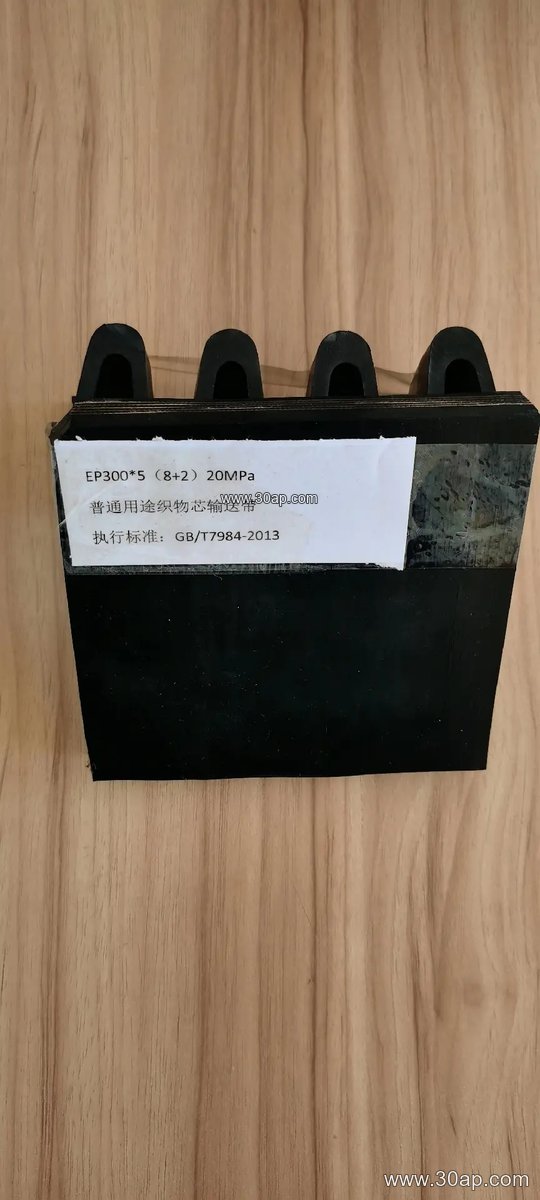
- Fabric Core Conveyor Belt, usually EP or NN fabric, for general industrial duty.
- Multi-Ply Fabric Core Conveyor Belt for heavier loads and wider belts.
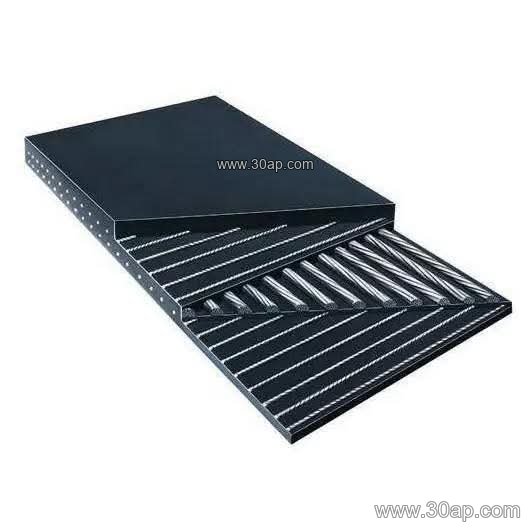
- Steel Cord Conveyor Belt for long, high-tension haulage lines.
- Special covers such as Abrasion Resistant Conveyor Belt, Heat Resistant Conveyor Belt, Oil Resistant Conveyor Belt, and Flame Retardant Conveyor Belt for underground coal or cement kiln feed.
The rib height, pitch, and angle are set by the mold. Common profiles include open V, closed V, and U-shaped or multi-rib patterns. Cover rubber usually runs from 3+1.5 mm to 8+3 mm on heavy-duty profiles, while the number of fabric plies commonly ranges from 2 to 6 depending on the belt class.
Typical Specifications
The table below shows reference values often quoted for this product family. Actual supply depends on the manufacturer and the conveyor design.
| Parameter | Common Reference Range |
|---|---|
| Belt width | B500, B650, B800, B1000, B1200, B1400, B1600, B1800, B2000 |
| Fabric strength class | EP200, EP315, EP400, EP500, EP630, EP800, EP1000, EP1250, EP1600, EP2000 |
| Cover thickness | 3+1.5, 4+2, 5+2, 6+2, 8+3 mm |
| Carcass plies | 2 to 6 layers, by design |
| Rib height | Usually 10 mm to 35 mm, by profile |
| Rib pitch | Set by mold, often 200 to 800 mm |
The rib pattern is usually molded as part of the top cover. Some profiles leave a bare center strip so that a transition or a small idler roller can support the belt without crushing the ribs.
Where Chevron Belts Fit in a Plant
These belts are chosen when the conveyor angle exceeds what a smooth belt can hold, typically above 15 to 18 degrees depending on material. In a quarry conveyor belt line, a chevron belt may lift run-of-mine rock from a primary crusher to a stockpile. In a coal mining conveyor belt system, a flame retardant chevron version can handle steep gate roads. Cement plants use them on clinker and raw meal inclines, and power plants use them on coal yard transfer points. A heavy-duty mining conveyor belt with a chevron profile can also serve an iron ore conveyor belt or a copper ore conveyor belt route.
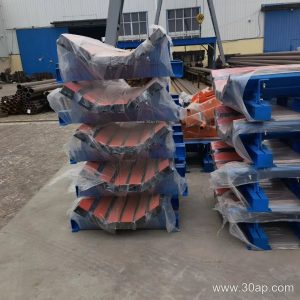
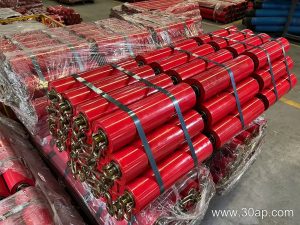
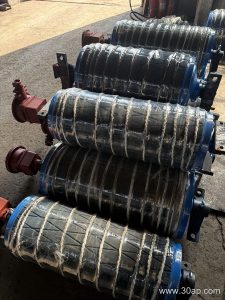
Because the ribs lift the material, skirt rubber and a corrugated sidewall conveyor belt are not required for grip, though a Skirted Conveyor Belt or Corrugated Sidewall Conveyor Belt may still be used where the load must be fully contained. The drive pulley, tail pulley, and bend pulleys remain separate components and are selected from the conveyor layout, not from the belt width alone.
What Buyers Should Check
- Confirm the incline angle and the material lump size before choosing the rib height and pitch.
- Match the carcass class to the calculated tension; a EP1000 or EP1250 belt is not automatically right for every line.
- Ask for the cover grade: abrasion, heat, oil, or fire resistance should match the actual cargo.
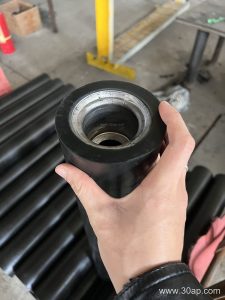
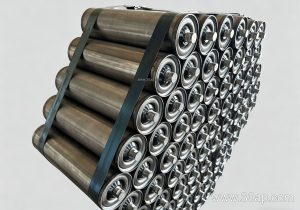
- Check pulley diameters and the transition distance, since thick chevron ribs need enough space to run through the conveyor pulley and idler roller stations.
- Review splicing method and whether an Endless Conveyor Belt is preferred for a permanent installation.
- Plan cleaning: return rollers and a suitable scraper help keep the rib valleys free of sticky material.
For more technical support on chevron, EP, NN, and steel cord belting, visit our site at www.beltconveyorsolution.com and review the conveyor belt, idler roller, and conveyor pulley data before ordering.