What a Heavy-Duty Conveyor Pulley Does
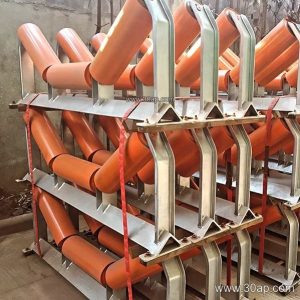
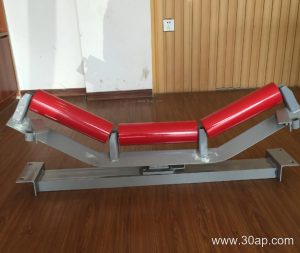
A heavy-duty conveyor pulley is the robust, large-diameter drum that drives, tensions, or redirects a conveyor belt in demanding bulk-handling operations. Unlike lighter pulleys used in packaging or small assembly lines, this component is engineered for continuous service under high tension, abrasive dust, and heavy loads. You will find it in primary crushing circuits at a quarry, in coal handling systems at a power plant, and in cement plant clinker transport where heat and grit are constant companions. The pulley works together with the conveyor belt, idler rollers, and conveyor brackets to keep material moving without interruption.
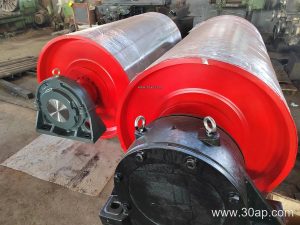
In many installations, the heavy-duty conveyor pulley also serves as the head pulley at the discharge point, where it must resist both wear from the belt and the impact of falling material. Its counterpart, the tail pulley, maintains belt tracking at the loading end, while bend pulleys change belt direction in confined spaces. Each position places different demands on the pulley, so understanding the application is the first step toward a reliable selection.
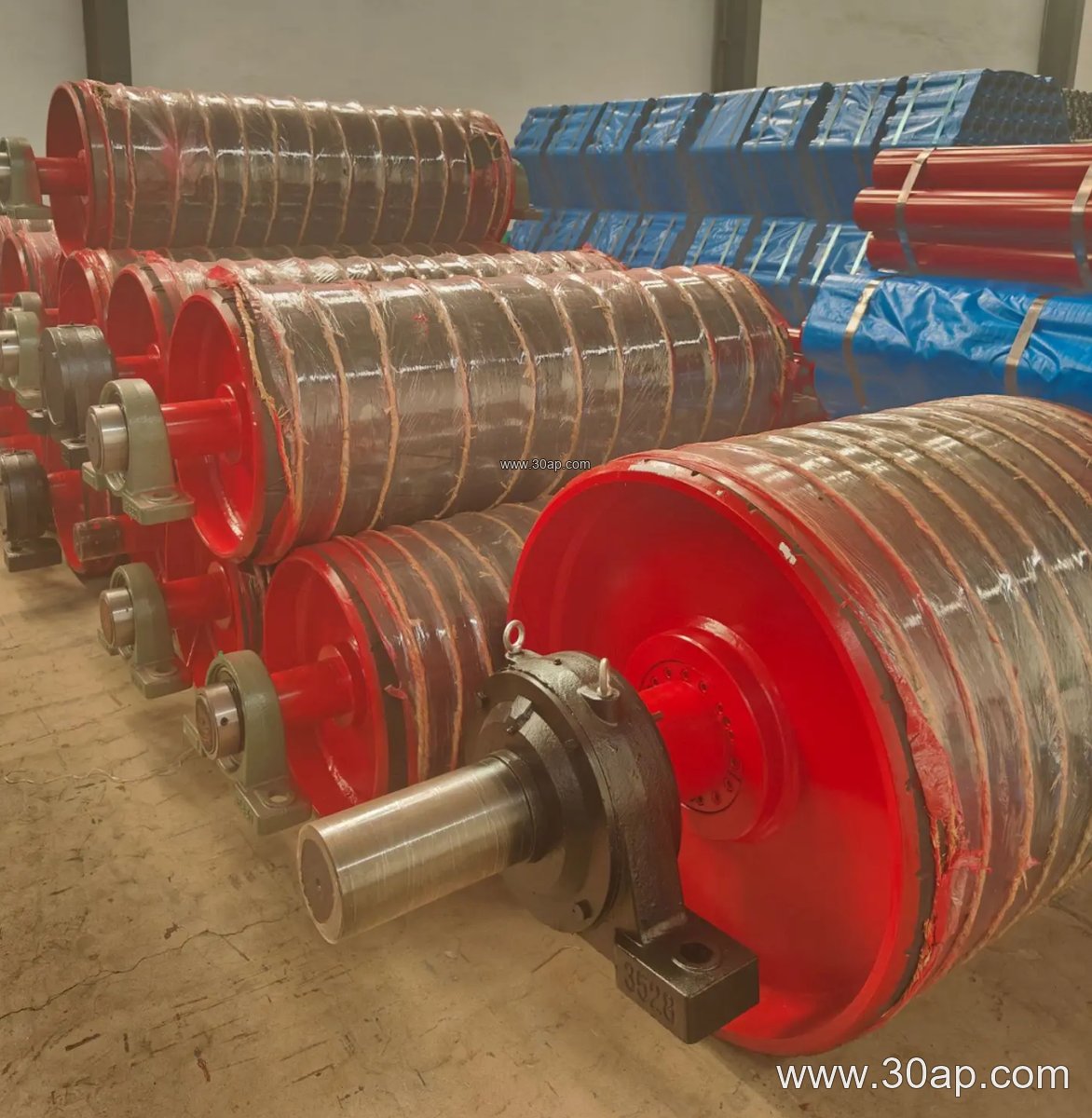
Construction and Surface Options
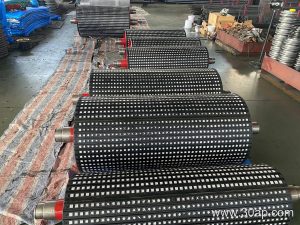
A typical heavy-duty unit starts with a welded steel drum shell, machined end discs, and a sturdy shaft sized by torque and radial load rather than by belt width alone. The shell is often covered with rubber lagging to improve grip and protect the belt. Common surface forms include plain, hot-vulcanized rubber, cold-bonded rubber, diamond pattern, herringbone, and ceramic lagging. Lagging thickness commonly ranges from 8 mm to 20 mm, with 10 mm or 12 mm frequently chosen for general bulk duty and thicker covers used in high-wear transfer points.
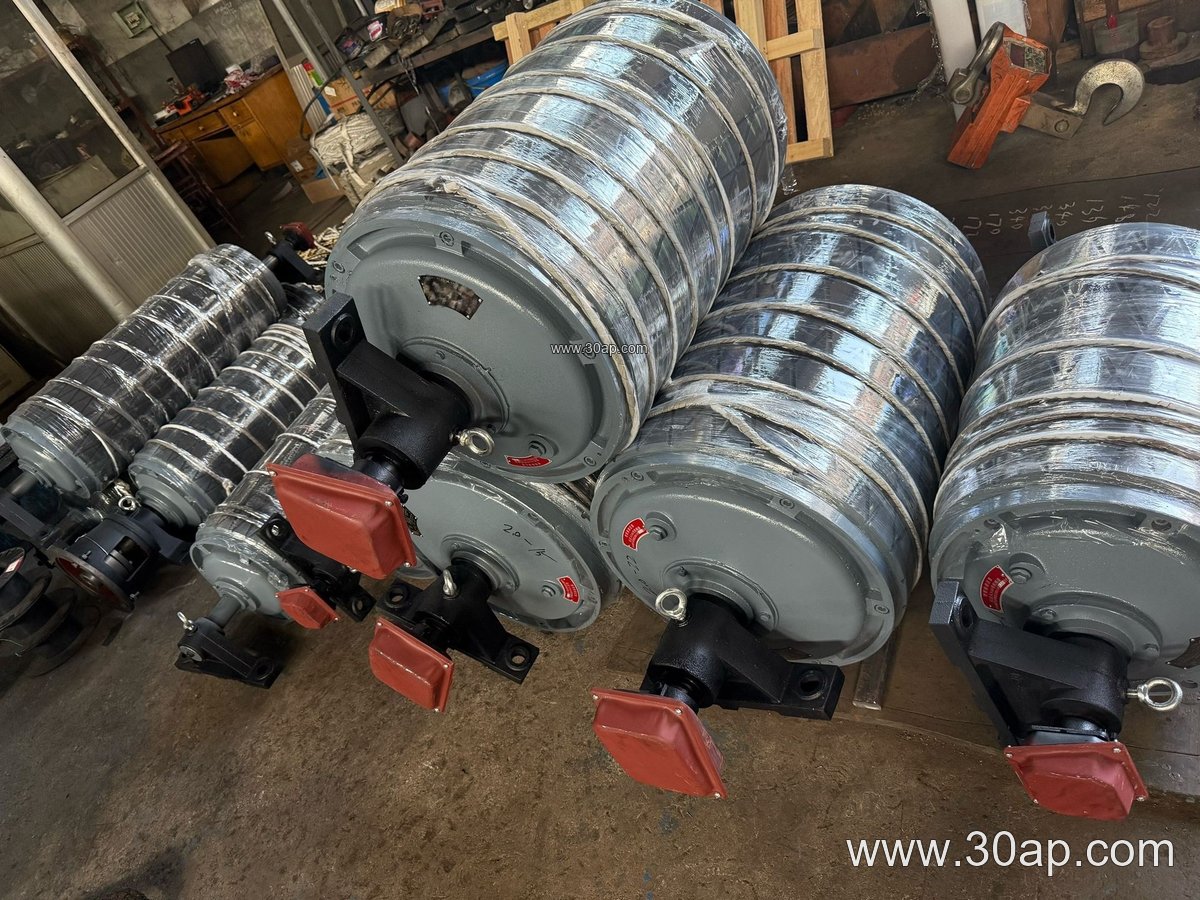
The pulley face width usually exceeds the belt width to allow for misalignment. For example, a B800 belt might run on a pulley with roughly 950 mm face width, while a B1200 system could use a 1400 mm face. Diameters range from Ø200 for smaller tension positions up to Ø1600 or more for large head drives. Shaft diameters commonly fall between Ø50 and Ø200, but the final value depends on the drive torque, bearing span, and belt tension. No single shaft size should be assumed from belt width alone.
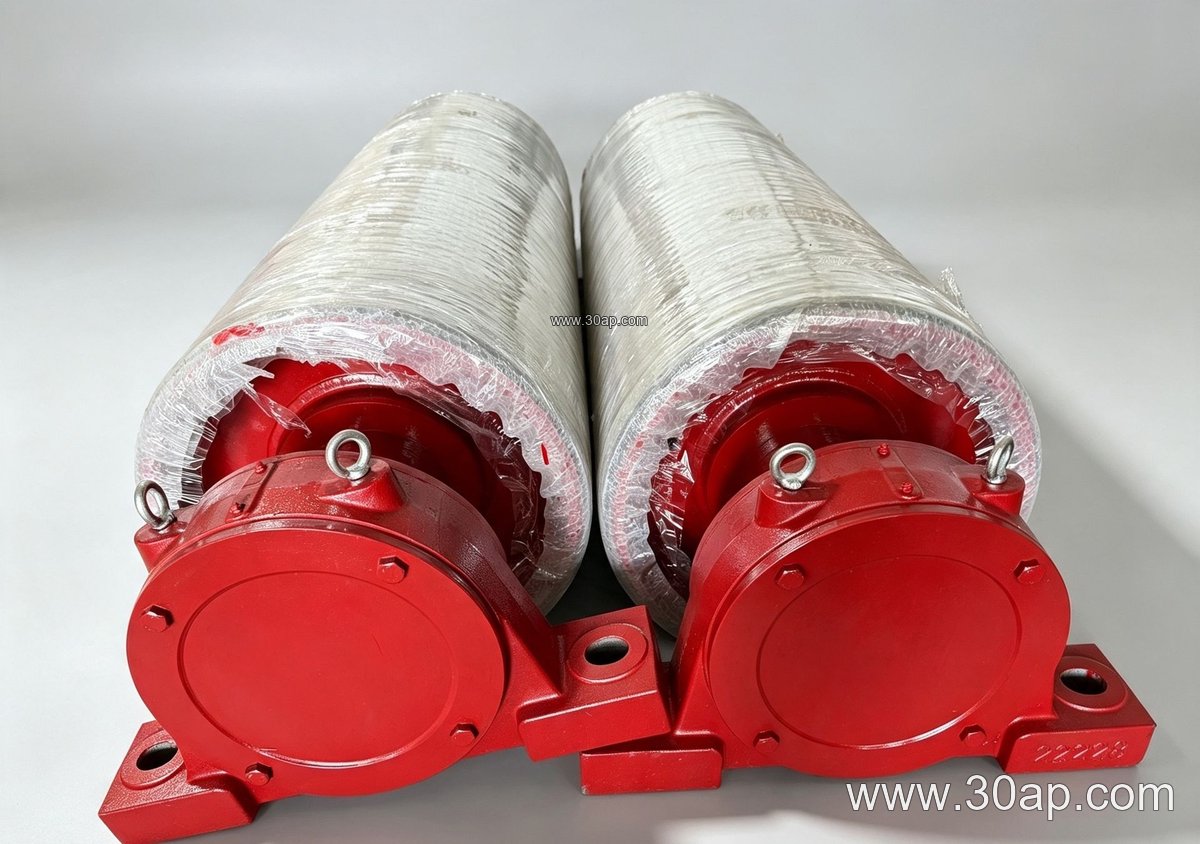
Where Heavy-Duty Pulleys Are Used
These pulleys appear in several tough environments, each with its own priorities. In a limestone quarry or aggregate plant, abrasion resistance is critical, and a pulley with thick rubber lagging helps maintain traction on a belt carrying sharp rock. In a coal washing plant, flame retardant properties may be required for the belt, and the pulley should be selected with compatible surfaces to avoid slip. At a power plant coal yard, dust and outdoor weather demand sealed bearings and corrosion-resistant finishes. In a cement plant, heat-resistant belts are common near the kiln, and the pulley must handle elevated temperatures without losing lagging adhesion.
Other applications include iron ore and copper ore handling, where steel cord conveyor belts carry high tension and the pulley shell must be robust enough to resist bending. Port bulk terminals use large pulleys on ship loading conveyors, while tunnel projects rely on heavy-duty pulleys to move excavated rock over long distances. The equipment works alongside conveyor idlers, brackets, and the belt itself, so matching the pulley to the entire system is essential.
What Buyers Should Consider
Before specifying a heavy-duty conveyor pulley, gather the belt width, belt type, maximum tension, and the pulley’s position in the conveyor. A drive pulley needs lagging for grip and a diameter large enough to reduce belt bending stress. A tail or bend pulley may use a plain or lightly lagged surface. Check the shaft diameter against the actual torque and bearing load, not against a rule of thumb. Also confirm the lagging material suits the environment: rubber for general abrasion, ceramic for extreme wear, and heat-resistant grades near hot materials. Ensure the pulley face width and diameter fit the available space and that the bearing housings match the conveyor bracket dimensions.
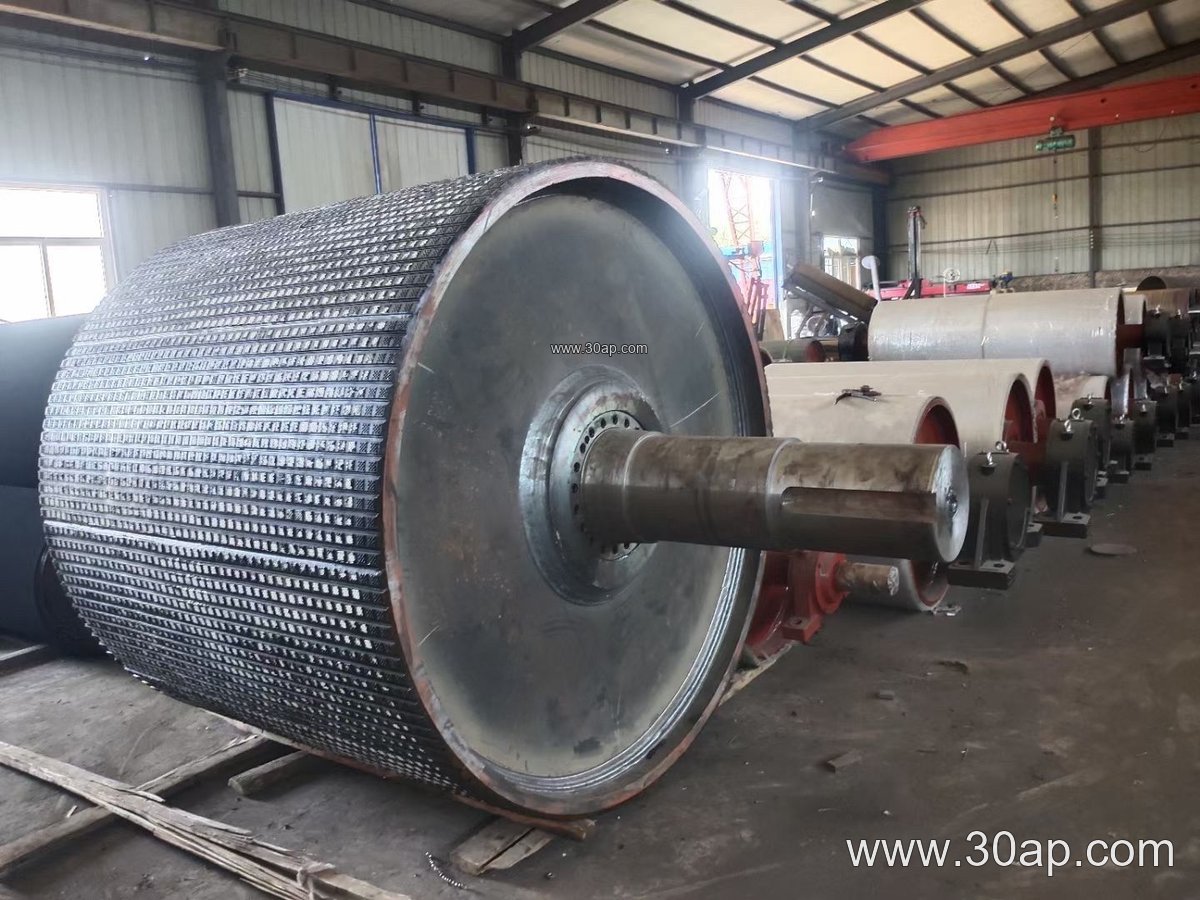
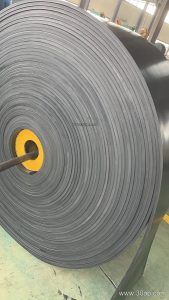
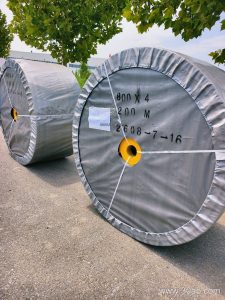
For harsh duties, consider a heavy-duty mining conveyor belt or an abrasion resistant conveyor belt to complement the pulley’s wear life. In coal or underground operations, a flame retardant conveyor belt or fire resistant conveyor belt may be mandatory. Food and chemical applications may call for oil resistant or acid resistant belt grades, though these are less common in heavy-duty pulley service. Always confirm that the pulley’s lagging and shell materials are compatible with the belt and the material being conveyed.
Maintenance and Long-Term Reliability
Regular inspection of the pulley surface helps detect lagging wear, cracking, or build-up that can cause belt misalignment. Check bearing seals for dust ingress and lubricate according to the manufacturer’s schedule. Listen for unusual noise or vibration, which may indicate bearing wear or an unbalanced drum. Keeping the conveyor belt properly tensioned and the idler rollers turning freely reduces load on the pulley and extends its service life. When replacement is needed, match the new pulley’s dimensions and lagging to the original specification or consult an engineer to account for any changes in belt tension or material flow.