What a Flame Retardant Conveyor Belt Is
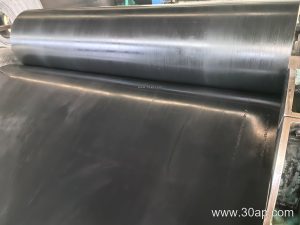
A flame retardant conveyor belt is a rubber conveyor belt whose cover compound and, in many designs, core construction are formulated to resist ignition and to limit flame spread when the belt is exposed to sparks, hot material or an ignition source. In daily site language it is often called a fire resistant conveyor belt, and the two names usually point to the same product family. It is not a heat resistant conveyor belt, which is built to survive hot material such as clinker or sinter; the flame retardant belt is mainly about fire safety in the conveying system.
Because conveyor systems run through long galleries, transfer towers and bunkers, a belt that keeps burning after a small ignition can put an entire coal handling line, cement plant or power plant at risk. That is why the flame retardant conveyor belt is a standard choice for underground coal mining, coal preparation plants, port coal terminals and other dusty, spark-prone operations. Matching anti-static properties are frequently specified together with flame resistance, since static discharge is one of the common ignition sources on a moving belt.
Construction and Material Choices
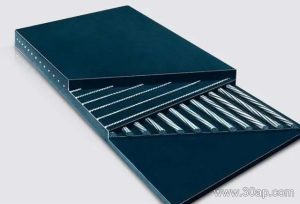
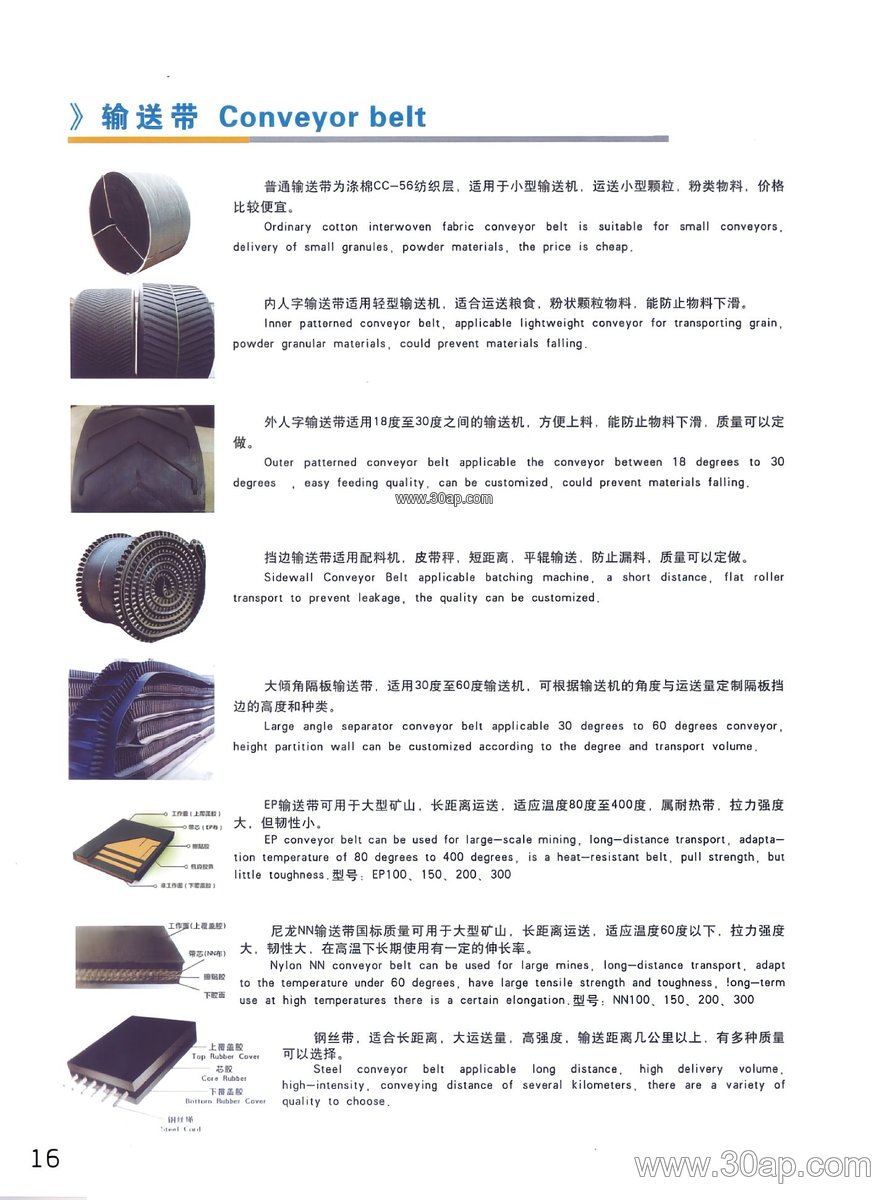
The belt is built around a fabric or steel cord carcass, protected by top and bottom rubber covers. Common carcass options for a flame retardant conveyor belt include EP conveyor belt fabric, NN conveyor belt fabric and steel cord conveyor belt construction. The cover compound carries the flame retardant additives, and the carcass may also be treated so the belt as a whole meets the required fire performance.
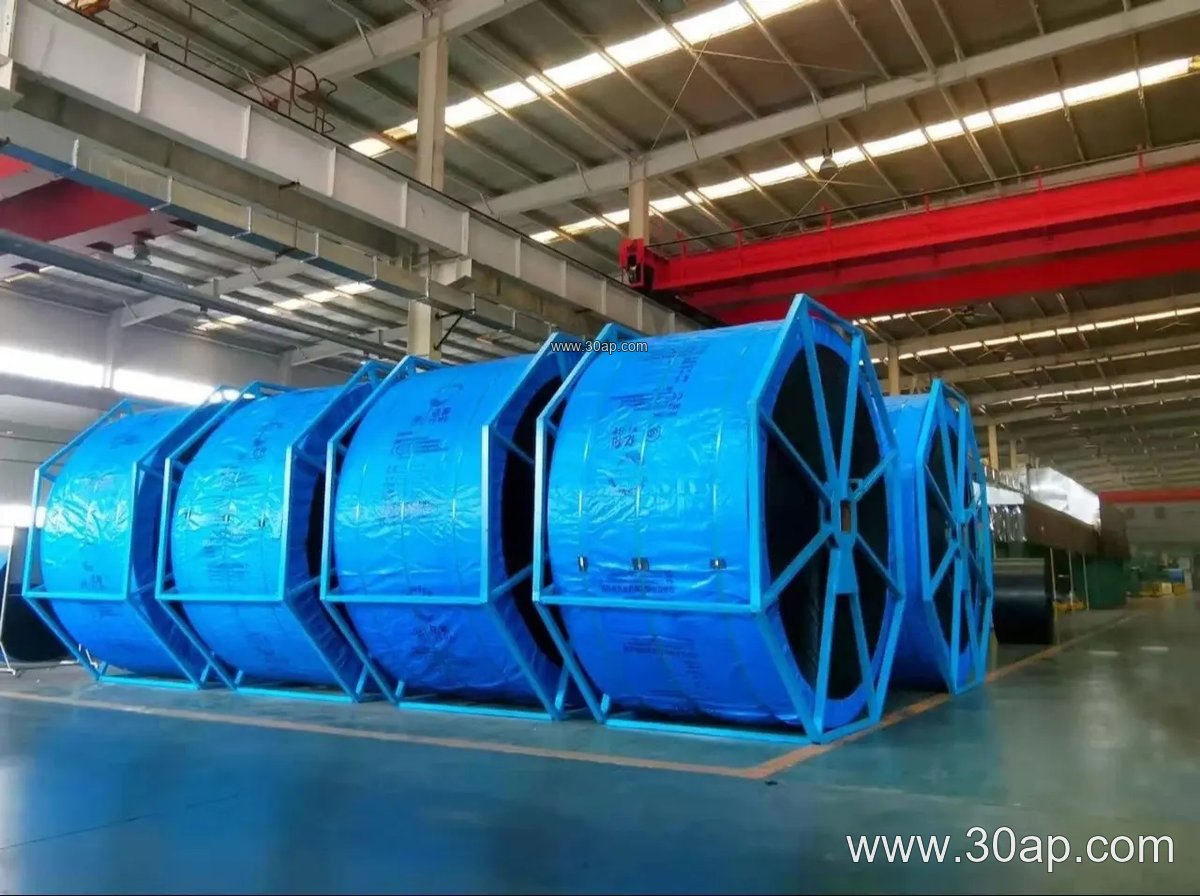
Typical reference data for fabric core flame retardant belts are shown below. These are common ranges, not fixed supply promises, and actual values are confirmed by design for each project.
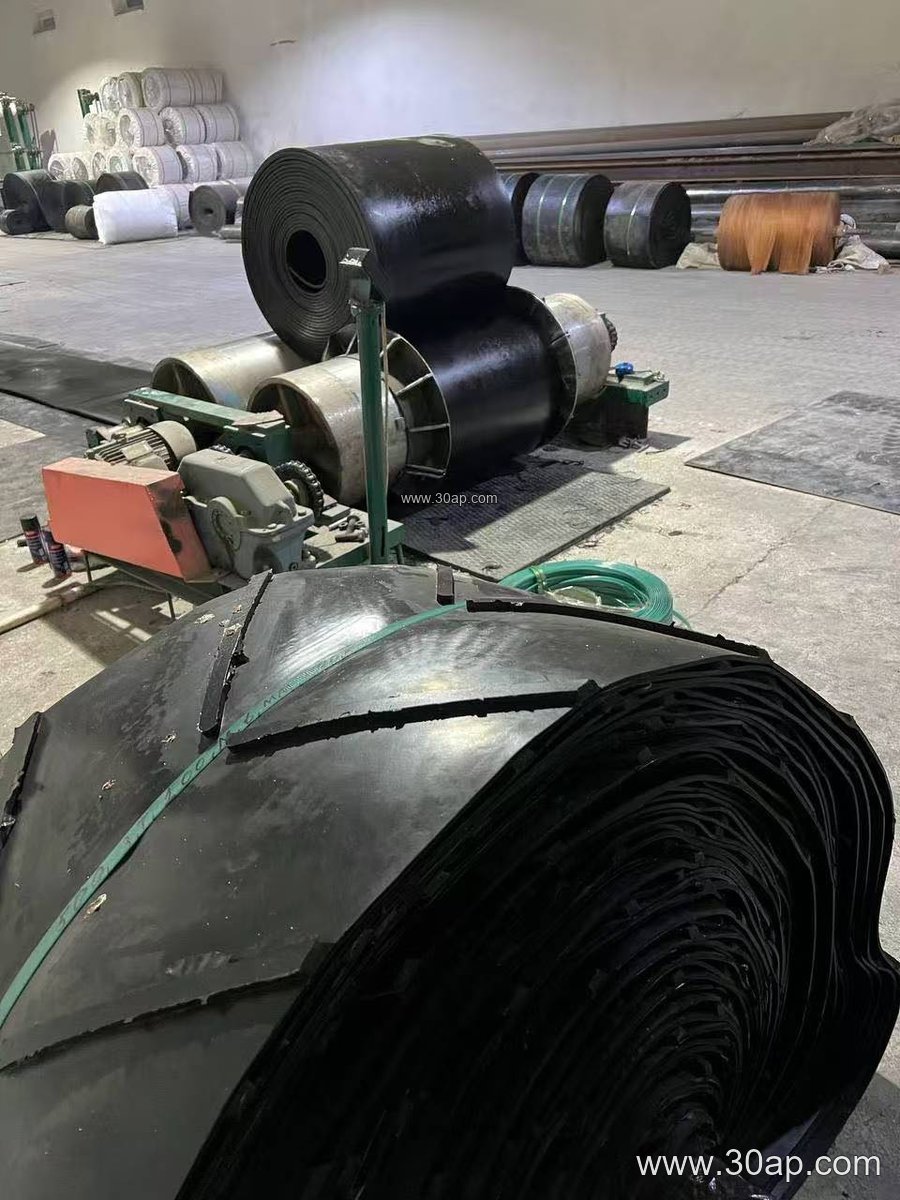
- Fabric types: EP conveyor belt, NN conveyor belt, multi-ply fabric core conveyor belt
- Strength grades: EP200, EP315, EP400, EP500, EP630, EP800, EP1000, EP1250
- Belt widths: B500, B650, B800, B1000, B1200, B1400, B1600, B1800, B2000
- Cover thickness: 3+1.5 mm, 4+2 mm, 5+2 mm, 6+2 mm, 8+3 mm
- Ply count: usually 2 to 6 layers
For higher tension and long horizontal or inclined runs, a steel cord flame retardant conveyor belt may be used instead, with grades such as ST1000, ST1250, ST1600 or ST2000. In underground coal work, PVG conveyor belt and PVC conveyor belt constructions, including PVG800 and PVG800S, are also common because they combine flame resistance with a solid-woven or fabric carcass.
Where It Fits in the Plant
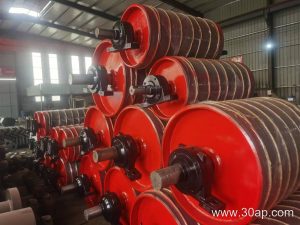
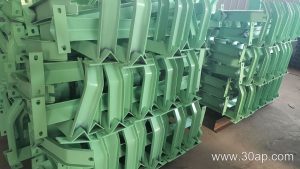
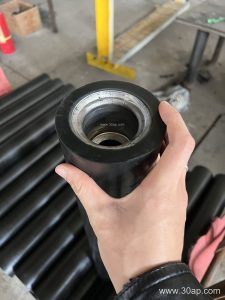
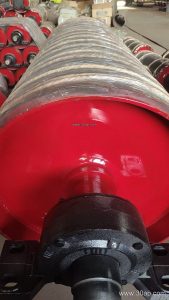
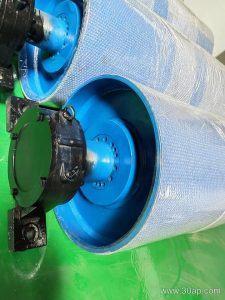
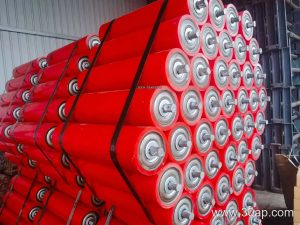
Flame retardant belts appear across many bulk handling industries. In coal mining and underground coal mining they carry raw coal from the face to the surface; in power plants they feed coal from the yard to the bunker; in cement plants and quarries they move limestone, clinker and aggregate; in steel plants and ports they handle ore, coke and bulk material. A typical line uses the belt together with idler rollers, a conveyor pulley at the drive and tail positions, and conveyor brackets that hold the frame together. The belt is the safety-critical element, but the pulley and idler condition also affects tracking and wear.
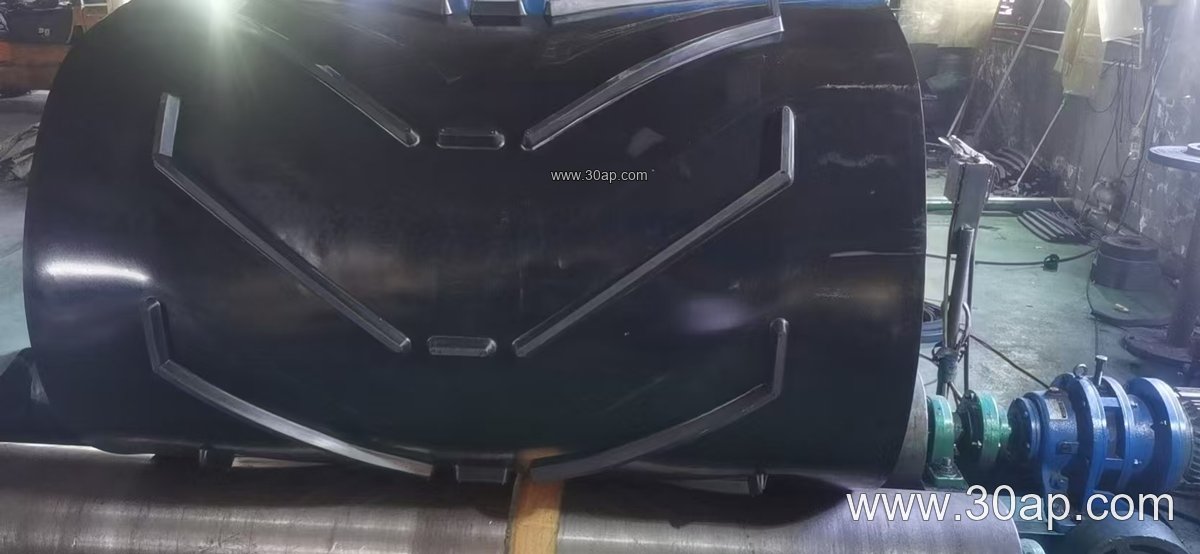
Where the route climbs steeply, a chevron conveyor belt or corrugated sidewall conveyor belt may be considered, but these are separate designs; the flame retardant requirement should be confirmed for whichever profile is chosen. Enclosed routes may call for a pipe conveyor belt, again with the fire performance specified separately.
Selection Points for Buyers
Buyers should start from the actual duty: material type, lump size, belt speed, incline, ambient conditions and the fire standard the site must meet. A flame retardant conveyor belt for a coal yard and one for a cement plant may look similar but differ in cover grade and carcass strength. Confirm the strength grade, width, cover thickness and ply count as a package, and check that the anti-static and flame performance are stated for the finished belt, not only for the compound.
Also consider the environment. Oil mist, acid or alkaline water, and sub-zero winters may require an oil resistant conveyor belt, chemical resistant cover or cold resistant conveyor belt compound, with flame resistance retained. Abrasion resistant conveyor belt covers are worth specifying where sharp rock or ore is handled. On the mechanical side, check pulley diameter against belt thickness and carcass type, keep idler rollers turning freely, and align the conveyor pulley and brackets so the belt does not rub. Spare belts should be stored away from heat and sunlight, and splicing should follow the belt maker’s method so fire performance is not compromised at the joint.