What a Polyurethane Idler Is
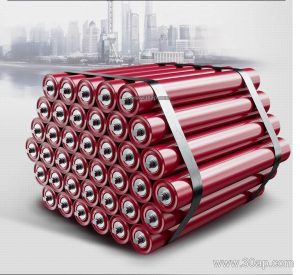
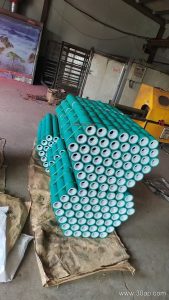
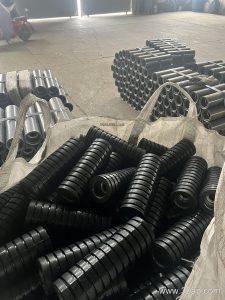
A polyurethane idler is a conveyor roller whose outer surface is made of polyurethane rather than steel, rubber, or nylon. It sits under the belt or on the return side, supporting the conveyor belt and keeping it tracking smoothly. The polyurethane layer can be cast or bonded onto a steel core, and it is this shell that contacts the belt. Because polyurethane combines elasticity with good abrasion resistance, this idler type often appears where standard steel rollers wear too fast or where belt damage from impact is a concern. You will see it referred to as a PU idler or polyurethane conveyor roller, but it remains the same product family.
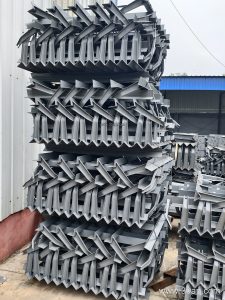
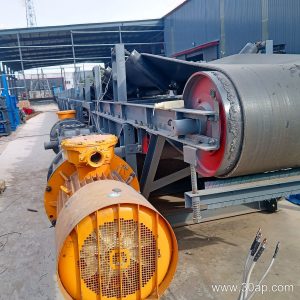
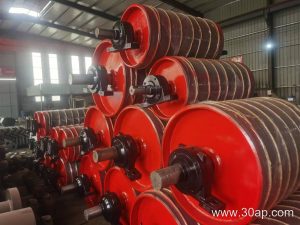
In a typical conveyor line, the polyurethane idler is mounted on a conveyor bracket and works alongside the conveyor pulley at the head or tail. It is not a drive pulley or a bend pulley; those are separate components with different duties. The idler simply carries the belt and material load.
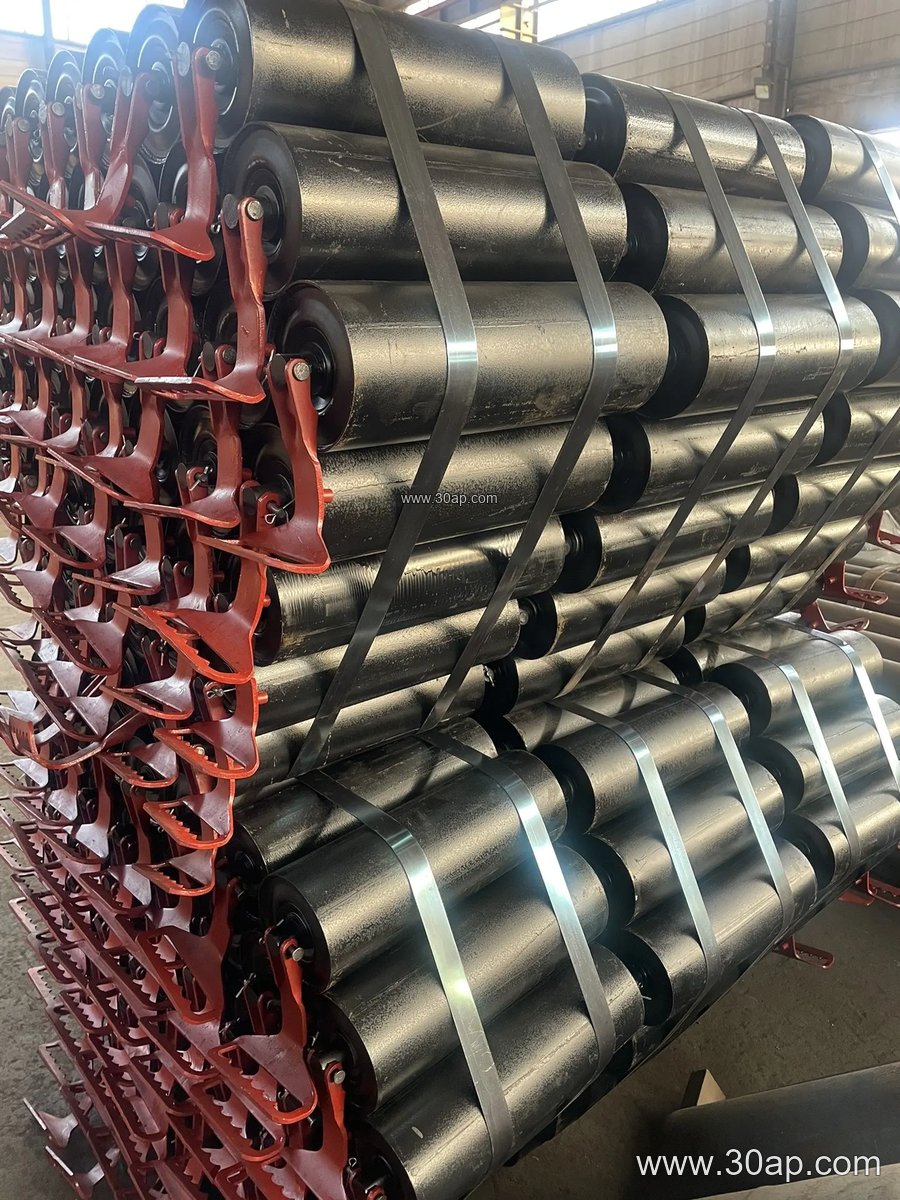
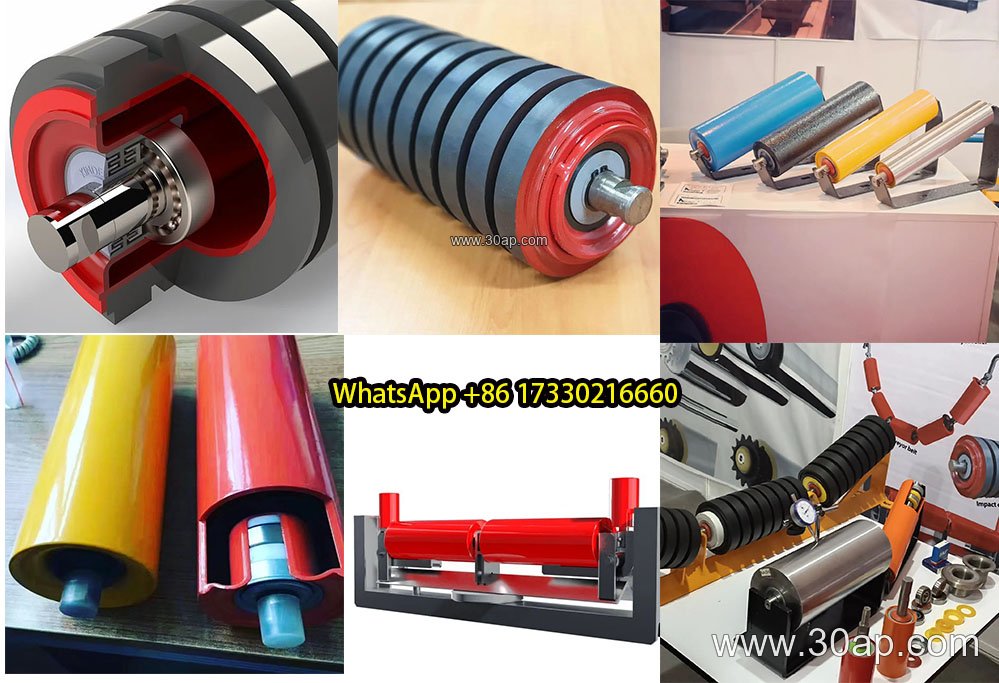
Construction and Design Features
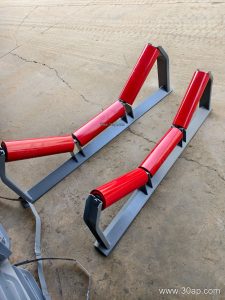
The body usually starts with a steel tube or shaft, fitted with sealed bearings. Common bearing sizes include 6204, 6205, 6305, 6306, 6308, and 6310. The polyurethane cover is then applied to the outside. Depending on the design, the cover may be smooth, grooved, or profiled to improve grip or self-cleaning. The idler can be a single roll or part of a two-roll or three-roll set. For a three-roll troughing set, the side rollers are angled to form a trough, and the center roll supports the middle of the belt. Typical trough angles are 20, 30, 35, and 45 degrees.
Roller diameters vary with load and belt width. Common sizes include Ø63, Ø76, Ø89, Ø102, Ø108, Ø127, Ø133, Ø159, Ø178, Ø194, and Ø219 mm. Roll length is matched to the belt width and trough configuration. For example, a three-roll troughing set on a B800 belt often uses a roll length around 315 mm, while a B1200 belt may use about 465 mm. These are common examples, not fixed rules; the final dimensions are determined by the conveyor design. Polyurethane idlers can also be supplied as return rollers, impact rollers with rubber rings, or self-aligning rollers with a tapered shape, but the polyurethane version is chosen mainly for its wear surface.
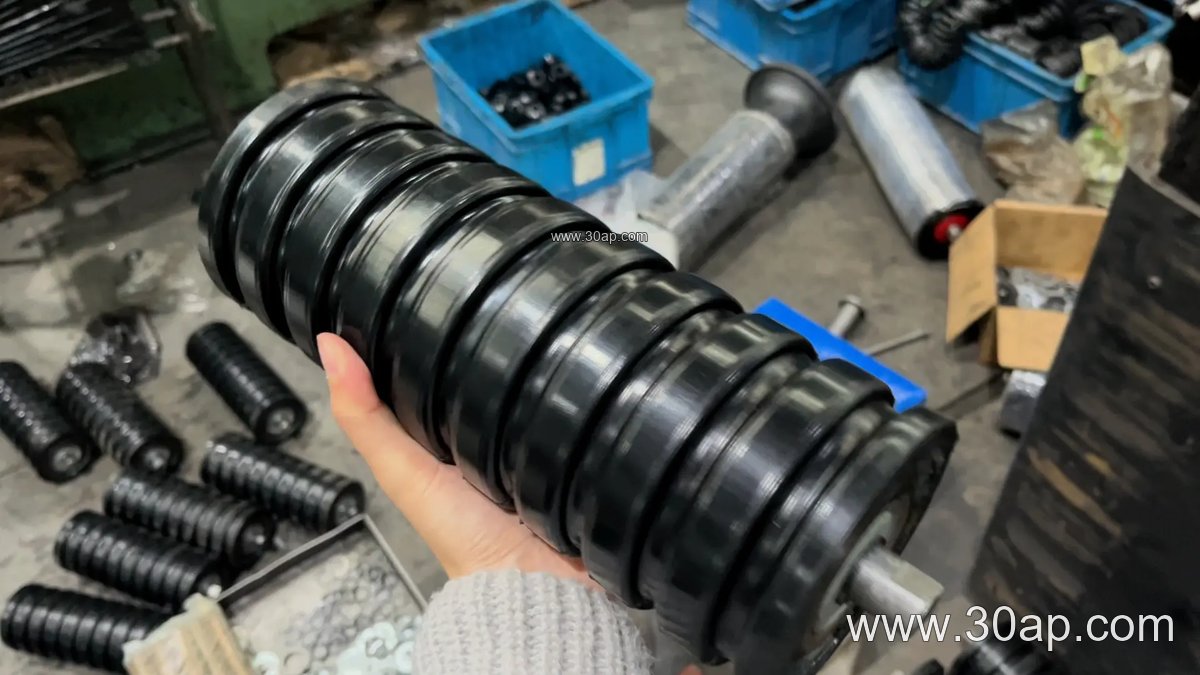
Where Polyurethane Idlers Are Used
Polyurethane idlers are found in quarry and aggregate lines, cement plants, and power plant coal handling. In a sand and gravel operation, fine abrasive dust can shorten the life of plain steel rollers; the polyurethane surface helps resist that wear. In a coal yard or limestone stockpile, the idler may be exposed to moisture and fines, so the sealed bearing and polyurethane cover work together to keep the belt running. They are also used in recycling and bulk material handling where belt cleanliness matters.
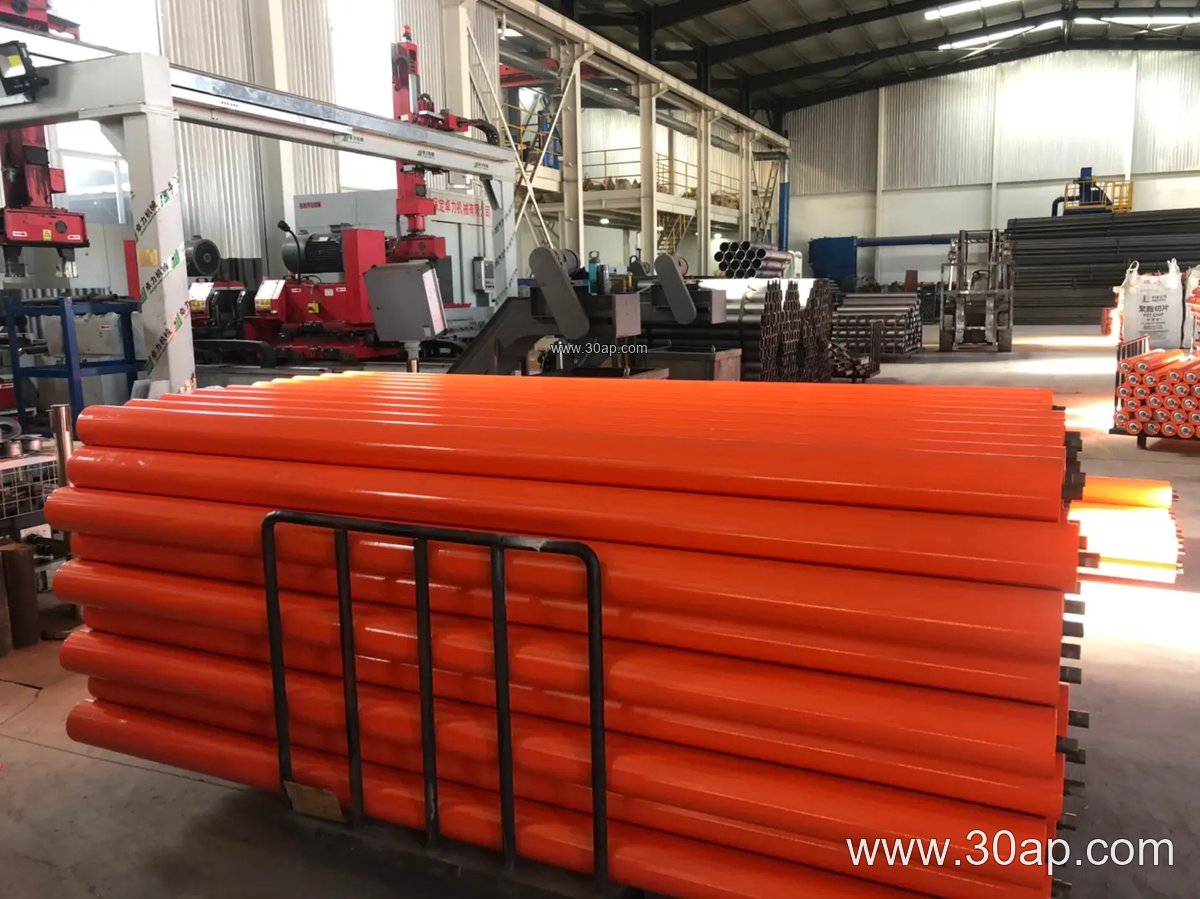
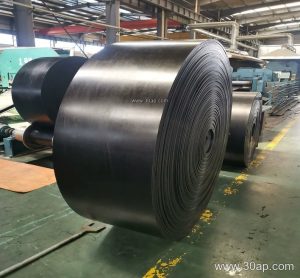
When the conveyor moves heavy ore or sharp rock, a impact resistant conveyor belt may be paired with impact idlers, and polyurethane can be part of that setup. The idler does not replace the conveyor pulley or the drive pulley; it supports the belt between them. For long overland conveyors using a steel cord conveyor belt or an EP conveyor belt, polyurethane idlers can reduce belt cover wear at transfer points.
Selection and Maintenance Notes
Buyers should match the idler to the belt width, belt speed, load, and environment. A wider belt does not automatically mean a larger shaft diameter; the shaft size is set by the conveyor design and load calculation. The polyurethane hardness and thickness should suit the application: softer compounds for impact, harder ones for abrasion. Bearing type and sealing are critical in dusty or wet conditions. Regular inspection of the idler surface, bearing play, and mounting brackets helps prevent belt tracking problems. If an idler seizes, it can wear a flat spot on the belt or damage the conveyor pulley lagging.
For reliable operation, keep spare idlers on hand and check alignment after installation. Polyurethane idlers are not a universal replacement for every roller type; they are a targeted choice for wear and impact protection. Whether the plant handles coal, clinker, or iron ore, selecting the right polyurethane idler comes down to understanding the belt, the load, and the working environment.