What a Trough Idler Bracket Set Does on a Conveyor
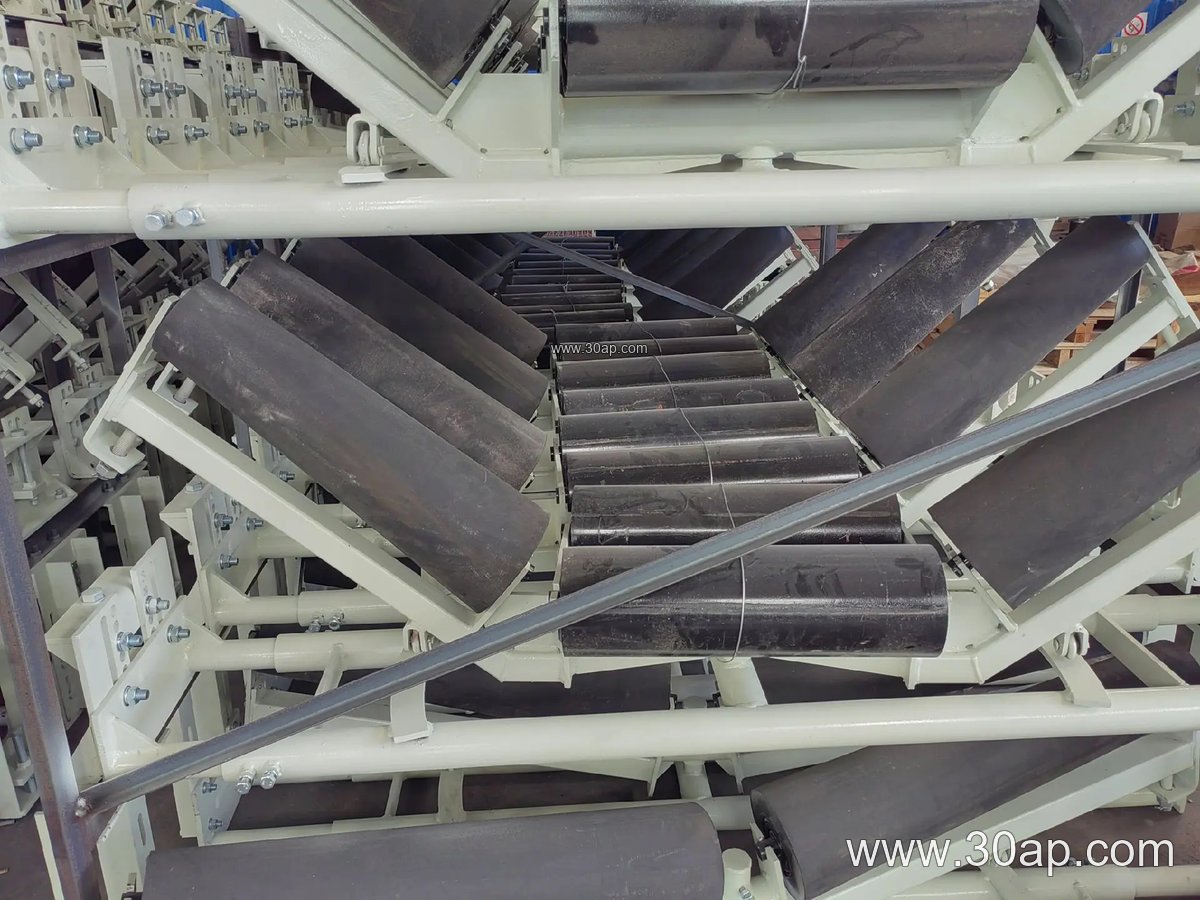
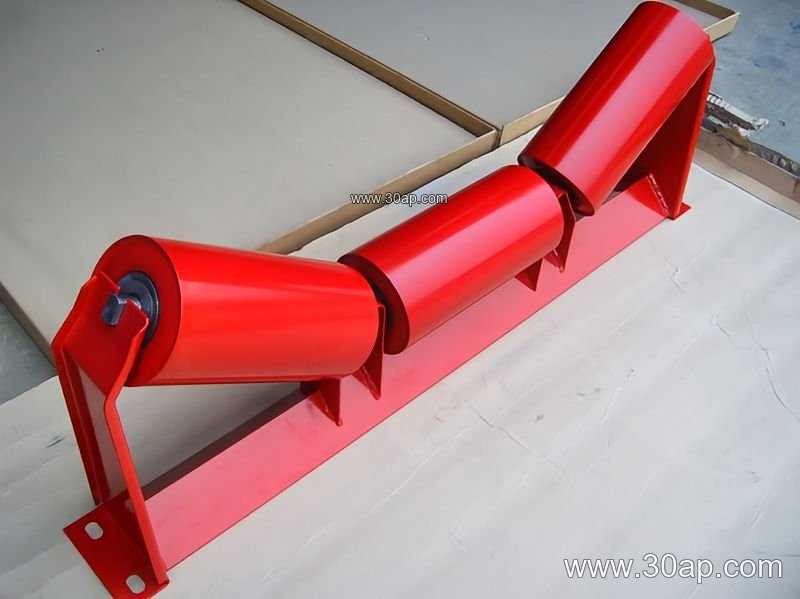
A Trough Idler Bracket Set is the mounting hardware that holds the carrying-side idler rollers in a troughed profile, so the conveyor belt forms a stable channel for bulk material. In practice, this set is also called a troughing idler bracket assembly or troughing bracket set, and it may include the support frame, mounting plates, and fixing points needed to position two or three idler rollers at the required trough angle. It is a structural part, not a rotating part, but its accuracy affects belt tracking, material spillage, and idler life.
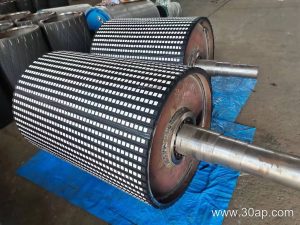
On a quarry or aggregate line, a poorly aligned bracket set can make the belt wander and throw stone chips off the edge. On a cement plant clinker conveyor, the same hardware must hold its shape under constant load and vibration. The bracket set is small compared with the conveyor pulley or the conveyor belt, yet it decides how evenly the load is shared across the idler roller stations.
Construction and Common Materials
Most troughing bracket sets are fabricated from angle steel, channel steel, or folded steel plate. The frame is welded or bolted, then drilled or punched for the idler shaft ends. A typical set has a base beam, two side arms set at the trough angle, and mounting slots that allow small adjustments during installation. Surface treatment usually follows the site conditions: painted finish for general duty, galvanized or coated versions where moisture and dust are heavy.
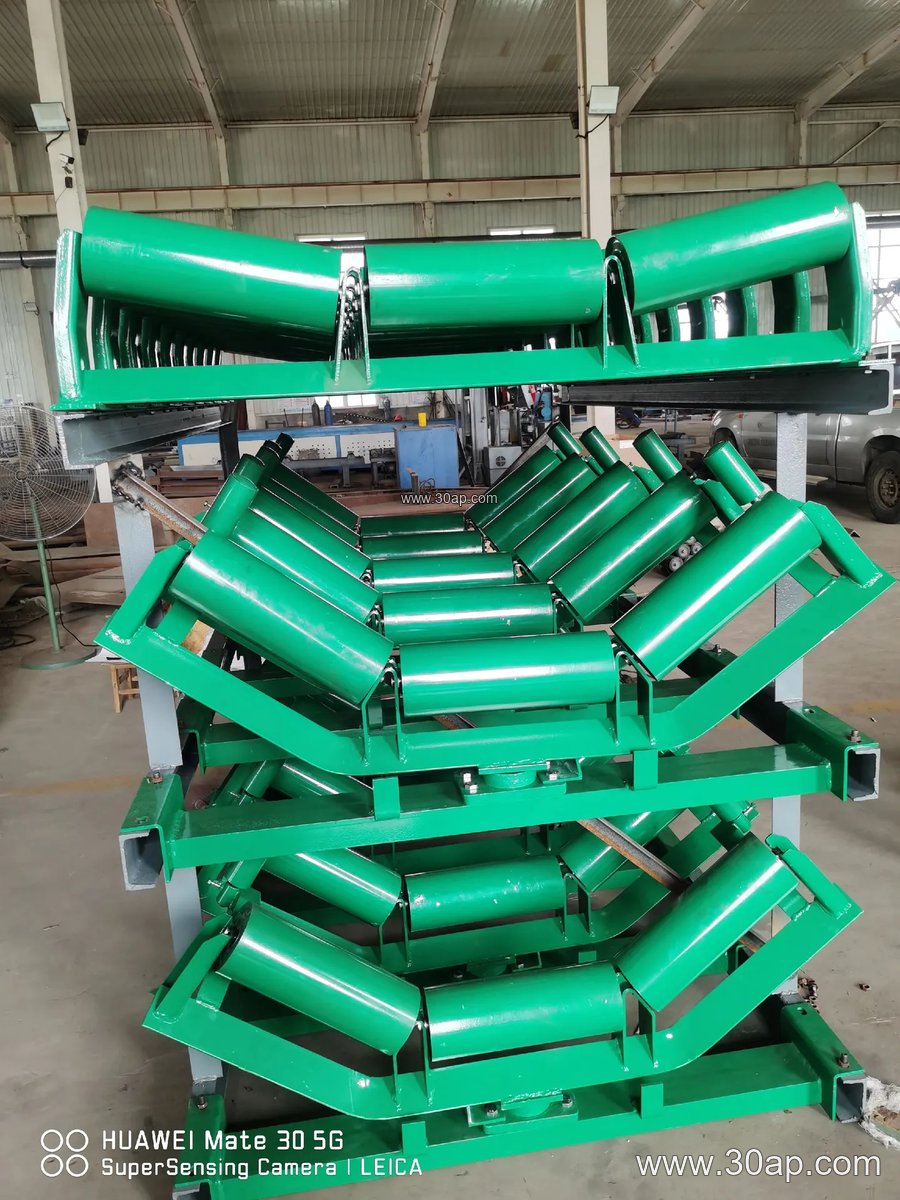
- Angle steel frame: light to medium duty, easy to align on site.
- Channel steel frame: higher stiffness for wide belts and heavy loads.
- Folded plate frame: clean profile, often used where space is limited.
The bracket set does not carry the belt directly; it positions the idler roller so the belt rests on the roller shell. That is why hole spacing and arm angle must match the roller diameter and the belt width for which the station is designed.
Trough Angle, Belt Width and Roller Diameter
Trough angle is the main choice for a trough idler bracket set. Common values are 20, 30, 35 and 45 degrees. A 20-degree set suits light material and gentle loading, while 35 or 45 degrees gives a deeper channel for high-capacity bulk flow. Adjustable bracket sets can be set between these angles, which helps when a conveyor handles more than one material.
Belt width and roller diameter are selected together, not as a fixed pair. Typical combinations include B800 with 35 degrees and Ø108 rollers, B1200 with 45 degrees and Ø133 rollers, or B650 with 30 degrees and Ø89 rollers. Wider belts such as B1400, B1600 or B1800 usually need heavier frames and larger roller diameters. Installation hole spacing and beam length change with belt width and trough angle, so they are confirmed per project rather than taken as universal figures.
| Reference item | Typical range | Note |
|---|---|---|
| Belt width | B500 to B2200 | Frame length follows belt width |
| Trough angle | 20 to 45 degrees | Adjustable sets cover several angles |
| Roller diameter | Ø89 to Ø194 | Selected with load and belt speed |
| Material | Angle, channel, folded plate | Finish matched to site conditions |
Where the Bracket Set Fits in a Conveyor System
The carrying-side bracket set works together with the conveyor belt, the idler roller, and the conveyor pulley at the head and tail. It is common in coal handling, iron ore transport, limestone crushing, power plant coal feeding, and sand and gravel plants. A mine conveyor belt running at high tonnage depends on evenly spaced troughing stations to keep the belt supported between the drive pulley and the tail pulley.
On the return side, a V-return bracket or flat return bracket is a different subtype and should not be confused with the troughing set. Likewise, a transition bracket near the head or tail serves a different purpose from a standard troughing station. Buyers should specify the position, not just the name, so the supplier can supply the correct frame.
Selection and Maintenance Notes for Buyers
When ordering, give the belt width, trough angle, roller diameter, mounting hole spacing, and the material being conveyed. State whether the frame must be fixed or adjustable. For dusty or wet sites, ask about the coating and the drainage or cleaning clearance around the frame. Check that the bracket set matches the idler roller shaft flats and that the arms allow the roller to sit without binding.
During service, inspect for bent arms, loose bolts, and worn mounting holes. A bracket set that has lost its angle will wear the belt edge and overload one roller. Replacing a distorted frame early is cheaper than replacing a damaged conveyor belt. For related conveyor components, see the conveyor bracket and idler roller pages at www conveyorparts example, and for belt selection guidance visit the conveyor belt section of the same site.