What a PVC Conveyor Belt Is
A PVC conveyor belt is a light- to medium-duty belt whose covers are made from polyvinyl chloride, usually bonded to a fabric core. It is a distinct product family from heavy rubber belting, and buyers often meet it under the equivalent name PVC belting. In plants that run both light and heavy circuits, it is common to see this belt on packaging or assembly lines while a rubber conveyor belt handles abrasive bulk material elsewhere. The two are not interchangeable, and the PVC type should be selected on its own merits.
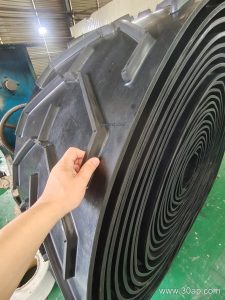
The construction is simple but precise. One or more fabric plies form the tension-carrying carcass, and PVC covers are applied to the top and bottom faces. The cover compound can be formulated for different duties, and the surface may be smooth, matte, or lightly textured. Because the carcass is fabric-based, the belt is relatively flexible, which helps it track on smaller pulleys and run quietly in enclosed spaces.
How the Belt Is Built
Most PVC belting uses a woven fabric core, often polyester or a polyester-cotton blend, with the number of plies chosen to suit the load and the pulley arrangement. Covers are typically 1 to 3 mm on the carrying side and thinner on the pulley side, though exact figures are set by the manufacturer and the application. The belt edges may be cut square or sealed to limit fraying.
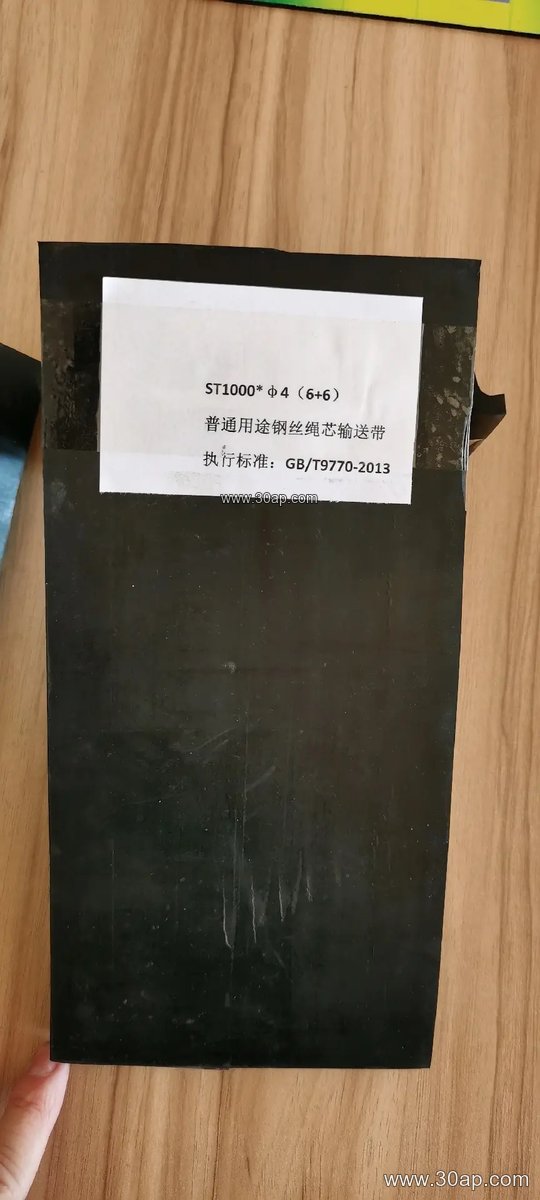
Fabrication matters as much as the base material. A PVC belt can be supplied as an endless conveyor belt with a spliced joint, or as open lengths for on-site joining. Finger-over-finger splices and stepped splices are both used. For food handling, a food grade conveyor belt compound may be specified, and anti-static grades are available where static buildup is a concern. These variants share the same PVC base, so the choice is about the working environment rather than a different product category.
Where It Fits in the Plant
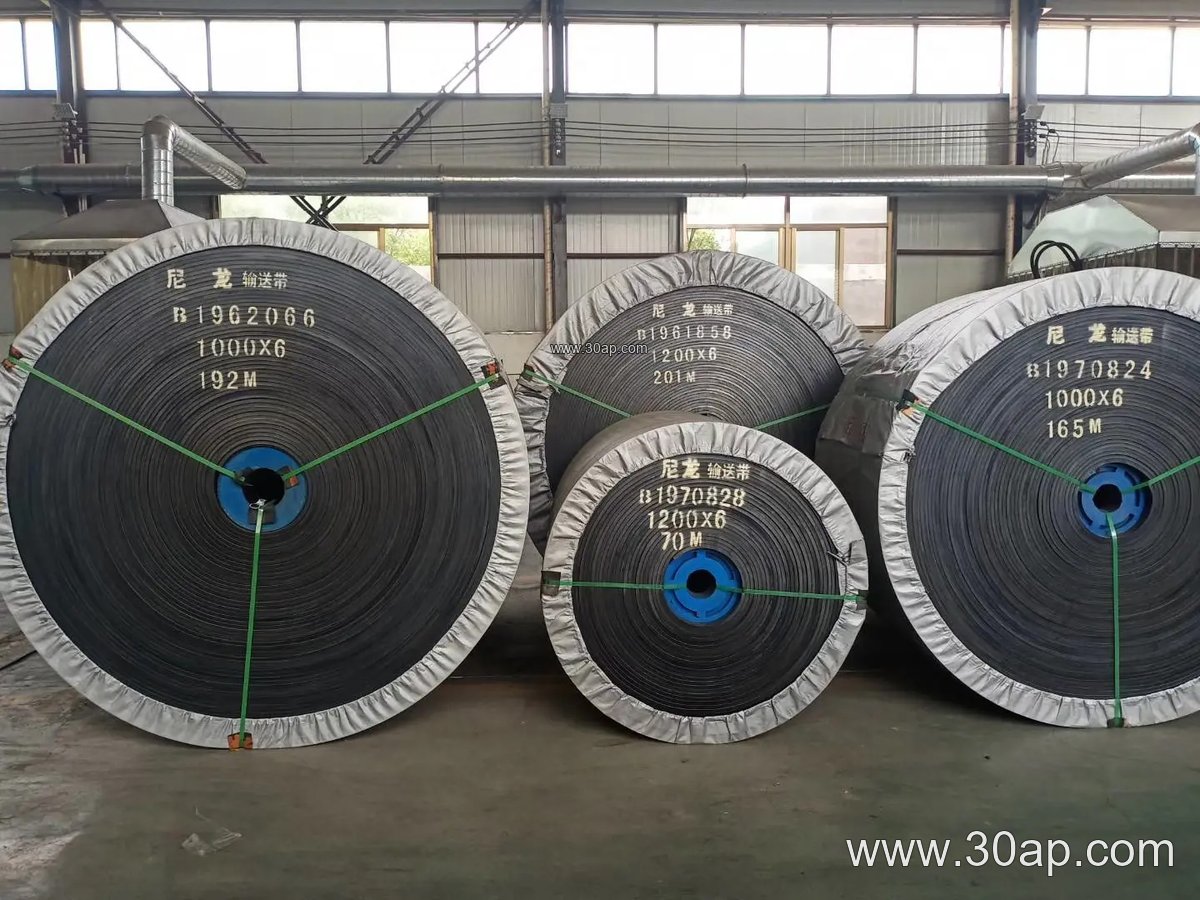
PVC belting is widely used in light manufacturing, logistics sorting, food processing, and general assembly. It also appears in recycling lines and in some non-abrasive handling tasks at quarries and aggregate plants, although the primary crushing and transfer duties there are usually given to heavier constructions such as an EP conveyor belt or a steel cord conveyor belt. In a cement plant, a power plant, or a coal mining operation, PVC belting is more likely to be found on small auxiliary conveyors than on the main haulage circuit.
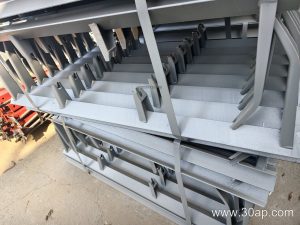
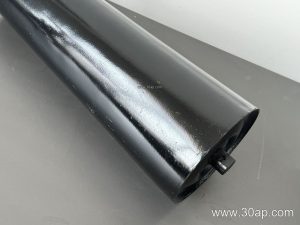
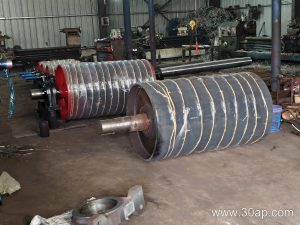
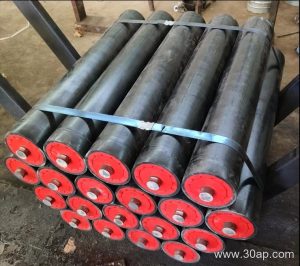
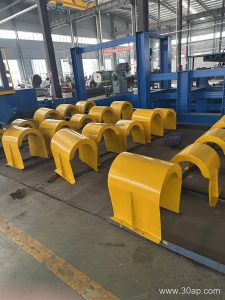
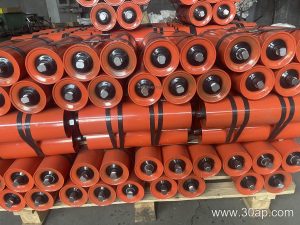
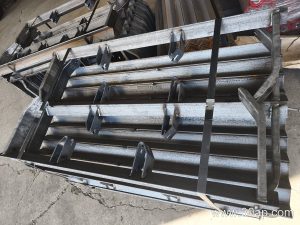
The belt works with standard conveyor components. A conveyor pulley at the head and tail drives and returns the belt, while idler rollers support the carrying run. On short, light conveyors, the belt may run over a slider bed instead of rollers. A conveyor bracket holds the pulley and roller assemblies in alignment. Matching the belt to these components, rather than treating it as a standalone item, is the key to reliable tracking.
Common Specifications at a Glance
The table below shows typical reference values. These are examples for orientation only and should be confirmed against the actual design and the supplier’s data.
- Belt width: B500, B650, B800, B1000, B1200, B1400
- Fabric plies: commonly 1 to 3 for light duty, more for heavier builds
- Top cover: 1.0 to 3.0 mm typical
- Bottom cover: 0.5 to 1.5 mm typical
- Surface forms: smooth, matte, textured, or with cleats and profiles
- Joint options: endless spliced or open length for field joining
What Buyers Should Check
Start with the duty. A belt carrying cartons at low tension has different needs from one moving wet, oily parts or warm components. Confirm the required cover hardness, the acceptable operating temperature range, and whether anti-static or flame retardant behavior is needed. If the conveyor is inclined, ask about cleats or a textured surface to prevent slip.
The pulley diameter and the number of plies must be considered together. A thin, flexible belt can run on smaller pulleys, while a thicker build needs a larger minimum pulley to avoid excessive bending stress. Do not assume that a given belt width dictates one pulley size, and do not derive a shaft diameter from belt width alone. Those values come from the conveyor design.
Finally, check the joint. A poorly spliced endless belt can fail long before the cover wears out. Ask how the splice is made, what the expected tension rating is, and whether the supplier can supply the belt cut to the required length. For food or cleanroom use, request the relevant compound documentation. For harsh outdoor sites, consider how the PVC cover will behave in cold weather, and compare with a cold resistant conveyor belt if the plant operates below freezing. A site survey of the actual conveyor frame, pulleys, and idler rollers will usually reveal more than a catalog page.