What an Iron Ore Conveyor Idler Does on the Line
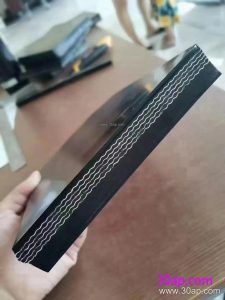
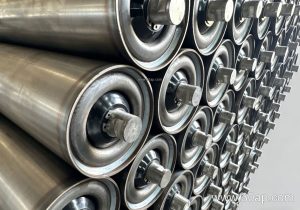
An iron ore conveyor idler is the rotating support that carries the belt and the load between the head and tail of a conveyor. On a typical iron ore conveyor, the belt may be a heavy-duty rubber belt or an abrasion resistant conveyor belt, and the load is dense, sharp and often wet. The idler roller has to keep that belt tracking, keep the trough shape, and absorb the constant load without seizing. In practice, the iron ore conveyor idler is one of the most frequently replaced parts on a belt system, which is why buyers pay close attention to its construction.
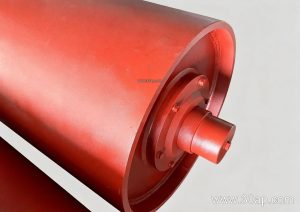
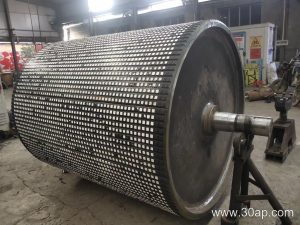
Because iron ore is heavy, the idler is usually selected in a troughing arrangement rather than a single flat roller. A three-roll troughing set with a 35 degree or 45 degree trough angle is common on the loaded side, while return rollers support the empty belt underneath. The same plant may also run an ore conveyor belt on a conveyor pulley at each end, but the pulleys and the idlers serve different jobs and are not interchangeable.
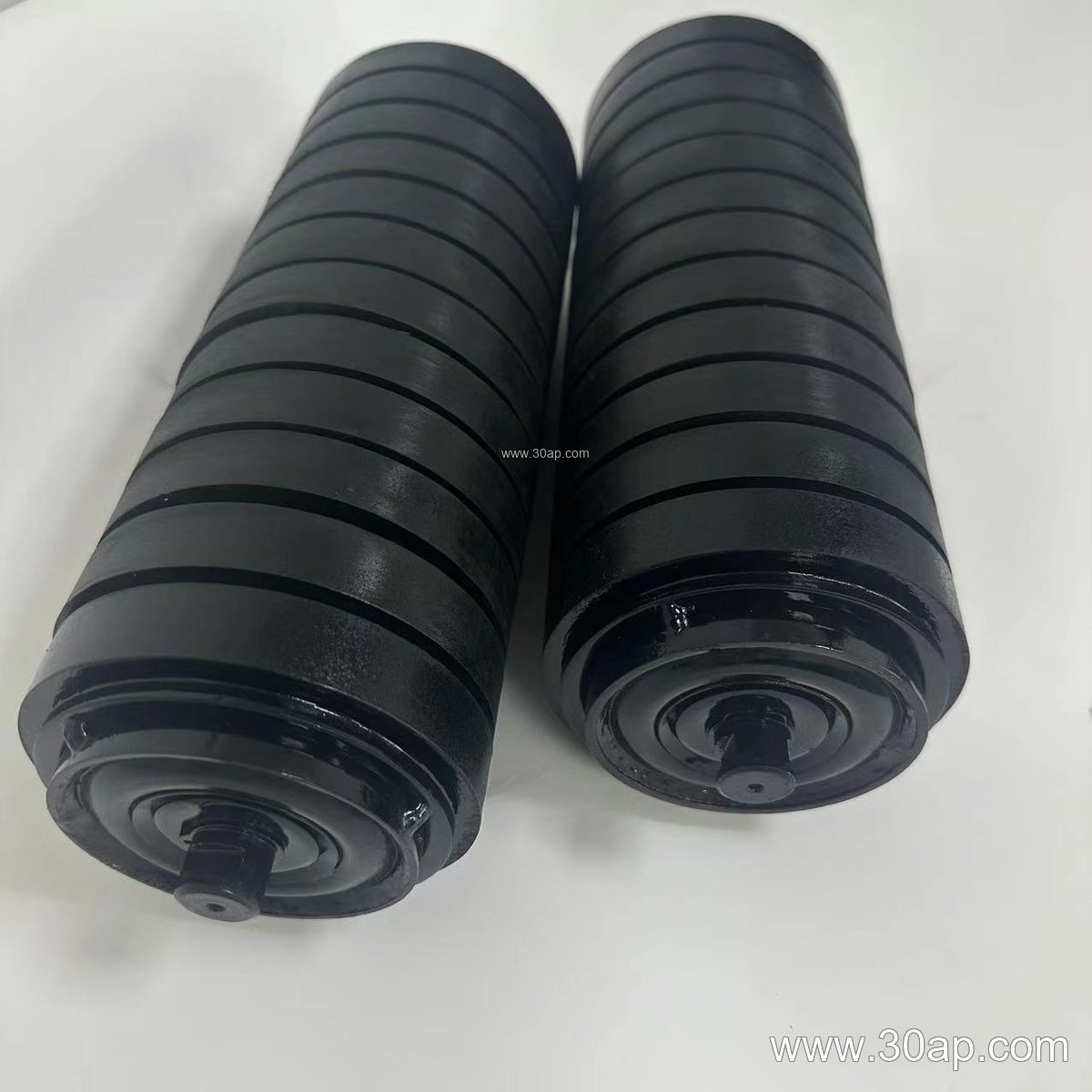
Construction Details That Matter
A standard iron ore conveyor idler is built from a steel tube shell, a shaft, bearing housings, and a sealing system. Roller diameters commonly range from about 89 mm up to 219 mm for heavy-duty service, and the shell may be plain steel, nylon-coated, or fitted with rubber rings where impact is severe. Bearings such as 6205, 6305, 6306 or 6308 appear across many sizes, and the correct bearing is matched to the load and speed of the conveyor rather than to the belt width alone.
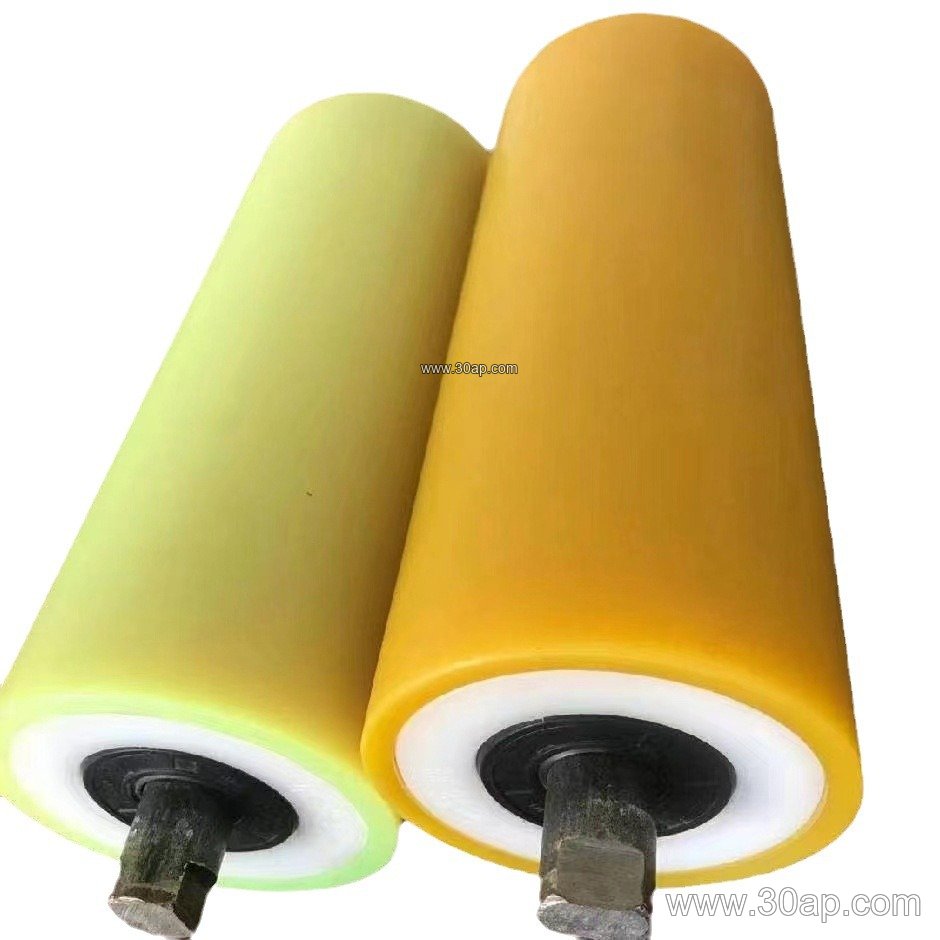
The seal is often the deciding factor. Iron ore dust is fine and abrasive, and once it reaches the bearing, the roller fails quickly. Labyrinth seals and multi-stage grease retention designs are typical. Buyers should also confirm the shaft end design and the frame fixing, because the conveyor bracket on the stringer must match the idler shaft.
- Shell: steel tube, sometimes with rubber rings for impact zones
- Bearing: deep groove ball bearing, size selected by duty
- Seal: labyrinth or contact seal for dust exclusion
- Shaft: flat or groove ends to suit the bracket
Where the Idler Sits in the System
In an iron ore beneficiation plant or a pelletizing line, the loaded run of the belt is supported by troughing idlers, while transition idlers ease the belt from the flat pulley into the trough. Impact idlers with rubber rings are placed under the loading point where lump ore drops onto the belt. On the return side, a V-type return idler helps keep the belt centered and sheds spillage.
Similar arrangements appear in a quarry, a copper concentrator, a sinter plant, or a port terminal handling ore. In each case, the belt itself may be an EP conveyor belt, a steel cord conveyor belt, or a flame retardant belt if the area has fire risk. The idler selection follows the belt width, the trough angle and the load, not the belt brand.
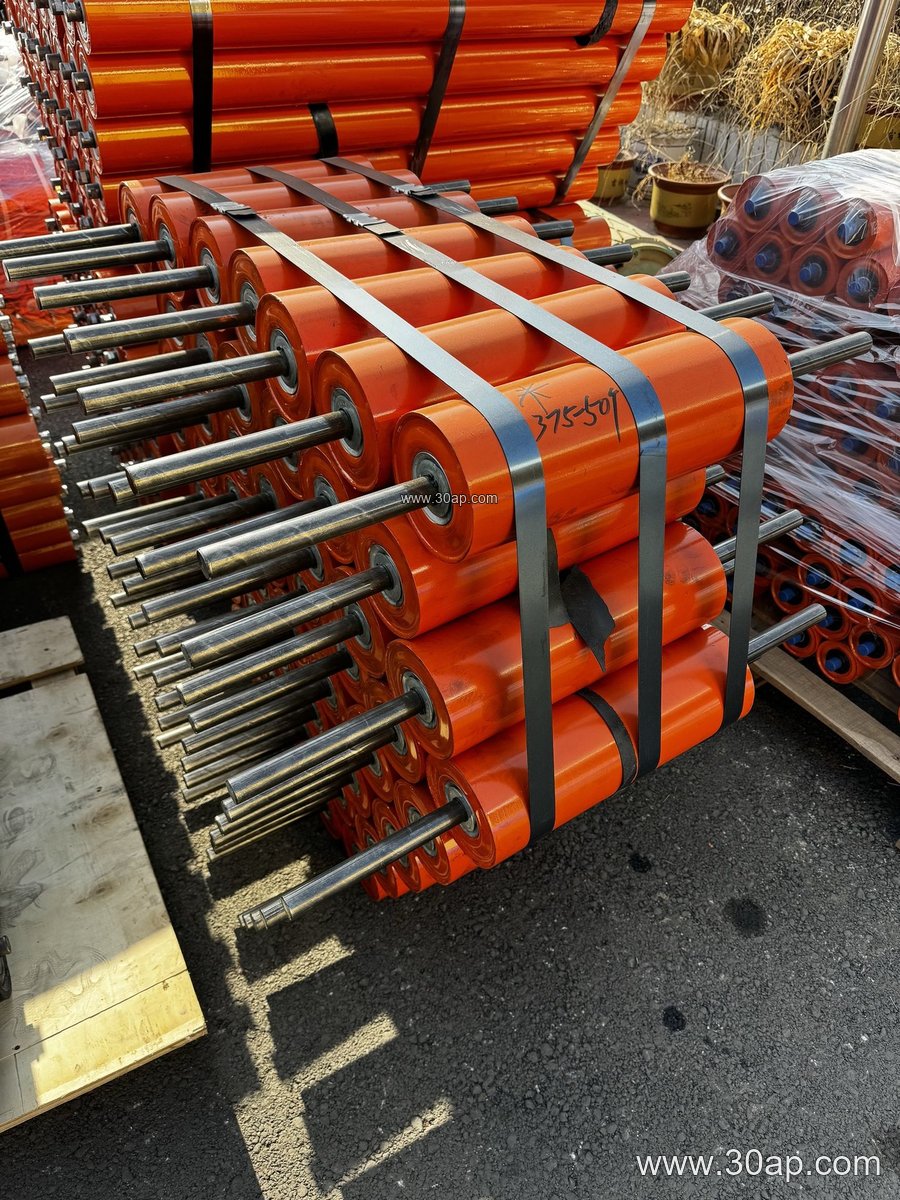
Reading Diameter, Width and Roll Length Together
Roll length changes with belt width, trough angle and the roll position in the set. The table below gives common reference values for a three-roll troughing set; side rolls and center rolls can differ, and final dimensions are confirmed by design.
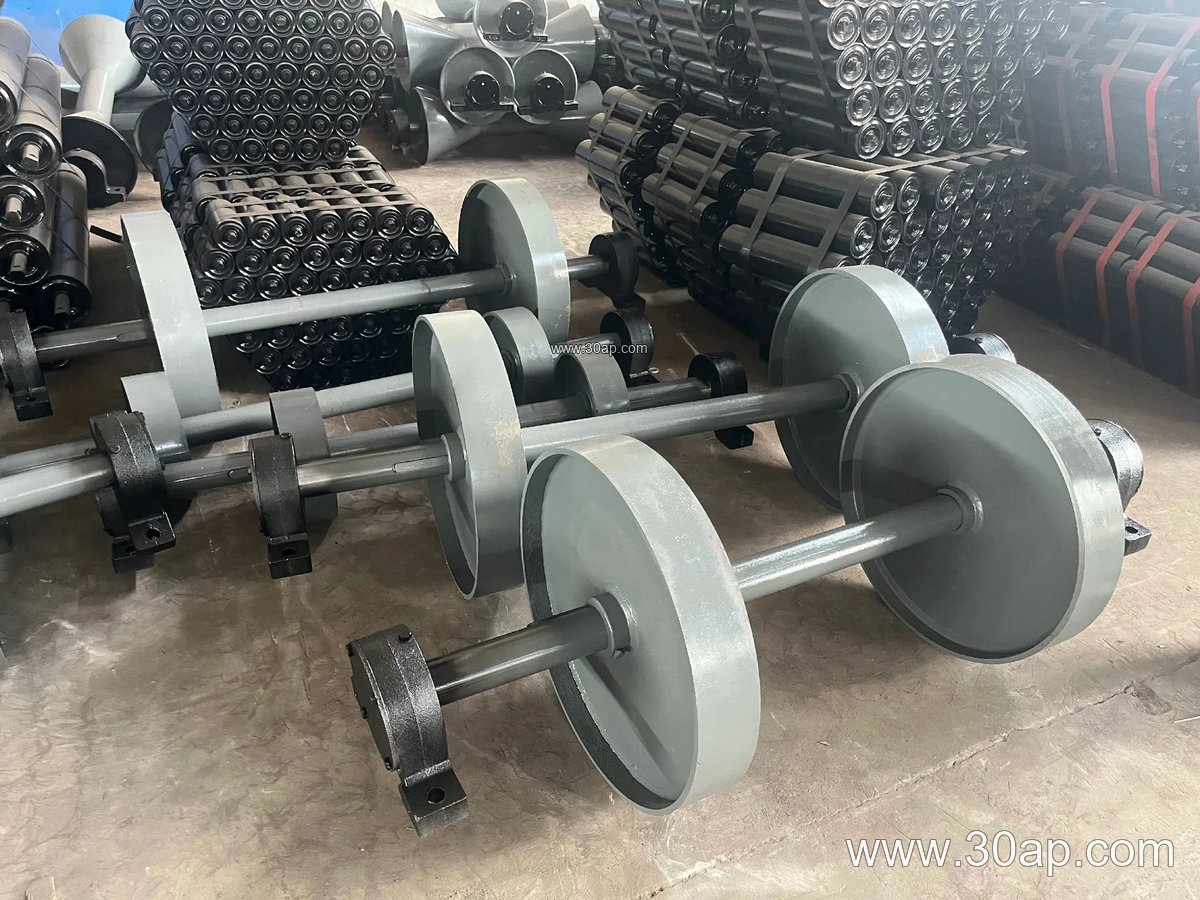
| Belt width | Common roll length (reference) | Typical trough angle |
|---|---|---|
| B500 | about 200 mm | 30 to 35 degrees |
| B650 | about 250 mm | 30 to 35 degrees |
| B800 | about 315 mm | 35 degrees |
| B1000 | about 380 mm | 35 to 45 degrees |
| B1200 | about 465 mm | 35 to 45 degrees |
| B1400 | about 530 mm | 35 to 45 degrees |
| B1600 | about 600 mm | 35 to 45 degrees |
| B1800 | about 670 mm | 35 to 45 degrees |
Roller diameter is a separate decision. A 102 mm or 108 mm roller may suit a medium belt, while 133 mm, 159 mm or 178 mm rollers are common where the ore is heavy and the belt is wide. Do not assume that one belt width can only match one pulley diameter or one shaft size.
Buyer Checklist Before Ordering
Before placing an order, confirm the belt width, the trough angle, the roll length, the roller diameter, the shaft end type and the bearing size. Ask how the seal handles fine ore dust and whether the shell is plain steel or rubber-covered for impact. Check that the conveyor bracket and frame spacing match the idler you plan to install. For a mining conveyor belt carrying hot sinter or damp ore, also confirm whether the belt is a heat resistant conveyor belt or an oil resistant conveyor belt, since that affects the surrounding components. Visit https://www.jsconveyorbelt.com for idler roller and conveyor belt references, and https://www.jsconveyorbelt.com for troughing set details.
A well-matched iron ore conveyor idler reduces belt wear, keeps tracking stable, and lowers stoppage risk. The right choice comes from the actual load, speed and environment, not from a single size copied from another line.