What a PVG Conveyor Belt Is
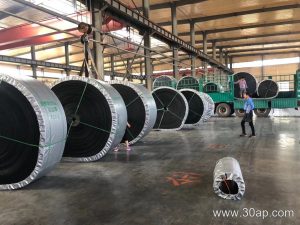
A PVG conveyor belt is a solid-woven fabric core belt with PVC covers, widely used where flame resistance and moderate oil resistance are required. In many mining and industrial documents the same product appears as a PVC/PVG solid woven conveyor belt, and the two names describe one construction family rather than different products. The belt is built around a single-ply, densely woven fabric carcass that is impregnated and coated with polyvinyl chloride, giving a compact, troughable and relatively lightweight belt for continuous conveying.
The solid woven design means the carcass is not laminated from several separate plies in the way a Multi-Ply Fabric Core Conveyor Belt is. Instead, the warp and weft yarns are interwoven into one body, which improves resistance to delamination and edge damage. This is one reason the PVG belt is common in coal mining, underground mining and tunnel projects where belt integrity matters.
Construction and Surface Options
The belt normally consists of three functional layers: a top cover, the impregnated fabric core, and a bottom cover. Cover thickness is usually stated as a pair, for example 3+1.5 mm, 4+2 mm or 5+2 mm, with the first figure referring to the carrying side. Thicker covers suit abrasive stone, ore and aggregate duty, while thinner covers reduce weight on long underground routes.
- Solid woven carcass for resistance to tearing and delamination
- PVC-based covers for flame retardant and anti-static performance
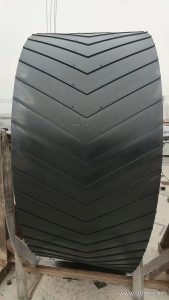
- Optional chevron or ribbed top surface for inclined haulage
- Optional corrugated sidewall and skirted edges for steep or confined paths
Where a user needs higher tensile strength than a solid woven belt can offer, an EP Conveyor Belt or a Steel Cord Conveyor Belt may be considered instead. That is a comparison of duty, not a direct replacement: the PVG belt remains the appropriate choice where its flame retardant and anti-static properties fit the site rules.
Typical Working Conditions and Industries
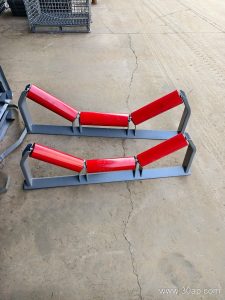
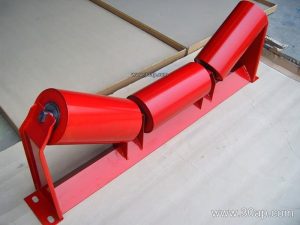
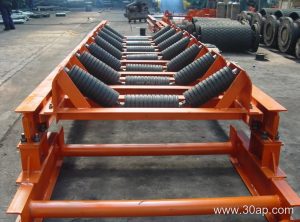
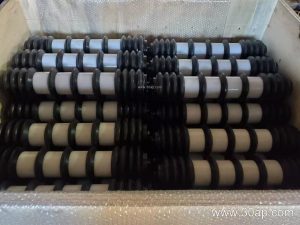
PVG belts are frequently specified for coal mining, underground coal mining, power plants, cement plants and port bulk handling. They also appear in sand and gravel plants, crushing circuits and general Bulk Material Conveyor Belt systems where a flame retardant belt is required by the operating environment. In these installations the belt runs over a series of conveyor pulleys, supported by idler rollers and located by conveyor brackets along the frame.
Because the belt is relatively flexible, it can follow small diameter tail and bend pulleys more easily than a thick steel cord belt. That said, the pulley diameter should always be checked against the belt manufacturer’s recommendation; no single belt width fixes one pulley size, and drive, tail and bend pulleys each have their own design role.
Common Reference Dimensions
The table below gives indicative values only. Actual availability depends on the manufacturer and on the conveyor design.
| Item | Typical reference range |
|---|---|
| Belt width | B500, B650, B800, B1000, B1200, B1400, B1600, B1800, B2000 |
| Cover thickness | 3+1.5 mm, 4+2 mm, 5+2 mm, 6+2 mm, 8+3 mm |
| Carcass | Solid woven, single body |
| Common grade example | PVG800, PVG800S |
| Surface form | Plain, chevron, skirted, corrugated sidewall |
| Jointing | Vulcanized splice or mechanical fastener, as designed |
A 1000mm or 1200mm width is common in main haulage, while narrower 650mm and 800mm belts suit secondary or transfer conveyors. Wide belts such as 1800mm and 2000mm are used where high tonnage must be carried at moderate speed.
Selection Points for Buyers
Begin with the material being carried: coal, ore, cement clinker, limestone or sand each place different demands on cover wear. Confirm the required flame retardant and anti-static grade, the maximum lump size, the incline angle and the expected moisture or oil contact. Where oil is present, an Oil Resistant Conveyor Belt grade may be needed; where heat is the main issue, a Heat Resistant Conveyor Belt is normally considered instead of a standard PVG belt.
Check that the proposed cover thickness matches the abrasion level, and that the splice method suits the available space and maintenance team. For inclined sections, a Chevron Conveyor Belt or a Corrugated Sidewall Conveyor Belt variant can prevent material rollback. For long overland routes, review the number and diameter of conveyor pulleys and the spacing of idler rollers, since these affect belt tension and running stability far more than belt width alone.
Installation and Maintenance Notes
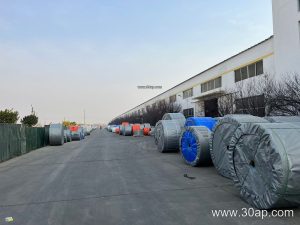
Keep the belt centered during tensioning, inspect the edges for cuts after each shift, and check that skirt rubber does not press too hard on the cover. Worn idler rollers or a misaligned conveyor pulley can cause edge wear and tracking faults that shorten belt life. Store spare rolls in a dry, shaded place and avoid sharp folds. Routine inspection of the splice, the pulley lagging and the loading point is usually more valuable than any single specification figure.