What a Recycling Conveyor Belt Does on a Sorting Line
A recycling conveyor belt is the moving surface that carries mixed paper, plastics, glass, metals, construction debris, or shredded waste between sorting stations, screens, magnets, and balers. It is not simply a generic belt dropped onto a frame. Recovery plants handle sharp edges, uneven loads, oil from containers, and occasional hot or wet material, so the belt specification usually matters as much as the frame and drives. For plant managers comparing suppliers, the practical question is whether the belt matches the duty, the pulley layout, and the cleaning routine.
Construction and Common Belt Styles
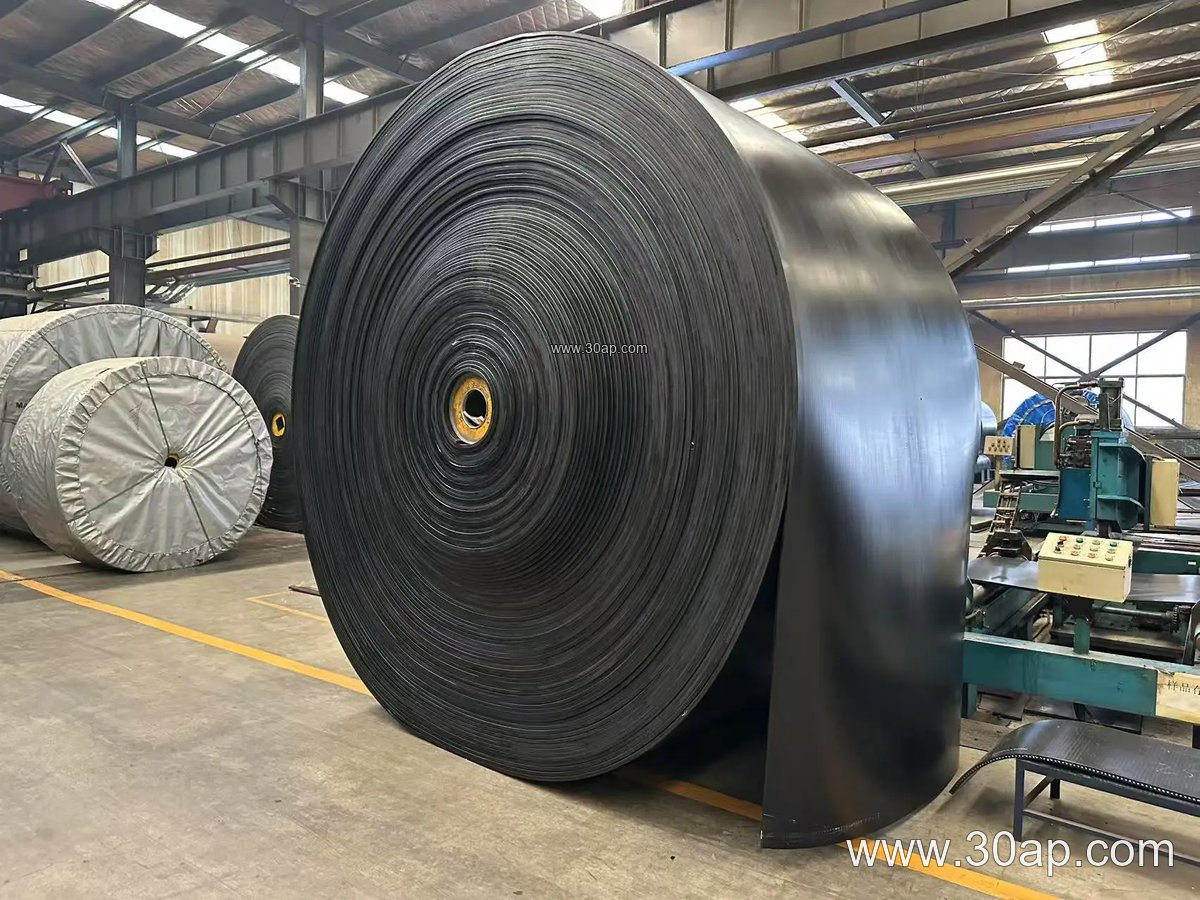
Most recycling belts use a fabric core or steel cord carcass with rubber covers. A rubber conveyor belt with an abrasion resistant cover is a frequent choice for mixed waste because it tolerates scuffing from glass and metal. Where loads are heavy and the incline is long, a steel cord conveyor belt or a high strength conveyor belt may suit the tension demand. Lighter sorting lines often run an EP conveyor belt or NN conveyor belt, both of which are fabric core designs built from plies of synthetic fabric.
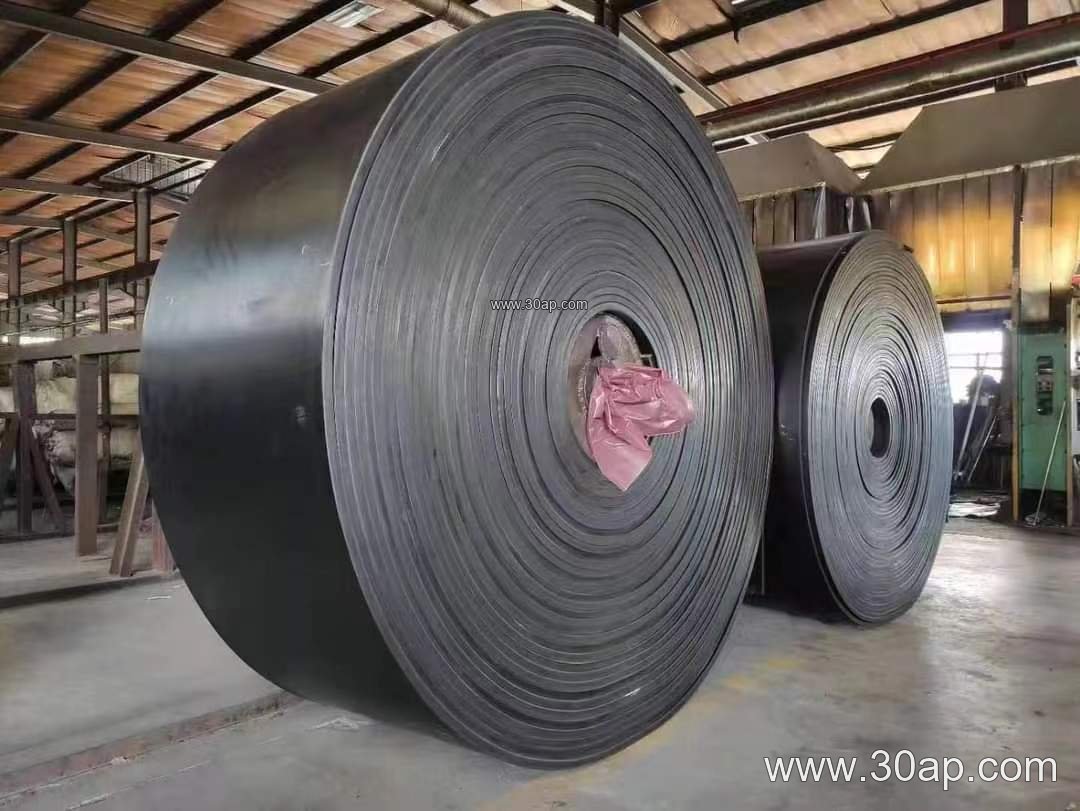
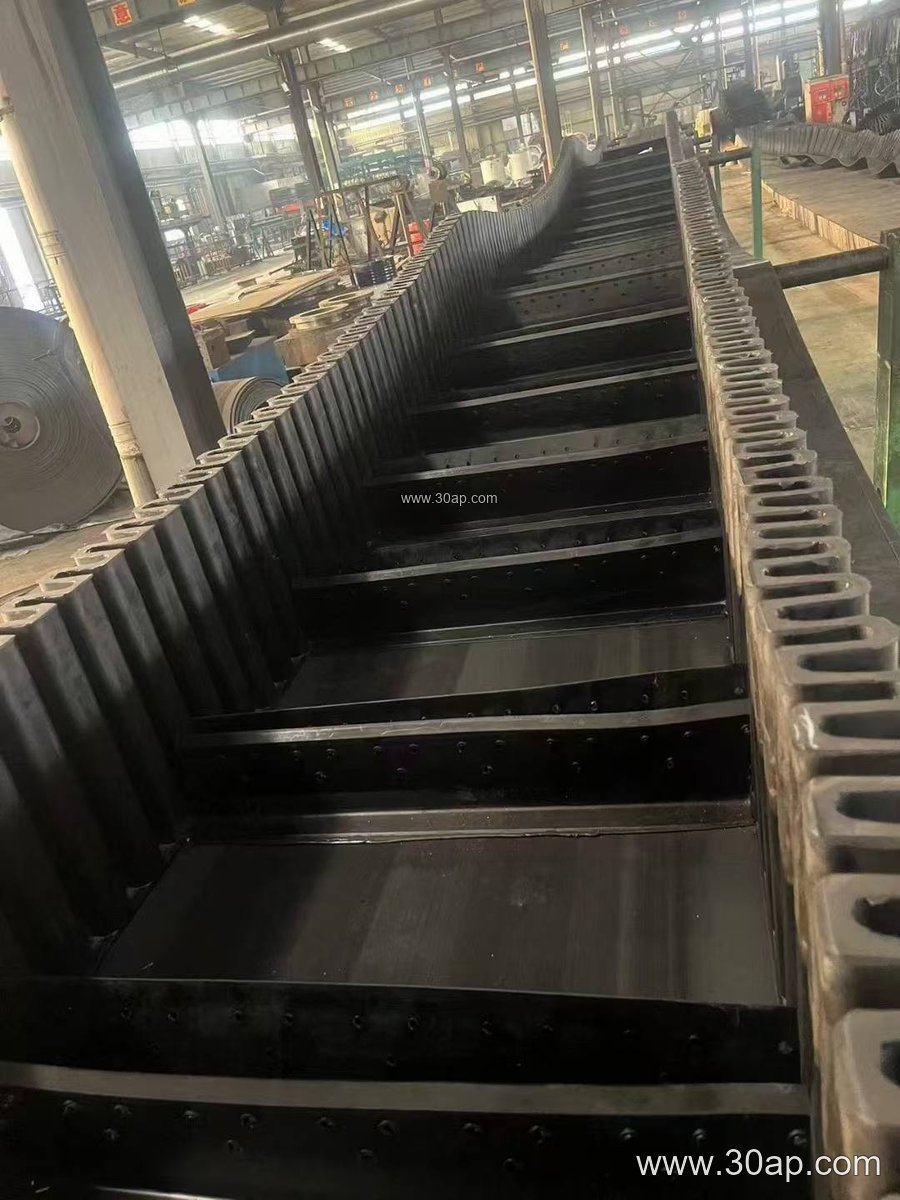
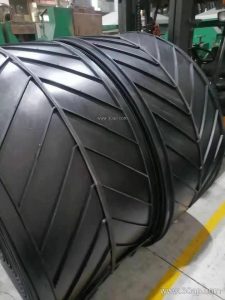
Surface form changes with the job. A chevron conveyor belt or corrugated sidewall conveyor belt helps keep material from rolling back on steep inclines. A skirted conveyor belt contains loose material at transfer points. In enclosed or dusty buildings, a flame retardant conveyor belt and anti-static conveyor belt may be requested to reduce ignition and static risk. Oil resistant and heat resistant grades appear where container residue or warm material is present.
Where These Belts Are Used
- Municipal solid waste and single-stream sorting halls
- Construction and demolition debris lines
- Plastics recovery and film separation
- Glass cullet handling and aggregate conveyor belt runs
- Scrap metal and shredder feed lines
- Compost and organic waste transfer
The same belt family also crosses into quarry conveyor belt, crusher conveyor belt, and power plant conveyor belt duty, but recycling service is usually more variable. Loads arrive in bursts, material is often jagged, and belts may stop and start frequently.
Specifications Buyers Should Review
Belt width, carcass strength, cover thickness, and ply count should be confirmed against the actual conveyor design. The values below are common reference ranges, not fixed pairings; a given width can work with more than one pulley diameter, and shaft size is set by the conveyor designer rather than by belt width alone.
| Parameter | Typical reference range |
|---|---|
| Belt width | B500, B650, B800, B1000, B1200, B1400, B1600, B1800, B2000 |
| EP strength grades | EP200, EP315, EP400, EP500, EP630, EP800, EP1000, EP1250, EP1600, EP2000 |
| Cover thickness | 3+1.5, 4+2, 5+2, 6+2, 8+3 mm |
| Fabric plies | Usually 2 to 6 layers |
| Surface options | Plain, chevron, corrugated sidewall, skirted |
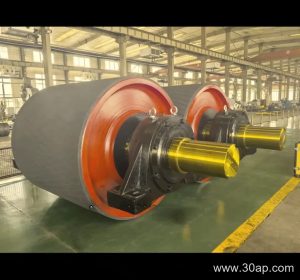
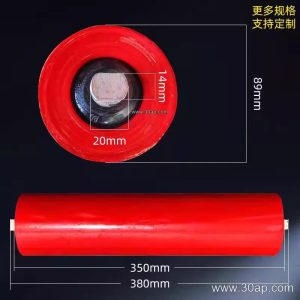
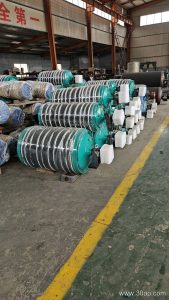
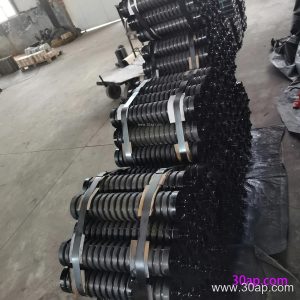
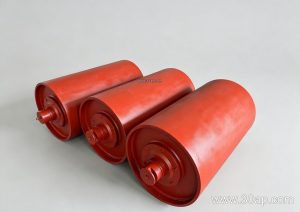
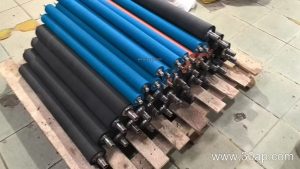
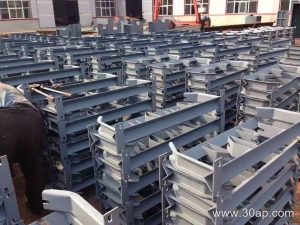
Also check the pulley arrangement. Drive pulleys, tail pulleys, and bend pulleys each do a different job, and they are not interchangeable. Belt tension, troughing angle, and the idler roller spacing all affect tracking. Conveyor bracket condition and frame alignment are worth inspecting before blaming the belt for mistracking.
Selection and Maintenance Notes
Start with the material: size, weight, moisture, temperature, and whether oil or chemicals are present. Then confirm the duty cycle and incline. A heavy-duty mining conveyor belt style may be overbuilt for a light paper line, while a thin cover can wear through quickly on glass-rich streams. Ask for the splice method, since an endless conveyor belt joint must be compatible with the take-up travel.
In service, keep the belt clean and centered. Remove wrap from the tail pulley, check skirt rubber clearance, and monitor cover wear at transfer points. Spare idler rollers and a spare pulley help avoid long stops. For specifications and current availability, visit Recycling Conveyor Belt or review the wider range of conveyor belt options for material recovery plants.