What an Anti-Misalignment Guide Idler Does
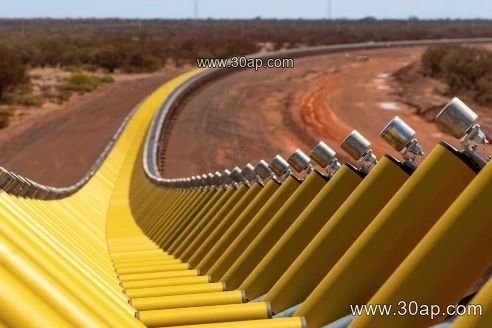
On a long conveyor, the belt rarely stays perfectly centered by itself. Uneven loading, a slightly skewed frame, or a buildup of sticky material on a roller can push the belt toward one edge. An anti-misalignment guide idler is a self-correcting idler that senses this drift and steers the belt back toward the centerline before the edge rubs against the structure. In a quarry, a coal handling system, or a cement plant, this small correction protects the belt edge and keeps material flowing instead of spilling.
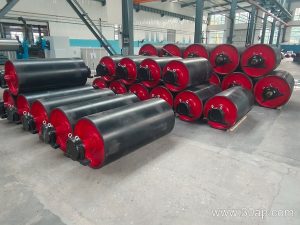
This idler is a tracking device, not a substitute for a drive pulley, tail pulley, or bend pulley. Those components transmit power and change belt direction; the guide idler only influences lateral position. It is also different from a plain carrying idler or a return idler, which support the belt but do not actively correct its path.
How the Self-Correcting Design Is Built
Most designs use a pair of angled rollers mounted on a pivoting frame. When the belt edge touches a guide roller, the frame rotates slightly, and the angled rollers apply a small sideways force that nudges the belt back. Common versions include friction self-aligning idlers that respond to belt contact and conical self-aligning idlers where tapered rollers create a differential surface speed. Both are usually installed in pairs, one on the carrying side and one on the return side, at points where misalignment tends to start.
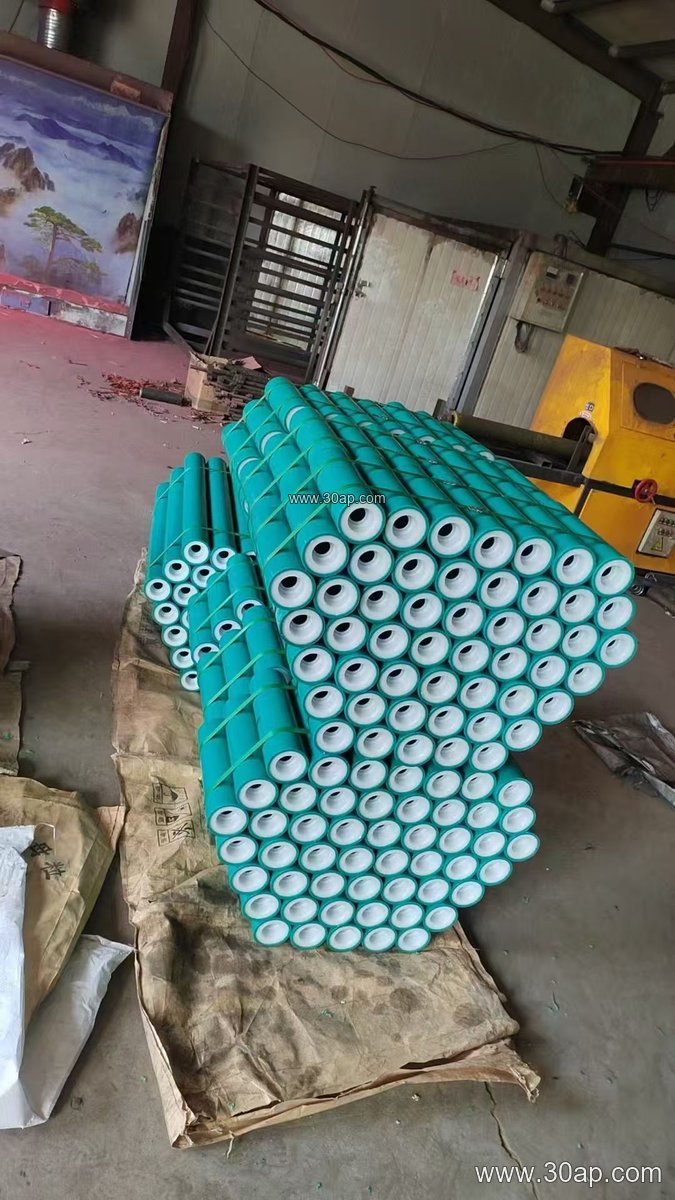
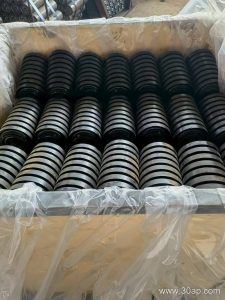
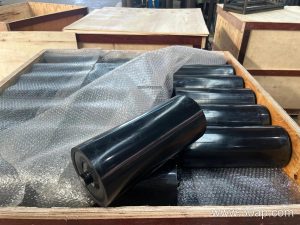
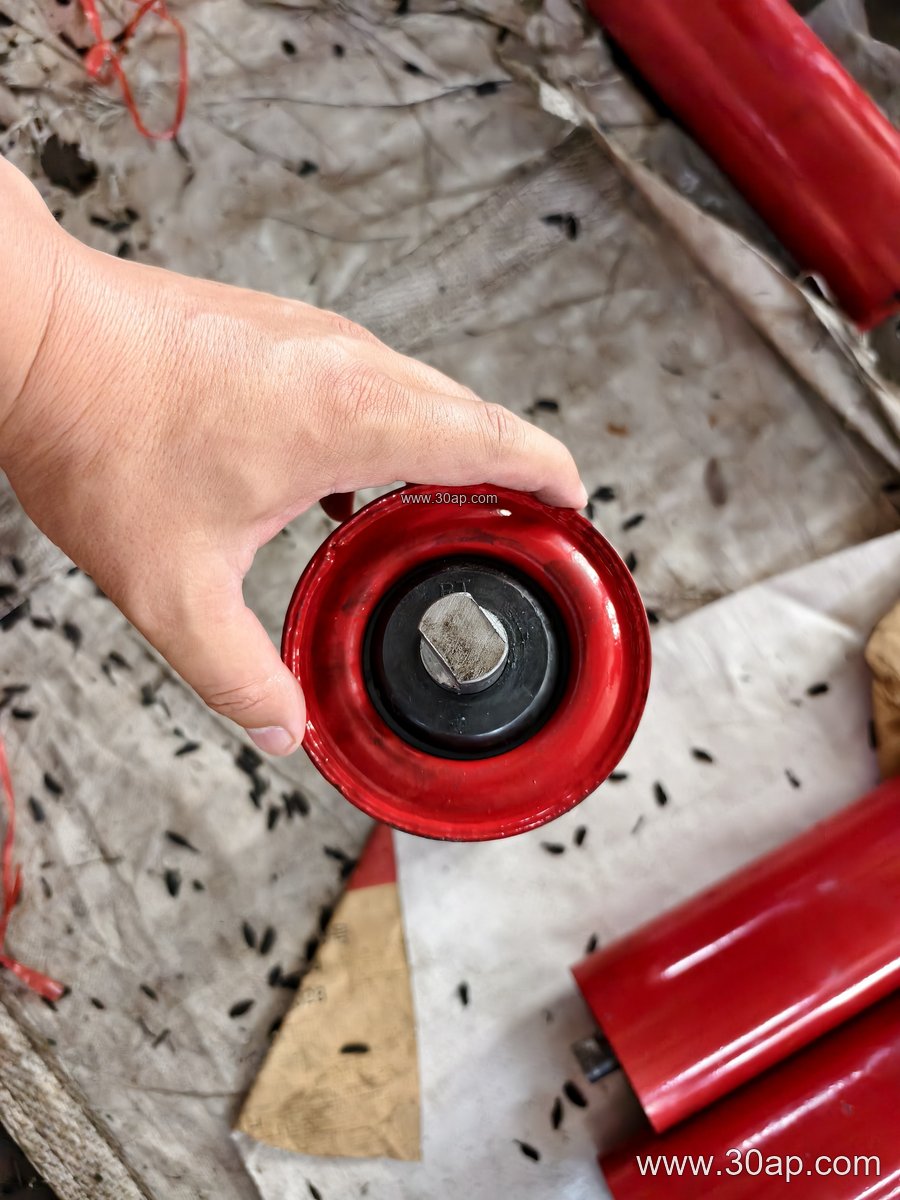
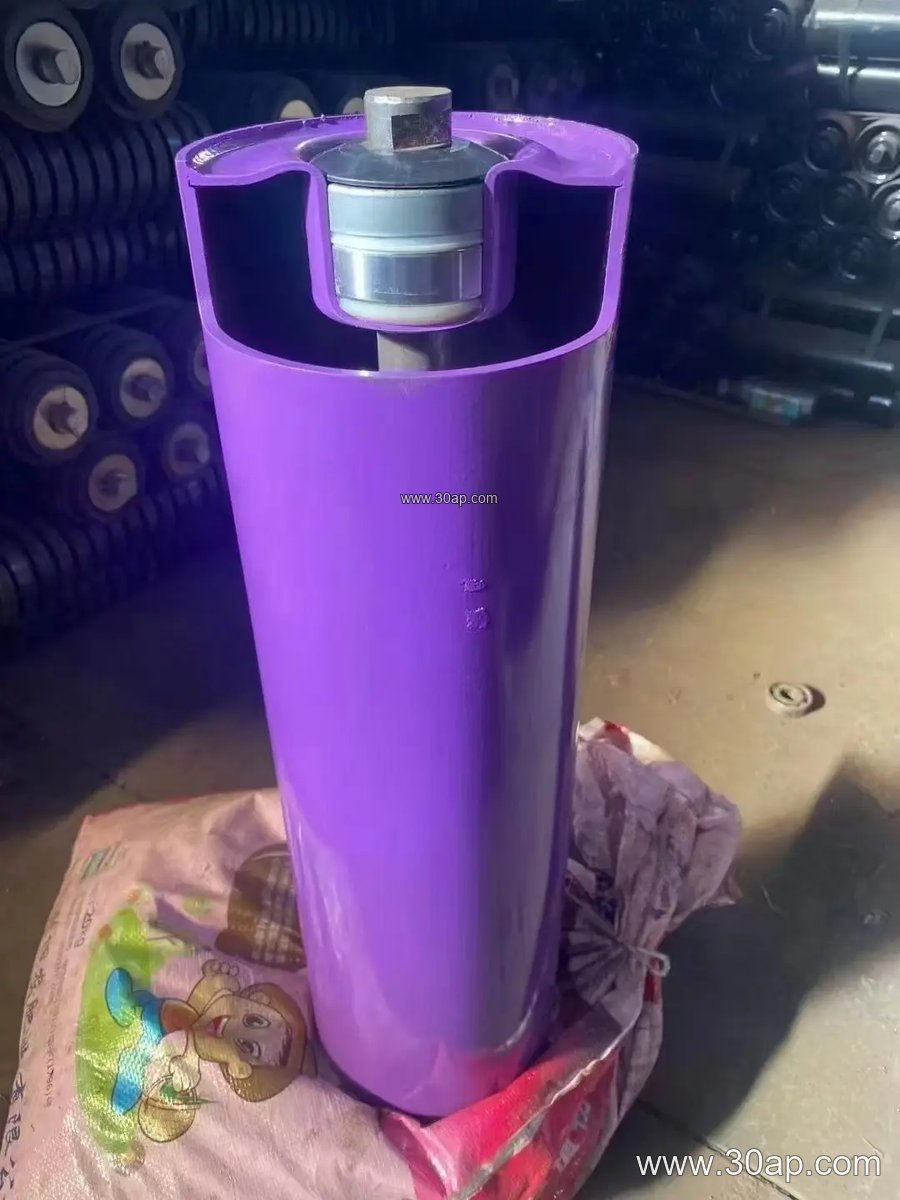
The roller body is typically a steel tube with a sealed bearing housing. Surface options include plain steel, nylon, or rubber rings, depending on whether the location is dusty, wet, or prone to material buildup. Bearing sizes such as 6205, 6305, or 6308 are common in these units, and the roller diameter is matched to the frame and belt width rather than chosen in isolation.
Where It Fits on the Conveyor
Guide idlers are usually placed after the loading point, before the head pulley, and on long straight runs where the belt has room to wander. In a limestone mine or an iron ore transfer station, they are often paired with a conveyor bracket that allows height adjustment. On the return strand, a V-type or flat return idler may do the basic support work, while the guide idler handles tracking.
They are common in aggregates plants, power plant coal yards, steel plant sinter lines, and port ship-loading conveyors. The belt itself may be an EP conveyor belt, an NN conveyor belt, or a steel cord conveyor belt; the guide idler works with all of them, but the roller surface and frame size should suit the belt width and the environment.
Matching Roller Diameter and Belt Width
There is no single rule that ties one belt width to one roller diameter. A guide idler for a B800 belt might use a Ø89 or Ø108 roller, while a B1400 conveyor could use Ø133 or Ø159, depending on load and frame design. The table below shows common reference ranges, not fixed combinations.
| Belt width (reference) | Common guide idler roller diameter | Typical bearing size |
|---|---|---|
| B500 to B650 | Ø63 to Ø89 | 6204, 6205 |
| B800 to B1000 | Ø89 to Ø108 | 6205, 6305 |
| B1200 to B1400 | Ø108 to Ø133 | 6305, 6306 |
| B1600 to B1800 | Ø133 to Ø159 | 6308, 6310 |
| B2000 and above | Ø159 to Ø194 | 6308, 6310 |
These values are reference data for discussion with a supplier. The final shaft, frame, and roller length should be confirmed by the conveyor designer.
Buyer Checklist
- Confirm the belt width and the carrying or return position before selecting a frame.
- Check whether the location is dusty, wet, or exposed to fines; choose the roller surface accordingly.
- Ask for the pivot range and the recommended mounting distance from the loading point.
- Match the bearing seal to the site conditions, especially in coal mining or cement plant dust.
- Keep spare guide rollers and bearing housings on hand, since tracking problems often appear during startup or after belt replacement.
A well-chosen anti-misalignment guide idler reduces edge damage and spillage, and it works best when paired with proper belt training, correct pulley alignment, and routine inspection of the whole conveyor line.