What an NN Conveyor Belt Is
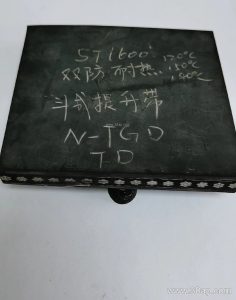
An NN conveyor belt is a fabric-core belt built with nylon (NN) warp and weft cords in its carcass. The nylon fabric gives the belt high tensile strength, excellent flexibility, and strong resistance to impact and fatigue. Because the carcass absorbs shock loads well, this belt is often chosen for primary crushing circuits, quarry feed lines, and other points where material drops onto the belt from height. In many plants, an NN conveyor belt serves as a reliable general-purpose workhorse alongside other belt constructions such as EP conveyor belt, steel cord conveyor belt, and PVC or PVG belts.
Construction and Carcass Design
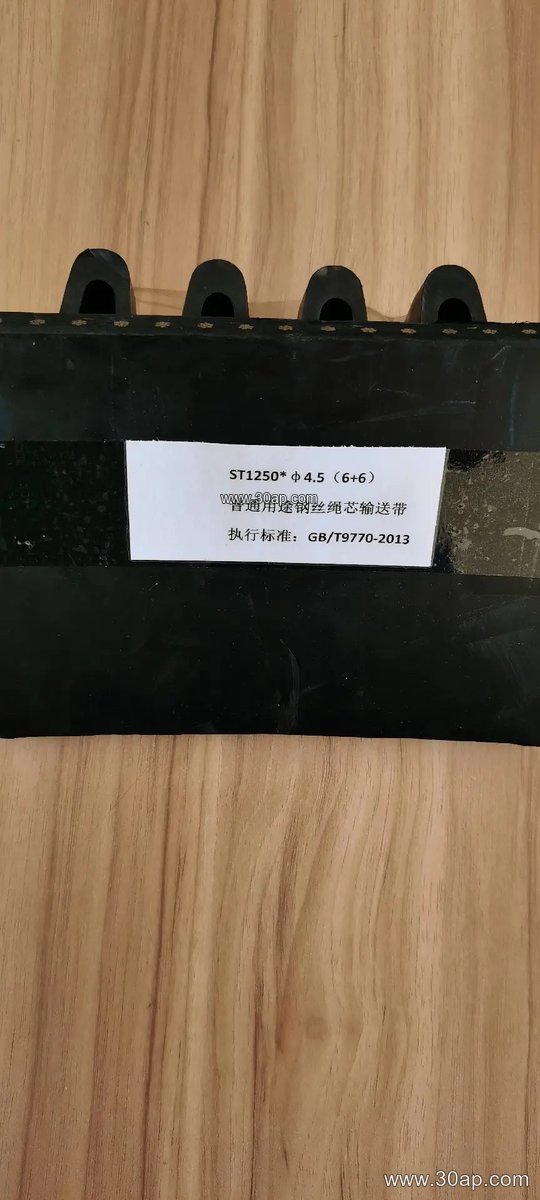
The belt consists of a nylon fabric carcass, rubber skim layers between plies, and top and bottom cover rubber. The number of plies and the cover thickness are selected according to the duty. Common constructions use 2 to 6 plies, and cover rubber is frequently specified in combinations such as 3+1.5 mm, 4+2 mm, 5+2 mm, 6+2 mm, or 8+3 mm. The NN carcass is typically available in strength grades such as NN100, NN200, NN300, and NN400; higher grades are used where the conveyor length, lift, or tonnage demands greater breaking strength. These figures are reference values, and the final belt specification should be confirmed with the manufacturer based on the actual conveyor design.
Where NN Belts Fit in the Plant
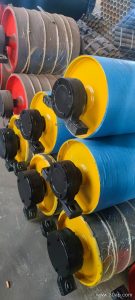
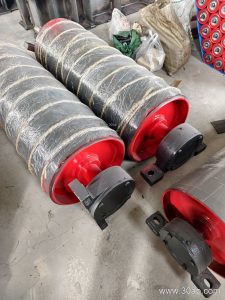
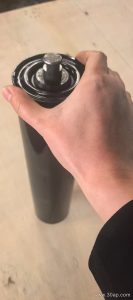
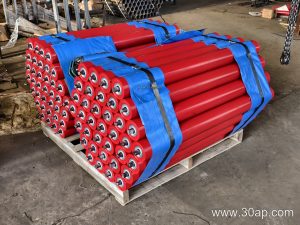
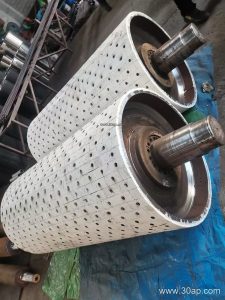
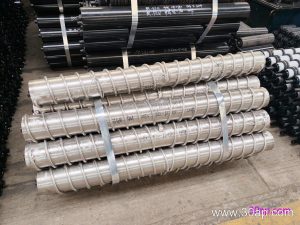
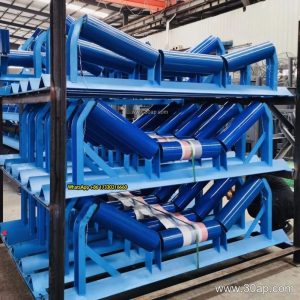
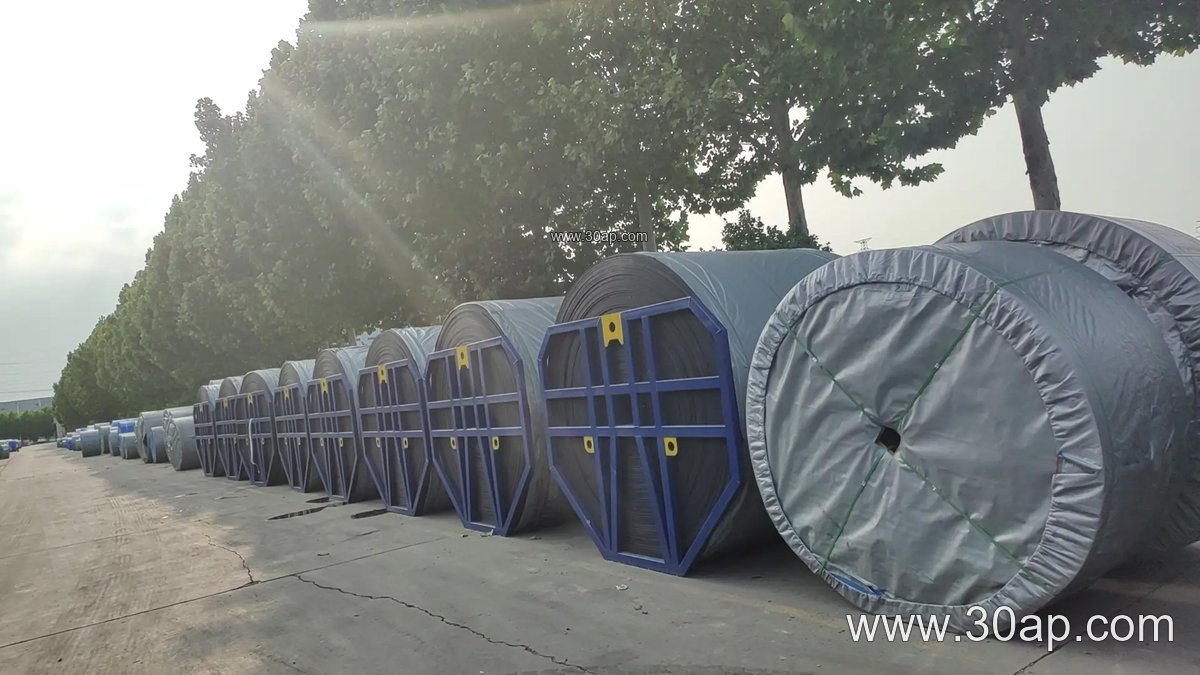
Because of its impact tolerance and flexibility, an NN conveyor belt is widely used in mining, coal preparation, cement plants, power stations, sand and gravel yards, and port bulk terminals. It handles crushed rock, ore, clinker, aggregate, and similar bulk materials. In a typical conveyor line, the belt runs over idler rollers and is driven by a head pulley, with a tail pulley and bend pulleys guiding the return path; conveyor brackets support the idlers and pulleys. While an NN belt can work in many of these positions, abrasive or high-temperature duties may call for an abrasion resistant conveyor belt or a heat resistant conveyor belt, and underground coal mining may require flame retardant conveyor belt constructions to meet local safety rules.
Common Specifications and Selection Points
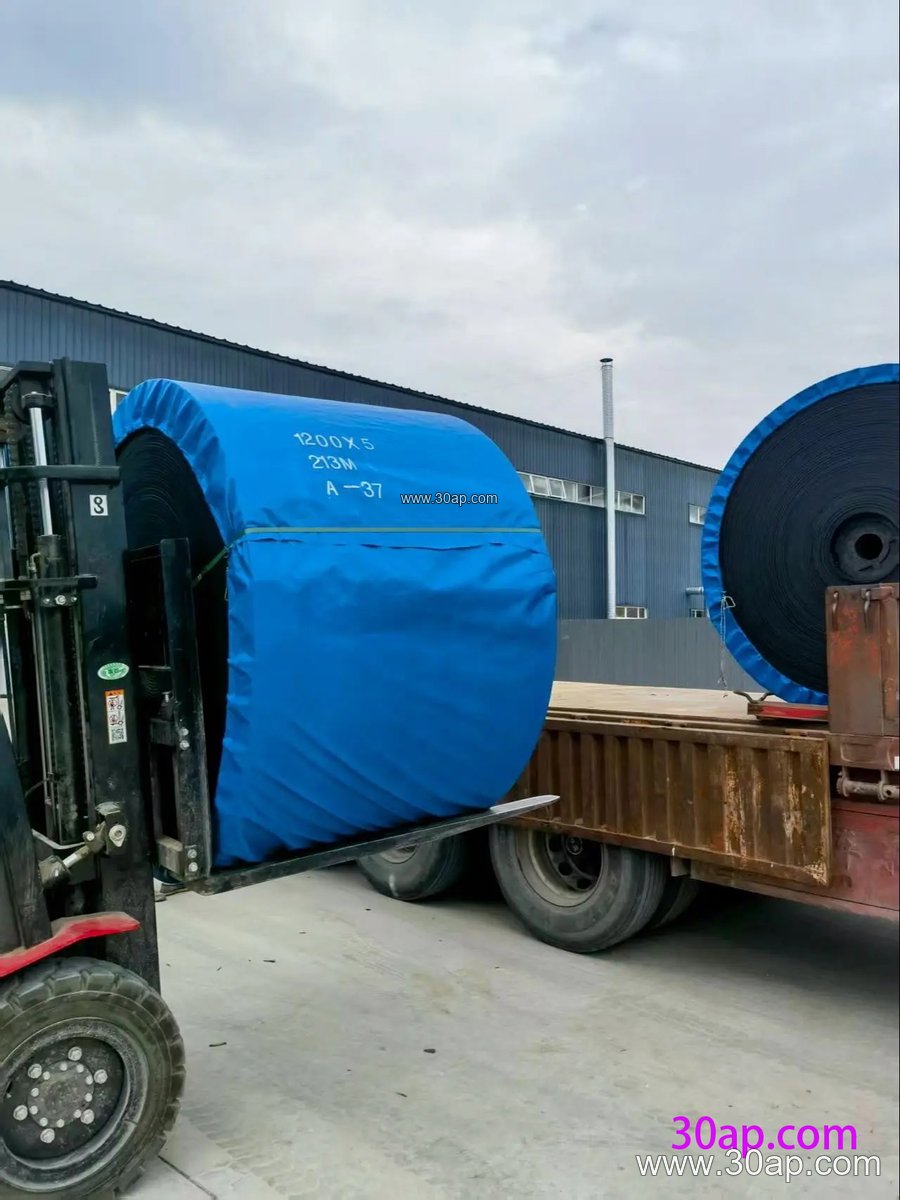
Buyers should match the belt to the conveyor rather than to a single number. Belt width commonly ranges from B500 to B2000, and the width must suit the material size, required capacity, and troughing angle. The table below lists typical reference values; actual supply should be confirmed per project.
- Strength grades: NN100, NN200, NN300, NN400
- Common widths: B500, B650, B800, B1000, B1200, B1400, B1600, B1800, B2000
- Cover rubber combinations: 3+1.5 mm, 4+2 mm, 5+2 mm, 6+2 mm, 8+3 mm
- Carcass plies: usually 2 to 6
For a primary crusher discharge or a transfer point with large lumps, a thicker top cover and a heavier carcass help resist cutting and gouging. For long overland conveyors, the tension calculation may favor a higher-strength NN grade or a steel cord belt. The pulley diameters, shaft sizes, and idler spacing are determined by the conveyor designer, not by belt width alone; a wider belt does not automatically dictate a specific pulley diameter.
Installation and Maintenance Notes
Proper storage, splicing, and alignment extend belt life. Keep the belt clean and avoid material buildup on idler rollers and pulleys, since buildup can cause tracking problems and edge damage. Check the belt for edge wear, cover gouges, and splice condition at regular intervals. When replacing a belt, confirm the splice method, cover grade, and strength grade against the original specification. For special environments, consider whether an oil resistant, cold resistant, or anti-static belt is needed instead of a standard NN construction.
Buyer Checklist
Before ordering, gather the conveyor length, lift, capacity, material type and lump size, loading conditions, ambient temperature, and any fire or oil exposure. Ask for the carcass grade, number of plies, cover thickness, and belt width in writing. A clear specification helps avoid mismatch between the NN conveyor belt and the conveyor pulley, idler roller, and bracket system. For assistance with belt selection, visit NN conveyor belt or conveyor belt resources and confirm details with your supplier.