What a Belt Conveyor Bracket Does
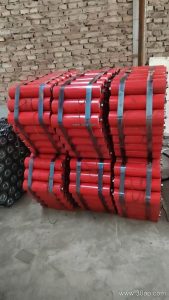
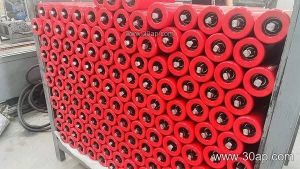
A belt conveyor bracket is the structural component that holds the idler roller in position along the conveyor frame. In practice, the bracket is often called a conveyor bracket or idler support bracket, and it carries the load from the belt and material into the frame. The part looks simple, yet its geometry controls trough angle, roller spacing and belt tracking. On a quarry conveyor belt line or a coal mining conveyor belt system, a loose or misaligned bracket quickly shows up as belt wander, edge wear and spillage.
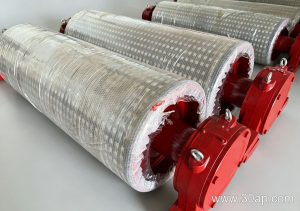
The bracket is not a pulley. Drive, tail and bend pulleys are separate components with different duties, and they are not interchangeable with a bracket. A belt conveyor bracket is also different from the conveyor pulley assembly that drives the belt. The bracket supports idlers; the pulley turns the belt.
Construction and Common Forms
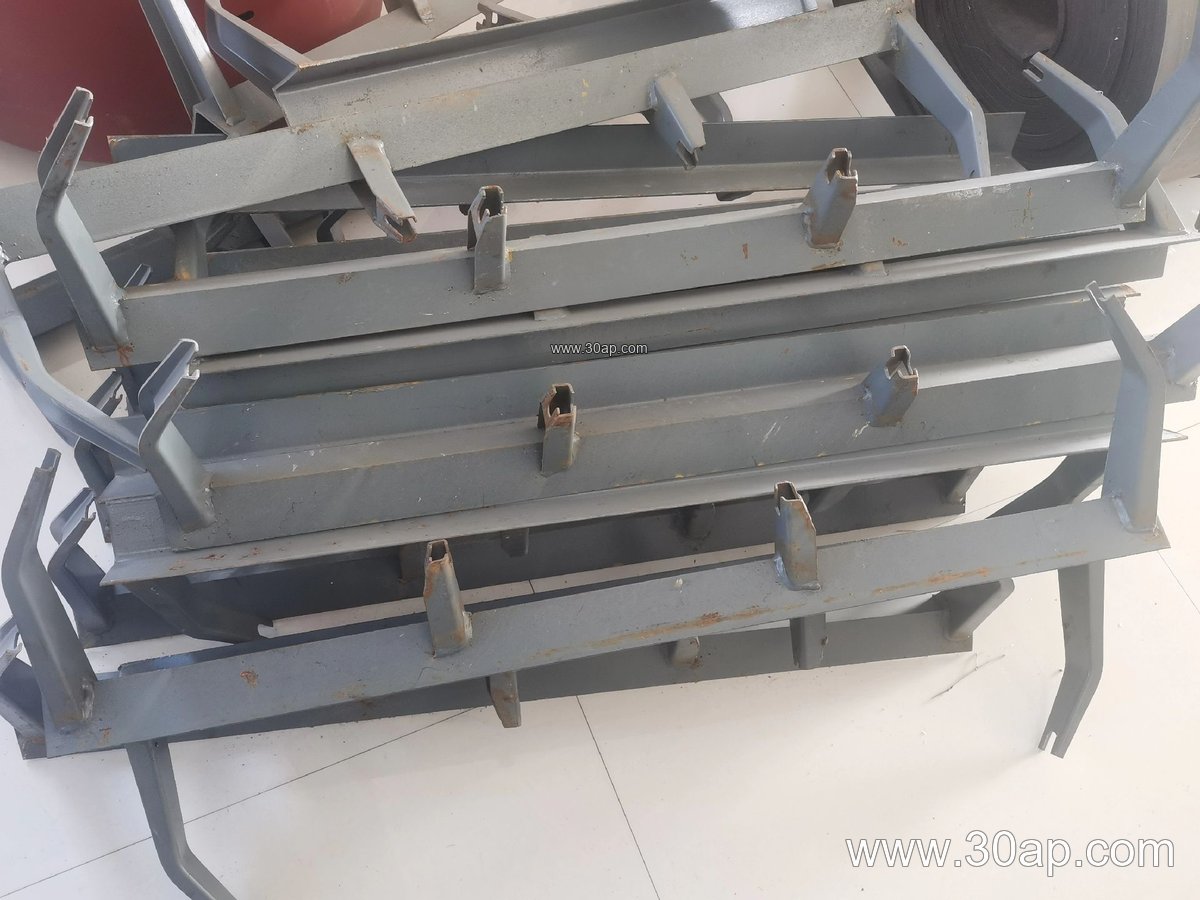
Most brackets are fabricated from angle steel, channel steel or folded steel plate. Welded or bolted designs are both common. The frame side carries mounting holes, and the crossbeam length and hole spacing change with belt width and trough angle, so these dimensions are set by design rather than treated as universal values.
- Troughing bracket: carries three idlers in a trough shape on the carrying side.
- Transition bracket: eases the belt from flat to troughed profile near a pulley.
- Return bracket and V-return bracket: support the belt on the return run.
- Impact bracket: uses cushioned idlers below a loading point.
- Self-aligning bracket: allows slight rotation to correct belt tracking.
- Hanging bracket: suspends idlers from a structure above.
- Adjustable bracket: lets the trough angle be changed within a range.
Common trough angles are 20, 30, 35 and 45 degrees. A forward-leaning bracket is often set at about 1.5 to 2 degrees to help tracking. Roller diameters such as Ø89, Ø108, Ø133, Ø159 and Ø194 appear across different belt widths. Typical combinations include B800, 35 degrees, Ø108, or B1200, 45 degrees, Ø133, but these are examples, not fixed rules. A wider belt does not automatically dictate one roller diameter or one trough angle.
Where These Brackets Are Used
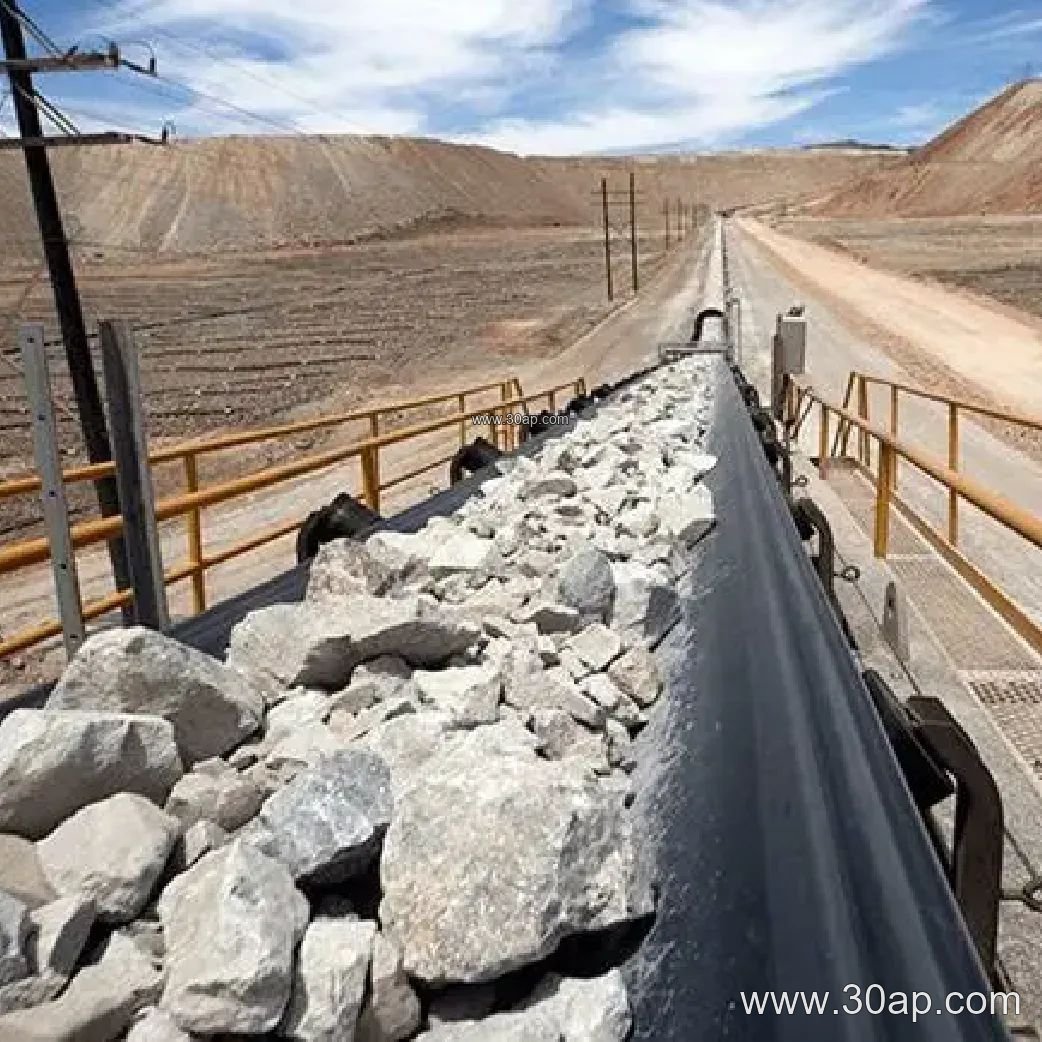
Brackets appear wherever a conveyor carries bulk material. In a limestone mine or aggregate plant, troughing and impact brackets support a heavy-duty mining conveyor belt under the crusher discharge. In a cement plant, brackets guide idlers along a long clinker or raw meal route. In a power plant coal yard, flame retardant conveyor belt and abrasion resistant conveyor belt runs depend on stable idler spacing. Port ship loading systems and steel plant sinter lines use similar supports on wide belts, often with an EP conveyor belt or steel cord conveyor belt. In a sand making plant, a crusher conveyor belt may run on compact brackets with Ø89 or Ø108 rollers.
Material choice matters as much as shape. A dusty coal preparation plant may call for brackets that shed fines and resist corrosion, while a wet quarry line needs drainage-friendly geometry. In a fertilizer or grain silo, clean surfaces and easy inspection help avoid buildup.
Selection Points for Buyers
Start with the belt width and the required trough angle, then confirm the roller diameter and the mounting hole pattern. Ask for a drawing that shows the crossbeam length, hole spacing, material thickness and surface treatment. Check whether the bracket is fixed or adjustable and whether it is designed for a carrying, return, impact or transition position. A self-aligning bracket needs enough clearance to move; a hanging bracket needs a compatible overhead structure.
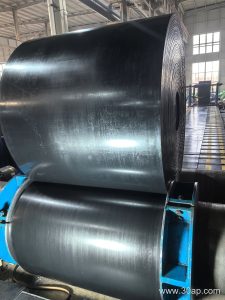
Also consider the belt type. A chevron conveyor belt, corrugated sidewall conveyor belt or pipe conveyor belt may need different idler contact and clearance than a flat EP or NN conveyor belt. A heat resistant conveyor belt or oil resistant conveyor belt may require brackets that keep idlers aligned under thermal movement. For cold resistant or anti-static service, confirm that the bracket finish suits the environment.
Installation and Maintenance Notes
Align brackets square to the conveyor centerline and keep the trough angle consistent from one frame to the next. Check bolt torque after the first run-in period, because vibration can loosen fasteners. Inspect for bent crossbeams, worn mounting holes and corrosion at welds. Replace a deformed bracket rather than forcing an idler into it, since a poor fit shortens roller life and disturbs belt tracking. Keep a small stock of common bracket forms for the widths and trough angles used on site, and record the roller diameter and hole pattern for each frame so replacements match.