What a Rubber Disc Return Idler Does
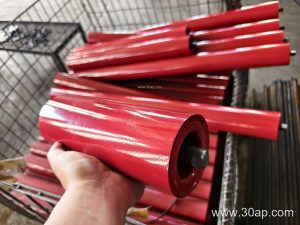
A rubber disc return idler is a lower run idler roller built from a steel shaft and a series of rubber discs pressed onto the tube. It supports the empty side of the conveyor belt after the material has been discharged. The soft, segmented surface is the main difference from a plain steel return roller: fines and sticky carryback tend to fall away between the discs instead of building up on a smooth shell.
Because the belt is running empty on this side, the return idler is not carrying the load. Its job is to keep the belt tracking steadily, reduce sag between supports, and protect the belt cover from grit trapped under the carcass. In dusty circuits, that makes the rubber disc return idler a practical alternative to a conventional flat return roller.
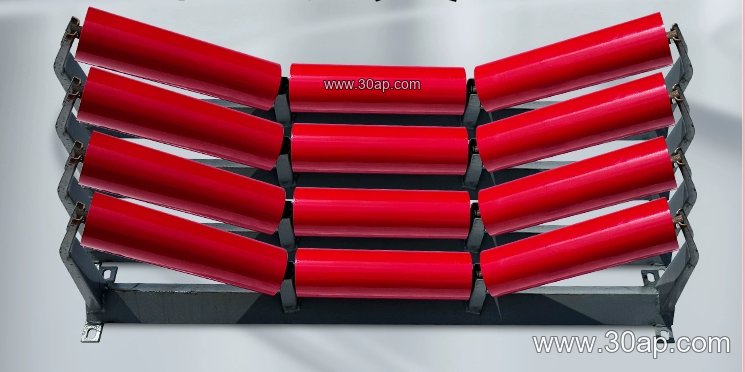
How the Idler Is Built
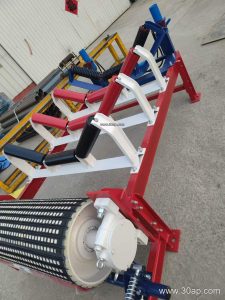
The core is usually a steel tube with welded bearing housings at each end. Rubber discs are fitted along the tube with spacers between them, and the end discs are locked so the stack cannot shift sideways. Bearings are commonly sealed deep-groove types, with 6204, 6205, 6305, 6306, 6308 and 6310 appearing across different shaft sizes. The seal arrangement matters as much as the bearing itself, since dust ingress is the usual cause of seizure.
Disc spacing and hardness vary by design. Wider spacing sheds material more easily, while a tighter stack gives more continuous support. Buyers should confirm disc diameter, disc count and shaft end type against the conveyor bracket rather than assuming a fit from belt width alone.
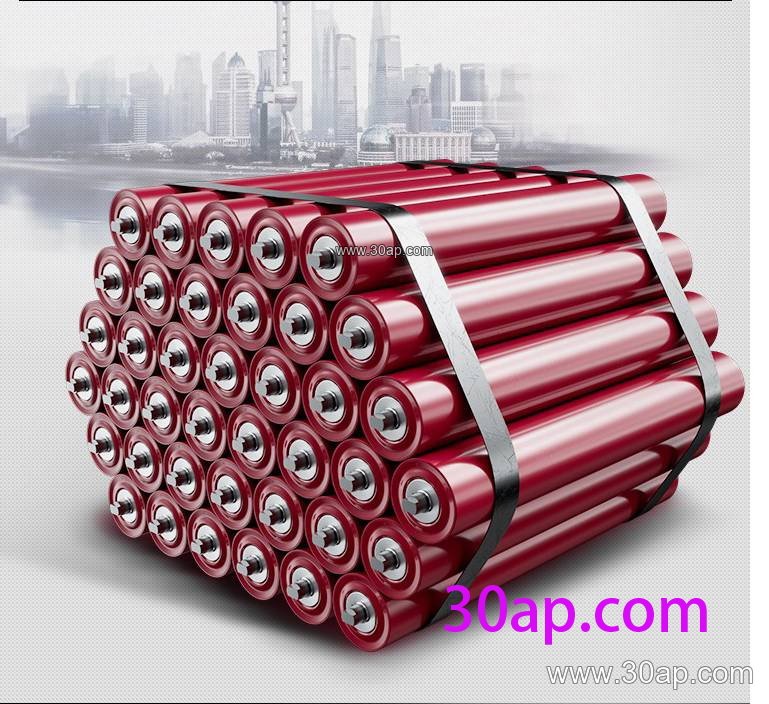
Typical Sizes and Selection Points
Return idlers are normally ordered by roller diameter, roller length, shaft diameter and bearing type. Common roller diameters include Ø89, Ø102, Ø108, Ø127, Ø133, Ø159 and Ø178 mm. Roller length follows belt width and frame design, so a B800 belt and a B1200 belt will not share the same roller. The table below gives reference ranges only; final dimensions are set by the conveyor design.
| Belt width | Common roller diameter range | Typical return idler position |
|---|---|---|
| B500 to B650 | Ø89 to Ø108 mm | Short return spans, light duty |
| B800 to B1000 | Ø108 to Ø133 mm | General bulk handling |
| B1200 to B1400 | Ø133 to Ø159 mm | Mining and aggregate duty |
| B1600 to B2000 | Ø159 to Ø178 mm | Heavy-duty return runs |
Check the shaft diameter and bearing seat separately. A wide belt does not automatically dictate a particular shaft size, and the conveyor bracket bore must match the shaft end. Also confirm the mounting height so the rubber discs sit correctly against the belt.
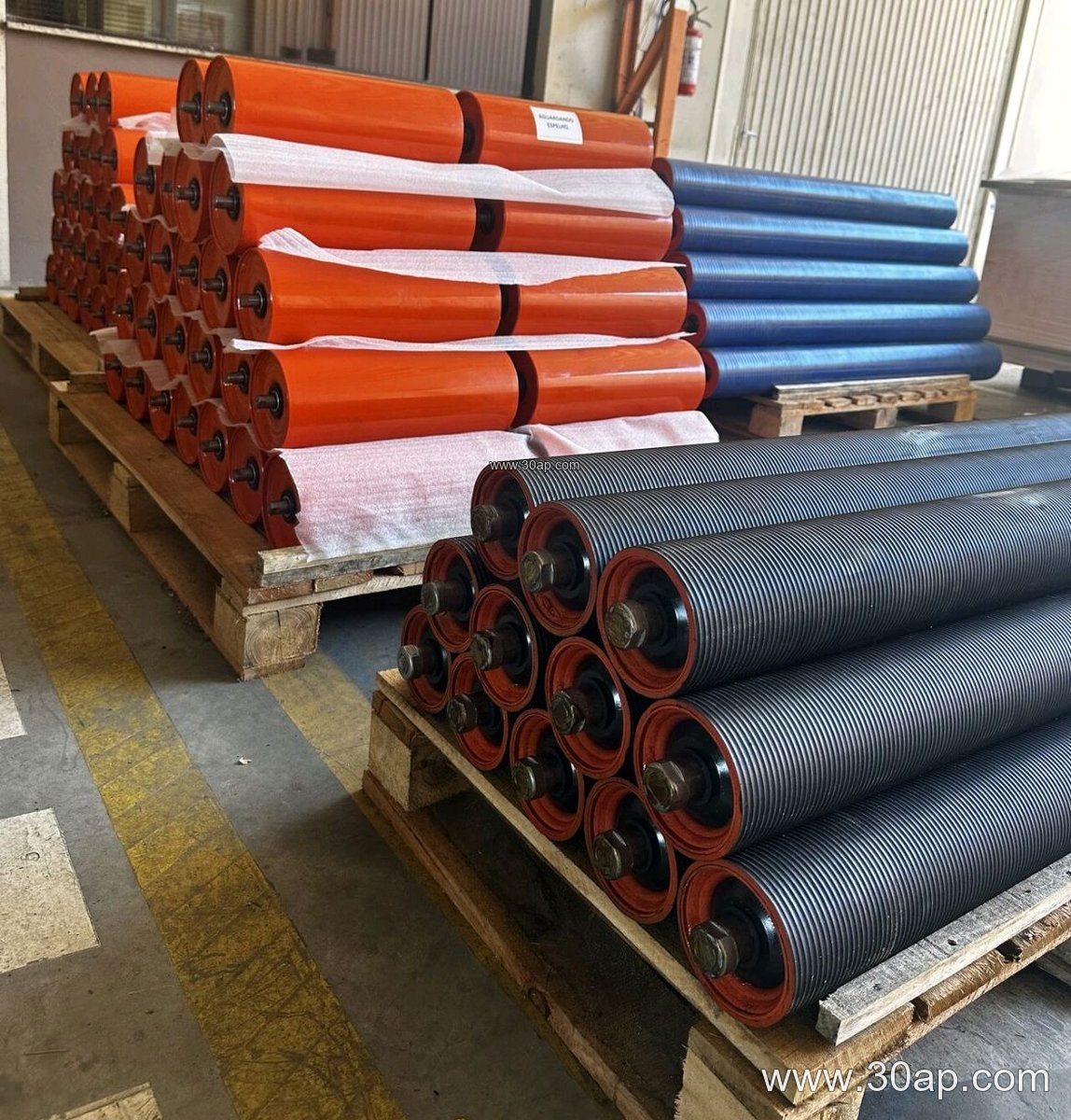
Where It Fits in the Conveyor Line
The rubber disc return idler belongs to the return strand, not to the carry side. It is often seen in quarries, crusher discharge circuits, cement plants and power plant coal handling, where dust and damp fines are constant. On a long overland run feeding a stockpile, the return rollers are the parts most exposed to carryback dropped from the belt.
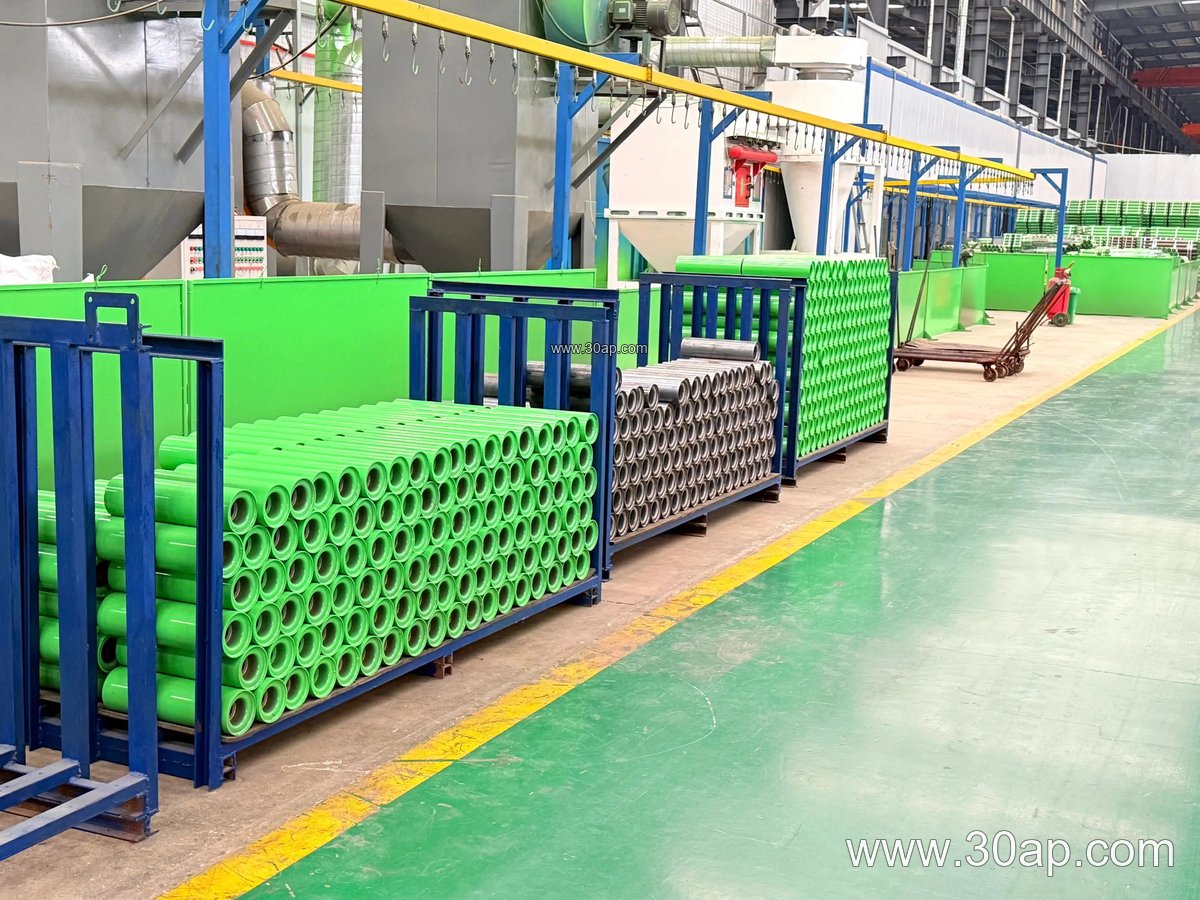
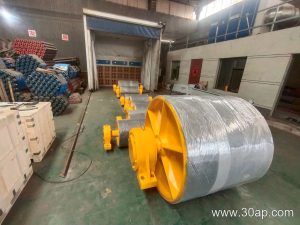
It is not a substitute for a bend pulley, tail pulley or drive pulley, and it does not replace troughing idlers on the carrying side. Where spillage is severe, a V-shaped return idler or a spiral return roller may be considered instead, but the rubber disc design remains a strong choice when sticky material is the main problem.
Matching the Rest of the System
The idler works best when the belt itself is in good condition. A worn or mistracking belt will punish any return roller, whatever the disc pattern. Consider the full belt specification when planning replacements: a heavy-duty mining conveyor belt, an abrasion resistant conveyor belt or a heat resistant conveyor belt each behaves differently against rubber discs. On coal lines, a flame retardant conveyor belt is usually specified, and the idler should be selected with that fire-safety context in mind.
For fabric-carcass systems, EP conveyor belt and NN conveyor belt are common, while long high-tension routes may use steel cord conveyor belt. Belt thickness and cover grade affect how much the discs deflect under contact, so share the belt data with the idler supplier.
Buyer Checklist
- Confirm roller diameter, roller length and shaft diameter against the existing conveyor bracket.
- State the bearing type and sealing expectation for the dust level on site.
- Describe the material: wet, sticky, abrasive or hot, since this guides disc hardness and spacing.
- Ask how the disc stack is locked and whether individual discs can be replaced.
- Check that the return idler height matches the belt path and does not lift the belt off adjacent rollers.
For a bulk material conveyor belt system, small return-side details often decide how often maintenance crews visit a section. A well-matched rubber disc return idler, paired with correctly aligned conveyor pulleys and a clean belt, keeps the empty strand running quietly and reduces the chance of belt edge damage.