What a Crusher Conveyor Belt Does
A crusher conveyor belt is the heavy‑duty link between primary crushing and downstream processing. It carries run‑of‑mine rock, ore, or aggregate from the crusher discharge point to screens, stockpiles, or transfer towers. Because the material is often sharp, hot, or abrasive, this belt must handle impact loading and edge wear that ordinary conveyor belting cannot tolerate. In mining, quarrying, cement plants, and power stations, the crusher conveyor belt is typically a high‑abrasion‑resistant or heavy‑duty mining conveyor belt, often with a fabric or steel cord carcass.
Construction and Common Configurations
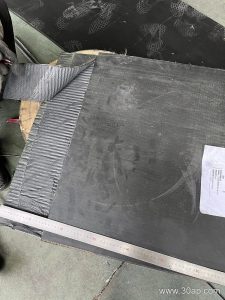
The belt body usually combines a tension‑bearing carcass with rubber covers. For crusher duty, multi‑ply fabric core conveyor belts such as EP or NN types are common, while long overland runs may use steel cord conveyor belt. The top cover is selected for abrasion resistance, and the bottom cover protects against pulley wear. Edge construction matters when the belt is troughing through idler roller sets and conveyor pulleys.
Typical reference data for crusher‑grade belting includes:
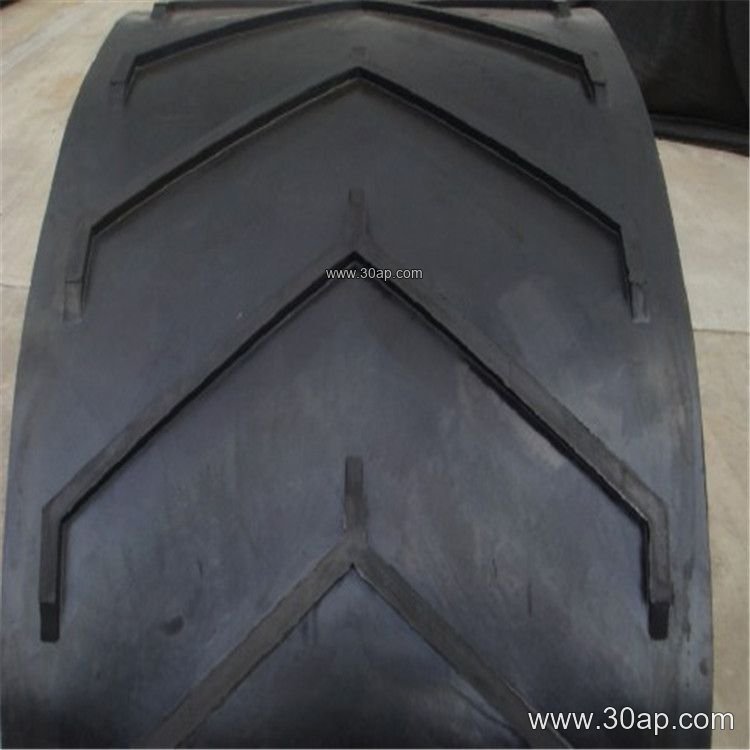
- Fabric carcass: 2 to 6 plies, depending on tension rating
- Cover thickness: common combinations such as 5+2 mm, 6+2 mm, or 8+3 mm
- Belt widths: B650, B800, B1000, B1200, B1400, B1600, and wider
- Strength grades: EP200, EP400, EP630, EP1000, EP1250, and higher
These values are reference points, not fixed pairings. Belt width and pulley diameter are matched by conveyor design, not by a single rule.
Where It Fits in the Plant
In a stone crushing line, the crusher conveyor belt often runs from the jaw or impact crusher to a vibrating screen. In a sand making plant, it may handle recirculating loads. Underground coal mining conveyor belts must also meet flame retardant requirements, while cement plants and power plants focus on heat and abrasion resistance. Quarry and aggregate operations frequently choose abrasion resistant conveyor belt with reinforced edges to survive sharp rock.
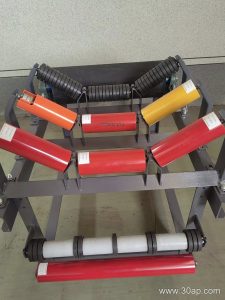
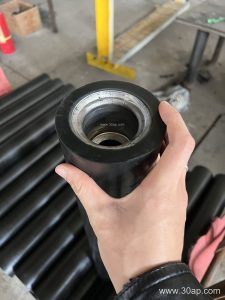
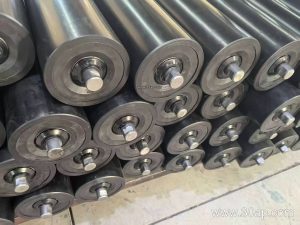
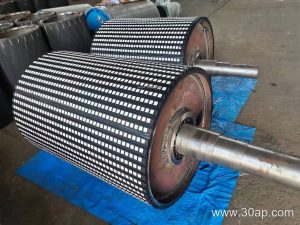
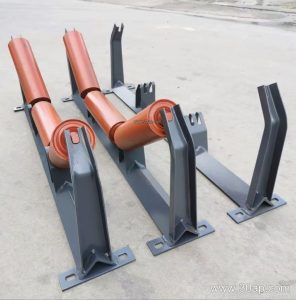
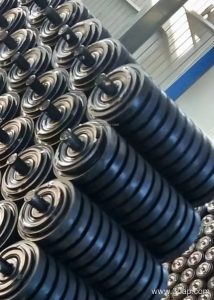
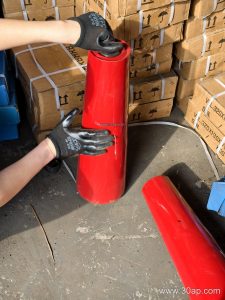
Related components such as the conveyor pulley, idler roller, and conveyor bracket all influence belt life. A misaligned bend pulley or worn idler roller can damage even a high‑quality belt.
Selection Notes for Buyers
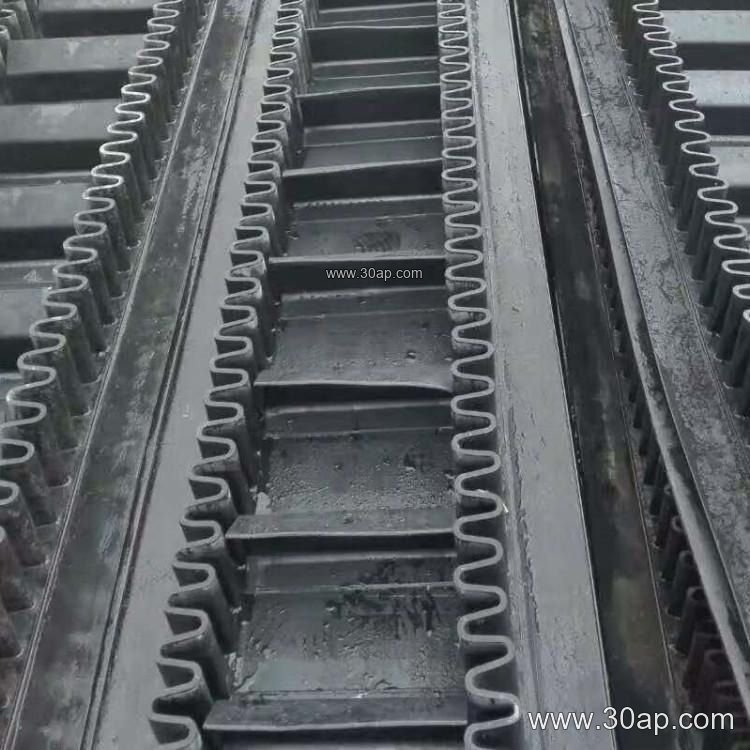
Start with the material: size, sharpness, moisture, temperature, and oil content. For hot clinker or sinter, a heat resistant conveyor belt may be needed. For coal or underground work, flame retardant and anti‑static properties are often specified. If the belt must handle fine, dusty material without spillage, a skirted or corrugated sidewall design can help, but these are separate subtypes and not replacements for a standard troughed belt.
Check the conveyor’s transition distance and impact zone. Impact idlers and proper loading chutes reduce top cover damage. Confirm the belt’s tensile grade against the calculated tension, and verify cover thickness against the expected wear life. A buyer should also ask for the belt’s edge condition and splice method, since mechanical splices and vulcanized splices behave differently under crusher shock loads.
Maintenance and Operating Tips
Inspect the crusher conveyor belt regularly for cuts, gouges, and cover wear, especially near the crusher discharge. Keep conveyor pulleys clean and check lagging condition. Align idler roller frames and replace seized rollers promptly. Track belt training and maintain correct counterweight tension. For coal mining conveyor belt systems, also check fire resistant and anti‑static properties after splicing. Recording belt width, cover thickness, and splice dates helps plan replacements before downtime occurs.
Whether the plant is a gold mining operation, an iron ore site, or a cement plant, the crusher conveyor belt is a wear part that deserves specification based on real duty, not guesswork. Buyers who match carcass type, cover compound, and belt width to the conveyor design will get more reliable service from this critical component.