What an Adjustable Conveyor Bracket Does
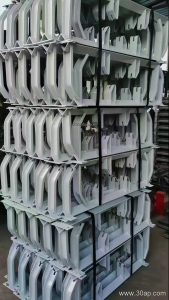
An adjustable conveyor bracket is a support frame for carrying idlers that lets maintenance teams change the trough angle, and sometimes the idler spacing, without cutting or re-welding the conveyor structure. Instead of a fixed cradle welded at one angle, the bracket carries slotted or pivoting mounting points. On a quarry conveyor or a cement plant transfer line, that flexibility matters: a belt that once ran flat may need a deeper trough after a throughput change, and a bracket that can be re-set saves a full frame replacement.
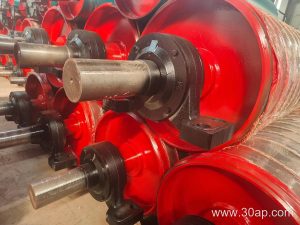
The same product is also sold as an adjustable idler bracket or adjustable roller support bracket. All three names describe one item; they are not different pulley types. Drive pulleys, tail pulleys and bend pulleys sit at the ends of the conveyor and are not part of this discussion.
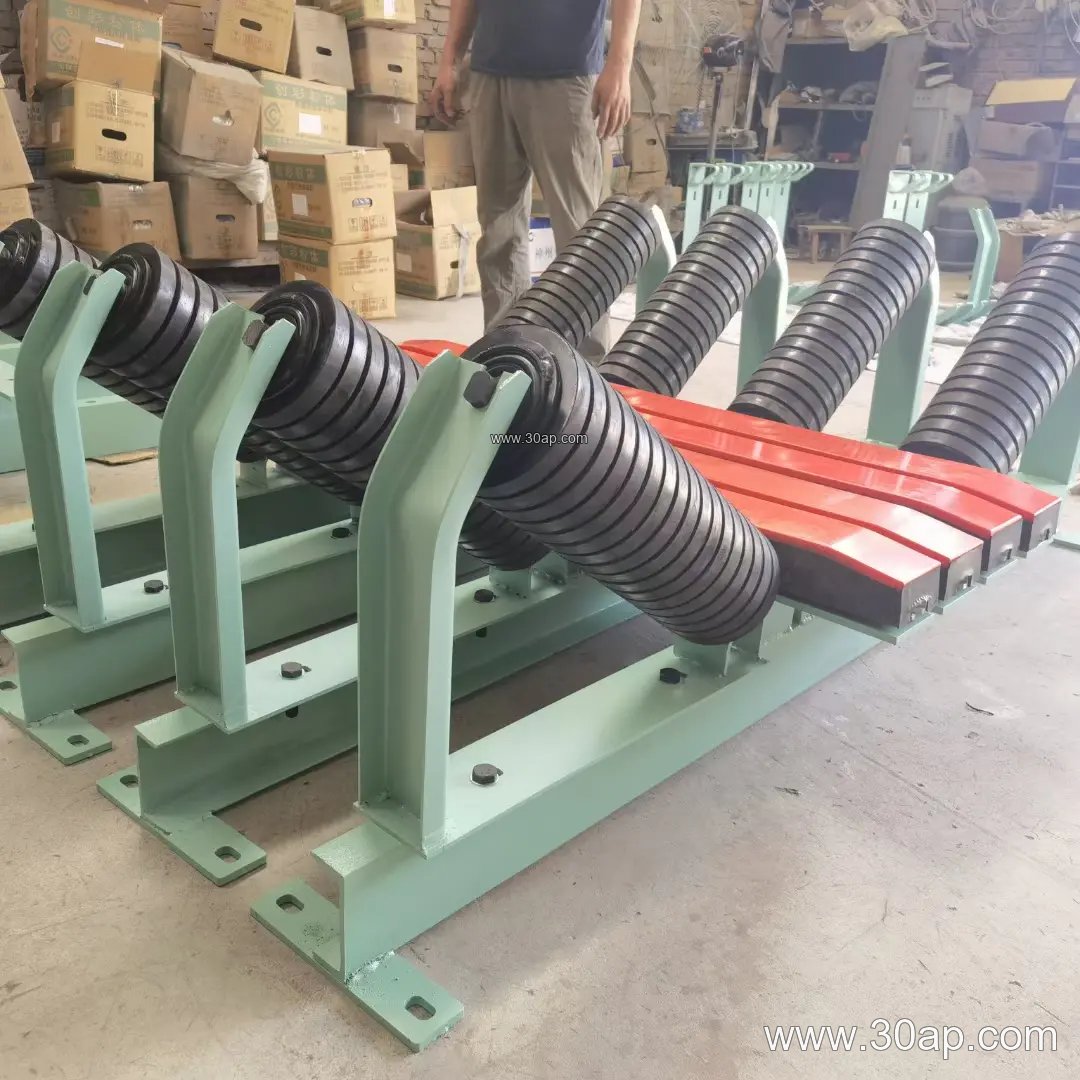
How the Bracket Is Built
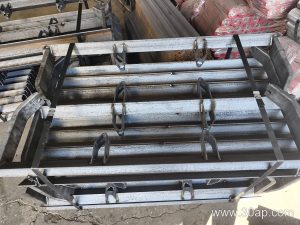
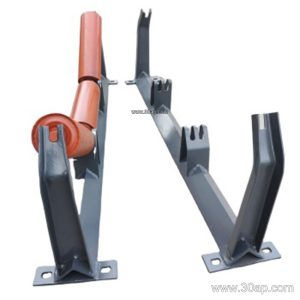
Most units are fabricated from angle steel, channel steel, or folded steel plate, then drilled or slotted for the idler shaft. A typical assembly includes:
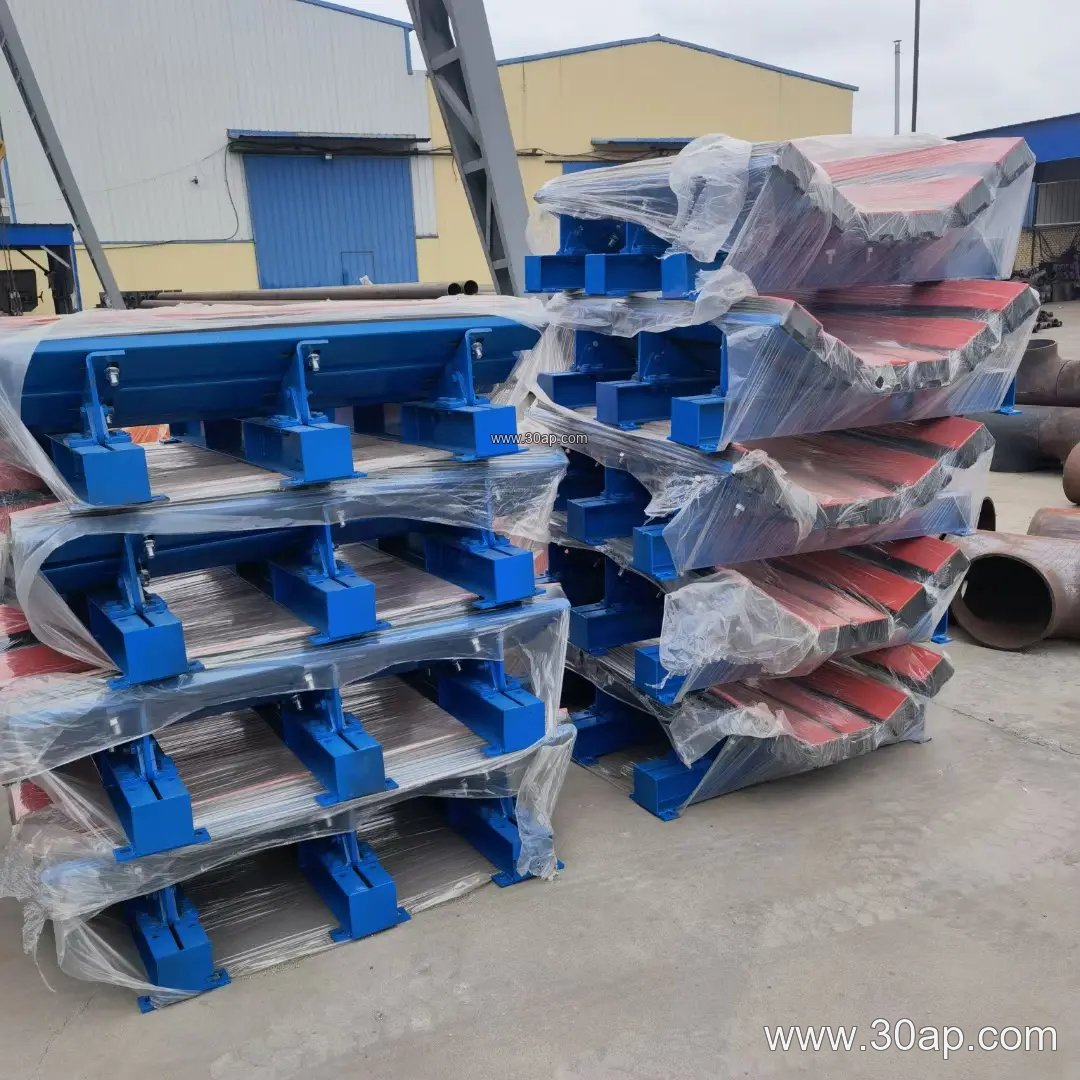
- A cross beam that spans the conveyor frame stringers
- Two or three pivoting or sliding shoes that hold the idler shaft ends
- Locking bolts or set screws that fix the chosen angle
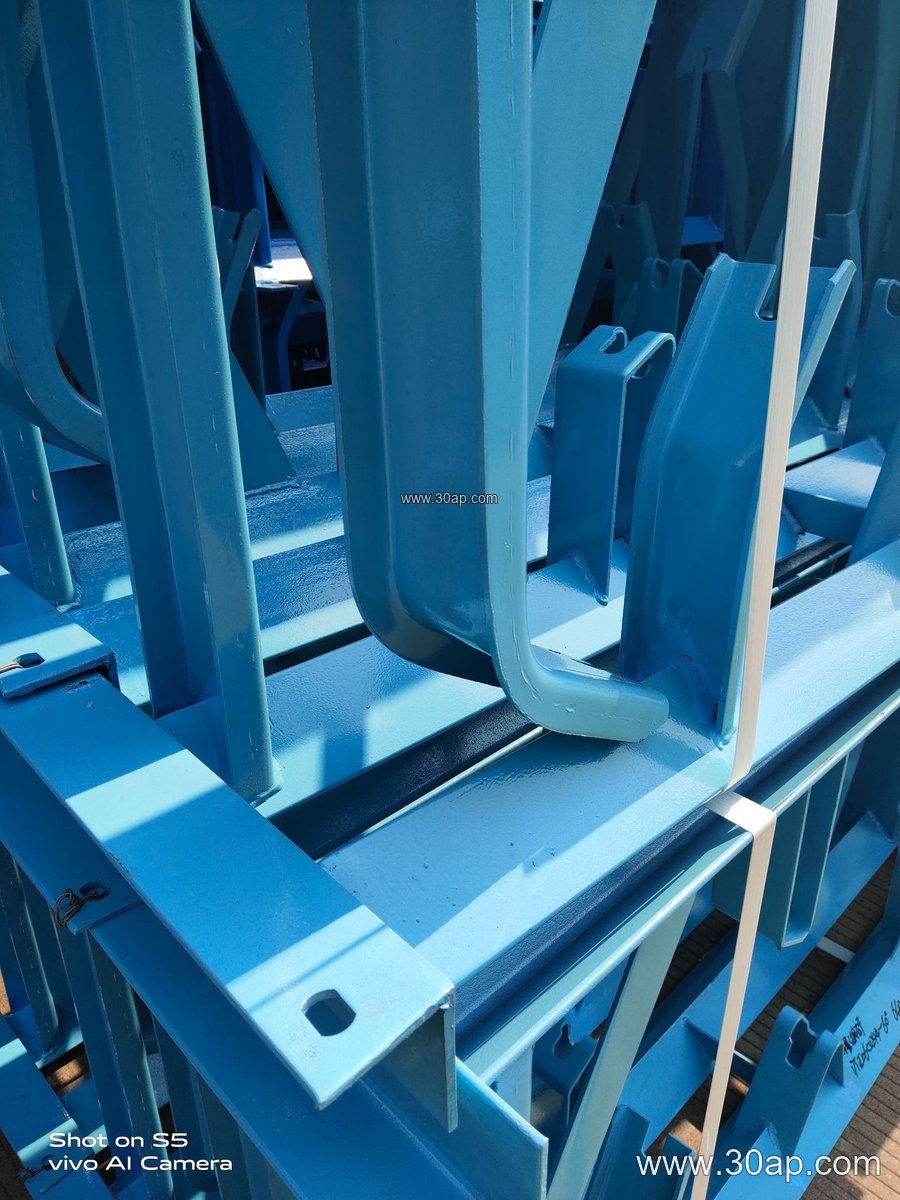
- Mounting plates with holes matched to the frame width
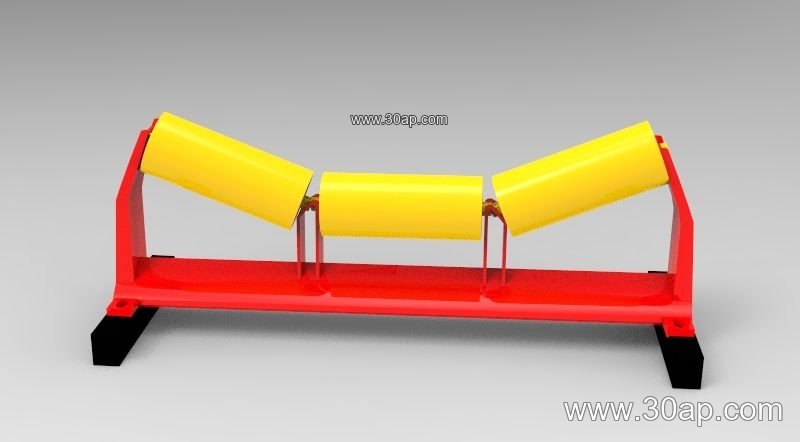
Because the shoes move, the trough angle can be set anywhere from about 20 degrees to 45 degrees, with 30 and 35 degrees the most common working positions in bulk handling. Some designs also allow a small forward tilt of roughly 1.5 to 2 degrees to help belt training. Hole spacing and beam length are not universal; they follow the belt width and the chosen angle, so a B800 frame and a B1400 frame use different cross beams.
Where It Fits in a Conveyor Line
Adjustable brackets are used on the carrying side, where they set the trough profile of the conveyor belt, and on the return side in flat or V-return form. They appear in stone crushing plants, sinter and pellet lines, power plant coal handling, fertilizer granulation halls, and tunnel muck removal. In a wash plant or a limestone mine, an adjustable bracket is often paired with a self-aligning bracket so the trough can be tuned while the belt is still tracking straight.
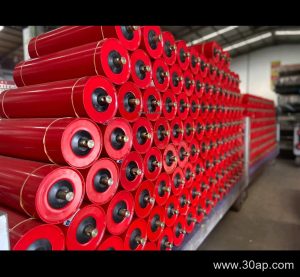
They work alongside the idler roller, the conveyor pulley and the belt itself. A heavy-duty mining conveyor belt running at high tonnage may need 45-degree troughing to keep material centered; a lighter aggregate conveyor belt may run happily at 30 degrees. The bracket is what makes that choice changeable in the field.
Common Reference Sizes
The table below shows typical combinations used when specifying an adjustable bracket. Values are for reference only and should be confirmed against the actual frame drawing.
| Belt width | Typical trough angle | Common idler diameter | Typical duty |
|---|---|---|---|
| B500 | 20 to 30 degrees | Ø89 | Light aggregate, sand |
| B650 | 30 degrees | Ø89 to Ø108 | Small quarry lines |
| B800 | 30 to 35 degrees | Ø108 | General bulk material |
| B1000 | 35 degrees | Ø108 to Ø133 | Cement, coal handling |
| B1200 | 35 to 45 degrees | Ø133 | Iron ore, heavy stone |
| B1400 | 35 to 45 degrees | Ø133 to Ø159 | Power plant coal, port |
| B1600 to B2000 | 35 to 45 degrees | Ø159 to Ø194 | High tonnage mining |
Belt width does not dictate a single angle or a single roller diameter. A B1200 frame can run 35 degrees with Ø133 idlers, or 45 degrees with the same diameter if the material is coarse and fast-loading. Selection depends on belt speed, lump size and the load the idler must carry.
Adjustable Versus Fixed Brackets
A fixed bracket is cheaper and simpler, and it is a fine choice for a conveyor that will never change duty. An adjustable bracket costs more but pays back when a plant upgrades capacity or switches material. For example, a steel plant conveyor moving sinter may start at 30 degrees and later need 45 degrees after a belt upgrade to a heat resistant conveyor belt with a different profile. With a fixed frame, that change means new steel; with an adjustable bracket, it means loosening bolts.
Buyer Checklist
- Confirm the frame stringer spacing and bolt hole pattern, not just the belt width.
- State the required angle range and the working angle.
- Match the idler shaft end size to the bracket shoe, for example Ø108 or Ø133.
- Ask about steel thickness and surface treatment for dusty or wet sites.
- Check that locking hardware will not loosen under vibration.
- Order brackets in sets so the trough profile stays consistent along the line.
A well-chosen adjustable conveyor bracket keeps a conveyor belt running at the right profile through changes in material, tonnage and wear. It is a small part of the frame, but it decides how well the idler roller, the belt and the load work together.