What a Fire Resistant Conveyor Belt Is
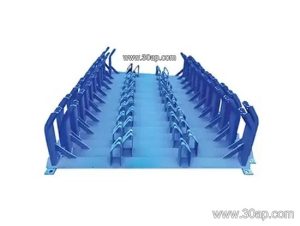
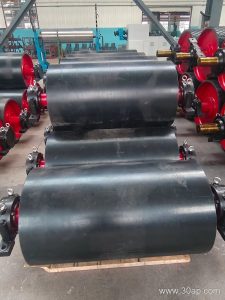
A Fire Resistant Conveyor Belt is a rubber belt designed to resist ignition and limit flame spread when it carries coal, ore, cement clinker or other bulk materials in hot, dusty or enclosed environments. It is often required in underground coal mining, power plants and cement works where a standard Rubber Conveyor Belt would pose an unacceptable fire risk. The belt works with conveyor pulleys, idler rollers and conveyor brackets, but its special value lies in the rubber compound and the fabric or steel reinforcement that together slow down combustion.
How the Belt Is Built
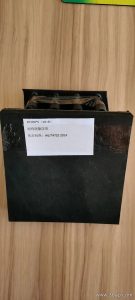
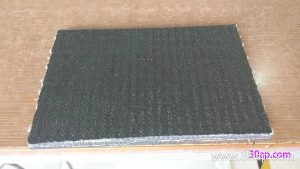
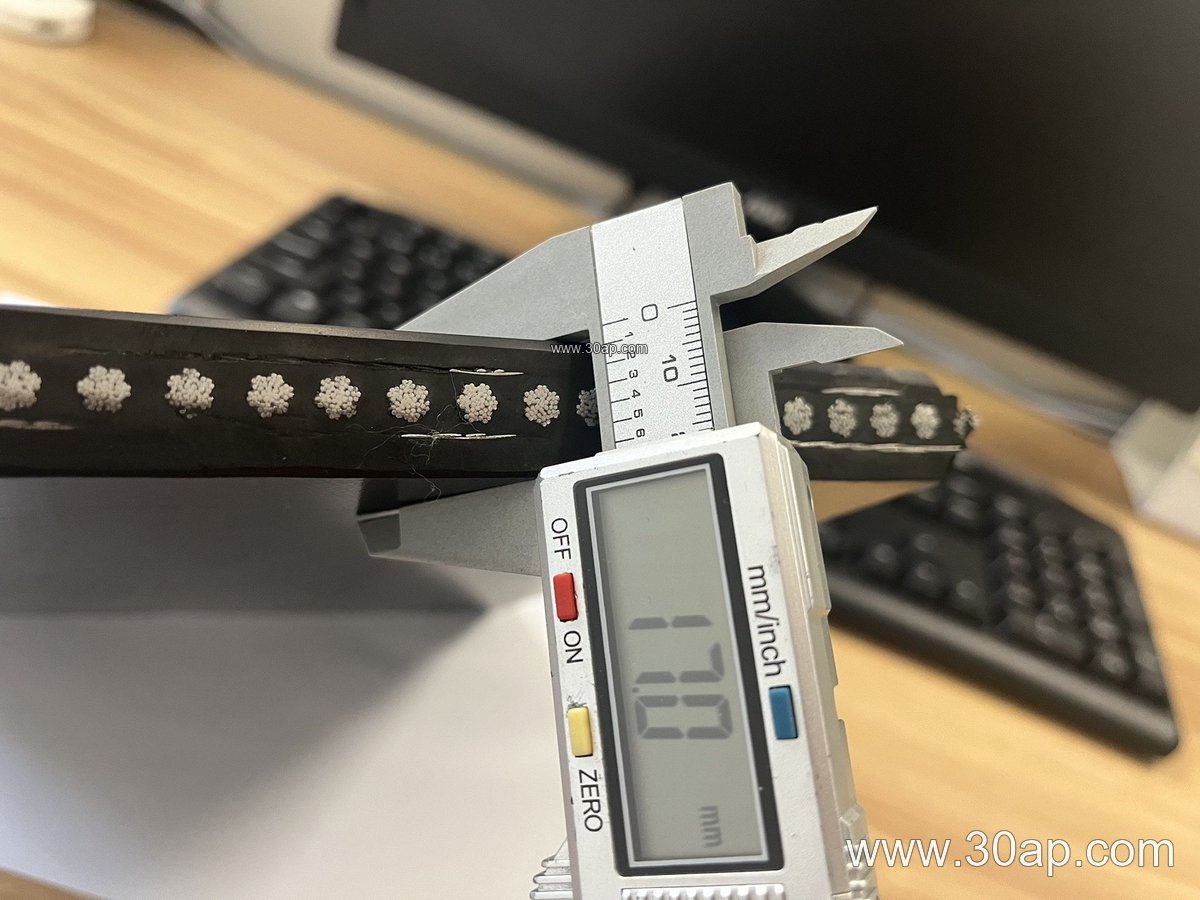
Most fire resistant belts use a fabric core or steel cord carcass covered with rubber on both faces. The cover compound usually contains flame retardant additives, and the carcass may be treated to reduce the chance of fire traveling along the belt. A typical construction for a fabric core belt includes two to six plies of EP or NN fabric, with cover thicknesses such as 3+1.5 mm, 4+2 mm or 6+2 mm depending on the duty. Steel Cord Conveyor Belt versions are used for very long, high tension runs where a single continuous reinforcement is preferred. The belt may also be produced as an Endless Conveyor Belt for specific conveyor layouts.
Where It Is Used
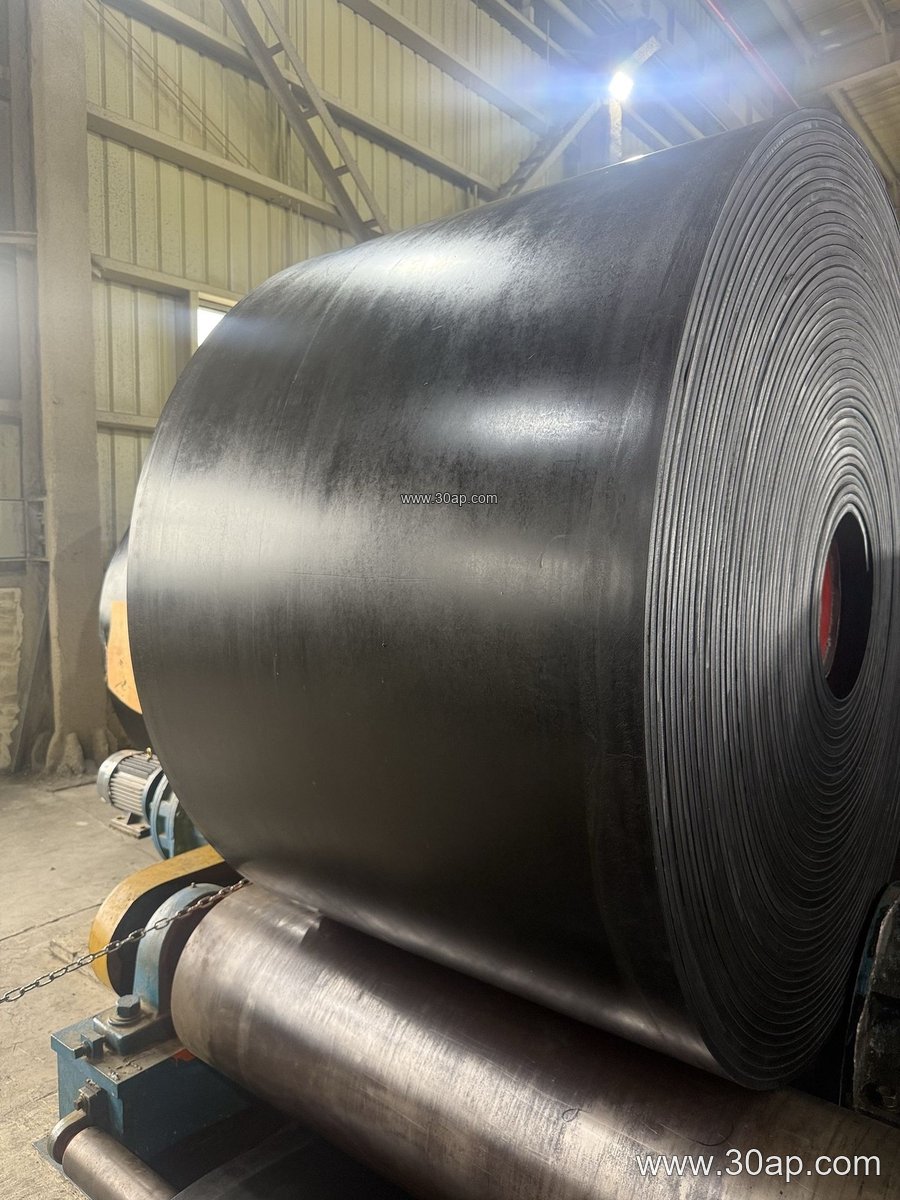
Fire Resistant Conveyor Belt is common in coal mining, underground mining, cement plants, power plants and steel plants. In a Coal Mining Conveyor Belt system, the belt must handle coal dust and occasional hot spots without sustaining a flame. In cement and aggregate operations, a Quarry Conveyor Belt or Aggregate Conveyor Belt may need fire resistance when the plant layout places the conveyor near heat sources or in enclosed galleries. The same belt can serve as a Mining Conveyor Belt in ore handling, or as a Bulk Material Conveyor Belt in port and ship loading applications where fire safety rules apply. It is not a substitute for a Heat Resistant Conveyor Belt when the main problem is hot material, nor for an Oil Resistant Conveyor Belt when oil contamination is the concern.
Common Specifications and Reference Data
The table below shows typical reference values for fire resistant belts. Actual values are confirmed by the manufacturer and by the conveyor design.
| Property | Common reference |
|---|---|
| Belt width | B500, B650, B800, B1000, B1200, B1400, B1600, B1800, B2000 |
| Fabric core strength | EP200, EP315, EP400, EP500, EP630, EP800, EP1000, EP1250, EP1600, EP2000 |
| Cover thickness | 3+1.5 mm, 4+2 mm, 5+2 mm, 6+2 mm, 8+3 mm |
| Carcass plies | 2 to 6 plies for fabric core belts |
| Steel cord grade | ST1000, ST1250, ST1600, ST2000, ST2500, ST3150 |
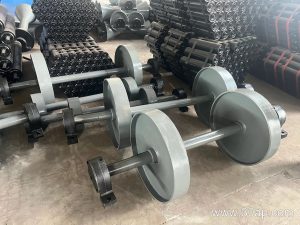
Widths such as 800mm Conveyor Belt, 1000mm Conveyor Belt and 1200mm Conveyor Belt are widely used, while a 1400mm or 1600mm belt may appear in high capacity plants. The belt width does not fix the pulley diameter; drive, tail and bend pulleys are selected from the conveyor tension and shaft load, not from the belt width alone.
Buyer Checklist
- Confirm the fire resistance requirement with the site safety engineer, and state whether the belt will run underground or in an enclosed gallery.
- Check the carcass type: EP Conveyor Belt, NN Conveyor Belt, Multi-Ply Fabric Core Conveyor Belt or Steel Cord Conveyor Belt.
- Match the cover thickness to the abrasion and impact duty; a High Abrasion Resistant Conveyor Belt may be needed in crusher and quarry duty.
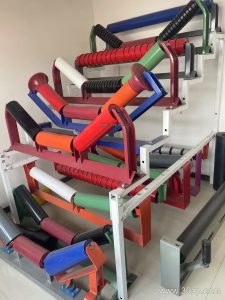
- Review the conveyor pulley, idler roller and conveyor bracket arrangement so the belt runs straight and does not rub.
- Ask for the manufacturer’s data on flame spread and electrical conductivity; do not assume one certificate covers every plant.
For more information on compatible conveyor components, visit www.example.com/conveyor-belt and www.example.com/fire-resistant-conveyor-belt. A well chosen Fire Resistant Conveyor Belt, combined with correct pulley and idler alignment, supports safer material handling in mines, coal plants, cement works and power stations.