What a Conveyor Equipment Pulley Does
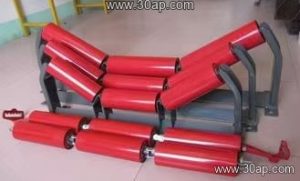
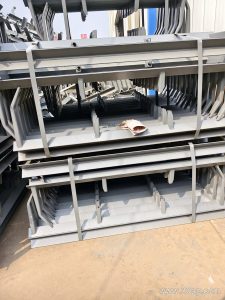
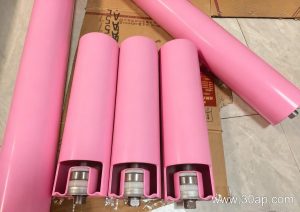
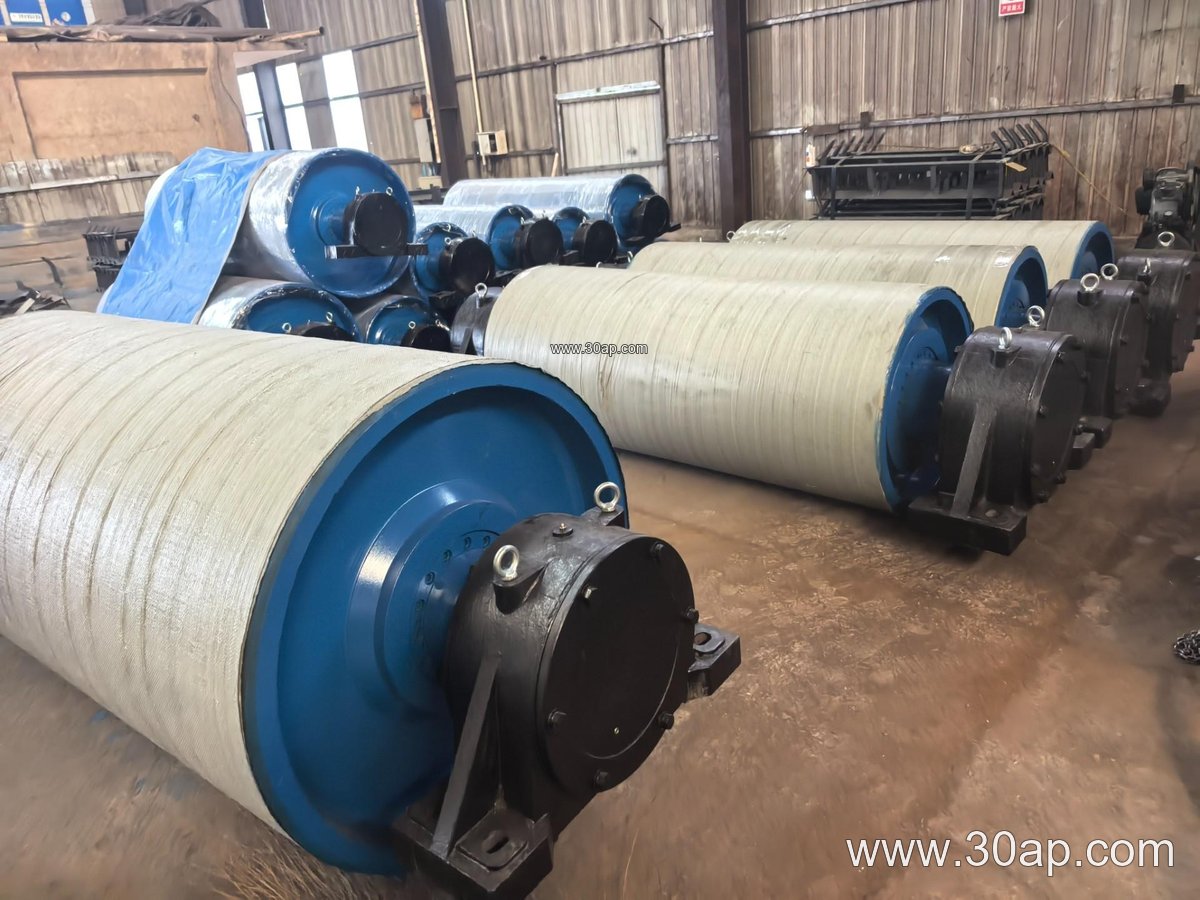
A conveyor equipment pulley is the rotating drum that carries and guides the conveyor belt at the ends and along the route of a belt conveyor. It transmits drive force, maintains belt tension, and changes belt direction. In a quarry, a limestone mine, or a cement plant clinker line, these drums work alongside idler roller sets and conveyor bracket frames to keep material moving without stoppage. The pulley is not a passive part; its diameter, shell thickness, shaft size, and surface treatment all influence belt life and energy use.
How the Drum Is Built
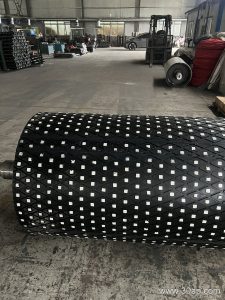
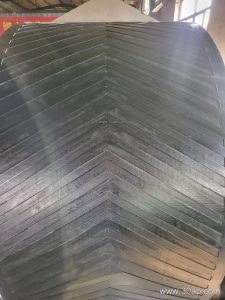
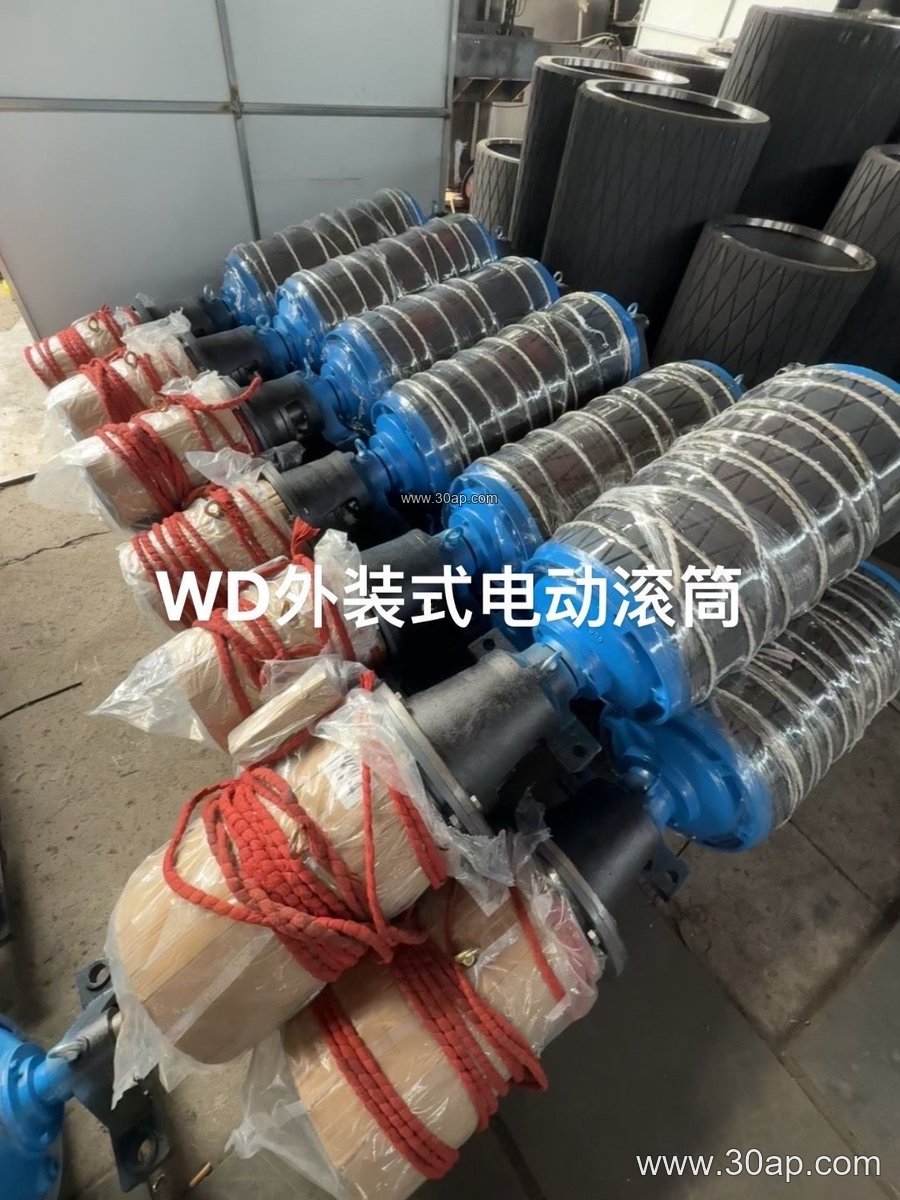
Most pulleys use a welded steel shell with end discs, a through shaft, and bearing housings mounted on a sturdy frame. The shell surface may be plain, or it may carry rubber lagging applied by hot vulcanizing, cold bonding, or casting. Diamond and herringbone patterns improve grip in wet or dusty conditions, while ceramic lagging suits high-wear service. Common lagging thicknesses are 8, 10, 12, 15, and 20 mm. Shaft diameters are usually selected from a range such as Ø50, Ø60, Ø70, Ø80, Ø90, Ø100, Ø120, Ø140, Ø160, Ø180, and Ø200, determined by torque and load rather than belt width alone.
Drive, Tail, and Bend Positions Are Not Interchangeable
A drive pulley, also called the head pulley, delivers power to the belt and usually has the largest diameter and the heaviest lagging. A tail pulley at the loading end tensions and returns the belt. A bend pulley simply redirects the belt path and carries lighter loads. These roles are distinct, and a bend pulley should never be treated as a substitute for a drive pulley. Other variants include the take-up pulley, snub pulley, wing pulley, and motorized pulley, each serving a specific layout need. Matching the correct subtype to the position prevents slip, belt tracking problems, and premature wear.
Matching Diameter to Belt Width
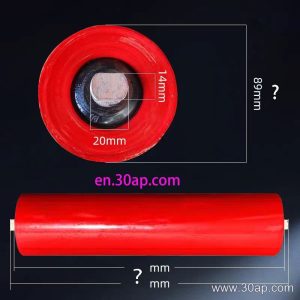
Shell width is normally a little wider than the belt. For reference, B400 may use about 500 mm face width, B650 about 750 mm, B800 about 950 mm, B1000 about 1150 mm, B1200 about 1400 mm, B1400 about 1600 mm, and B1600 about 1800 mm. Diameters commonly range from Ø200 to Ø1800 depending on belt tension and space. Typical combinations such as B800 × Ø500, B1200 × Ø1000, and B1400 × Ø800 appear in design drawings, but no single belt width is limited to one diameter. Final sizing should follow the conveyor’s calculated tension and shaft load.
Where These Drums Are Used
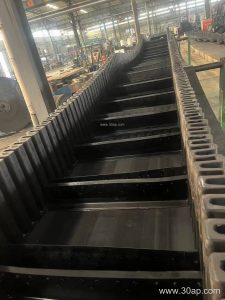
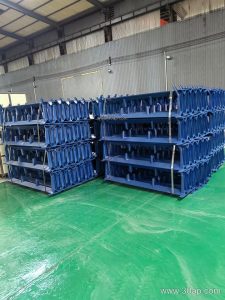
Aggregate and sand production lines rely on them at crusher discharge and screen feed points. Power plant coal handling systems use flame retardant and abrasion resistant belts running over large head drums. Port bulk terminals combine wide pulleys with heavy-duty conveyor belts for ship loading. In fertilizer and grain silo operations, smaller drums with smooth lagging help protect sensitive material. The surrounding components, including the conveyor belt, idler roller, and conveyor bracket, must be specified together so the whole conveyor works as a system.
Buyer Checklist
- Confirm the pulley position and duty: drive, tail, bend, take-up, or snub.
- State belt width, belt type, and expected tension so diameter and shaft can be checked.
- Choose lagging by condition: plain for clean dry service, diamond or herringbone for wet slip risk, ceramic for severe abrasion.
- Check bearing type, sealing, and lubrication access for the site environment.
- Verify balance, runout, and shell-to-shaft welding quality before installation.
Well-chosen conveyor equipment pulleys reduce belt stress and downtime. Whether the plant handles iron ore, copper ore, or coal, the drum should be selected from real load data, not from a single size rule.