What a Conveyor Support Bracket Does on a Belt Conveyor
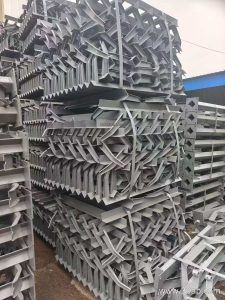
A conveyor support bracket is the structural element that carries the idler roller assemblies and holds them at the correct position under or above the conveyor belt. It sits between the conveyor frame and the rollers, transferring the weight of the belt and the material being transported into the main stringers. In a quarry, a coal washing plant, or a cement plant, these brackets are the parts that keep the belt profile steady from the loading point to the discharge end.
Also called a conveyor idler bracket or roller support bracket, this component is often confused with a conveyor bracket in general. The support bracket is specifically the mounting piece for rollers and their frames, while the conveyor bracket can refer to a wider family of frame connections. Getting the naming right helps when ordering spare parts, because a bend pulley bracket and a troughing roller bracket serve completely different purposes.
Construction and Common Materials
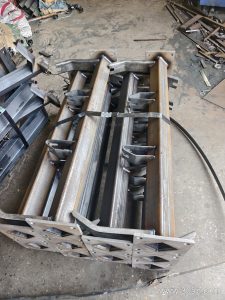
Most brackets are fabricated from angle steel, channel steel, or folded steel plate. The choice depends on the load and the frame design. A light-duty bracket on a B650 conveyor may use folded plate, while a heavy-duty mining conveyor bracket on a B1400 or B1600 structure usually needs channel or angle sections with thicker walls. Bolt holes and crossbeam length vary with belt width and trough angle, so they are determined by design rather than fixed by a single number.
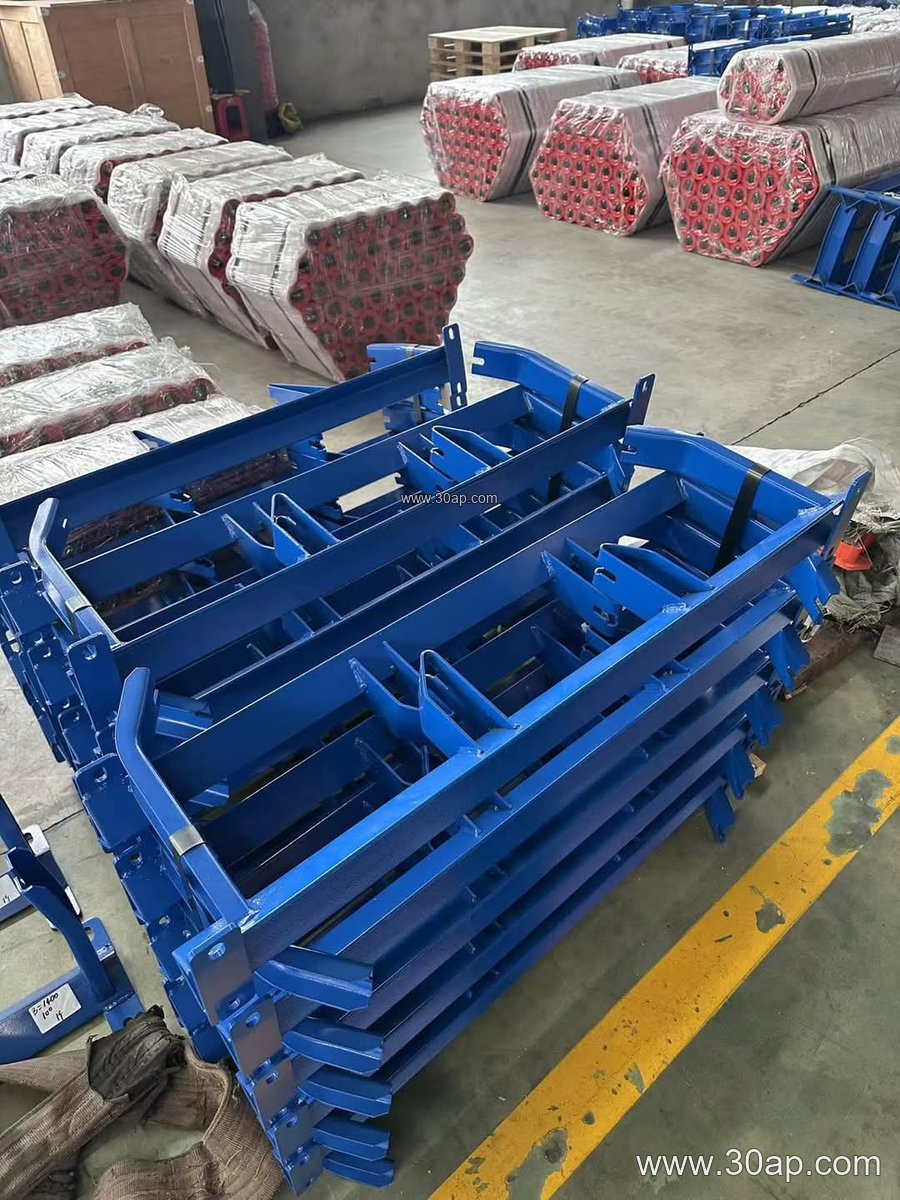
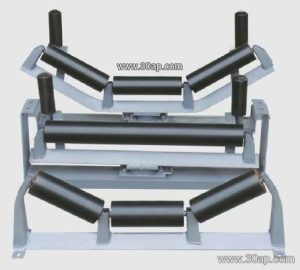
Typical bracket forms
- Troughing bracket for the carrying side, commonly set at 20, 30, 35, or 45 degrees
- Transition bracket near the loading and discharge zones
- Return bracket or V-return bracket for the empty side
- Impact bracket under buffer rollers at transfer points
- Self-aligning and forward-leaning brackets for belt tracking
- Adjustable bracket that can shift between trough angles during installation
Forward-leaning designs are usually set around 1.5 to 2 degrees to help center the belt. Adjustable versions are useful where operating conditions change or where the belt needs fine tuning after commissioning.
Belt Width, Trough Angle, and Roller Diameter
A support bracket is normally specified together with belt width, trough angle, and roller diameter. The three values work as a set, but they are not locked one-to-one. A B800 frame can be arranged at 30 or 35 degrees with Ø108 rollers, and a wider B1200 structure may run at 35 or 45 degrees with Ø133 rollers. The table below shows common reference combinations rather than mandatory matches.
| Belt width | Common trough angle | Typical roller diameter | Typical bracket material |
|---|---|---|---|
| B500 | 20-30 degrees | Ø89 | Folded plate or angle steel |
| B650 | 30 degrees | Ø89-Ø108 | Angle steel |
| B800 | 30-35 degrees | Ø108 | Angle or channel steel |
| B1000 | 35 degrees | Ø108-Ø133 | Channel steel |
| B1200 | 35-45 degrees | Ø133 | Channel steel |
| B1400 | 35-45 degrees | Ø133-Ø159 | Channel or heavy plate |
| B1600 | 35-45 degrees | Ø159 | Heavy channel or plate |
| B1800-B2000 | 35-45 degrees | Ø159-Ø194 | Heavy plate fabrication |
Do not assume that a given belt width forces one trough angle or one roller size. The final combination should follow the conveyor design, the material load, and the belt stiffness. For a heavy-duty mining conveyor belt carrying iron ore or rock, a steeper trough angle and a larger roller may reduce belt sag, but the bracket must still match the frame geometry.
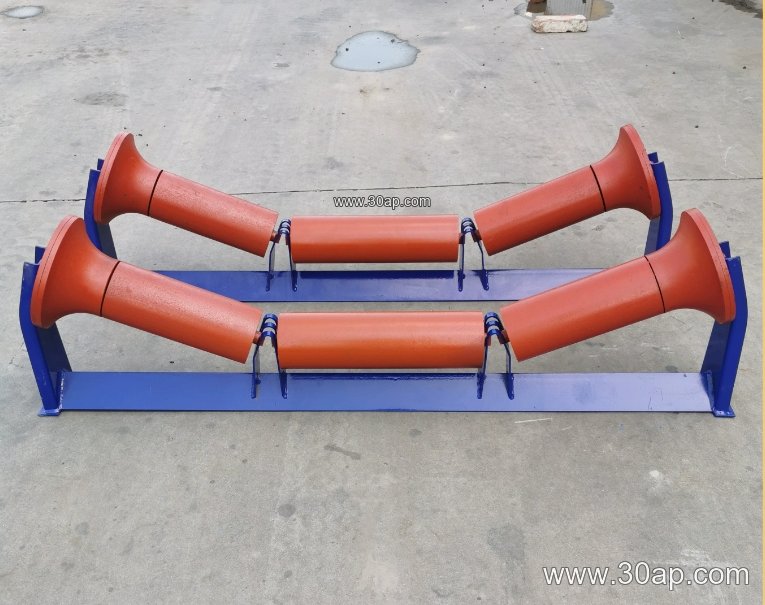
Where These Brackets Are Used
In a limestone quarry or a crushing and screening line, troughing brackets support the rollers that shape an EP conveyor belt or a multi-ply fabric core belt into a stable trough. At a coal washing plant or power plant coal yard, flame retardant and anti-static belt grades are common, and the brackets must keep the rollers aligned so the belt does not drift toward the frame. In a cement plant, heat resistant conveyor belt sections near the kiln discharge need brackets that remain rigid under thermal cycling.
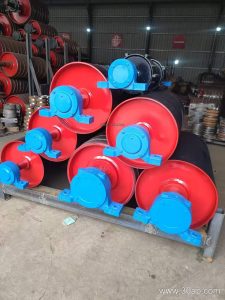
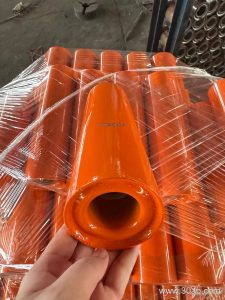
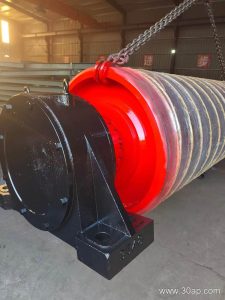
Other applications include port ship loading, steel plant sinter lines, aggregate yards, and fertilizer or grain silo systems. In each case the bracket is part of the same chain: conveyor support bracket, idler roller, conveyor pulley, and conveyor belt working together. A worn bracket or a loose bolt can cause roller misalignment, edge damage, and premature belt wear, so inspection during maintenance shutdowns matters.
Selection and Maintenance Notes
Buyers should confirm the belt width, trough angle, roller diameter, mounting hole spacing, and frame connection style before ordering. Ask for the bracket material and surface treatment, and check whether an adjustable or fixed design suits the conveyor. For abrasive bulk material such as ore or quarry stone, a rigid bracket with good corrosion protection is a practical choice. During operation, check bolt tightness, look for bent or cracked brackets, and replace any part that no longer holds the roller at the correct height or angle. Replacing a damaged support bracket early is cheaper than replacing a torn conveyor belt later.