What a Return Idler Bracket Does
A return idler bracket is the support component that holds the lower, return-side idlers of a belt conveyor. While the carrying side handles the loaded belt, the return side carries the empty belt back to the tail. The return idler bracket keeps those return idlers in position, at the right height and spacing, so the belt runs smoothly underneath the conveyor frame. In a quarry, a cement plant, or a power plant coal yard, this small steel part quietly determines how well the whole return run behaves.
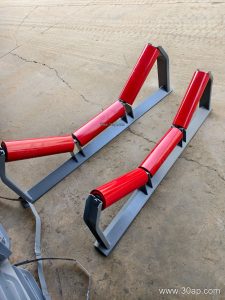
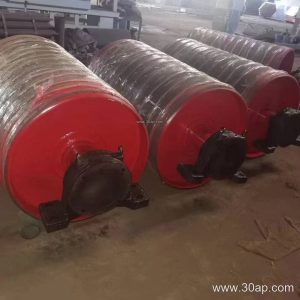
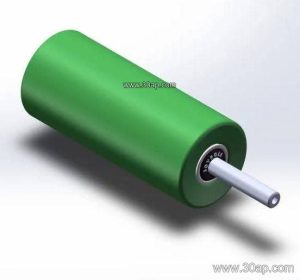
Also called a return roller bracket or lower idler support bracket, it is usually bolted to the conveyor stringer or cross beam. It is not a pulley and should not be confused with drive, tail, or bend pulley assemblies, which transmit power or change belt direction. The return idler bracket simply supports the idler roller shaft and transfers the load to the frame.
Construction and Common Forms
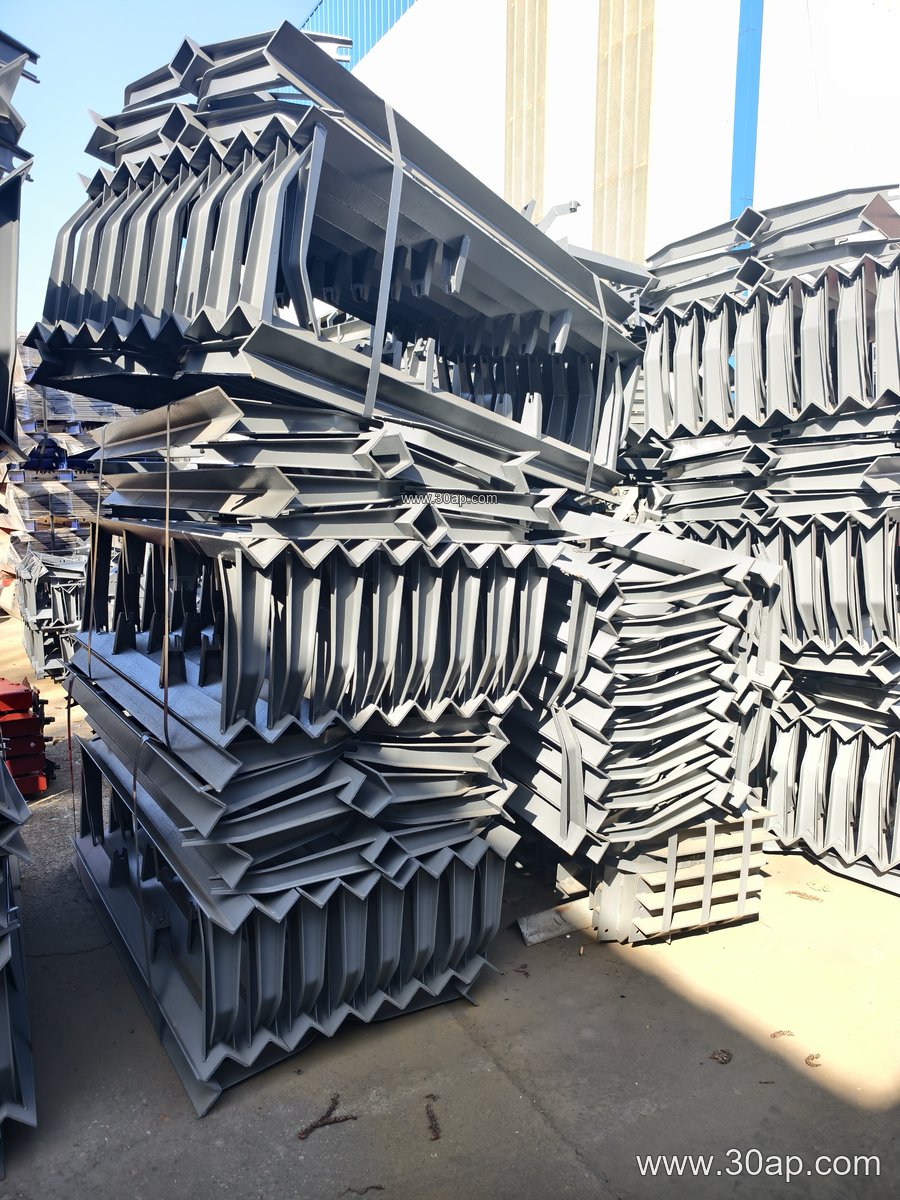
Most brackets are made from angle steel, channel steel, or folded steel plate. Fabrication is straightforward: cutting, punching, bending, and welding, followed by painting or galvanizing. The mounting holes must line up with the frame, and the slot or hook that holds the idler shaft must match the shaft diameter and the idler type.
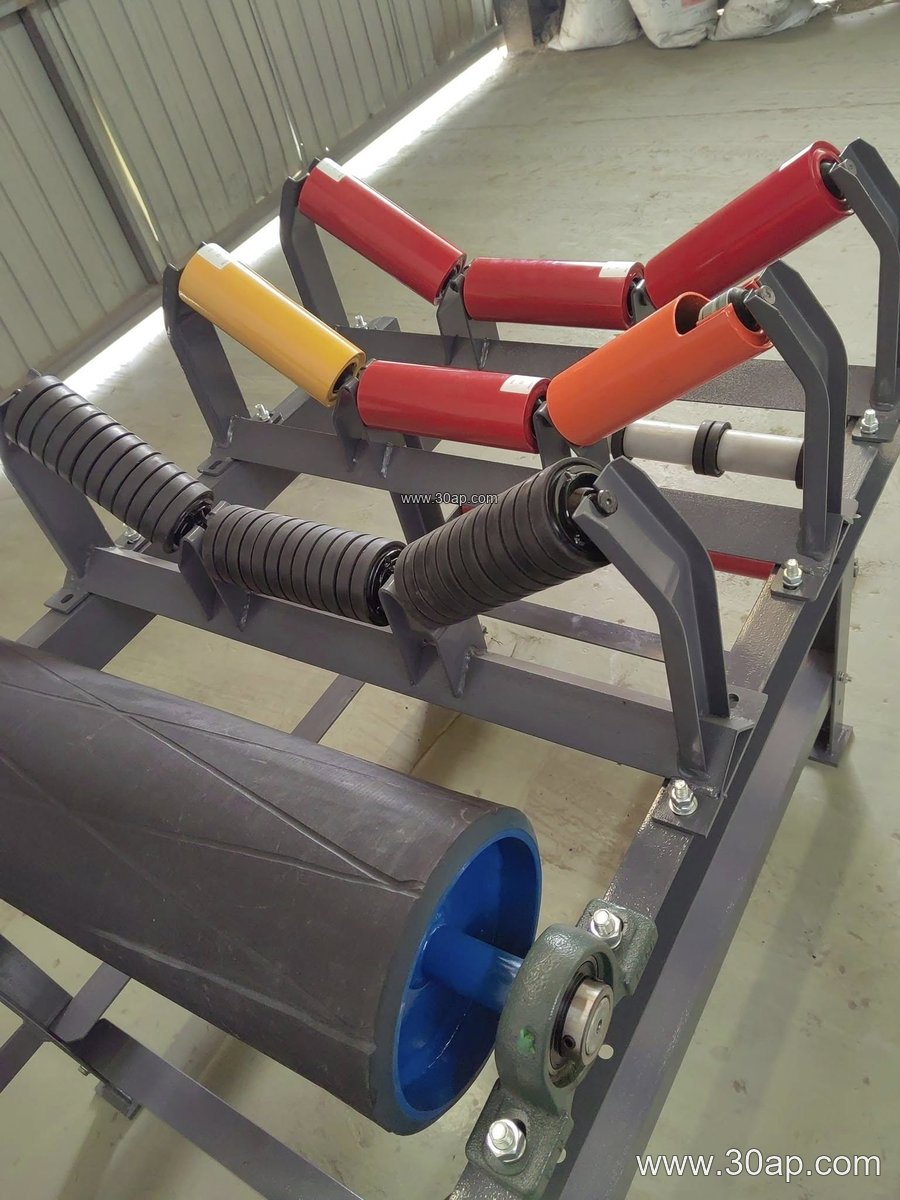
Common forms include a flat lower support for a single return idler and a V-shaped return bracket that holds two idlers in a V arrangement to help center the belt. Adjustable versions allow the bracket position or angle to be tuned during installation. Fixed brackets are simpler and cheaper but offer no adjustment. The choice depends on belt width, expected misalignment, and maintenance preferences.
Where It Fits in the Conveyor
Return idler brackets appear on nearly every belt conveyor, from a small aggregate conveyor belt in a sand and gravel line to a heavy-duty mining conveyor belt in an iron ore operation. They are common in crushing and screening plants, cement kilns and clinker lines, steel plant sintering areas, and port ship loading systems. In dusty or wet conditions, the bracket must shed material and resist corrosion.
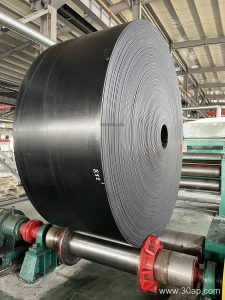
The bracket works together with the conveyor belt, idler roller, and conveyor bracket system. A well-aligned return bracket reduces belt edge wear and helps prevent tracking problems. On a long overland conveyor carrying bulk material conveyor belt loads, even a small bracket misalignment can cause the belt to rub and wear prematurely.
Typical Reference Dimensions
The table below shows common reference ranges, not fixed rules. Actual sizes depend on the conveyor design.
| Parameter | Common Reference Values |
|---|---|
| Belt width | B500, B650, B800, B1000, B1200, B1400, B1600, B1800 |
| Idler diameter | Ø89, Ø108, Ø133, Ø159, Ø194 |
| Return trough angle | Flat or V-shaped, typically 10 to 20 degrees for V return |
| Material | Angle steel, channel steel, folded plate |
Mounting hole spacing and beam length change with belt width and frame design, so they should always be confirmed against the conveyor drawing. A B800 conveyor with Ø108 idlers may use a different bracket than a B1200 line with Ø133 idlers, even if both are flat return supports.
Buyer Checklist
- Confirm belt width and return idler shaft diameter before ordering.
- Decide between fixed and adjustable brackets based on installation tolerance.
- Check whether the frame uses stringer mounting or cross-beam mounting.
- Match the surface treatment to the environment: paint for dry areas, galvanizing for wet or corrosive sites.
- Verify hole spacing and slot size against the existing conveyor bracket or drawing.
- Consider V-return brackets where belt centering is a concern.
For a coal mining conveyor belt installation, flame retardant conveyor belt and anti-static conveyor belt properties matter, but the return idler bracket still needs to be mechanically sound. In a cement plant, abrasion resistant conveyor belt may handle clinker, while the bracket must tolerate dust buildup. In a food or grain facility, a food grade conveyor belt may be used, and the bracket should be easy to clean.
Maintenance Notes
Inspect return brackets during routine idler checks. Look for loose bolts, bent arms, worn slots, and corrosion. A bracket that has shifted can cause the return belt to run off-center. Replacing a bent bracket is usually faster than straightening it, and keeping a few spare brackets on hand reduces downtime in a busy quarry or port.
Return idler brackets are simple parts, but they are part of the conveyor’s structural chain. Selecting the right bracket for the belt width, idler diameter, and mounting style keeps the return run stable and the belt life predictable.