What a Guide Idler Bracket Does on a Conveying System
A guide idler bracket is the steel support that holds a guide idler in the correct position so the conveyor belt stays centered as it travels. In practice, the bracket locates the idler close to the belt edge, where a small misalignment can be corrected before it becomes a serious tracking problem. This part is easy to overlook, yet a loose or wrongly set guide bracket can allow the belt to wander, rub the structure, and spill material along the whole length of the line.
The guide idler bracket is a locating and supporting component, not a drive part. It should not be confused with brackets used under the carrying run or with a conveyor pulley at the head or tail of the machine. Each has its own job, and mixing them up during ordering or replacement is a common source of installation errors.
Construction and Mounting
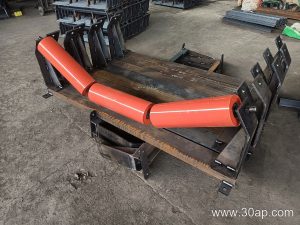
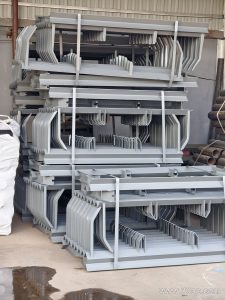
Most guide brackets are fabricated from angle steel, channel steel, or folded steel plate, then drilled or slotted for the idler shaft. A typical unit consists of a base plate, a vertical or inclined arm, and a fixing point for the idler spindle. On adjustable designs, slotted holes or a movable clamp let maintenance staff shift the idler slightly to fine-tune belt tracking. Fixed brackets hold a set position and are chosen where the belt path is already well controlled.
Mounting position is usually on the conveyor frame, on the return side or near a transition zone, depending on the design of the machine. Bolted connections should be tightened to the frame supplier’s recommendation, and the bracket should sit square to the belt centerline. If the bracket is skewed, the guide idler will push the belt sideways instead of guiding it.
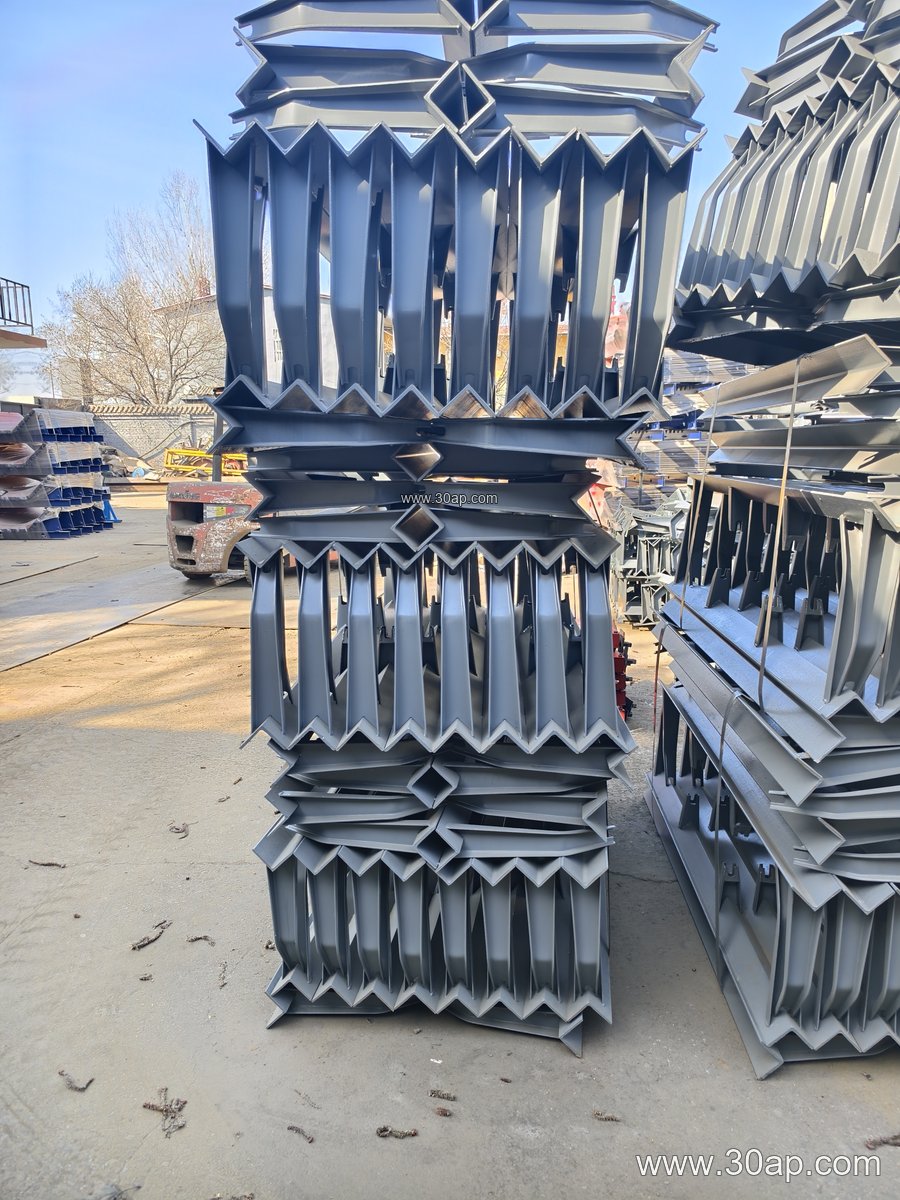
Common bracket materials and forms
- Angle steel frames for light and medium duty
- Channel steel arms for heavier loads and longer spans
- Folded steel plate with slotted adjustment holes
- Fixed or adjustable arms, with or without a swivel clamp
Where Guide Brackets Fit in Different Plants
In a quarry or aggregate line, the guide bracket often sits near a crusher discharge, where belt tracking changes quickly after a transfer point. In a coal handling system or power plant coal yard, the same bracket helps keep a wide belt centered on long runs. In a cement plant, a guide idler bracket near a clinker or limestone transfer can reduce edge wear on the belt. The part is also used in sand and gravel plants, port loading lines, and steel plant raw material handling.
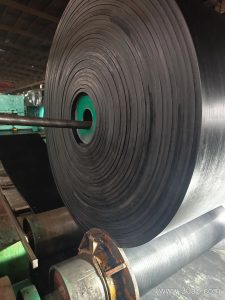
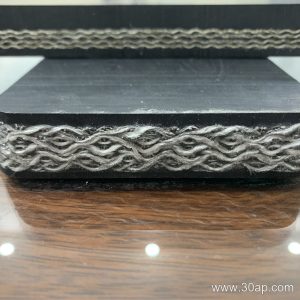
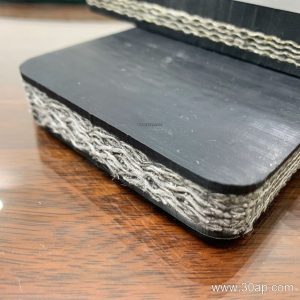
When a line uses an EP conveyor belt or a multi-ply fabric core belt, edge contact must be controlled carefully, because a sharp bracket edge or a poorly aligned idler can damage the belt cover. In heavy-duty mining service, a steel cord conveyor belt may demand a more rigid bracket and a sturdier frame connection. The bracket itself is small, but it works together with the idler roller, the conveyor belt, and the conveyor pulley to keep the whole line stable.
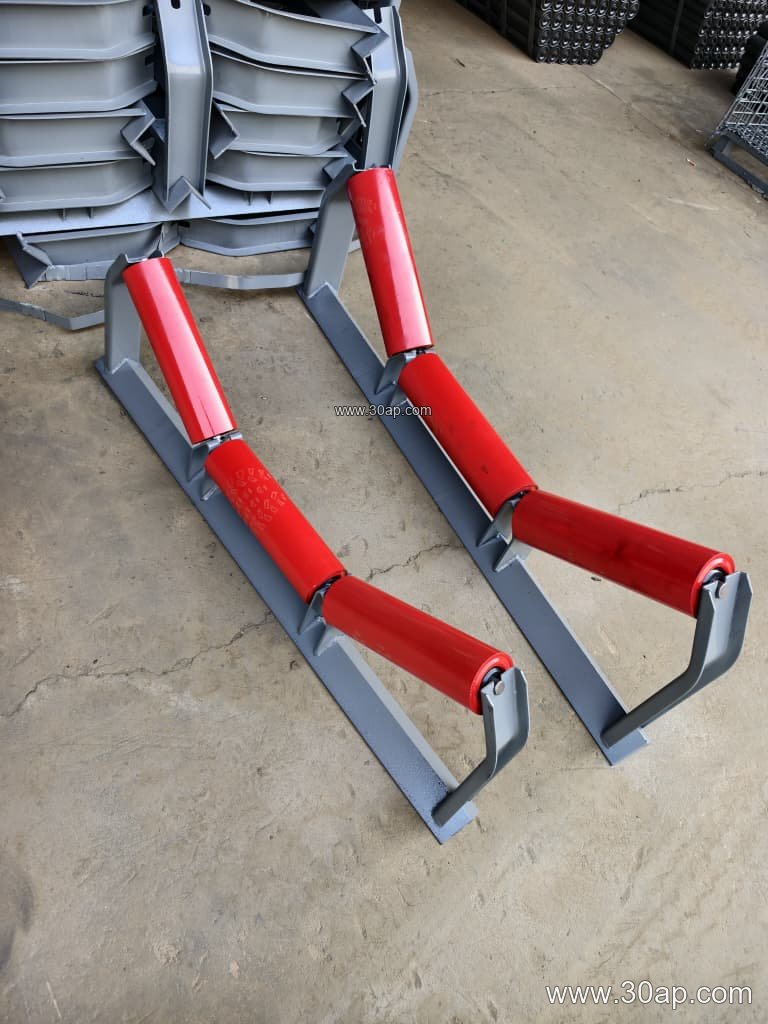
Matching the Bracket to Belt Width, Trough Angle, and Roller Diameter
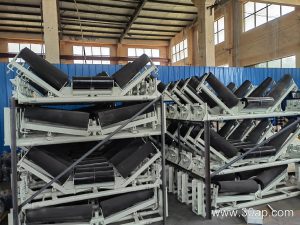
There is no single bracket size for every conveyor. The bracket must match the frame, the idler shaft, and the belt width, and the idler set must suit the required trough angle. Common belt widths include B500, B650, B800, B1000, B1200, B1400, B1600, B1800, B2000, B2200, and the trough angle may be 20, 30, 35, or 45 degrees. Roller diameters such as Ø89, Ø108, Ø133, Ø159, and Ø194 are also selected by load and belt speed. A 30 degree trough is often used in general bulk handling, while a 45 degree trough may appear where the material is fine and the belt is deeply troughed. These are design choices, not fixed pairings.
Installation hole spacing and crossbeam length change with belt width and trough angle, so a buyer should check the drawing rather than assume a standard dimension. A guide idler bracket for a B1200 frame will not fit a B650 frame, even if the idler diameter looks the same.
Buyer Checklist Before Ordering
- Confirm the belt width and the frame hole pattern
- Confirm the idler shaft diameter and the required trough angle
- Choose fixed or adjustable mounting, depending on tracking needs
- Check the steel thickness and surface treatment for the site environment
- Ask for a marked drawing showing the mounting orientation
For a coal mining conveyor belt line, a flame retardant conveyor belt is usually specified, and the bracket should not interfere with the belt edge or create a rubbing point. For an abrasive ore duty with an abrasion resistant conveyor belt, a stronger bracket and a smooth contact surface help extend service life. In a food or fertilizer plant, a clean, painted bracket with no sharp edges is easier to maintain.
Maintenance Notes
Inspect guide idler brackets during normal belt inspections. Check for loose bolts, bent arms, and worn slots. Re-tighten or replace parts before the belt begins to track badly. On adjustable brackets, mark the original position so a later adjustment can be reversed if needed. Keep the idler running freely, because a seized roller can load the bracket and distort it. A small amount of attention to this part often avoids a much larger belt alignment problem, whether the line carries rock, ore, coal, or cement clinker.