What a Comb Idler Does on a Conveyor
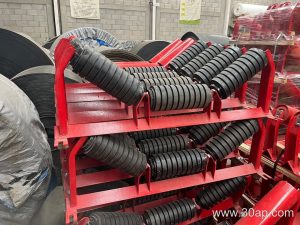
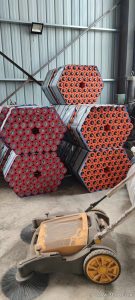
A comb idler is a specialized conveyor idler roller whose shell is built from a series of spaced discs or rings rather than one continuous tube. The gaps between the discs give the roller a comb-like profile, which lets fines, dust, and sticky material fall away instead of building up on the surface. In a coal mining conveyor or a limestone quarry line, that self-cleaning behavior keeps the belt supported while reducing the chance of material carryback wrapping around the roller.
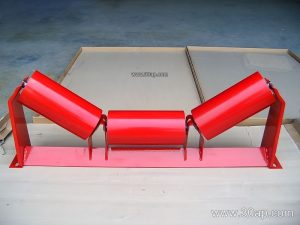
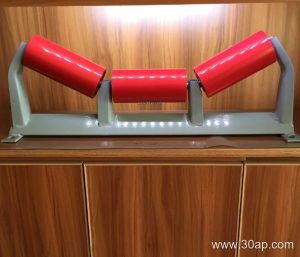
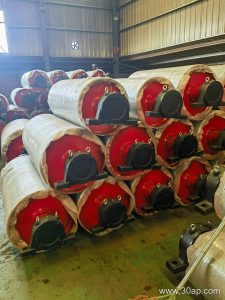
Although the comb idler is often grouped with return-side idlers, it is not a substitute for a drive pulley, tail pulley, or bend pulley. Those conveyor pulleys transmit power and change belt direction, while the comb idler only supports and cleans the belt. It is also distinct from a standard flat return idler and from a V-shaped return idler, which rely on continuous shells.
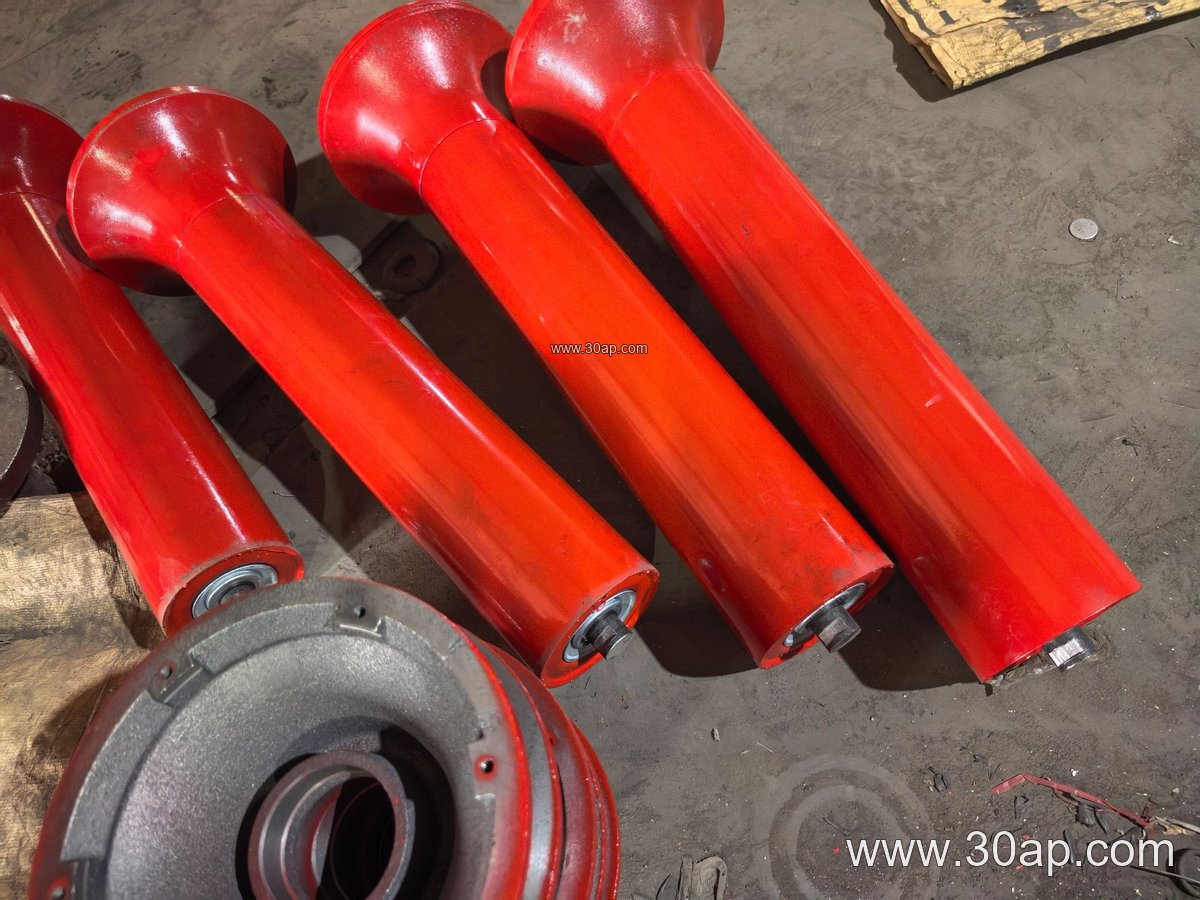
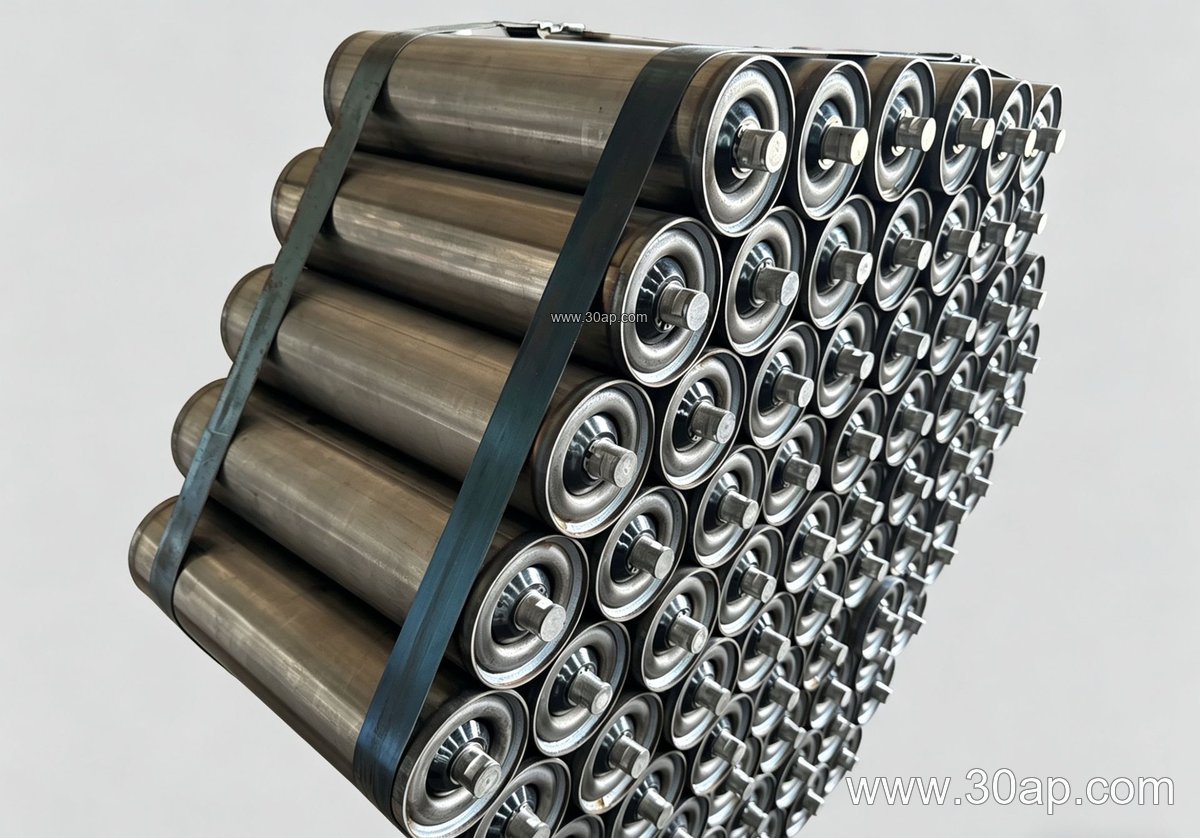
Construction and Surface Details
The typical comb idler uses a steel shaft, sealed bearing housings, and a set of discs pressed or bolted onto the shaft. Disc material may be rubber, polyurethane, nylon, or steel, depending on the duty. Rubber discs are common where the belt carries wet or clinging material, because the flexible edges shed fines and cushion the belt slightly. Bearing sizes such as 6205, 6305, or 6308 appear in many comb idler designs, but the bearing must be matched to the calculated load and shaft, not chosen from belt width alone.
- Roller diameter options commonly include Ø89, Ø102, Ø108, Ø127, and Ø133 mm.
- Belt widths range from B500 and B650 up to B1400 and B1600 in typical plant layouts.
- Disc spacing and disc thickness are set by the material being handled and the cleaning effect required.
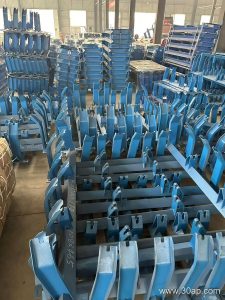
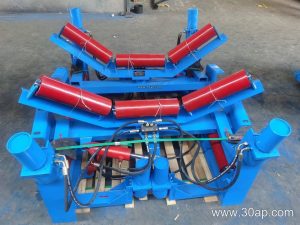
- Mounting frames and conveyor brackets are selected to suit the existing conveyor structure.
Where Comb Idlers Fit in a Plant
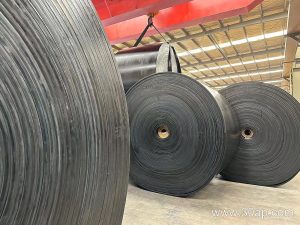
Comb idlers are frequently installed on the return strand of a belt conveyor in a coal washing plant or a cement plant, where fine dust and damp fines are present. They can also appear near a transfer point in an aggregate conveyor line, helping to knock off material before it reaches a tail pulley. In a power plant coal handling system, a comb idler may be paired with a flame retardant conveyor belt to limit buildup under the belt. The same idea applies in a sand and gravel operation using an abrasion resistant conveyor belt, where gritty fines would otherwise pack into a smooth roller surface.
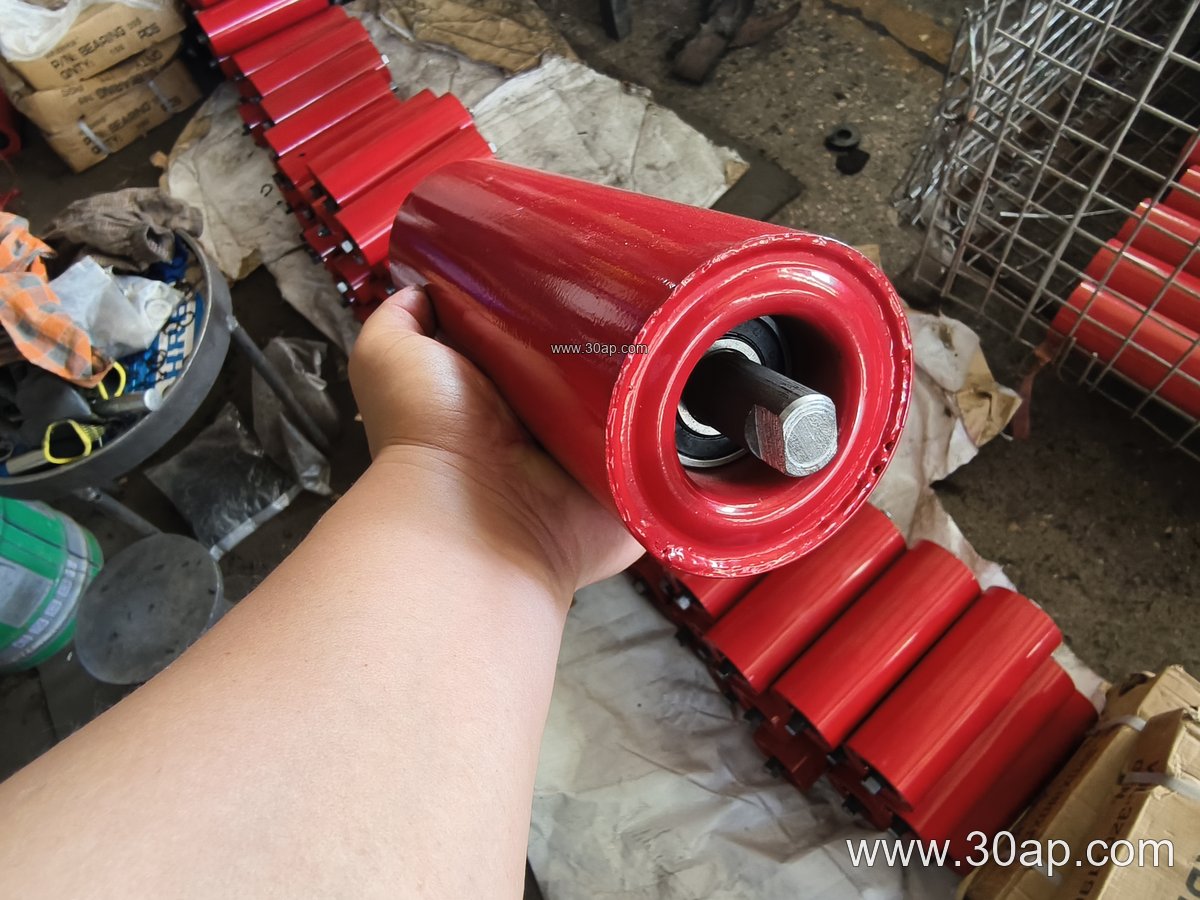
Comb idlers are not a replacement for impact idlers at a loading point, nor for training idlers that correct belt misalignment. Each idler type has its own job, and a well-designed conveyor uses them together.
Selection Points for Buyers
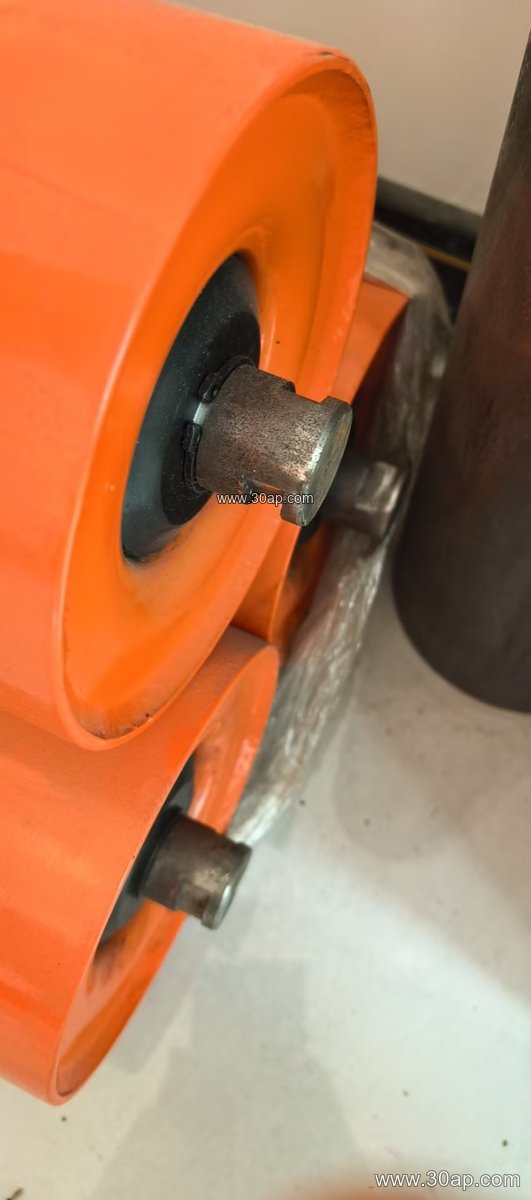
When specifying a comb idler, confirm the belt width, the return strand load, the material characteristics, and the available mounting space. A buyer should also check the shaft diameter and bearing type against the conveyor bracket and frame, since these dimensions are determined by the conveyor design rather than by belt width alone. Disc hardness matters in a quarry conveyor belt or a mining conveyor belt handling sharp rock; softer discs may wear faster, while harder discs may be less forgiving to the belt edge.
Ask for the disc material, disc count, roller diameter, and bearing designation in writing. For reference, a comb idler with Ø127 mm discs and 6305 bearings might be offered for a B1000 return position, but this is an example rather than a fixed rule. The final combination should follow the conveyor manufacturer’s load calculation and the site’s maintenance experience.
Maintenance and Practical Notes
Comb idlers need periodic inspection of disc wear, bearing play, and frame alignment. Because the gaps between discs can collect stringy material, check them after startup and during the first weeks of operation. Replace a comb idler when discs are worn unevenly or when bearing noise appears, and confirm that the replacement matches the original shaft and bracket dimensions. Used correctly, the comb idler is a simple, low-maintenance support component that helps keep a conveyor belt running clean in dusty, sticky, and high-tonnage operations.