What a Fire Resistant Conveyor Belt Is
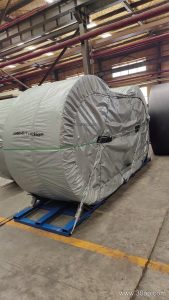
A fire resistant conveyor belt is a conveyor belt designed to limit the spread of flame and reduce the risk of fire in material handling systems. It is also known as a flame retardant conveyor belt, and both names describe the same product. The belt is built to resist ignition from external sources and to stop burning once the ignition source is removed. This makes it a practical choice where coal, dust, or hot material is present, such as coal mining, power plants, cement works, and bulk port terminals.
How the Belt Is Built
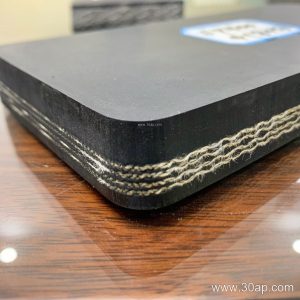
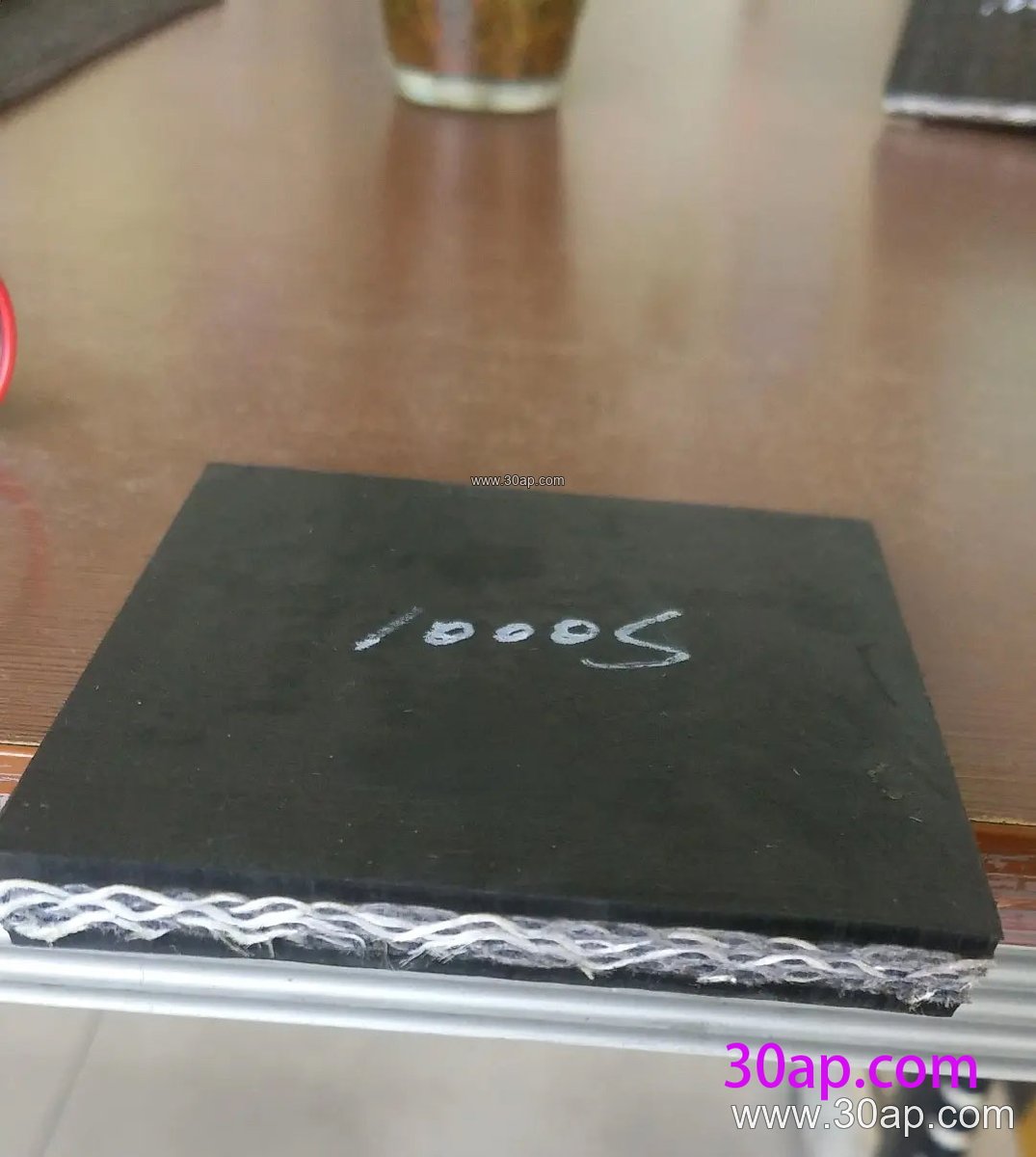
The construction follows the same basic pattern as other fabric or steel reinforced belts. A carcass carries the tensile load, and rubber covers protect it from wear and moisture. For fire resistance, the rubber compound is formulated with additives that suppress flame, and the carcass may also be treated. Common carcass options include EP conveyor belt fabric, NN conveyor belt fabric, and steel cord. A fire resistant version can be supplied in several of these carcass types while keeping the flame retardant property.
Typical construction reference
| Item | Common reference |
|---|---|
| Carcass type | EP, NN, steel cord |
| Fabric plies | Usually 2 to 6 layers |
| Strength grades (EP) | EP200, EP400, EP630, EP800, EP1000, EP1250 |
| Belt width | B500, B650, B800, B1000, B1200, B1400, B1600 |
| Cover thickness | 3+1.5, 4+2, 5+2, 6+2, 8+3 mm |
These values are common references only. Actual construction is set by the conveyor design, the material carried, and the environment.
Where It Is Used
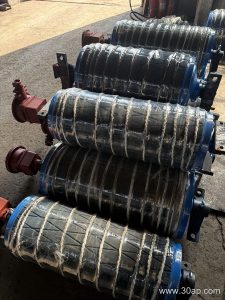
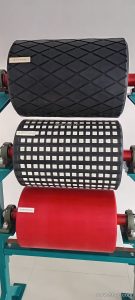
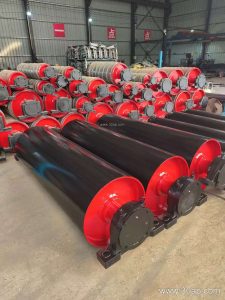
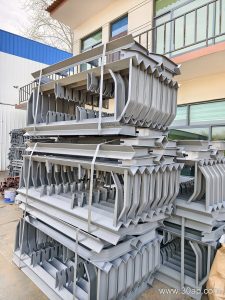
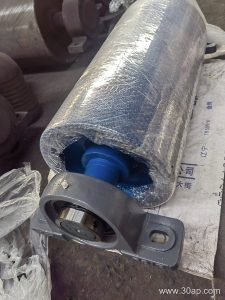
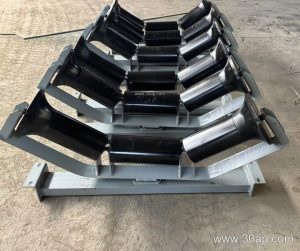
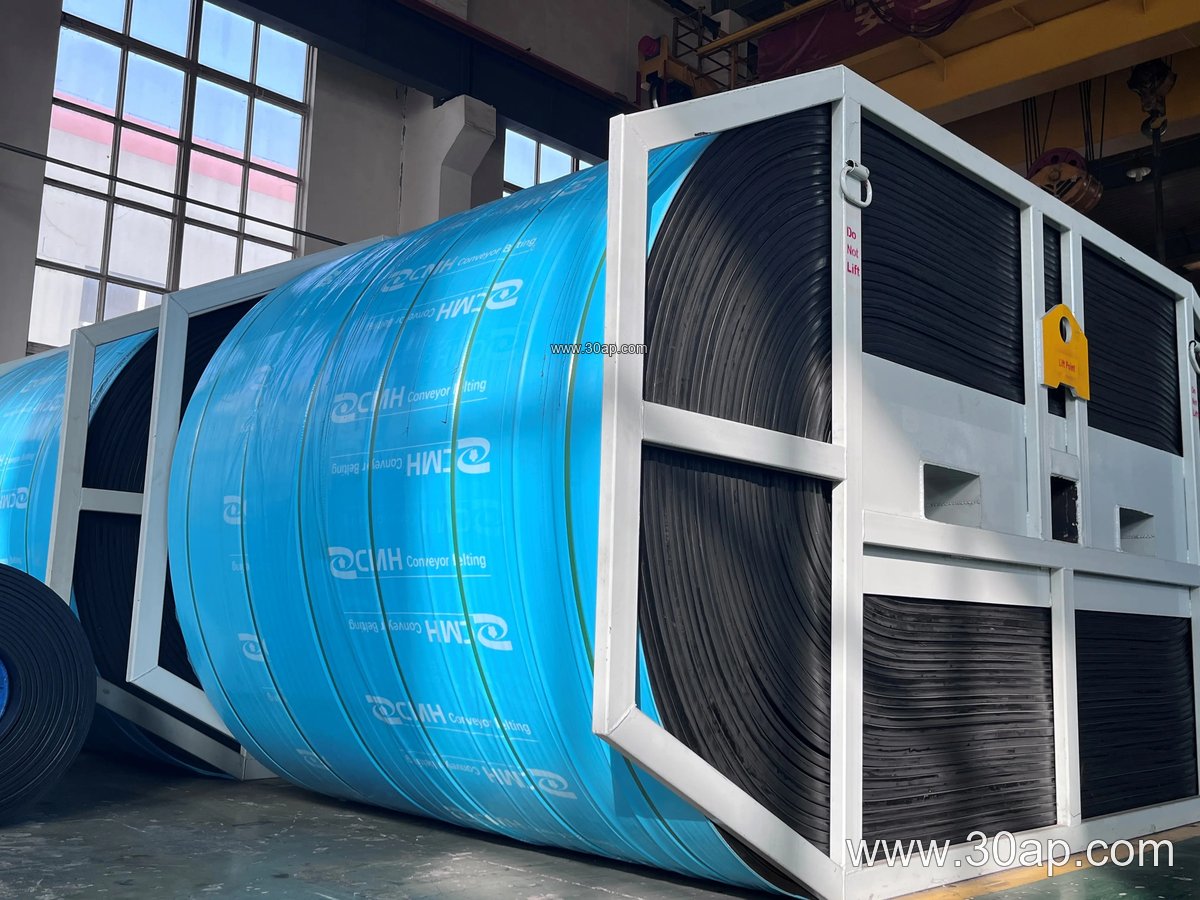
Fire resistance matters most in enclosed or dusty locations. Underground coal mining conveyor belts and other underground mining conveyor belts are typical users, because tunnels limit escape routes and concentrate dust. Coal handling systems at power stations and coal preparation plants also rely on flame retardant belts. Cement plants, quarries, and aggregate yards may specify them where hot clinker or welding sparks are a concern. In these plants, the belt works with idler rollers, conveyor pulleys, and conveyor brackets, so the whole system should be reviewed together.
Fire resistance is not the only property that matters. A mine may need an anti-static conveyor belt as well, since static discharge can ignite dust. A heat resistant conveyor belt is a different product for carrying hot material, while an oil resistant conveyor belt handles oily loads. If the route is steep, a chevron conveyor belt or corrugated sidewall belt may be used, but the flame retardant requirement should still be stated separately.
What Buyers Should Check
- Flame test requirement. Ask which flame test the belt must pass and request the test report. Do not assume every fire resistant belt meets every mine standard.
- Carcass and strength. Confirm the required tensile grade, such as EP630 or EP1000, and the number of plies. Steel cord belts may be needed for very long or high tension runs.
- Cover thickness. Match the top and bottom cover to the abrasion and impact level. A thick cover helps in crusher conveyor belt and rock conveyor belt duties.
- Anti-static property. For coal dust and underground use, check surface resistance values with the supplier.
- Belt width and pulley match. Belt width and pulley diameter are separate design choices. A 1200mm wide belt is not tied to one pulley size; the drive, tail, and bend pulleys are sized from tension and wrap angle.
- Splicing. Confirm whether the belt will be vulcanized or mechanically joined, and whether the splice keeps the flame retardant rating.
Installation and Maintenance Notes
Keep the belt aligned and the idler rollers turning freely. A stuck roller can rub and generate heat, which undermines any flame retardant benefit. Check conveyor pulleys for material buildup and confirm that lagging is in good condition. Clean spillage around the conveyor brackets so dust does not accumulate. Inspect the belt surface for cuts and exposed carcass, and repair damage early. Store spare belts away from heat and oil.
For a reliable result, specify the fire resistant conveyor belt together with the operating conditions: material type, lump size, belt speed, incline, ambient temperature, and any dust hazard. A supplier can then propose a suitable carcass, cover, and flame retardant compound rather than a generic belt.