What a Steel Plant Conveyor Idler Does
A steel plant conveyor idler is the rotating component that supports the conveyor belt along its carrying and return runs. In a steel plant, belts move iron ore, sinter, coke, limestone, and scale at high tonnage, often in hot and dusty conditions. The idler roller keeps the belt aligned, reduces friction, and protects the belt from sagging between pulleys. Without reliable idlers, a steel plant conveyor belt can drift, spill material, or wear prematurely.
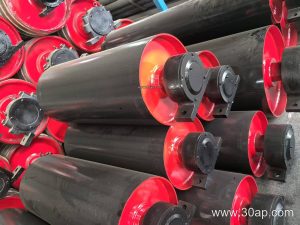
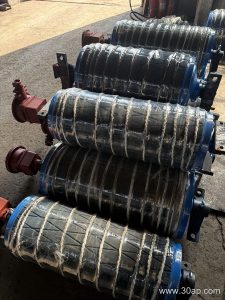
Unlike a conveyor pulley, which drives or redirects the belt at the ends of the conveyor, idlers are distributed along the structure. Drive, tail, and bend pulleys are not interchangeable with idlers, and each pulley subtype has its own role. A steel plant conveyor idler is a distinct product category, built for continuous support rather than power transmission.
Construction and Common Types
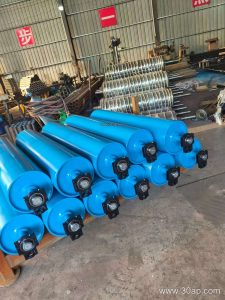
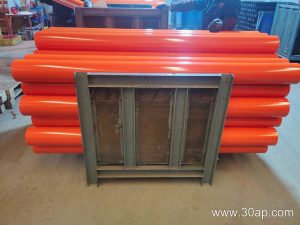
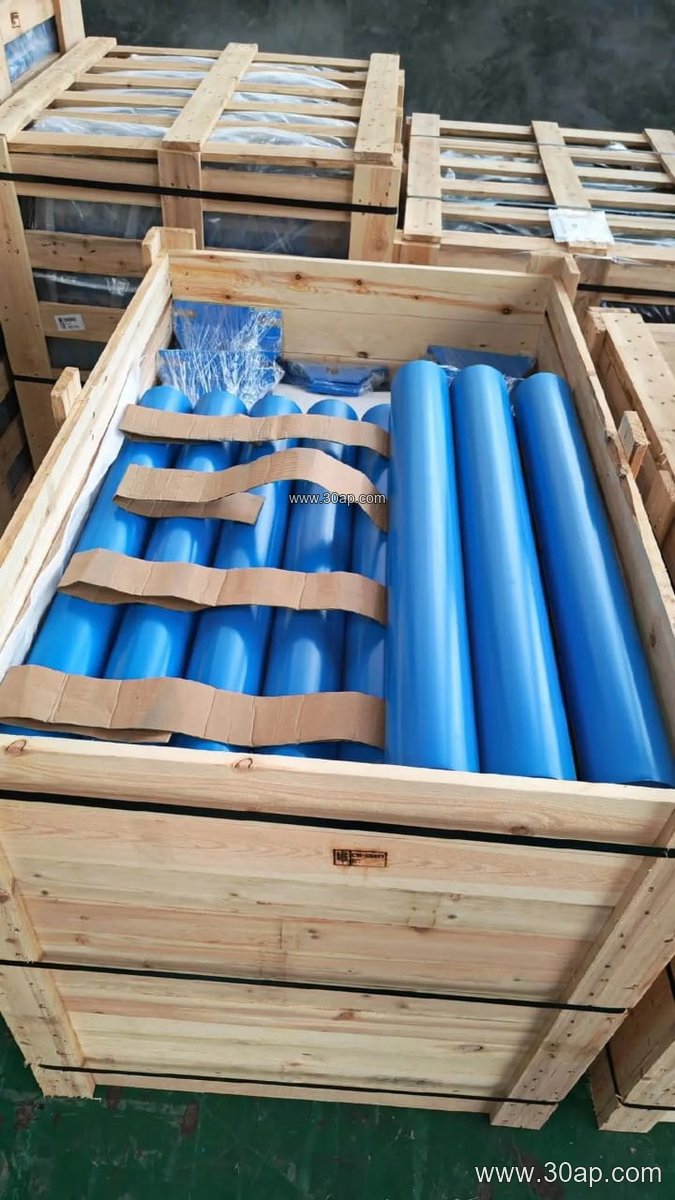
A typical idler roller consists of a steel tube shell, bearing housings, seals, and a shaft. The roller surface may be plain steel, nylon, ceramic, or rubber rings. Bearing sizes such as 6204, 6205, 6305, 6306, 6308, and 6310 are common, but the bearing is selected to match load and speed, not a single roller diameter.
In steel plant service, several idler types appear along one conveyor:
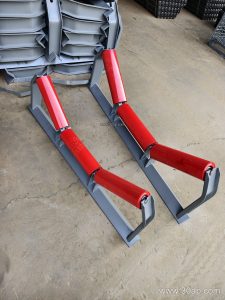
- Troughing idlers (three-roll, two-roll, or single-roll) support the loaded belt.
- Impact idlers or rubber-ring impact idlers sit under loading points to absorb shock.
- Return idlers, including flat and V-type, support the empty belt.
- Self-aligning idlers, such as friction and tapered types, help correct belt misalignment.
- Spiral idlers and comb idlers are used where sticky material tends to build up.
Common roller diameters include Ø63, Ø76, Ø89, Ø102, Ø108, Ø127, Ø133, Ø159, Ø178, Ø194, and Ø219 mm. Belt widths range from B400 to B2400, and trough angles of 20, 30, 35, and 45 degrees are typical. For a three-roll troughing set, roller length changes with belt width and trough angle; for example, B800 often uses about 315 mm rollers and B1200 about 465 mm, but side rollers and center rollers can differ. These are common examples, not fixed matches.
Where It Fits in Steel Plant Material Handling
Steel plants rely on conveyor systems at sinter plants, coke ovens, blast furnace charging, and slag handling. A steel plant conveyor idler must tolerate abrasive dust, heat radiation, and occasional spillage. In the sinter line, heat-resistant conveyor belts may run alongside standard belts, and idlers near hot material need suitable bearing clearance and seals. In the coke area, flame retardant conveyor belts are common, and idlers must resist fine coke dust.
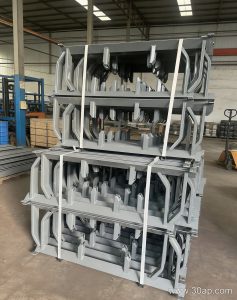
The same idler family also serves power plant coal handling, cement plants, and quarry lines, but steel plant conditions often combine heat, heavy load, and sharp particles. A conveyor bracket or frame supports each idler set, and alignment of brackets affects belt tracking. A worn bracket or bent shaft can make even a good idler roller run poorly.
Buyer Checklist for Steel Plant Idlers
Before ordering, confirm the belt width, trough angle, idler group form, roller diameter, and shaft end type. Check whether the location needs impact resistance, heat tolerance, or self-aligning action. Ask for the bearing size and seal arrangement, because dusty steel plant air can shorten bearing life. The idler shell thickness and rubber ring quality matter under high tonnage.
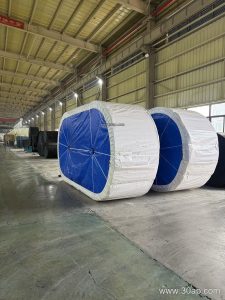
Also review the conveyor belt specification. An EP conveyor belt or steel cord conveyor belt has different load and tracking behavior, and a heavy-duty mining conveyor belt may need larger rollers. For hot sinter or coke, a heat resistant conveyor belt paired with appropriate idlers reduces risk. For dusty coal or coke, a flame retardant conveyor belt is often specified. Keep spare idlers, brackets, and bearings on hand; replacing one seized idler early prevents belt damage.
Maintenance Notes
Inspect idlers for seized bearings, worn shells, and missing rubber rings. Listen for squealing and watch for belt misalignment that may point to a failed self-aligning idler. Clean buildup around return idlers, especially under sticky material. Lubrication practice depends on the bearing seal type; sealed-for-life idlers need no greasing, while relubricable designs follow the maker’s schedule. Record roller diameters and bearing numbers so replacements match the existing set.
For steel plant conveyors, the idler is a small part with a large effect on belt life and plant uptime. Matching the idler type and size to the belt, load, and environment is more important than choosing the lowest-cost roller.