What Is a High Wear-Resistant Ceramic Pulley
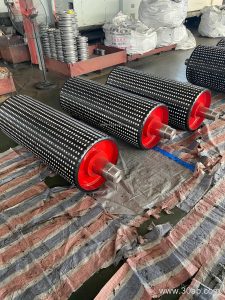
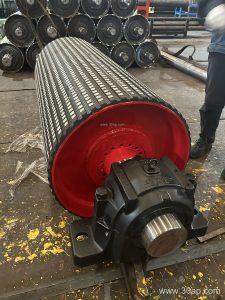
A high wear-resistant ceramic pulley is a conveyor pulley whose shell is fitted with ceramic tiles or a ceramic-rubber composite lagging. This ceramic lagging transforms the pulley surface into an extremely hard, abrasion-resistant layer that grips the conveyor belt while resisting the cutting and gouging action of sharp bulk materials. Unlike standard rubber-lagged pulleys, the ceramic pulley is built for the most demanding drive, tail, and bend positions where slip and wear would otherwise shorten service life. It is a specialized conveyor pulley variant, not a replacement for a drive pulley, tail pulley, or bend pulley—each of those positions has its own design requirements.
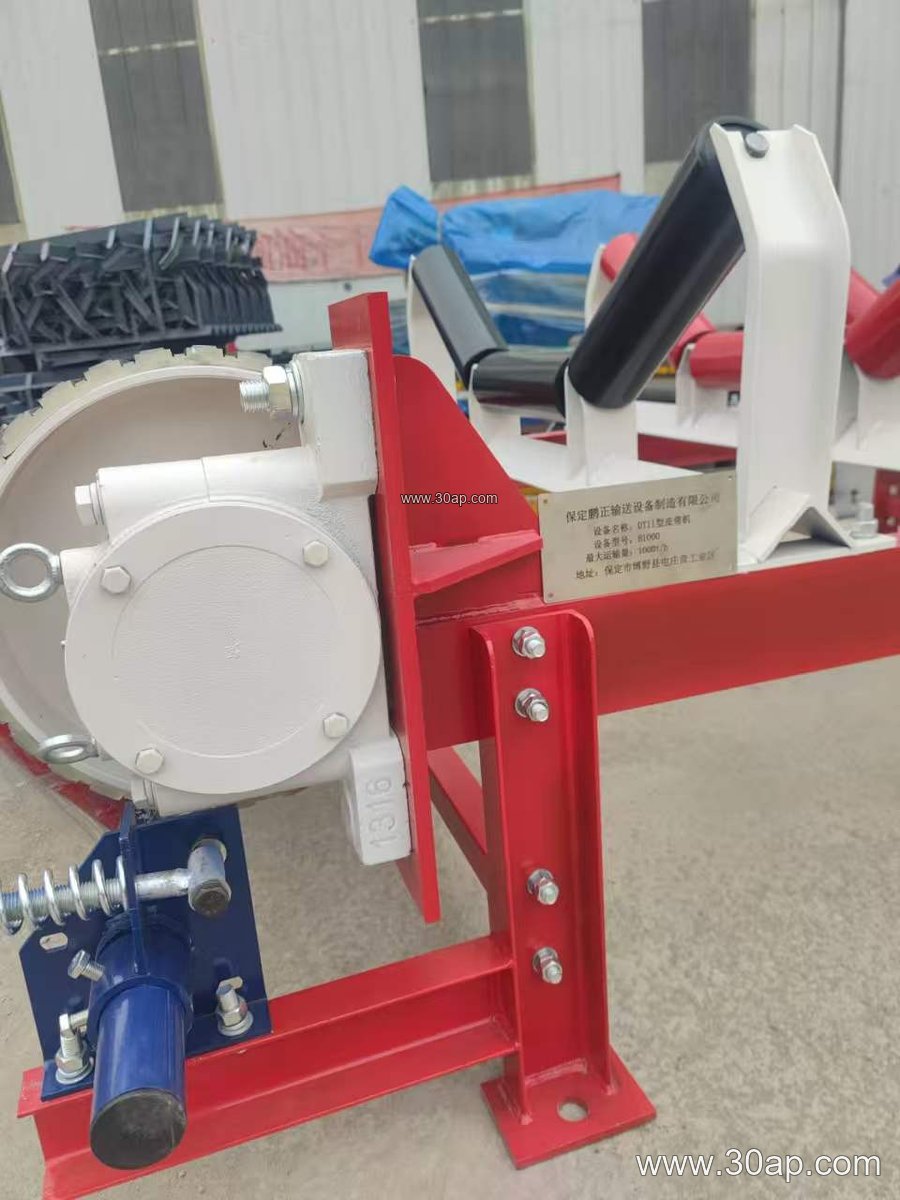
Construction and Surface Options
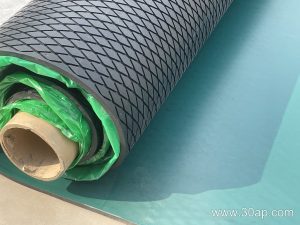
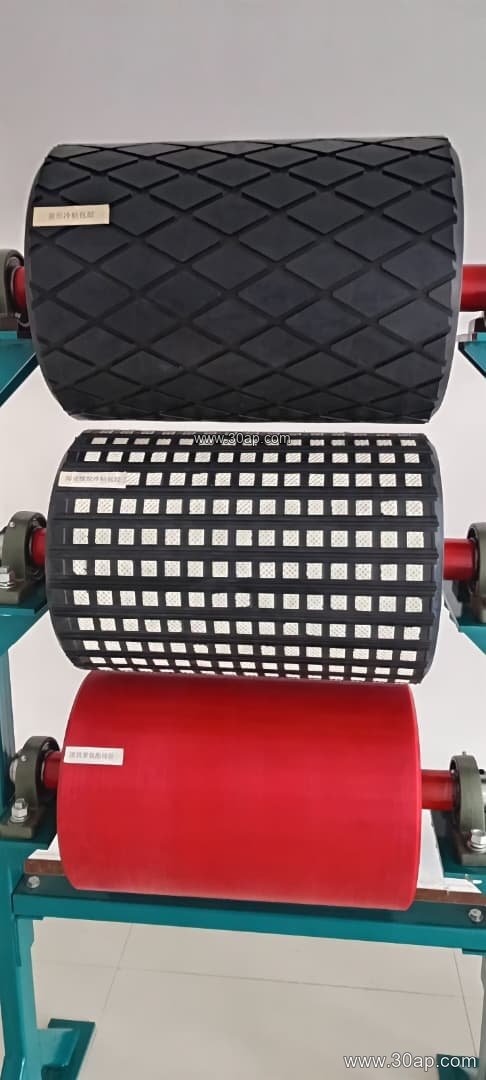
The ceramic lagging is typically bonded to the pulley shell through a vulcanized rubber matrix or a cold-bonded adhesive system. Ceramic tiles are embedded in a pattern that leaves small gaps for drainage and self-cleaning, which helps maintain friction in wet or muddy conditions. Common surface forms include ceramic lagging with plain tiles, diamond-pattern tiles, and ceramic blocks set in rubber. The base pulley can be a standard welded steel shell or a heavy-duty fabricated drum. Lagging thickness often ranges from 8 mm to 20 mm, with 12 mm and 15 mm frequently chosen for high-wear duty. The pulley face width is usually wider than the belt—for example, a B1200 belt may run on a pulley with roughly 1400 mm face width—but the exact combination is determined by the conveyor design, not by a fixed rule.
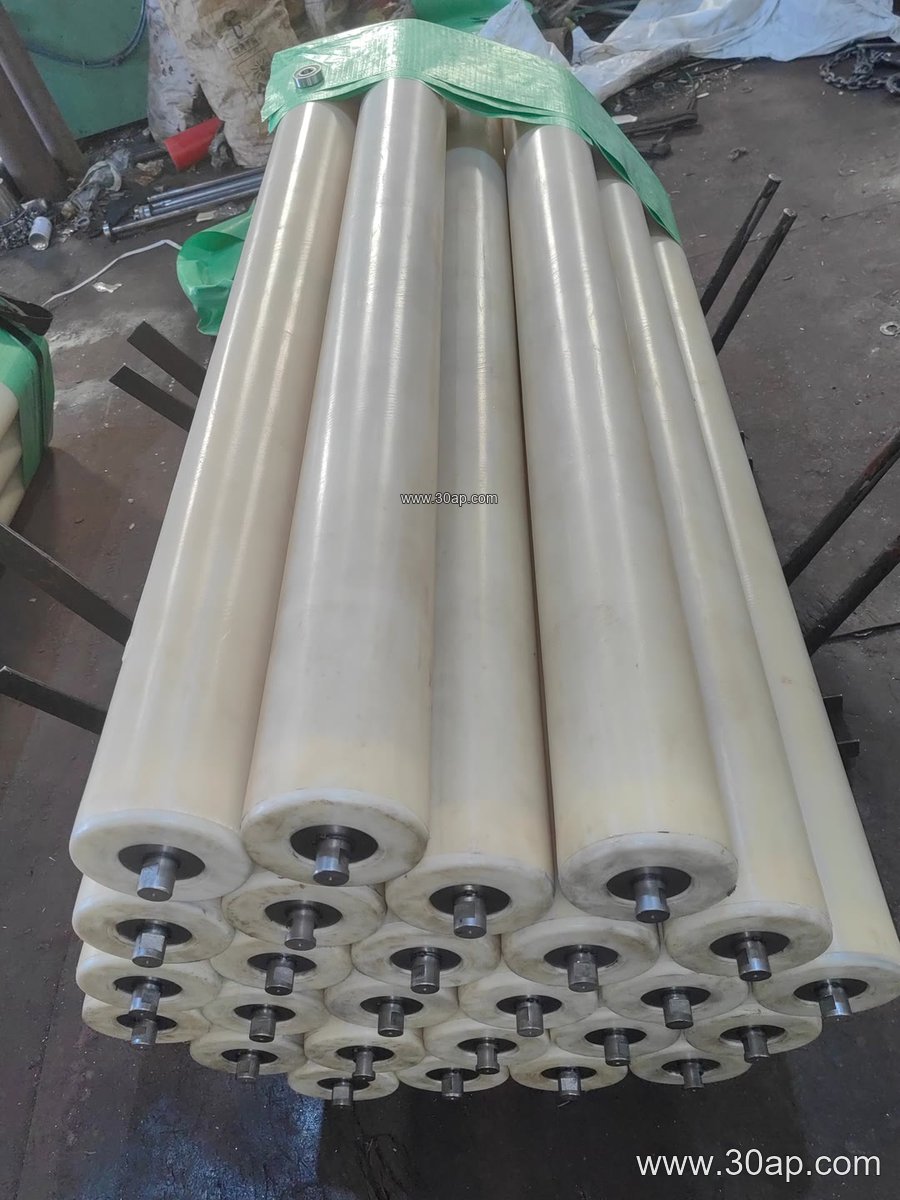
Where Ceramic Pulleys Are Used
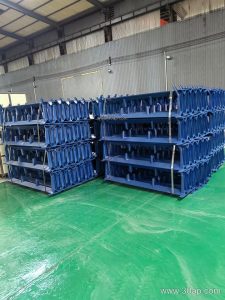
These pulleys are common in bulk handling where abrasive dust and sharp particles are present. In a quarry or aggregate line, a ceramic pulley on the drive position helps maintain grip on an abrasion resistant conveyor belt carrying crushed rock. In a coal preparation plant, the ceramic surface resists fine coal and slurry wear on tail pulleys and bend pulleys. Cement plants use them on clinker and limestone conveyors, while power plant coal handling systems benefit from the ceramic pulley’s ability to handle dusty, high-torque starting conditions. Other suitable sites include iron ore and copper ore concentrators, sand and gravel plants, and port bulk terminals. The ceramic pulley is often paired with heavy-duty conveyor idler rollers and sturdy conveyor brackets to keep the whole system aligned and reliable.
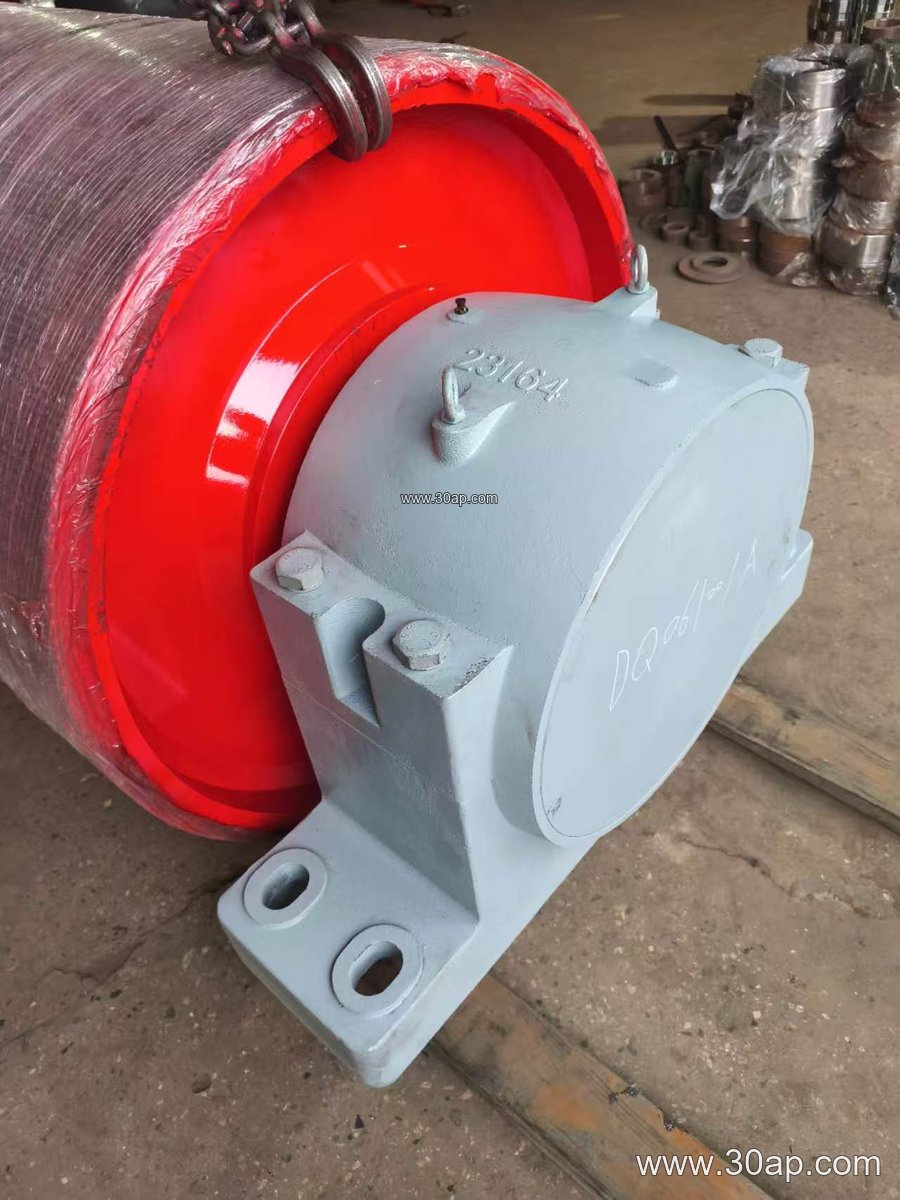
Key Parameters and Selection Notes
When specifying a high wear-resistant ceramic pulley, buyers should consider belt width, pulley diameter, shaft diameter, lagging thickness, and the operating environment. The table below lists common reference values; these are not universal specifications and should be confirmed against the actual conveyor design.
| Parameter | Common Reference Range |
|---|---|
| Belt width (B) | B400, B500, B650, B800, B1000, B1200, B1400, B1600, B1800, B2000 |
| Pulley diameter (Ø) | Ø200, Ø250, Ø315, Ø400, Ø500, Ø630, Ø800, Ø1000, Ø1250, Ø1400 |
| Shaft diameter | Ø50, Ø60, Ø70, Ø80, Ø90, Ø100, Ø120, Ø140, Ø160 |
| Lagging thickness | 8 mm, 10 mm, 12 mm, 15 mm, 20 mm |
| Surface form | Plain ceramic, diamond ceramic, ceramic in rubber |
Belt width and pulley diameter are not locked in a one-to-one relationship. A B800 belt might run on a Ø500 pulley in one conveyor and a Ø630 pulley in another, depending on belt tension, wrap angle, and space. Shaft diameter is sized by torque and load, not simply by belt width. For a high-wear application, a larger diameter pulley can reduce belt bending stress and improve ceramic tile life, but the final choice belongs to the conveyor designer.
Buyer Checklist for Ceramic Pulley Projects
- Confirm the pulley position: drive, tail, bend, or tension. Each has different load and slip expectations.
- Match the ceramic lagging pattern to the material: plain tiles for general abrasion, diamond pattern for better grip on wet belts.
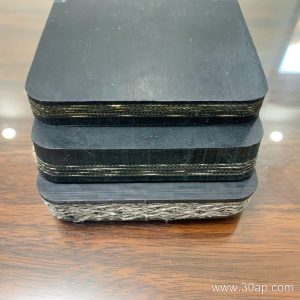
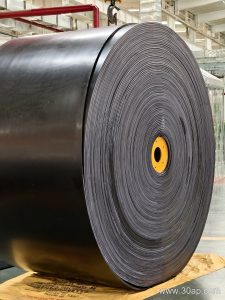
- Check compatibility with the conveyor belt. An abrasion resistant conveyor belt or a flame retardant conveyor belt may require specific lagging hardness and surface texture.
- Review the interface with conveyor idler rollers and conveyor brackets to avoid misalignment that accelerates edge wear.
- Ask for the lagging bond method and tile retention detail; a high wear-resistant ceramic pulley should keep tiles in place under shock loads.
- Consider the environment: dust, moisture, temperature, and oil exposure all influence lagging choice. In oily or chemical areas, an oil resistant conveyor belt and a compatible pulley surface are both important.
For more information on matching pulleys with conveyor belts and rollers, visit conveyor pulley and conveyor belt resources. A well-selected high wear-resistant ceramic pulley can extend service intervals in abrasive bulk handling, but it should always be specified as part of the complete conveyor system design.